Category: Vitamins, Minerals, Herbs

Ingredient Intelligence™ Vol. 2

A systems-based series examining ingredients through the lens of systems homeostasis — how nutrients influence stress, digestion, immune signaling, and cellular energy as part of an interconnected physiological loop

Magnesium is often discussed as if it treats isolated symptoms — cramps, anxiety, poor sleep, headaches.

That framing misses its real role.

From a systems homeostasis perspective, magnesium is not a symptom-targeted intervention.

It is a regulatory mineral that influences how multiple systems coordinate under load.

Rather than asking “What symptom does magnesium treat?”, the more useful question is:

Which system is under strain — and how does magnesium availability affect the system’s ability to adapt?


Magnesium Across Core Systems

Stress & Nervous System Tone

Chronic stress increases magnesium demand and loss. As availability declines, excitatory signaling rises and recovery capacity falls. Magnesium doesn’t sedate — it supports regulatory balance.

GI Function & Absorption

Magnesium supports smooth muscle tone and motility, yet depends on adequate digestion for absorption. Poor GI function reduces magnesium uptake, while low magnesium further impairs GI performance — a self-reinforcing loop.

Immune Signaling & Inflammatory Load

Magnesium participates in immune regulation and barrier integrity. Insufficiency is associated with elevated inflammatory tone and reduced immune tolerance, shifting the system toward chronic activation.

Energy & Mitochondrial Output

ATP is biologically active only when bound to magnesium. Energy availability is therefore constrained not only by calories or oxygen, but by mineral sufficiency. Fatigue is often a systems outcome, not an energy intake problem.


Why Responses to Magnesium Vary

Some people experience immediate benefit.

Others notice little change.

Some feel worse.

From a systems perspective, this variability is expected. Magnesium does not act in isolation — its effects depend on stress load, digestive capacity, immune tone, and baseline energy efficiency.

Form, timing, and context matter because systems state matters.


Systems Takeaway

Magnesium does not “fix” symptoms.

It supports coordination across systems.

When stress is high, digestion is compromised, immune signaling is elevated, or energy production is inefficient, magnesium often becomes a limiting factor — not because it is extraordinary, but because systems rely on it.

This is Ingredient Intelligence™ in practice.

Pomegranate has been valued for thousands of years across Mediterranean, Middle Eastern, and South Asian cultures. Traditionally, it wasn’t viewed as a novelty fruit, but as a therapeutic food associated with vitality, circulation, and longevity.

Modern research is now validating much of that historical use, particularly in the context of cardiovascular and metabolic health.

It’s also a compound I personally use — and one I include in powdered heart-health formulations — because it offers systems-level support rather than a narrow, single-pathway effect.


What Makes Pomegranate Different?

Pomegranate stands out because of its unique polyphenol profile, especially:

  • Punicalagins – powerful ellagitannins with vascular and antioxidant activity
  • Ellagic acid – supports cellular protection and oxidative balance
  • Urolithins – metabolites produced by gut microbes that influence mitochondrial and vascular resilience

Rather than acting as a short-term stimulant or vasodilator, pomegranate works by improving the biochemical environment in which cardiovascular signaling occurs.


Cardiovascular & Vascular Health

One of pomegranate’s most studied roles is its effect on vascular function.

Research suggests pomegranate compounds may help support:

  • Healthy endothelial function, allowing blood vessels to respond appropriately to nitric-oxide signaling
  • Arterial flexibility, supporting normal blood flow dynamics
  • Protection of lipids from oxidative damage, an important factor in long-term cardiovascular risk

This makes pomegranate particularly useful for chronic, preventive cardiovascular support, rather than acute or force-based interventions.


Inflammation & Oxidative Balance

Low-grade inflammation and oxidative stress are central contributors to cardiometabolic aging.

Pomegranate polyphenols have been shown to:

  • Modulate inflammatory signaling pathways
  • Reduce oxidative burden
  • Support redox balance at the cellular level

Importantly, these effects are regulatory, not suppressive — aligning well with functional and systems-based approaches.


Metabolic & Cellular Resilience

Beyond the heart and vessels, pomegranate also supports broader metabolic health:

  • Indirect support of insulin-sensitive environments through inflammation modulation
  • Contribution to mitochondrial resilience via urolithin pathways
  • Support for healthy aging processes influenced by oxidative stress

This is why pomegranate frequently appears in formulations targeting cardiometabolic aging, not just “heart health” in isolation.


Why Use Pomegranate in Powdered Formulations?

From a formulation perspective, powdered pomegranate extracts offer several advantages:

  • Standardized polyphenol content
  • Easy integration into powdered drink systems
  • Strong synergy with minerals, amino acids, and complementary botanicals

In heart-health powders, pomegranate pairs especially well with compounds that support vascular tone, electrolyte balance, and metabolic efficiency.

Used correctly, it becomes a foundational ingredient, not a marketing afterthought.


The Bigger Picture

Pomegranate isn’t about chasing a single biomarker.

It supports:

  • Vascular signaling
  • Oxidative balance
  • Inflammatory modulation
  • Long-term cardiovascular resilience

That’s why it continues to earn its place in serious, physiology-informed formulations — and why it remains relevant thousands of years after its first documented use.


If you are a clinic or practitioner group looking to integrate evidence-informed cardiovascular, metabolic, or longevity support into your programs, I work with clinics to design systems-based, non-pharmacologic strategies that align with real-world physiology.

If you are a company developing practitioner-grade supplements or functional drink powders, I provide formulation strategy, ingredient selection, and product architecture support from concept through commercialization.

Formulation consulting: HealthspanFormulations.com

Clinical support: OptimumHealthConsulting.com

#ProductFormulation #CardiovascularHealth #Polyphenols #FunctionalNutrition #FunctionalDrinks #MetabolicHealth #NutraceuticalInnovation #RobLamberton #RobertLamberton

Vitamin D has long been associated with bone density, immune balance, and calcium metabolism. Yet emerging research suggests its influence may extend much further—into the cellular mechanisms that govern how we age.

A newly published analysis from the VITAL trial, one of the most robust long-term randomized trials of nutrient supplementation to date, adds an important piece to the longevity conversation. The findings suggest that consistent Vitamin D₃ supplementation modestly but significantly preserved leukocyte telomere length over four years in older adults, compared with placebo.

This does not mean Vitamin D “stops aging.” But it does suggest that maintaining adequate Vitamin D status may help slow one measurable contributor to biological aging, particularly under conditions of metabolic and immune stress.


Telomeres: One Window Into Biological Aging

Telomeres are the protective caps at the ends of chromosomes. Each time a cell divides, telomeres shorten slightly. Over time, excessive shortening is associated with cellular senescence, impaired tissue repair, and increased disease vulnerability.

Telomere length is not destiny, nor is it the sole marker of aging. But it is a useful proxy for cumulative cellular stress—oxidative, inflammatory, immune, and metabolic.

In the VITAL sub-study, participants receiving Vitamin D₃ (2,000 IU/day) experienced significantly less telomere shortening than those receiving placebo. Omega-3 fatty acids, notably, did not show the same effect in this analysis.

The magnitude of benefit was described as modest but statistically significant, which is exactly what we expect from nutritional interventions that support physiology rather than override it.


Why Vitamin D May Matter in a Metabolic Chaos™ Context

From a functional and Metabolic Chaos™ lens, aging is not driven by a single “root cause,” but by interacting stressors that accumulate over time:

  • Immune dysregulation
  • Chronic low-grade inflammation
  • Mitochondrial inefficiency
  • Impaired DNA repair
  • Circadian disruption
  • Reduced hormonal signaling resilience

Vitamin D intersects with many of these systems simultaneously:

  • Immune modulation (innate and adaptive balance)
  • Inflammation signaling control
  • Mitochondrial gene expression
  • Genomic stability and DNA replication fidelity
  • Calcium signaling beyond bone tissue

Rather than acting as an anti-aging “switch,” Vitamin D appears to function more like a system stabilizer—helping cells respond more appropriately to ongoing stress.

In other words, it may help reduce the rate at which Metabolic Chaos accumulates.


No Megadoses, No Biohacking Extremes

One of the most important aspects of the VITAL findings is what wasn’t used:

  • No megadoses
  • No aggressive protocols
  • No pharmacologic intervention

Participants followed consistent, physiologic dosing over years—not weeks—and still demonstrated measurable benefit.

This reinforces a critical principle in functional and nutritional medicine:

Longevity support is often about consistency, sufficiency, and system support—not intensity.


Who Is Most Likely to Benefit?

Vitamin D insufficiency remains common, particularly in individuals who:

  • Spend most of their time indoors
  • Live at northern or southern latitudes
  • Have darker skin pigmentation
  • Experience chronic stress or immune activation
  • Carry higher body fat percentages

In clinical and practitioner settings, Vitamin D status often correlates with immune load, inflammatory tone, and recovery capacity rather than symptoms alone.

This is why testing—not guessing—is essential.


Practical Considerations (General Education Only)

  • Always assess serum 25-hydroxyvitamin D levels before long-term supplementation
  • Many adults fall into a maintenance range with 2,000–4,000 IU/day, though individual needs vary
  • Vitamin D works synergistically with Vitamin K₂, magnesium, and adequate dietary fat
  • Sun exposure, lifestyle stress, sleep, and gut absorption all influence outcomes

Vitamin D should be viewed as one contributor within a broader systems strategy, not a stand-alone solution.


Aging Is Not Just About Time

Chronological aging is inevitable. Biological aging is variable.

Cellular resilience, repair capacity, and immune balance determine how well we adapt to stress over time. Vitamin D appears to support these processes quietly, incrementally, and safely when used appropriately.

Not a miracle.
Not a cure.
But potentially a meaningful support lever for long-term cellular health.


Scientific Reference

Zhu H, et al. Vitamin D₃ supplementation, but not omega-3 fatty acids, preserves leukocyte telomere length over 4 years in older adults: results from the VITamin D and OmegA-3 TriaL (VITAL). The American Journal of Clinical Nutrition. 2025;121(6):1720-1731.
Findings demonstrate modest but statistically significant benefits and warrant further replication.


Work With Me

I work with clinics, practitioners, and health-focused companies to design evidence-aligned nutritional supplement and functional drink formulations, and to help individuals understand how multiple physiological contributors interact over time.

Formulation consulting: HealthspanFormulations.com
Clinical & educational support: OptimumHealthConsulting.com

#VitaminD #LongevityScience #CellularHealth #MetabolicChaos #FunctionalNutrition #NutraceuticalInnovation #HealthyAging #ProductFormulation #RobLamberton #RobertLamberton


I’m honored to share that I have joined First Compounding Pharmacy Limited (FCPL) in Nairobi, Kenya as Chief Operations Officer & Head of Compounding Formulation.

This role marks a major milestone in my career and an unprecedented opportunity to help transform healthcare across Kenya and the broader East African region.


Why This Work Matters

Many of the tools we take for granted in North America —
✓ personalized formulations
✓ pharmaceutical-grade compounding services
✓ bioidentical hormone preparations
✓ functional & integrative medicine training
✓ nutrition-based metabolic assessment
are not yet widely available in East Africa.

At FCPL, we are changing that.

Our mission is to introduce world-class, evidence-based compounding and integrative healthcare solutions that will dramatically expand what is possible for clinicians and their patients throughout the region.


My Role at FCPL

As COO and Head of Compounding Formulation, I will be leading:

🔬 Compounding formulation (sterile & non-sterile)
🌿 Development of a 46-SKU botanical precision-medicine range
📊 Operational systems & quality assurance integration
🎓 Practitioner education programs in functional nutrition, integrative medicine, and metabolic assessment
💡 Clinical translation of regenerative and longevity protocols

My goal is to help build the most advanced compounding and integrative health platform in East Africa, setting new standards for safety, efficacy, and patient outcomes.


Background & Experience I Bring to This Role

With more than 15 years in functional medicine, nutritional biochemistry, lab-based assessment, and formulation science, my work has included:

• Master nutraceutical formulation for Healthspan Formulations and Cell Factors Regenerative Medicine
• Leading development of next-generation metabolic and regenerative formulations
• Thousands of clinical assessments using arterial pulse wave velocity, bioimpedance, and functional blood chemistry
• Teaching roles at Boucher Naturopathic Medical School (Vancouver)
• Building multimillion-dollar clinical distribution and education programs
• Training hundreds of practitioners across North America in functional and integrative frameworks

This new chapter allows me to apply that experience toward building healthcare capacity where it is needed most.


A Transformational Opportunity for Kenya & East Africa

FCPL represents the first large-scale initiative to bring:

• Compounding pharmacy services
• Bioidentical hormone options
• Evidence-based botanical formulations
• Functional nutrition training
• Integrative oncology support
• Dietary metabolic typing and personalized nutrition

…into a region where these services are just beginning to emerge.

It is a privilege to help lead this effort.


Thank You

I’m deeply grateful to everyone who supported my professional journey and encouraged me to pursue meaningful, high-impact work around the world.

I look forward to collaborating with clinicians, researchers, and partners across Kenya and East Africa to advance a new standard of personalized, integrative healthcare.

Dragon’s Blood, or Sangre de Drago, is the healing red sap of the Amazonian tree Croton lechleri. Traditionally used for wound healing and gut support, it has now gained attention for its mucosal-repairing, antiviral, anti-inflammatory, and tissue-regenerating properties.


What Makes Dragon’s Blood Unique?

Its phytochemistry includes:

  • Proanthocyanidins – antioxidant + mucosal protection
  • Taspine – wound healing and fibroblast activation
  • Dimethylcedrusine – tissue regeneration
  • SP-303 – clinically validated for IBS-D and gut fluid modulation

Key Health Benefits

✔ Supports Gut Healing & Barrier Integrity

Helps with:

  • IBS-D
  • Traveler’s diarrhea
  • Viral diarrhea
  • Leaky gut
  • Ulcer support
  • Post-antibiotic mucosal recovery

✔ Accelerates Wound Repair

Topical use forms a protective natural film that reduces infection and promotes healing.

✔ Antiviral Support

Shown active against influenza, HSV, RSV, rotavirus, and others.

✔ Anti-Inflammatory Effects

Helps reduce oxidative stress and inflammatory cytokines.


Traditional Uses (Rain-Tree / Leslie Taylor ND)

  • Ulcers
  • Diarrhea and dysentery
  • Vaginal and cervical toning
  • Burns, cuts, bites
  • Oral lesions
  • Infection recovery

Forms & Dosing

  • Topical sap or resin
  • Liquid extracts
  • Encapsulated extracts
  • Pharmaceutical SP-303 (Crofelemer)

Conclusion

Dragon’s Blood is a multifunctional botanical with applications for gut health, immune support, mucosal healing, wound recovery, and inflammation management. It represents a valuable tool for integrative health and natural wellness.


Learn more or work with me:

https://healthspanformulations.com


#Dragon’sBlood #SangreDeDrago #FunctionalMedicine #GutHealing #MucosalRepair #BotanicalMedicine #NutraceuticalInnovation #AmazonianHerbs #RainforestMedicine #RobLamberton #RobertLamberton #Healthspan #Longevity #NaturalHealing #ClinicalBotanicals #IntegrativeMedicine #healthspanformulations

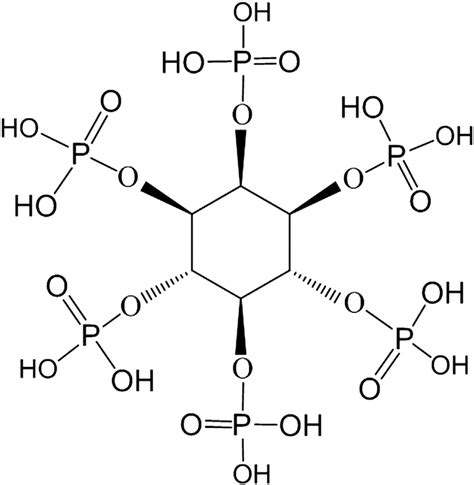
IP6 (inositol hexaphosphate) and myo-inositol are natural compounds found in whole grains, legumes, and even in our own cells. Pioneering research led by Dr. A.M. Shamsuddin has shown that when IP6 is combined with inositol, the pair can help support:

  • Healthy cellular regulation and natural defense
  • Oxidative stress resilience
  • Balanced immune function
  • Normal calcification and mineral balance
  • Aspects of metabolic and vascular health PMC+3PubMed+3PubMed+3

Most of the research is preclinical or early-stage clinical, but the picture that’s emerging is that IP6 + inositol acts as a multi-pathway cellular support system, rather than a single “magic bullet.”

You can learn more about the scientific background at Dr. Shamsuddin’s educational site: ip-6.net. ip-6.net+2ip-6.net+2

Note: IP6 + inositol is not a treatment or cure for disease. It is a dietary supplement that may support the body’s natural defenses and resilience. Always consult your healthcare provider before starting new supplements, especially if you take medication or have complex health conditions. Memorial Sloan Kettering Cancer Center+1

Where My Work Fits In

As a functional health practitioner and formulation scientist, I work with:

  • clients seeking structured, lab-informed wellness programs, and
  • companies and clinics looking to develop science-based nutraceuticals and functional drinks that incorporate ingredients like IP6 + inositol in a rational, evidence-aware way.

If you’re exploring IP6 + inositol in a formulation, it’s essential to think about:

  • dose and delivery format
  • synergy with other ingredients
  • mineral balance and safety
  • the story you tell that accurately reflects the science

💼 Work With Rob

If your company or clinic is developing nutritional supplements or functional drinks, I provide consulting and formulation services to help create science-driven, evidence-based products that truly make an impact.

👉 Learn more or connect: healthspanformulations.com