The vagus nerve is one of the most important regulators of the human body. It connects the brain with the digestive system, heart, lungs, immune system, and metabolic pathways.
What Is the Vagus Nerve?
The vagus nerve is the longest cranial nerve and the main pathway of the parasympathetic nervous system (“rest and digest”). It supports:
Stress recovery
Mood balance
Digestive activity
Heart rate variability
Immune communication
Inflammatory modulation
How the Vagus Nerve Affects Stress & Mood
Low vagal tone is associated with sympathetic dominance — difficulty relaxing, trouble digesting, elevated inflammation, and disrupted sleep. Strong vagal tone supports emotional resilience, digestion, metabolic balance, and calm parasympathetic signaling.
Simple Vagus Nerve Activation Techniques
You can support vagal tone with simple daily practices:
Humming
Singing
Box breathing (4-4-4-4)
Slow exhalation
Gargling
Cold water facial exposure
Mindfulness or grounding
These techniques help shift the body toward calm, restorative physiology.
Looking for Support?
Clinical Services: Work with me directly for functional health consulting: 👉 OptimumHealthConsulting.com
Formulation Consulting for Brands: I help companies create stress/mood/gut support formulas: 👉 HealthspanFormulations.com
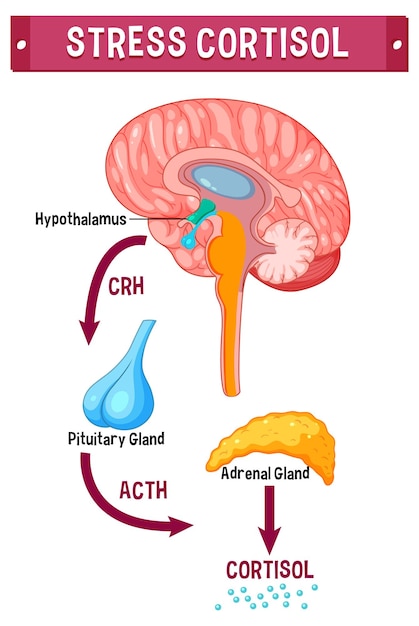
Cortisol is one of the most misunderstood hormones in human physiology. While often labeled as the “stress hormone,” cortisol is essential for survival — regulating blood sugar, immune balance, inflammation, circadian rhythm, brain function, and energy production.
But when stress becomes chronic, cortisol becomes dysregulated, shifting the body into a long-term catabolic state. This is a major factor in what I refer to as Metabolic Chaos® — a constellation of hidden stressors and downstream dysfunctions that do not necessarily reveal a single “root cause,” but manifest across multiple systems.
🔬 What Cortisol Does (The Essentials)
Cortisol plays a central role in:
✔ Regulating blood sugar
It keeps glucose available when you need energy.
✔ Modulating inflammation
Cortisol is both anti-inflammatory and pro-inflammatory depending on context.
✔ Supporting wakefulness & circadian rhythm
Highest in the morning and gradually decreases throughout the day.
✔ Stabilizing blood pressure
It helps maintain vascular tone and sodium balance.
✔ Immune system balance
Acute cortisol increases immunity; chronic exposure suppresses it.
✔ Brain and mood regulation
Affects focus, memory, mood stability, anxiety, and sleep.
🔄 Cortisol’s Relationship with DHEA
Cortisol is catabolic (breaks down tissue). DHEA is anabolic (builds and repairs tissue).
The two must remain in balance.
When cortisol stays high for too long, DHEA production is diverted, leading to:
Degeneration of lean muscle
Lower resilience
Fatigue
Hormone imbalance
Mood instability
Poor recovery
Loss of metabolic “reserve”
The Cortisol:DHEA ratio is one of the most important patterns in FDN physiology. A chronically elevated ratio = catabolic dominance, a hallmark of chronic stress response.
⚠️ What Happens When Cortisol Stays High Too Long
Long-term cortisol elevation produces a cascade of dysregulation across multiple systems.
1️⃣ Blood Sugar Dysregulation
Cortisol raises blood glucose to fuel survival. Chronic activation → insulin resistance, leading to:
Energy crashes
Sugar cravings
Abdominal fat storage
Diabetes risk
2️⃣ Blood Pressure Elevation
Cortisol increases vascular tone. Chronic elevation contributes to:
Hypertension
Vascular inflammation
Increased cardiovascular risk
3️⃣ Inflammation Increases (Paradoxically)
While cortisol initially suppresses inflammation, chronic exposure causes:
Elevated cytokines
Tissue breakdown
Musculoskeletal pain
Increased oxidative stress
This links directly to FDN markers such as 8-OHdG, SIgA, bile acids, etc.
4️⃣ Digestive Dysfunction: Dysbiosis, Bloating, and Irritation
Chronic cortisol:
Reduces stomach acid
Slows peristalsis
Reduces digestive enzyme output
Disrupts bile flow
Alters gut motility
This opens the door to:
Dysbiosis
SIBO/SIFO tendencies
Floating stools
Gallbladder sluggishness
5️⃣ Leaky Gut & Barrier Breakdown
Stress increases zonulin, opening tight junctions. This affects:
Immune activation
Food sensitivities
Systemic inflammation
Neuroinflammation
This is directly tied to markers like Indican, SIgA, and gut inflammatory profiles in functional labs.
6️⃣ Immune Suppression
Chronic cortisol:
Lowers SIgA
Reduces mucosal immunity
Increases infection susceptibility
Weakens viral defense
In my practice, I often see low SIgA + dysbiosis patterns in chronic stress cases.
7️⃣ Hormone Disruption
High cortisol “steals” substrate from sex hormone pathways.
Leads to:
Low libido
PMS/perimenopause issues
Andropause acceleration
Estrogen dominance
Low testosterone
Progesterone decline
8️⃣ Sleep Disruption
Flattened or elevated nighttime cortisol →
Poor sleep
Early waking
Difficulty relaxing
Rumination or anxiety at bedtime
🔚 My Practice Principle: I Do Not Chase Cortisol Levels
I do NOT “treat cortisol.” I look for patterns, identify healing opportunities, and support the entire HPA axis.
Cortisol imbalance is not the problem — it is the result of upstream hidden stress.
Supporting digestive health, circadian rhythm, nutrition, detoxification, GI integrity, and stress reduction restores balance naturally.
🧠 Summary for Clients & Readers
Cortisol is essential — but chronic elevation causes wide-ranging downstream effects.
Imbalances affect blood sugar, digestion, mood, immunity, inflammation, and hormones.
The solution is not to suppress cortisol — but to correct the hidden stressors causing Metabolic Chaos®.
Are you fed up with your personal journey of “trial and error?” Running around to many different practitioners and not getting resolution to your health issues?
Reach out to me for a FREE 15 minute discovery call.
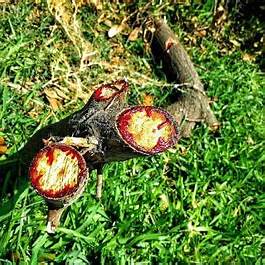
Dragon’s Blood, or Sangre de Drago, is the healing red sap of the Amazonian tree Croton lechleri. Traditionally used for wound healing and gut support, it has now gained attention for its mucosal-repairing, antiviral, anti-inflammatory, and tissue-regenerating properties.
SP-303 – clinically validated for IBS-D and gut fluid modulation
Key Health Benefits
✔ Supports Gut Healing & Barrier Integrity
Helps with:
IBS-D
Traveler’s diarrhea
Viral diarrhea
Leaky gut
Ulcer support
Post-antibiotic mucosal recovery
✔ Accelerates Wound Repair
Topical use forms a protective natural film that reduces infection and promotes healing.
✔ Antiviral Support
Shown active against influenza, HSV, RSV, rotavirus, and others.
✔ Anti-Inflammatory Effects
Helps reduce oxidative stress and inflammatory cytokines.
Traditional Uses (Rain-Tree / Leslie Taylor ND)
Ulcers
Diarrhea and dysentery
Vaginal and cervical toning
Burns, cuts, bites
Oral lesions
Infection recovery
Forms & Dosing
Topical sap or resin
Liquid extracts
Encapsulated extracts
Pharmaceutical SP-303 (Crofelemer)
Conclusion
Dragon’s Blood is a multifunctional botanical with applications for gut health, immune support, mucosal healing, wound recovery, and inflammation management. It represents a valuable tool for integrative health and natural wellness.
The Gallbladder: Function, Biliary Stasis, Gallstones, and Post-Removal Support
By Rob Lamberton, BSc, FNTP, FDN-P (Candidate)
Introduction
The gallbladder is a small, overlooked organ with major influence over digestion, nutrient absorption, detoxification, and metabolic health. Gallbladder disease—including biliary stasis, sludge, and gallstones—is increasingly common, and gallbladder removal (cholecystectomy) is now one of the most frequently performed abdominal surgeries in the United States.
This article provides a clear explanation of gallbladder function, the causes of biliary stasis and gallstones, the consequences of living without a gallbladder, and evidence-supported nutritional strategies for maintaining healthy bile flow.
What the Gallbladder Does
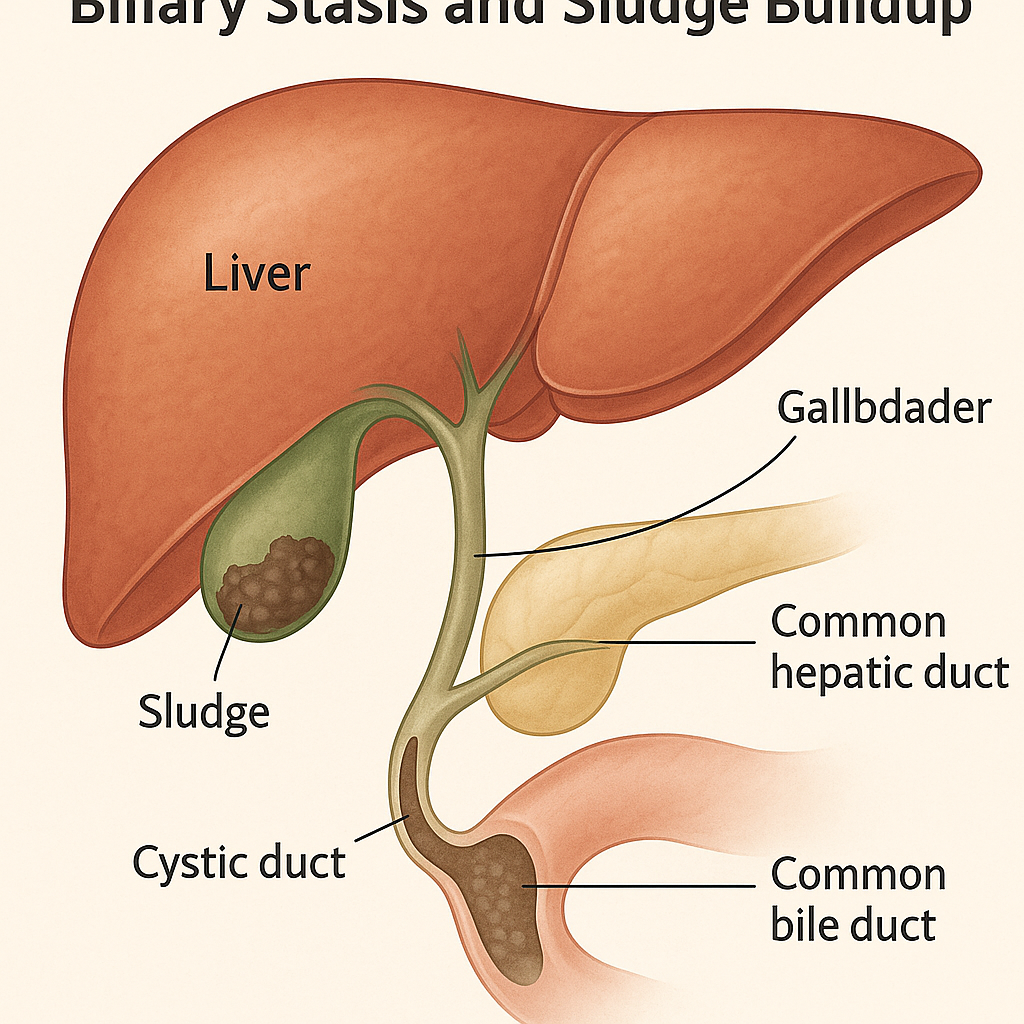
The gallbladder stores and concentrates bile—an essential digestive fluid produced by the liver. When dietary fat enters the small intestine, the hormone CCK triggers the gallbladder to contract and release bile through the common bile duct.
Bile enables:
digestion and emulsification of dietary fats
absorption of vitamins A, D, E, K
elimination of bilirubin, cholesterol, and toxins
microbial balance in the small intestine
support for liver detoxification
Without effective bile storage and release, multiple digestive and metabolic issues can develop.
What Causes Biliary Stasis and Sludge
Biliary stasis is the slowing or stagnation of bile. When bile becomes thick or overly concentrated, the risk of sludge and gallstones increases.
Common causes include:
low-fat diets or long fasting periods
obesity and metabolic dysfunction
rapid weight loss
sedentary lifestyle
dysbiosis and poor gut motility
high-estrogen states (pregnancy, birth control pills, hormone therapy)
inadequate hydration
low bile acid production
Stagnant bile can crystallize and form cholesterol gallstones—the most common type seen clinically.
How Many Gallbladder Surgeries Occur in the U.S.?
Cholecystectomy is one of the most common abdominal surgeries performed.
Approximately 700,000 gallbladders are removed annually in the United States,
And some healthcare estimates place the total closer to 1.2 million per year when including all surgical settings.
Given these numbers, gallbladder-related education is essential for long-term digestive and metabolic health.
Health Issues After Gallbladder Removal
Although removal of the gallbladder resolves acute biliary pain, it does not “fix” the underlying issues that led to bile dysfunction.
Without a gallbladder:
1. Bile trickles continuously
Instead of releasing bile when fat is eaten, bile drips steadily into the intestine, leading to:
poor fat digestion
bloating, gas, cramping
loose stools or urgency
floating or fatty stools
malabsorption of fat-soluble vitamins
2. Fat-soluble vitamin deficiencies may develop
Absorption of vitamins A, D, E, K is often compromised.
3. Bile acid diarrhea is more common
Continuous bile leakage into the intestine can irritate the gut lining.
4. Post-cholecystectomy syndrome
Up to 40% of people continue experiencing digestive symptoms even after removal.
Natural Compounds and Dietary Measures for Gallbladder Health
Dietary Strategies
Moderate intake of healthy fats (prevents bile stagnation)
Stable weight management—avoid very low-fat diets or rapid weight loss
Natural Compounds
Milk thistle: supports liver and bile production
Curcumin: promotes bile flow
Taurine: supports bile acid conjugation
Phosphatidylcholine: essential for healthy bile composition
Magnesium: supports gallbladder contraction
Why Ox Bile Matters After Gallbladder Removal
Ox bile or bile salt supplementation is one of the most important supports for individuals without a gallbladder.
Supplemental bile salts can:
assist fat digestion
support absorption of fat-soluble vitamins
improve stool consistency
reduce bloating and discomfort after fatty meals
support gut motility through bile acid signaling
Ox bile should be taken with meals containing fat.
Conclusion
The gallbladder is crucial for proper digestion, detoxification, and metabolic balance. When it is impaired—or removed—strategic nutritional and supplemental support becomes essential. Addressing bile health improves digestion, micronutrient absorption, gut function, and overall metabolic resilience.
Work With Rob (Website CTA)
If your company or clinic is developing nutritional supplements or functional drinks, I provide consulting and formulation services to help create science-driven, evidence-based products that truly make an impact.
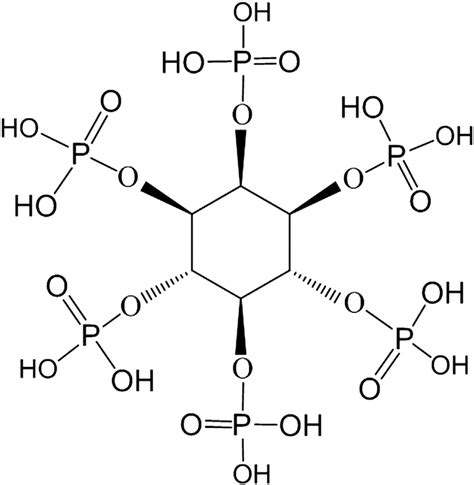
IP6 (inositol hexaphosphate) and myo-inositol are natural compounds found in whole grains, legumes, and even in our own cells. Pioneering research led by Dr. A.M. Shamsuddin has shown that when IP6 is combined with inositol, the pair can help support:
Most of the research is preclinical or early-stage clinical, but the picture that’s emerging is that IP6 + inositol acts as a multi-pathway cellular support system, rather than a single “magic bullet.”
You can learn more about the scientific background at Dr. Shamsuddin’s educational site: ip-6.net. ip-6.net+2ip-6.net+2
Note: IP6 + inositol is not a treatment or cure for disease. It is a dietary supplement that may support the body’s natural defenses and resilience. Always consult your healthcare provider before starting new supplements, especially if you take medication or have complex health conditions.Memorial Sloan Kettering Cancer Center+1
Where My Work Fits In
As a functional health practitioner and formulation scientist, I work with:
clients seeking structured, lab-informed wellness programs, and
companies and clinics looking to develop science-based nutraceuticals and functional drinks that incorporate ingredients like IP6 + inositol in a rational, evidence-aware way.
If you’re exploring IP6 + inositol in a formulation, it’s essential to think about:
dose and delivery format
synergy with other ingredients
mineral balance and safety
the story you tell that accurately reflects the science
💼 Work With Rob
If your company or clinic is developing nutritional supplements or functional drinks, I provide consulting and formulation services to help create science-driven, evidence-based products that truly make an impact.
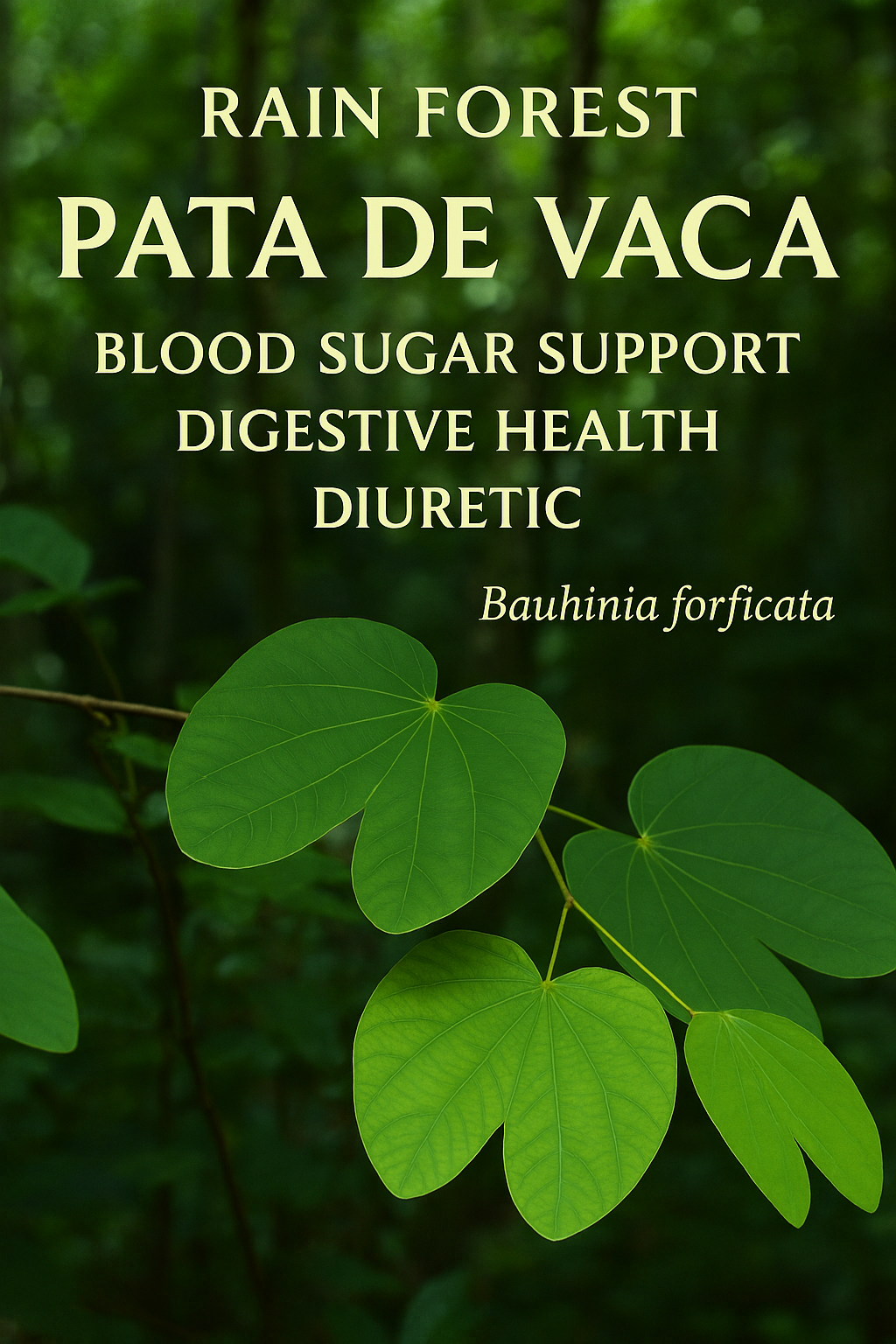
Bauhinia forficata (commonly known as Pata de Vaca or “Cow’s Foot”) has long been utilized in traditional South American herbal medicine as a “Vegetable Insulin” for blood-sugar support and detoxification.
Recent studies confirm its capacity to modulate glucose metabolism through multiple mechanisms: AMPK activation, α-glucosidase inhibition, and hepatoprotective antioxidant activity.
The flavonoid kaempferitrin, the plant’s primary bioactive compound, exhibits strong insulin-mimetic action and antioxidant properties.
The tropical Rain Forest species Bauhinia forficata Link (Fabaceae) — colloquially called Pata de Vaca — is native to Brazil, Argentina, and neighboring regions. Its bilobed leaves resemble a cow’s hoof, hence the name.
Traditionally, decoctions of the leaves have been used for hyperglycemia, urinary inflammation, and hepatic congestion.
Modern biochemical studies corroborate these uses, identifying B. forficata as a potent AMPK activator and antioxidant botanical that supports insulin signaling, glucose uptake, and hepatic detoxification
The botanical’s reputation as “Vegetable Insulin” arises from its demonstrated ability to reduce post-prandial glucose and improve glycemic control in pre-diabetic and insulin-resistant subjects. Its pharmacological breadth aligns with contemporary integrative-medicine strategies that address metabolic dysfunction, mitochondrial oxidative stress, and systemic inflammation.
Clinical Evidence and Traditional Validation
Experimental and human data support B. forficata’s glucose-regulating effects.
Traditional herbalists in Brazil and Argentina have long used Pata de Vaca for hyperglycemia, liver sluggishness, and urinary issues, prescribing it as a gentle detoxifying and glycemic-balancing tea. The modern evidence base now substantiates these applications.
Safety and Regulatory Note:
The herb is generally recognized as safe in traditional use and pre-clinical research, though long-term human studies remain limited. Practitioners should exercise caution when combining B. forficata with pharmacologic hypoglycemics or during pregnancy.
Integrative and Clinical Implications
B. forficata bridges traditional ethnomedicine and modern biochemical validation. It addresses key mechanisms within the Metabolic Chaos™ framework—oxidative stress, hepatic detoxification inefficiency, and impaired glucose metabolism—while supporting HPA-axis balance through its antioxidant and adaptogenic flavonoids.
For clinicians, it may be incorporated as an adjunct in protocols for early-stage insulin resistance, metabolic inflammation, and oxidative liver stress.
Conclusion
The research base for Bauhinia forficata substantiates its long-standing traditional role as a “Vegetable Insulin.” Through AMPK modulation, antioxidant protection, and hepatic support, it contributes meaningfully to the growing integrative focus on metabolic resilience and healthy aging.
As both a clinically validated herb and a compelling Rain-Forest ingredient story, it holds value for practitioners, formulators, and manufacturers seeking to merge traditional wisdom with modern nutritional science.