The Environmental Working Group (EWG) is a nonprofit research and advocacy organization dedicated to empowering consumers with evidence-based tools to reduce environmental exposures. Their Dirty Dozen Guide to Food Chemicals highlights 12 additives and contaminants that contribute significantly to dietary chemical load.
In the context of the Metabolic Chaos™ Blueprint, these exposures represent contributors to total stress load—not root causes—affecting digestion, hormones, detoxification, mitochondria, and inflammatory pathways.
The Official EWG “Dirty Dozen” Food Chemicals
(As listed on the 2025 EWG guide)
- Nitrites and nitrates
- Propyl paraben
- Brominated vegetable oil (BVO)
- Titanium dioxide
- BHA (butylated hydroxyanisole)
- BHT (butylated hydroxytoluene)
- Azodicarbonamide (ADA)
- Potassium bromate
- TBHQ (tert-butylhydroquinone)
- Artificial colors (Red 40, Yellow 5, etc.)
- PFAS in food packaging
- Perchlorate
Each of these compounds has been evaluated for endocrine disruption, mitochondrial stress, inflammatory activation, or digestive burden—key nodes within the Metabolic Chaos™ physiological network.
Why These Chemicals Matter (Metabolic Chaos™ Clinical Lens)
• They add to the body’s total physiological load
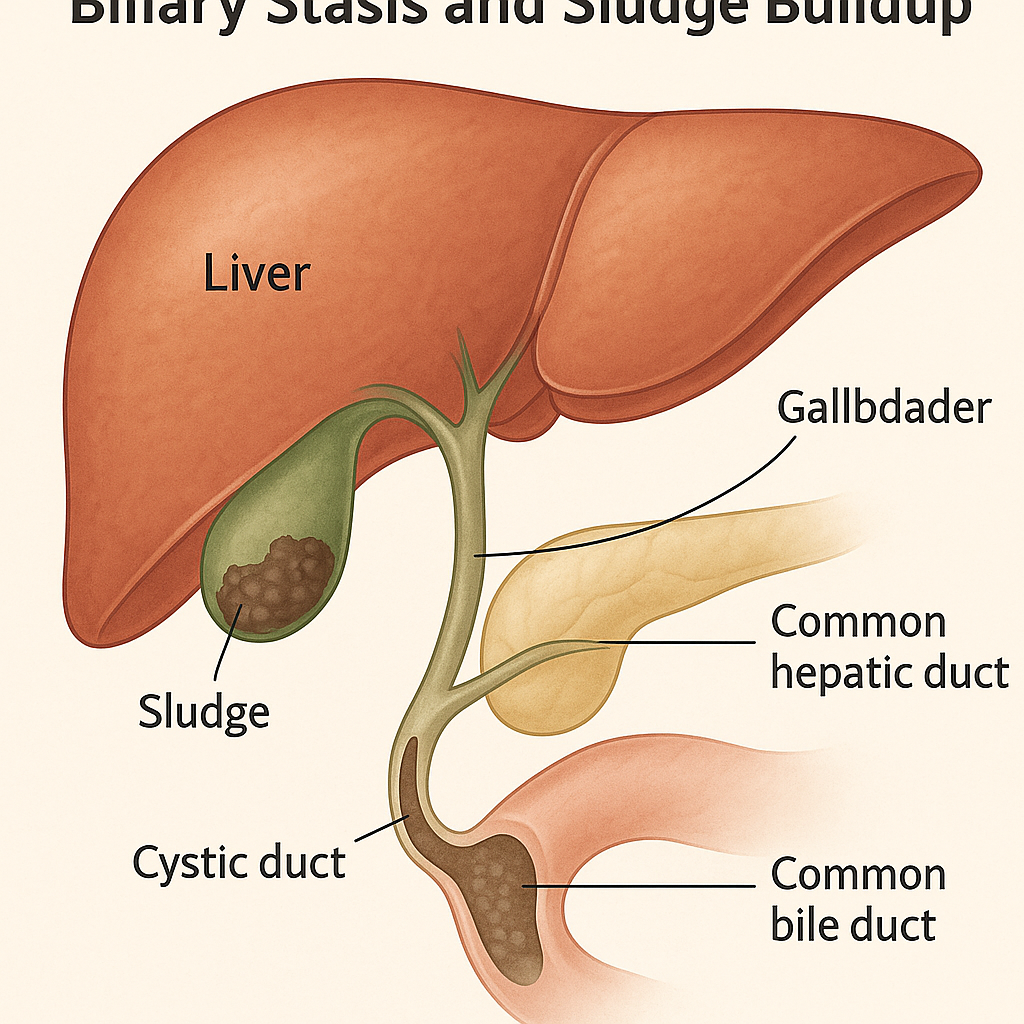
Chronic exposure increases metabolic demand on liver detox pathways (Phase I–III), bile flow, and antioxidant reserves.
• They influence hormonal communication
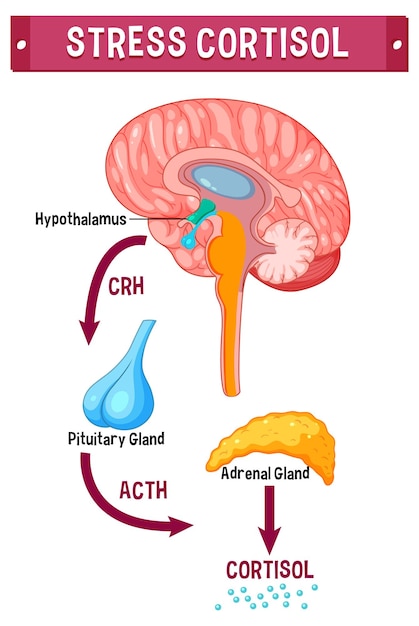
Parabens, nitrates, and synthetic dyes can modulate pathways linked to the HPA axis, estrogen activity, or stress responses.
• They burden digestion and the gut microbiome
Titanium dioxide and persistent PFAS residues may disrupt gut lining integrity and microbiome balance.
• They promote systemic inflammation
BHA, BHT, and TBHQ may elevate oxidative stress, triggering immune activation and inflammatory signaling.
In FDN methodology, we avoid “root cause” narratives and instead understand that these compounds contribute to a terrain of dysfunction when combined with stress, poor sleep, blood sugar instability, nutrient deficiencies, and environmental toxins.
How to Reduce Exposure
Practical, low-stress strategies:
- Prioritize whole foods with minimal processing
- Choose additive-free or certified organic brands
- Reduce PFAS-coated packaging (microwave popcorn, fast-food wrappers)
- Read ingredient labels for dyes, parabens, BVO, TiO₂, and BHA/BHT
- Support digestion (HCl, bile flow, enzymes)
- Hydrate well to support detox pathways
- Stabilize blood sugar to reduce inflammatory cascades
- Maintain consistent sleep and circadian rhythm patterns
Small shifts in food quality can significantly reduce overall physiological burden.
Work With Rob Lamberton
Clinical Services
Professional functional clinical guidance using FDN methodology:
OptimumHealthConsulting.com
Formulation Consulting
Custom formulations, ingredient synergy, functional beverage design, and longevity-focused nutraceuticals:
HealthspanFormulations.com
#RobLamberton #RobertLamberton #FunctionalMedicine #MetabolicChaos #EWG #Nutrition #HolisticHealth