Category: Blood Sugar

Compromised mitochondrial function and the resultant deficit in ATP production is rampant in modern society.

Sub-optimal levels of these conditions are also rampant – often in individuals who would appear to be in a state of good to excellent health.

There are of course many reasons for this state of affairs: age related decline is a given but other stressors such as environmental toxins (including not only chemicals and heavy metals but also factors such as EMF radiation, exposure to blue light, disrupted circadian rhythms, diet, lack of exercise etc.), stress, hormonal dysregulation, and many more.

I would suggest that there is another cause to this challenge: deteriorating age related NAD+ levels.

This latter consideration of sub-optimal mitochondrial function has been something we were not expecting as we have started to get feedback from many practitioners who have been personally consuming our Pricera NAD+ precursor formulation.

Many of these individuals are in apparent good to excellent states of health however within 24-72 hours of starting on Pricera they felt a surge of energy (Pricera’s impact on mitochondrial function), they felt an urge to engage in strenuous exercise, they did so, recovered quickly and felt motivated to engage in exercise again.

An article from the Alive by Nature website discusses a recently published study in Cell Reports in which Jing and co-authors utilized a library of 2,400 drugs to screen for drugs that could restore ATP levels. They successfully identified 15 drugs, influencing a variety of metabolic processes, which significantly increased ATP levels.

Of these, the strongest impact on the production of ATP was NAD+.

The researchers demonstrated that NAD+ activates a transcription cascade that results in

increased expression of mitochondrial proteins involved in ATP production.

I have included the highlights and abstract from Jing’s study at the end of this article.

Jing’s study contributes to a growing body of published research confirming the fact that optimal NAD+ levels are critical for mitochondrial function.

Read More

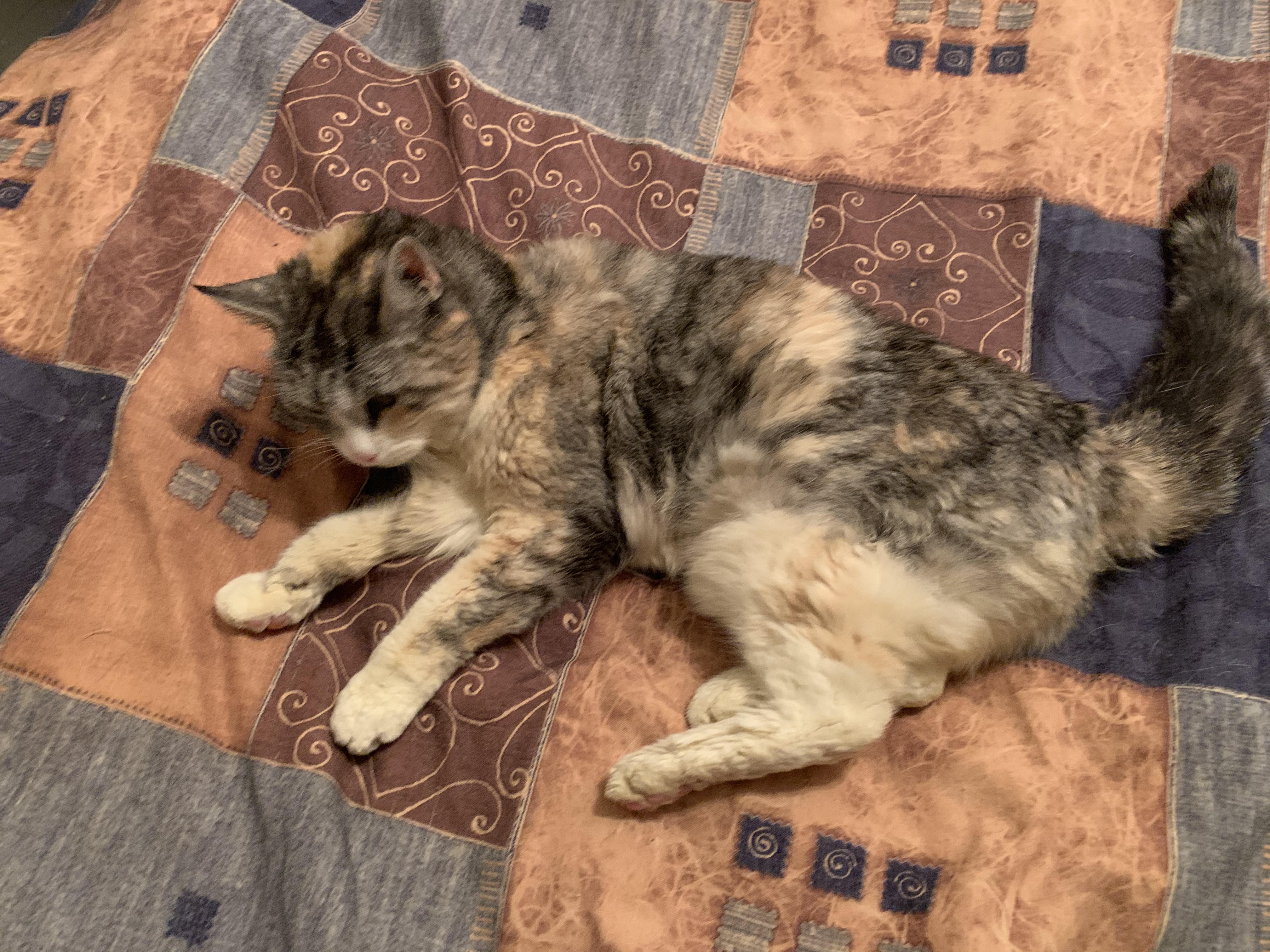
A photo of my little girl Chouette who is now 23 years old which is equivalent to 110 years for humans.

Like all my pets over many decades I have had Chouette on a high quality diet and supplement program which keeps her going.

Last year at the Vet we had to do some blood work on her and the Vet was shocked because her blood work was what they would expect in a cat half her age.


I use these same principles when I am working with clients to help them to reverse their Biological Age.

For more details, check out the Biological Age Reversal page on this website

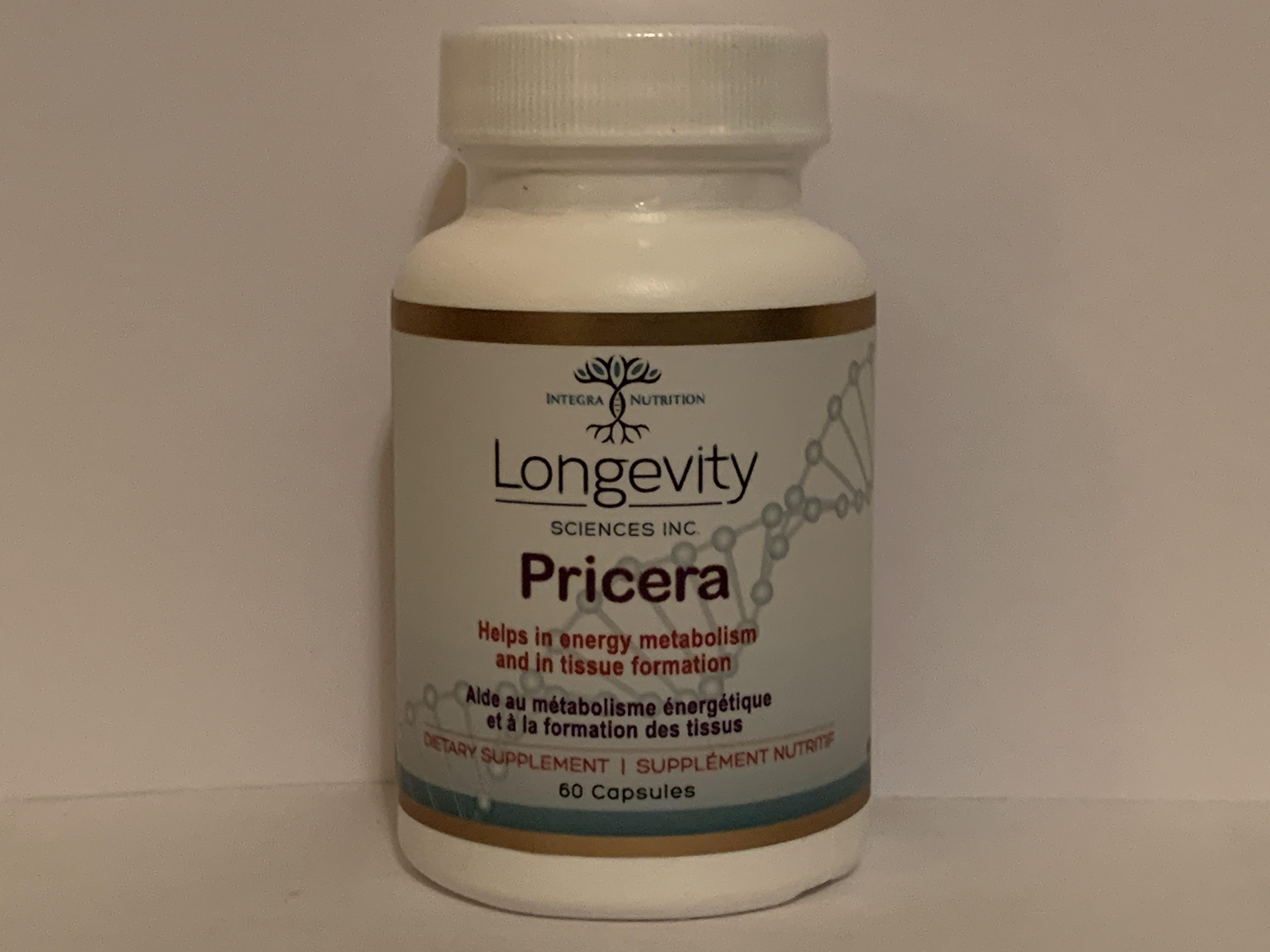
Pricera our NAD+ precursor formulation is now available!


Why maintaining optimal NAD+ levels as we age is critical to our quality of life, healthspan and potentially lifespan  

I wanted to share with you today why I believe that maintaining optimal NAD+ levels is critical for healthy aging, extending healthspan – and potentially lifespan (as has been shown in animal studies).


  “In my opinion, NAD therapy will turn out to be one of the greatest advances in medical science since Fleming developed penicillin”.

Dr. Phil Milgram, MD

NAD+ levels decrease with age:

  • People aged 50 have about 40% less NAD+
  • By the age of 80 years, NAD+ levels decline between 90-98%

NAD+ and the Sirtuin Longevity Genes

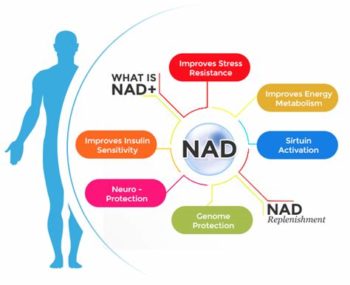
Optimal NAD+ levels are critical for the activation of the Sirtuin longevity genes.

Limited Sirtuin longevity gene activity can lead to an acceleration of the aging process: one example of this is vascular aging.

Vascular aging is responsible for a constellation of disorders, such as cardiac and neurologic conditions, muscle loss, impaired wound healing and overall frailty, amongst others.

Multiple animal studies have demonstrated that increasing sirtuin activity leads to:

•Longer life
•Less age-related loss of function
•Less DNA damage

NAD+ maintains and builds sirtuin levels and activity

Exercise Performance

Another impressive benefit of optimizing NAD+ levels is in the area of exercise:

In a mouse study, the cohort which was supplemented to optimize NAD+ levels it increased their exercise capacity between 56 and 80 percent, compared with untreated mice.

David Sinclair, PhD commented about the results of this study:

“Even if you’re an athlete, you eventually decline,” Sinclair said. “But there is another category of people—what about those who are in a wheelchair or those with otherwise reduced mobility?”

In another study involving elderly men, supplementation with an NAD+ precursor resulted in improved exercise performance:

The men in this study had an 8% improvement in peak isometric muscle torque (a measure of muscle force) and a 15% improvement in fatigue associated with exercise.

Other Research Highlights:  

• Boosting NAD+ biosynthesis by using key NAD+ intermediates is now drawing significant attention for: Alzheimer’s/Type 2 Diabetes/Heart Failure/ Hearing Loss
• NAD+ precursors have been shown to increase stem cell colonies by 75% in the gut of aging mice
• Other studies point to the role of NAD+ in restoring circadian rhythms needed for restorative sleep
• SirT1 overexpression protects against Alzheimer’s and Huntington’s disease as well as ALS

Low NAD+ Levels Can Contribute to the Following:

•Accelerates aging
•Increases sunburn and skin cancer
•Decreases cellular antioxidants
•Decreases metabolism along with thyroid hormones
•Harms immune function
•Increases inflammation
•Impairs brain function
•Can cause hypoxia intracellularly
•Associated with Chronic Fatigue Syndrome
•May worsen weight gain and metabolic syndrome
•May worsen cardiovascular diseases
May contribute to MS (multiple sclerosis)

Why Is It Important to Increase NAD+ Levels?

General Benefits

•Low NAD+ levels can accelerate the aging process
•NAD+ is vital for mitochondrial health
•NAD+ plays a key role in cellular metabolism and energy production
•NAD+ is a rate-limiting co-substrate for sirtuins
•High NAD+ levels are essential for DNA repair and recovery
•NAD+ activates CD38, which is present on many immune cells (white blood cells) and associated with impaired immune responses.
•Enhances autophagy
•Helps maintain redox potential

Specific Conditions

•Positive impact on the Diabesity Spectrum
•Low NAD+ levels may worsen cardiovascular diseases
•Low NAD+ levels may increase inflammation


In my opinion, you cannot age well and extend healthspan without addressing and maximizing NAD+ levels, especially with older patients.

For more information about Pricera or where you can get some reach out to me.

Copyright © 2020 Robert Lamberton

All rights reserved

Health Conditions Which Can Benefit From Increased NAD+ Levels:  

•Alcoholism
•ALS
•Alzheimer’s Disease
•Anxiety
•Benzo Addiction
•Brain Injury
•Cancers
•Chronic Fatigue
•Depression
•Diabesity Spectrum
•Elevated cholesterol levels
•Fibromyalgia
•Hypertension
•IBS
•Immune system activation
•Inflammation
•Lyme’s Disease
•Malabsorption Syndrome
•Methadone Addiction
•Mitochondrial Dysfunction
•Multiple Sclerosis
•Narcotic Addiction
•Neurodegeneration
•Oxidative stress
•Parkinson’s Disease
•PTSD
•Respiratory Allergies
•Schizophrenia
•SIBO
•Skin Allergies
•Stress  
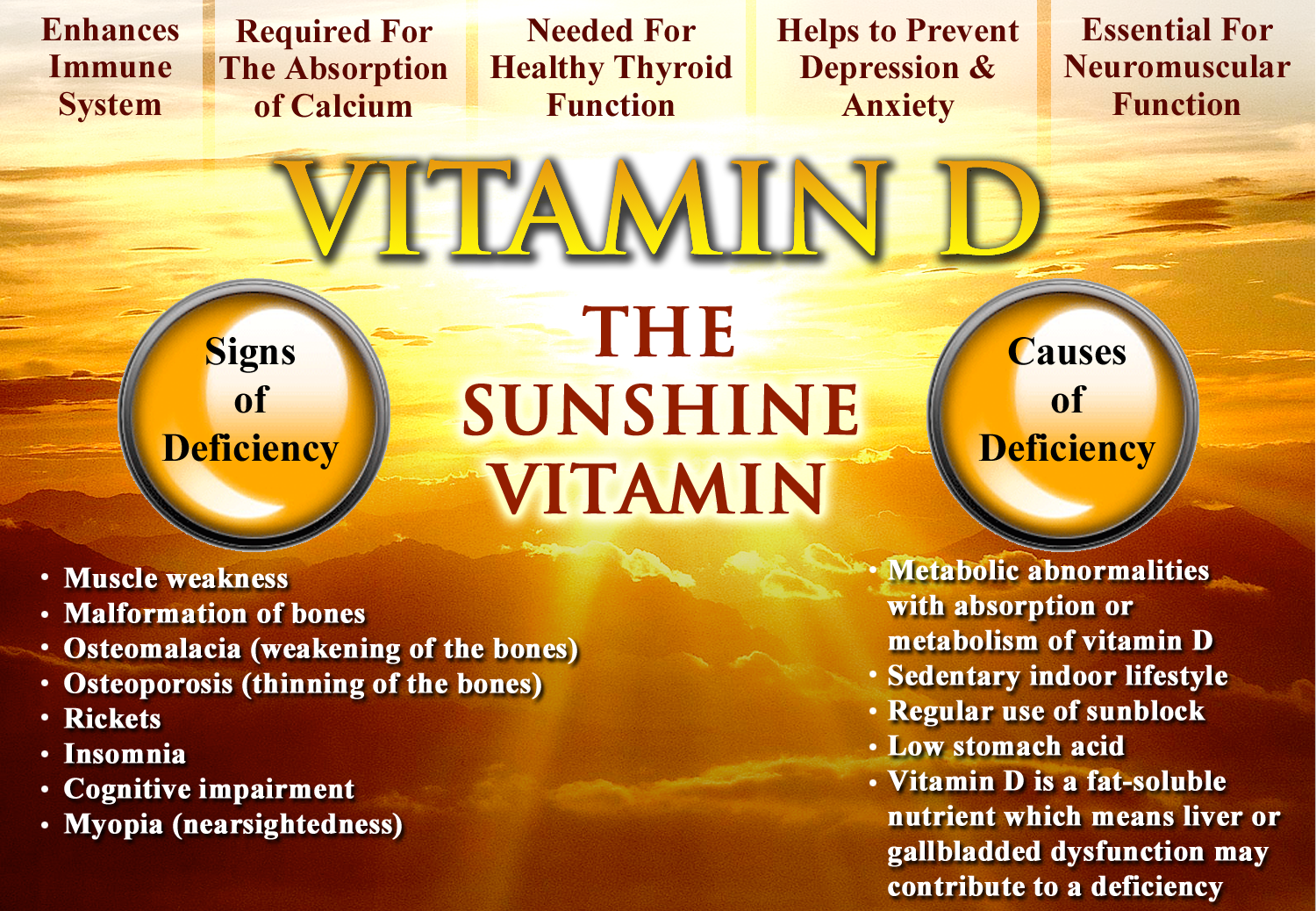
In our continuing series on compounds that can have a positive impact on prevention of viral infections as well as improving response to infections today I want to highlight Vitamin D.

Vitamin D not only acts as a vitamin but also as a prohormone and it influences hundreds of biochemical processes in human physiology.

Following is a press release from the Orthomolecular Medicine News Service which provides details on how Vitamin D could reduce the risk of influenza and COVID-19 infection and death.

Copyright © 2020 Robert Lamberton

All rights reserved

FOR IMMEDIATE RELEASE
Orthomolecular Medicine News Service, Apr 9, 2020

Vitamin D Supplements Could Reduce Risk of Influenza and COVID-19 Infection and Death

by William B. Grant, PhD and Carole A. Baggerly

(OMNS Apr 9, 2020) There are two main reasons why respiratory tract infections such as influenza and COVID-19 occur in winter: winter sun and weather and low vitamin D status. Many viruses live longer outside the body when sunlight, temperature, and humidity levels are low as they are in winter [1].Vitamin D is an important component of the body’s immune system, and it is low in winter due to low solar ultraviolet-B (UVB) doses from exposure and the low supplement intakes of most. While nothing can be done about winter sun and weather, vitamin D status can be raised through vitamin D supplements.

Vitamin D has several mechanisms that can reduce risk of infections [2]. Important mechanisms regarding respiratory tract infections include:

  • inducing production of cathelicidins and defensins that can lower viral survival and replication rates as well as reduce risk of bacterial infection
  • reducing the cytokine storm that causes inflammation and damage to the lining of the lungs that can lead to pneumonia and acute respiratory distress syndrome.

Vitamin D deficiency has been found to contribute to acute respiratory distress syndrome, a major cause of death associated with COVID-19 [3]. An analysis of case-fatality rates in 12 U.S. communities during the 1918-1919 influenza pandemic found that communities in the sunny south and west had much lower case-fatality rates (generally from pneumonia) than those in the darker northeast [4].

Read More

Continuing on with our discussion on strategies to help to protect against viruses in general and the SARS-CoV-2 virus in particular, today I want to highlight zinc.

As I have in previous posts, I want to make it clear that any of these recommendations I share are not intended to suggest that you should not access medical care if you suspect you may have contracted or been exposed to the SARS-CoV-2 virus – or any other serious illness.

Numerous clinical trials have clearly demonstrated that zinc is effective against viruses – including the common cold.

Some MDs have started to incorporate the use of zinc in a protocol which also includes Hydroxychloroquine – an old generation malaria drug with Azithromycin – an antibiotic.

In this anecdotal report from Vladimir (Zev) Zelenko MD who is based in Monroe, NY in his protocol he prescribed 200 mg of zinc sulfate per day for five days for active SARS-CoV-2 virus infections.

Typical zinc supplements are typically approximately 15 – 30 mg per day – this would be for ongoing health maintenance but not necessarily active viral infections.

Recent feedback has shown that the SARS-CoV-2 virus can initially become very active in the nose and throat areas and a zinc spray has traditionally been used for helping to target viral infections in these areas. Zinc sprays are often combined with other ingredients such as echinacea and they are available at most health food stores.

One consideration with respect to zinc consumption is that you need to be careful because there is a balance in the body between zinc and copper.

Some zinc supplements also include added copper – typically approximately 2 mg per day.

Consult a knowledgeable health care practitioner for more precise information on recommended dosages.

Zinc is another compound that we have available to help to maintain our state of health and to help to prevent viral infections – but also it can be a valuable tool for active infections.

There are many simple steps that can be taken to help protect oneself from the SARS-CoV-2 virus.

One of these would be to take some supplemental melatonin.

Melatonin levels decrease as we age and low melatonin levels may be a contributing factor as to why older individuals have more serious health issues with the virus if they become infected.

Melatonin provides many health benefits however one of the key ones as it pertains to the virus is it helps to prevent the cytokine cascade which is typical in those who develop lung damage.

The cytokine cascade is an overreaction of the immune system which can cause significant inflammation and result in the development of acute respiratory distress syndrome (ARDS) .

Here is a link to a good article on this topic from the

Deep Roots at Home website

So taking some melatonin in the evening – approximately 3- 5 mg about an hour before bed will not only help with your sleep but help to protect you from the SARS-CoV-2 virus.

  • IF you are taking ACE inhibitors, have cardiac conditions, hypertension, you need to consult your physician before taking high doses of melatonin.  Melatonin may lower blood pressure and cause hypotension at higher dosages.  
  • IF you are diabetic, or have insulin resistance, DO NOT TAKE MELATONIN before 3 pm.  Melatonin is able to suppress insulin.