Author: Rob

Introduction

In the world of plant-based therapeutic tools, there are a few herbs that carry both historical gravitas and modern-era caution. One of these is Jamaican Dogwood, scientifically known as Piscidia piscipula (sometimes P. erythrina). This West-Indian native tree has been used for centuries in folk medicine for pain, nervous system tension, and sleeplessness. In this article we’ll explore the botany, traditional uses, modern-evidence, safety profile, and clinical considerations for use in integrative practice—always framed within the lens of responsible application.

Botanical & Ethnobotanical Profile

Jamaican Dogwood is a medium-sized tropical tree in the Fabaceae family, native to the Greater Antilles, southern Florida and parts of Central America. sbrmc.adam.com+3en.wikipedia.org+3herbalreality.com+3

The vernacular name “dogwood” is somewhat misleading (it is not the same genus as the common American dogwood). Historically, the bark and root‐bark have been used by indigenous peoples (e.g., the Taíno) and early herbalists for their narcotic-like and analgesic properties (hence the species nickname “fish-poison tree,” since extracts were used to stupefy fish). en.wikipedia.org+1

Herbalists describe the taste of the bark as bitter, acrid, with a slight chemical-like aroma and a tingling burn in the mouth—an indication of its potent pharmacologic nature. herbalreality.com

Traditional Therapeutic Uses

Historically, Jamaican Dogwood has been employed for:

  • Neuralgic pain, migraines, sciatica (especially pain with a nervous component) herbalreality.com+1
  • Insomnia and sleep-disturbance when linked to pain, nervous tension or overexcitement 7song.com+1
  • Muscular spasms and smooth muscle tension (antispasmodic-type) Restorative Medicine
  • Dysmenorrhea or menstrual cramps (in some older pharmacopeias) herbalreality.com
  • Anxiety or nervous excitability (in folk/traditional systems) Planet Ayurveda+1

Mechanisms of Action & Pre-clinical Evidence

While human clinical data are scant, animal and in-vitro studies suggest several relevant pharmacologic actions:

  • Analgesic / anodyne effects: Animals have demonstrated reduced pain response with bark extracts. Restorative Medicine+1
  • Sedative / soporific properties: Some rodent studies show central nervous system depressant effects and induction of sleepiness. Restorative Medicine+1
  • Antispasmodic / smooth-muscle relaxation: Isoflavone constituents of the root-bark have been implicated in uterine/smooth muscle tissue relaxant effects. Restorative Medicine+1
  • Anti-inflammatory: Some early reports of bark extracts showing anti-inflammatory effects in animal models. sbrmc.adam.com+1

But—it must be emphasized—the human clinical trial data are extremely limited, and the herb carries potential toxicity if misused. herbalreality.com

Modern Clinical Considerations & Safety Profile

From a practitioner perspective, Jamaican Dogwood demands respect:

  • Safety concerns: According to sources such as WebMD and RxList, Jamaican Dogwood is likely unsafe when taken orally unsupervised, due to risks of numbness, tremors, salivation, sweating, bradycardia and even respiratory depression in overdose. WebMD+1
  • Interaction risk: Because it has sedative/CNS-depressant properties, it may potentiate other sedative medications (e.g., benzodiazepines, hypnotics). RxList+1
  • Contraindications: Not recommended for children, pregnant or breastfeeding women, or peri-surgical patients due to nervous system/uterine effects. WebMD+1
  • Dosage & form: Traditional dosage data vary widely and are far from standardized. One monograph suggests caution above ~400 mg daily of extract in adults. Restorative Medicine
  • Harvest/sustainability: Some sources indicate risk of over-harvesting and habitat loss for this species when used wild-harvested. herbalreality.com

Practitioner & Integrative Use Strategy

In a functional-medicine or naturopathic practice, Jamaican Dogwood may have a niche role—but with caveats. A typical framework might be:

  1. Assessment of root causes – e.g., neuralgia from metabolic/structural issues, insomnia from HPA-axis dysregulation, etc. Using Jamaican Dogwood purely for symptomatic relief without addressing the “why” is sub-optimal.
  2. Short-term targeted use – designed for acute or sub-acute pain/spasm/insomnia rather than long-term daily use.
  3. Combination formulas – pairing with other herbs that have better safety/long-term profiles (e.g., nervines like chamomile, magnesium support, bodywork for neuralgia).
  4. Strict monitoring – ensuring no dangerous interactions, low baseline blood pressure/heart rate, no concurrent heavy sedative use.
  5. Exit plan – once the acute phase subsides, transitioning to gentler support and addressing structural/metabolic drivers (post-injury neuralgia, compromised sleep hygiene, etc.).

Summary & Clinical Take-Home

Jamaican Dogwood is a potent medicinal herb with a long tradition of use for pain, nervous tension and insomnia—but it is not a “light” herb. The evidence in humans is limited, and the margin for safety is narrower compared to many other botanicals. For the enlightened practitioner, it may serve as a short-term tool in a broader protocol, provided that the underlying causes are addressed, the patient is well-selected, and usage is carefully monitored.

As always: herbal interventions are best integrated into a holistic framework of nutrition, sleep, stress-modulation, movement and structural support—reflecting the art and science of functional medicine.

Formulator’s Perspective:
I help companies and clinicians design functional formulations that merge herbal pharmacology with modern longevity science. If you’re developing a pain-relief or relaxation formula, let’s connect!

👉 More in-depth articles on this and other health topics available at roblamberton.com

References

Jamaican Dogwood – Gaia Herbs blog. Gaia Herbs

Jamaican Dogwood – Uses, Side Effects, and More. WebMD. WebMD

Jamaican Dogwood (Piscidia piscipula / erythrina) monograph. Herbal Reality. herbalreality.com

Jamaican Dogwood (Piscidia erythrina) – Restorative Medicine library. Restorative Medicine

Jamaican Dogwood – RxList. RxList

Jamaican Dogwood – Heart of Wellness article. heartofwellness.org

For years, we heard moderate drinking could benefit the heart. But new research says the risk begins with the first sip (WHO 2022

1. The Evidence

A global analysis of 28 million people found that even one drink daily increases risk for cancer, liver disease, and premature aging. The Canadian 2025 guidelines now classify two drinks per week as “high risk.”

2. Alcohol’s Hidden Sleep Disruption 😴

  • Suppresses melatonin and delays circadian rhythm
  • Reduces REM and deep sleep by 20–40 %
  • Raises cortisol and heart rate overnight
  • Blunts growth hormone and liver detox while you sleep

Poor sleep then worsens hormone balance, mood, and weight regulation — creating a vicious cycle of stress and fatigue.

3. Functional Health Connections

Alcohol → gut permeability → inflammation → oxidative stress → adrenal activation. Together these impair detoxification and mitochondrial function — the foundation of energy and longevity.

4. Practical Steps

  • Experiment with alcohol-free weeks and track sleep with wearables.
  • Support detox with nutrients (glutathione, taurine, B-complex).
  • Use adaptogens or magnesium to relax without the nightcap.

✨ Your sleep is your greatest healer — protect it by reducing the toxic load that starts with “just one drink.”

My Personal Experience

Early in my working career, I was involved in the medical/surgical business and I spent a lot of time sitting in on surgical cases – it was a great education on the power of high tech medicine!

If I was going out for business lunches or dinners with colleagues or clients it was pretty common for everyone to drink!

How times have changed…

How about you? Have you changed your drinking habits based upon the recent research suggesting that no amount of alcohol consumption is safe?


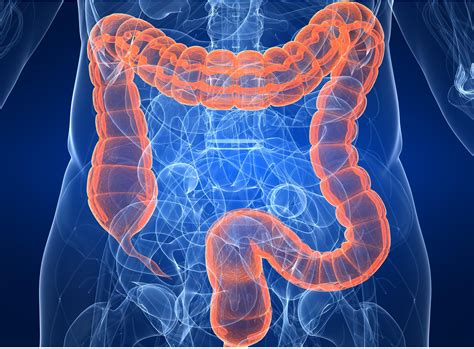
For decades, chronic diseases like diabetes, hypertension, and even cancer were regarded as illnesses of middle or late adulthood. Today, however, the script is flipping—with a striking rise in chronic conditions, notably colorectal cancer, among Millennials (born 1981–1996) and Gen Zers (born 1997–2012).

An Unprecedented Trend: Cancer Rates Are Rising for Young Adults

Recent data reveal a surge in colorectal cancer (CRC) diagnoses among adults under 50 worldwide. The American Cancer Society noted that, in 2023, 20% of all CRC diagnoses occurred in patients younger than 55—double what was seen in 1995. Early-onset CRC rates (diagnosed before age 50) are climbing by 2% per year. Even more troubling, these cancers are often detected at more advanced stages, severely impacting survival rates.

  • CRC is now the No. 1 cause of cancer death in men and the No. 2 in women under age 50.
  • Millennials are twice as likely to be diagnosed with colon cancer and four times as likely with rectal cancer as Boomers at the same age.
  • Death rates among those aged 20–24 have jumped by 185% and by 333% for those aged 15–19 over recent decades.

This trend is not limited to the U.S. Studies across Europe and Asia document similar increases, with early-onset gastrointestinal cancers consistently rising among young people.

Hidden Risks, Delayed Diagnoses

One of the greatest challenges facing Millennials and Gen Zers is the misconception that CRC is primarily an “old person’s” disease. Both younger patients and healthcare providers sometimes dismiss early symptoms—like rectal bleeding or changes in bowel habits—as hemorrhoids, diet issues, or stress. As a result:

  • Over 70% of CRC cases in those under 50 are diagnosed at late stages, reducing five-year survival from 90% (stage 1) to 18% (stage 4).
  • Young people often endure more aggressive treatments, face unique fertility and life-stage concerns, and report higher rates of anxiety, sexual dysfunction, and body image issues after diagnosis.

What’s Driving the Surge?

Researchers point to a “perfect storm” of influences fueling this epidemic:

  • Dietary habits: Western diets high in processed foods, red meats, and low in fiber increase risk.
  • Obesity and sedentary lifestyles: Higher rates of obesity and inactivity among young adults are strongly associated with CRC.
  • Alcohol and tobacco use: Both independently raise the risks for CRC and are on the rise among young people.
  • Environmental exposures and ‘bad luck’: Factors like antibiotic use, early-life gut infections (certain E. coli strains), and environmental pollutants are under study for their potential role in increasing risk.
  • Chronic conditions and genetics: Inflammatory bowel diseases, diabetes, and specific hereditary syndromes (like Lynch syndrome) amplify CRC risk, but most new cases are not linked to a known genetic disorder.

Key Symptoms to Watch For

CRC frequently goes unnoticed until advanced stages, particularly when tumors are on the right (ascending) side of the colon. Everyone—no matter their age—should consult a doctor if they experience:

  • Rectal bleeding or blood in the stool/toilet
  • Unexplained changes in bowel habits (diarrhea, constipation lasting 2+ weeks)
  • Oddly shaped stools (black, narrow, thin, or ribbon-like)
  • Abdominal pain or cramping, feeling of incomplete emptying
  • Unexplained weight loss
  • Weakness, fatigue, or chronic anemia

Early Detection and Prevention: What Young Adults Can Do

  1. Know your family history: If a close family member was diagnosed with CRC (especially before age 50), talk to your doctor about starting screening early—often 10 years before the relative’s age at diagnosis.
  2. Screening saves lives: Most guidelines now recommend adults at average risk begin regular screening at 45 (previously 50). Those with risk factors may need to start earlier. Screening options include colonoscopy, stool DNA tests, and—more recently—FDA-approved blood tests for CRC.
  3. Healthy lifestyles: Adopt a diet rich in fiber (aim for 25g/day), minimize red and processed meat, exercise regularly, avoid tobacco, and limit alcohol to recommended amounts.
  4. Pay attention to symptoms: Don’t ignore rectal bleeding or persistent gut changes. If your doctor dismisses symptoms and they persist, seek a second opinion.

Solutions & Hope for the Future

The surge in chronic disease and CRC among Millennials and Gen Z has led to a wave of innovation:

  • Enhanced screening options: less invasive stool- and blood-based tests, increased insurance coverage for screenings starting at 45.
  • Greater patient advocacy: Groups are boosting awareness and lobbying for policy change.
  • Specialized survivorship care: Programs now provide fertility counseling, mental health support, and practical life guidance for young adults facing cancer.

Health Inequities: Not Everyone Faces the Same Risk

Certain groups—including Black, Indigenous, and Hispanic populations—face higher CRC rates and worse outcomes, exacerbated by disparities in healthcare access, economic factors, and mistrust of the medical system. Addressing these inequities is vital for turning the tide on CRC for all young people.

Final Thoughts

Millennials and Gen Z are at the front line of a new health battle. Early-onset colorectal cancer and other chronic diseases are no longer “rare” in young adults. Lifestyle changes, awareness, and vigilance can make a profound difference. Above all: trust your body and, if something doesn’t feel right, push for answers.

More details on this topic and other health topics:

Visit RobLamberton.com


Key Citations:

FDA/Medicare—Blood-Based Colorectal Cancer Screening

Yale Medicine (2024): “Colorectal Cancer: What Millennials and Gen Zers Need to Know”

American Cancer Society, CA Cancer J Clin (2023)

Cancer Research Institute/American Cancer Society (2024-2025)

Exact Sciences (2024): “Colorectal cancer in young people: what millennials and Gen Z need to know now”

NY Post/British Journal of Surgery (2025)

Overview

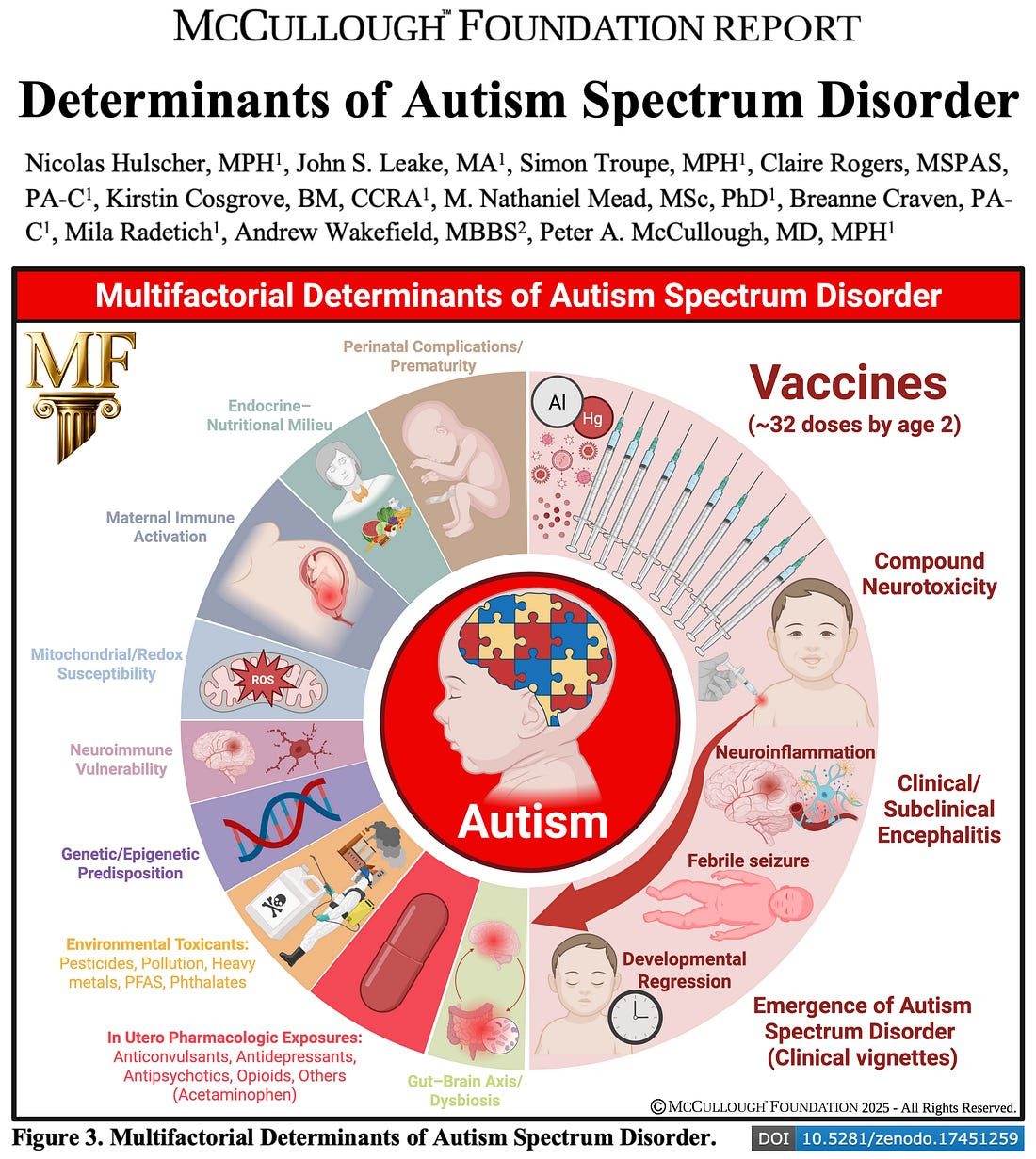
The McCullough Foundation’s latest meta-analysis, led by Nicolas Hulscher, MPH, and a multidisciplinary research team, reviews over 300 studies examining possible causes of autism. This comprehensive synthesis maps genetic, environmental, immune, and vaccine-related risk factors, offering an unprecedented perspective on Autism Spectrum Disorder (ASD).


Key Findings

  • Vaccine Studies:
    Out of 136 scientific studies on vaccines, 107 (79%) found evidence for a possible vaccine-ASD link.
  • Unvaccinated vs. Vaccinated Children:
    Twelve studies directly compared fully vaccinated with completely unvaccinated children; all reported significantly better overall health—including lower ASD risks—in the unvaccinated group.
  • Mechanistic Evidence:
    Studies reveal converging mechanisms such as immune dysregulation, mitochondrial stress, and neuroinflammation triggered by vaccine components during critical periods of brain development.
  • Other ASD Risk Factors:
    Older parental age, prematurity, genetics, toxins, maternal immune activation, drug exposure, and gut-brain axis changes play confirmed but less dominant roles. None fully explain the surge in autism prevalence coinciding with the expansion of pediatric vaccine schedules in the U.S. after 1986.
  • Research Gaps:
    No study has yet reviewed the full cumulative pediatric vaccine schedule for long-term neurodevelopmental outcomes.

Practitioner Insight

As both public demand and clinical questions about ASD continue to grow, practitioners are uniquely positioned to guide nuanced, evidence-informed discussions with families. This report highlights the need for:

  • Thorough evaluation and communication about all potential ASD risk factors—including vaccine-related exposures—while respecting individual family circumstances.
  • Advocacy for comprehensive, unbiased research, especially studies with truly unvaccinated control groups and full-schedule assessments.
  • Monitoring of neurodevelopmental health in patients—especially those with family risk factors or early-life exposures—using both conventional and integrative approaches to prevention and wellness.

Healthcare professionals are encouraged to stay updated on emerging research, support informed shared decision-making, and maintain vigilance for new data guiding practice and policy.


Call to Action

For Practitioners:

  • Review the full McCullough Foundation report and related press releases (see References below).
  • Consider discussing these findings with peers and in professional forums to foster critical dialogue and ethical research priorities.
  • Urge research institutions and policymakers to prioritize long-term studies addressing the cumulative impact of the pediatric vaccine schedule.

For Families and the Public:

  • Seek out reputable sources and read the full report to understand the multifactorial nature of ASD risk.
  • Discuss all health and vaccine decisions—and concerns—openly with trusted healthcare providers.
  • Join advocacy efforts calling for comprehensive autism and vaccine safety research.

Together, the healthcare community and the public can support a new era of transparency and scientific rigor for the benefit of children’s health.


References & Further Reading

Author Acknowledgments:
Nicolas Hulscher, MPH, John S. Leake, MA, Simon Troupe, MPH, Claire Rogers, MSPAS, PA-C, Kirstin Cosgrove, BM, CCRA, M. Nathaniel Mead, MSc, PhD, Bre Craven, PA-C, Mila Radetich, Andrew Wakefield, MBBS, and Peter A. McCullough, MD, MPH, with thanks to the Bia-Echo Foundation.

Medicinal Herbs: Rain Forest: Chanca piedra – Stonebreaker

🌿 Chanca Piedra (“Stone Breaker”)—A Natural Ally for Kidney & Gallstones!

Chanca piedra (Phyllanthus niruri) is prized in traditional medicine for supporting kidney, liver, and urinary tract health. Research suggests it may help dissolve kidney and gallstones and promote overall detoxification.

Key Benefits:

✔️ Breaks down stones and reduces stone formation 💦

✔️ Supports liver and kidney function

✔️ Eases urinary tract discomfort

✔️ Acts as a powerful antioxidant 🍃

Synergistic Herbs & Nutrients:

❇️ Hydrangea root: Traditionally used to support the urinary tract

❇️ Dandelion & Milk thistle: Promote liver and kidney detox

❇️ Magnesium: May help prevent stone formation

❇️ Citrate-rich foods (e.g., lemon juice): Support stone dissolution

❇️ Black cumin (Nigella sativa)

❇️ ALA (Alpha-lipoic acid)

❇️ NAC (N-acetylcysteine)

❇️ Celery seed

❇️ D-Mannose

❇️ Potassium citrate

❇️ Magnesium

❇️ Citric Acid

❇️ Also for gallbladder/bile support such compounds as phosphatidylcholine, choline, methionine, glycine, vitamin C, psyllium, curcumin

When combined, these botanicals and nutrients work synergistically to protect against stone buildup and support your body’s natural cleansing processes.

My Personal (anecdotal) experience:

When my elderly cat (she lived to 23!) developed early kidney disease late in life I developed a kidney support formulation for her – based upon some of these ingredinets plus some others and she never had any further problems.

When some friends/contacts developed kidney and gallstones – some medium sized I put them on my Kidney Support formulation and their stones completely dissolved within 6 months! (confirmed with ultrasound)

From a functional perspective, the key would be to help these individuals to make modifications to their lifestyles to ensure that they did not develop stones in the future.

If you’re a nutraceutical brand, healthcare company, or practitioner developing products in these areas, I help design and optimize formulations backed by science, efficacy, and market differentiation.

Let’s collaborate to bring advanced, evidence-informed products to life.

(Source: Rain-Tree.com/chanca.htm)

#naturalhealth #herbalmedicine #rainforestherbs #naturopathicmedicine #functionalmedicine #kidneystones #gallstones #health #HealthForAll #NaturalHealing #SkinHealth #Detox #productformulations #drainage

By Dr. Richard Z. Cheng, M.D., Ph.D.
Editor-in-Chief, Orthomolecular Medicine News Service
Adapted for RobLamberton.com


⚖️ A Landmark Discovery — And the Question It Didn’t Answer

The 2025 Nobel Prize in Medicine celebrated groundbreaking research explaining how our immune system maintains balance. Scientists discovered how regulatory T cells (Tregs) and the FOXP3 gene keep the immune system from attacking its own tissues — a molecular key to understanding tolerance and autoimmunity.

But while this discovery explains how immune balance is maintained, it leaves unanswered the deeper question:

“Why does this balance so often fail — and why now more than ever?”

That’s where Orthomolecular Medicine comes in.


🌿 The Orthomolecular Perspective: Root Cause Healing

Orthomolecular Medicine looks upstream — at what creates the imbalance in the first place.

Modern living constantly disrupts the redox–metabolic networks that regulate immune function. These aren’t random events. They are predictable biochemical consequences of nutrient depletion, oxidative stress, and toxic exposure — all products of our modern environment and lifestyle.


🍞 1️⃣ Diet: The Everyday Immune Saboteur

The Nobel Prize explained that Tregs calm inflammation.
Orthomolecular Medicine adds: a modern diet rich in processed foods, seed oils, and refined carbs silences those protectors.

High blood sugar and oxidative stress push immune cells toward inflammation. In contrast, whole-food, low-carb, antioxidant-rich diets restore balance and produce butyrate, a compound that reactivates FOXP3 — the immune system’s peacekeeper.

✅ Within weeks, better nutrition and movement can restore immune balance at its source — often achieving what billion-dollar drugs attempt to mimic.


☀️ 2️⃣ Micronutrients: The Foundation of Immune Tolerance

  • Vitamin D3 activates the FOXP3 gene through the vitamin D receptor.
  • Vitamin C helps “unmethylate” and stabilize this gene via enzyme activation.
  • Niacin (vitamin B3) and butyrate promote immune tolerance through GPR109A signaling.

When these nutrients are low — as they often are — immune regulation falters.
Replenishing them is not “alternative medicine.” It’s cellular maintenance — the foundation of immune resilience.


☣️ 3️⃣ Toxins & Stress: Breaking Redox Control

Air pollution, pesticides, plastics, and chronic stress generate oxidative injury that suppresses FOXP3 and promotes inflammatory dominance.

This toxic overload is one of the hidden autoimmune triggers of our era.
Orthomolecular detoxification — supporting liver, gut, and mitochondrial function — helps rebuild the redox terrain on which immune balance depends.


💥 The Ten Root Causes of Immune Imbalance

  1. Poor diet and metabolic stress
  2. Micronutrient deficiencies
  3. Environmental toxins
  4. Gut microbiome imbalance
  5. Hormonal dysregulation
  6. Chronic stress
  7. Physical inactivity
  8. Overmedication (polypharmacy)
  9. Epigenetic instability
  10. Early-life nutritional deficits

Across all ten, the common denominator is mitochondrial and redox injury.


🌿 How Orthomolecular Medicine Rebuilds Balance

  • Nutrition first: Real food, balanced carbs, rich in antioxidants
  • Micronutrient repletion: Vitamins C, D3, B3, Zn, Mg, Se
  • Detoxification: Reduce toxins, rebuild glutathione, repair the gut
  • Lifestyle optimization: Movement, sleep, stress recovery, hormone balance

These are not fringe therapies — they are biochemical first aid for the modern world.


💡 The Takeaway

The Nobel scientists revealed how the immune system maintains balance.
Orthomolecular Medicine explains why it fails — and how to restore it.

When we repair the terrain, FOXP3 and Tregs do what evolution designed them to do — keep us in balance naturally.


📖 Learn more at Orthomolecular.org