Author: Rob

Here are two resources I want share on this topic have provided me with some clarity:

– An article by Peter McCullough MD MPH

Peter is a highly respected cardiologist who has been quite vocal about the pandemic and it’s after effects ever since it started 

– A podcast by Peter Attia MD which reviews in depth some key studies on this topic – https://tinyurl.tools/e1b95f87

The Takeaway?

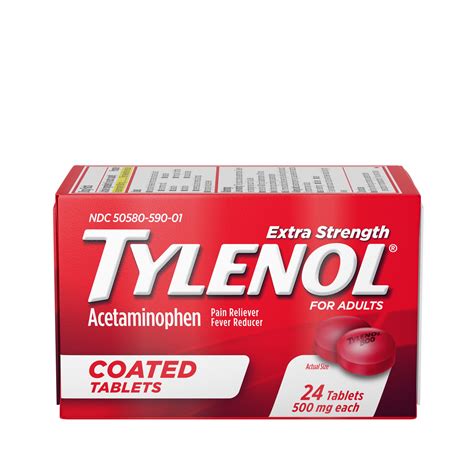
Acetaminophen may have a minor/negligible impact on the development of ASD – Autism Spectrum Disorder – or even none 

Following is the article by Peter McCullough

Confounded Association Between Prenatal Tylenol and Childhood Neuropsychiatric Disorders

Large, Conclusive Swedish Study Finds Relationship, Demonstrates Lack of Independence

PETER A. MCCULLOUGH, MD, MPH

Before the recent HHS press briefing on autism, there was little or no discussion on mainstream, social, or Substack media on acetaminophen use during pregnancy. Many did not know Tylenol is one of many drugs implicated.

An AI search found at least thirty drugs used during pregnancy “linked” to neuropsychiatric problems later on in the child.

There are numerous prenatal drugs and substances that have been associated with increased risk of childhood neuropsychiatric or neurodevelopmental disorders (such as autism spectrum disorder, ADHD, intellectual disability, anxiety, depression, behavioral problems, or cognitive deficits) in the scientific literature. Based on a synthesis of peer-reviewed sources (including systematic reviews, cohort studies, and meta-analyses from PubMed, JAMA, BMJ, and other databases), at least 30 specific drugs have been associated with these risks to varying degrees. Citations are rendered inline where direct sources are available.

Anticonvulsants/Antiseizure Medications (5+ drugs) These are commonly linked to neurodevelopmental risks, especially autism and intellectual disability, due to interference with brain development.

  • Valproic acid/valproate: Strongly associated with ASD (up to 7-fold increased risk), lower IQ, and behavioral disorders.jamanetwork.com +3
  • Carbamazepine: Neural tube defects and potential cognitive delays.womensmentalhealth.org
  • Phenytoin: Linked to developmental delays and cognitive deficits (though evidence is weaker than for valproate).pmc.ncbi.nlm.nih.gov
  • Topiramate: Increased risk of ASD and intellectual disability.med.stanford.edu
  • Lamotrigine: Mixed evidence; some studies show weak links to oral clefts or learning difficulties, but often considered lower-risk.aafp.org +1

Antidepressants (15+ drugs) Prenatal exposure, especially in the first trimester, has been linked to ASD, ADHD, altered brain development, and behavioral issues, though evidence is conflicting and often tied to underlying maternal depression.

  • SSRIs (selective serotonin reuptake inhibitors) as a class: Increased ASD risk (up to 2-fold) and altered pain response or stress axis function.womensmentalhealth.org
    • Fluoxetine: Autism-like behaviors, lifelong behavioral abnormalities, altered serotonin function.
    • Paroxetine: Attention problems, aggression, hyperactivity.
    • Sertraline: Cognitive and behavioral changes.
    • Citalopram: Neonatal distress with potential long-term behavioral effects.
    • Escitalopram: Musculoskeletal defects and psychomotor delays.
  • TCAs (tricyclic antidepressants) as a class: Neonatal syndrome, long-term behavioral changes (e.g., altered social interaction, cognition).
    • Amitriptyline: Developmental delays, central nervous system effects.
    • Clomipramine: Autism-like responses, reduced anxiety in models.
    • Desipramine: Altered behavioral responsiveness.
    • Imipramine: Behavioral changes, altered brain histology.
    • Nortriptyline: Decreased body weight and potential developmental effects (animal models).
    • Trimipramine: Major abnormalities (animal models).
  • SNRIs (serotonin-norepinephrine reuptake inhibitors): Similar to SSRIs; disrupted behaviors.
    • Venlafaxine: Decreased exploratory/social behaviors.
  • Atypical antidepressants: Anxiety-like behaviors.
    • Bupropion: Increased anxiety, stress vulnerability, substance sensitivity.
    • Trazodone: Decreased exploratory/social behaviors.
  • MAOIs (monoamine oxidase inhibitors): Limited data, but linked to ASD.
    • Selegiline: Increased ASD risk.

Antipsychotics (7+ drugs) Associated with neurodevelopmental disorders and learning difficulties, though evidence is emerging and often for neonatal withdrawal rather than long-term effects.

  • Typical antipsychotics as a class: Potential congenital malformations.
    • Haloperidol: Teratogenic risks low, but neonatal effects.
    • Perphenazine: Malformations (low-potency agents).
    • Trifluoperazine: Similar to above.
  • Atypical antipsychotics as a class: Risk of specific neurodevelopmental disorders; neonatal extrapyramidal signs or withdrawal.sciencedirect.com
    • Olanzapine: No major malformations, but neonatal complications.
    • Risperidone: Similar neonatal risks.
    • Quetiapine: Obstetrical/neonatal complications.
    • Clozapine: Limited data; potential malformations.
    • Aripiprazole: Limited data.

Opioids (4+ drugs)Linked to lower cognitive/motor skills, ADHD, and behavioral disorders, though not always substantial increases.  bmj.com +4

  • Methadone: Lower mental development, neurodev impairment.
  • Morphine: Altered stress responses, anxiety-like behaviors.
  • Oxycodone: Similar to morphine; long-term morbidity.
  • Buprenorphine: Neonatal withdrawal, behavioral changes.

Other Medications (3+ drugs)

  • Acetaminophen: Increased risk of NDDs (e.g., autism, ADHD) and other neuropsychiatric disorders.ehjournal.biomedcentral.com +1
  • Benzodiazepines (class): Possible increased risk of learning/neuropsychiatric disorders, cleft lip/palate (weak long-term data).womensmentalhealth.org
  • Synthetic glucocorticoids (e.g., dexamethasone, betamethasone): Attention problems, executive dysfunction, cortical thinning.pmc.ncbi.nlm.nih.gov

As an epidemiologist and a long-standing journal editor, I have become skilled at determining and examining the best and most conclusive sources of evidence among many publications on a topic. The reported link between prenatal acetaminophen use and the development of neuropsychiatric disorders several years later in the child is best evaluated by Ahlqvist et al, JAMA 2024

By Rob Lamberton, BSc, FNTP, FDN-P
Functional Medicine Practitioner & Product Formulator


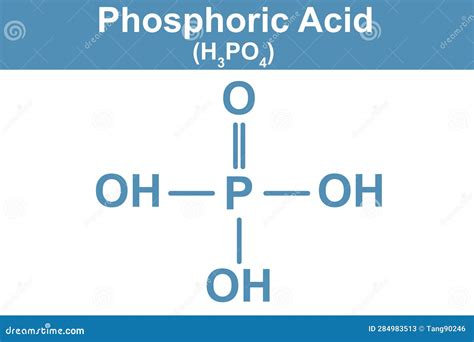
Most people already know that soda isn’t exactly a wellness beverage. But far fewer understand that one particular ingredient — phosphoric acid — may be doing far more harm than the sugar itself.

Used in many cola drinks for its sharp, tangy flavor and as a preservative to inhibit bacterial growth, phosphoric acid has been linked to a range of negative effects on bone, kidney, heart, and dental health.

Let’s look at what the science reveals — and why reducing your exposure could support long-term health and vitality.


🦴 1. Bone Health: The Silent Calcium Drain

Phosphoric acid increases urinary calcium loss, creating a calcium deficit that your body compensates for by drawing calcium from the bones.

Over time, this can lead to bone demineralization, lower bone density, and an elevated risk of osteopenia and osteoporosis — particularly in women.

👉 In the Framingham Osteoporosis Study, women who consumed cola beverages daily had significantly lower bone mineral density compared to non-cola drinkers — even when calcium and vitamin D intake were adequate.

Tucker KL et al., Am J Clin Nutr. 2006;84(4):936–942.


💧 2. Kidney Health: Acid Load and Stone Formation

Phosphoric acid contributes to urine acidification, which can promote the formation of uric acid and phosphate-based kidney stones.

Excess dietary phosphate may also cause renal tubular injury and accelerate renal aging and fibrosis, even in those without existing kidney disease.

Sullivan CM et al., Clin J Am Soc Nephrol. 2017;12(12):2034–2043.

For individuals with reduced kidney function or metabolic issues, this acid load can further compromise the body’s ability to regulate phosphate balance.


❤️ 3. Cardiovascular Impact: Accelerated Vascular Aging

Elevated serum phosphate levels have been associated with vascular calcification, arterial stiffness, and endothelial dysfunction — all precursors to cardiovascular disease.

Even modest increases in phosphate within the high-normal range are linked to greater all-cause and cardiovascular mortality.

Ellam TJ, Chico TJ. Clin Sci (Lond). 2012;122(10):397–407.

Essentially, excessive phosphate may “age” the arteries from the inside out, contributing to premature cardiovascular decline.


😬 4. Dental Health: Erosion Without Sugar

Sugar isn’t the only dental villain. Phosphoric acid is highly erosive to tooth enamel, stripping away minerals that protect against decay.

Even sugar-free sodas can degrade enamel due to their acidity. Over time, this leads to tooth sensitivity, cavities, and enamel thinning.

Barbosa CS et al., J Clin Pediatr Dent. 2020;44(1):22–26.


⚖️ 5. Acid-Base Imbalance and Mineral Depletion

Your body works hard to maintain a stable pH balance. Regular consumption of acidic beverages like soda can lead to low-grade metabolic acidosis, prompting the body to buffer acid by drawing alkaline minerals such as calcium and magnesium from bones and muscles.

This process can contribute to mineral depletion, fatigue, and musculoskeletal discomfort over time.

Bushinsky DA, J Nephrol. 2017;30(2):215–221.


🍭 6. Nutrient Displacement and Metabolic Stress

Every can of soda replaces a more nourishing beverage such as water, mineral water, or herbal tea. The result is reduced intake of key nutrients — and an increase in sugar, caffeine, and phosphate, which together amplify insulin resistance, metabolic syndrome, and weight gain.

Vartanian LR et al., Am J Public Health. 2007;97(4):667–675.


💡 The Takeaway

Phosphoric acid isn’t just a flavor enhancer — it’s a biochemically active compound with real physiological effects.

Even diet sodas, though free from sugar, can still:
✅ Weaken bones
✅ Stress kidneys
✅ Promote vascular calcification
✅ Erode dental enamel

Over time, these effects add up, contributing to premature aging of multiple organ systems.

If you’re looking to protect your long-term health and longevity, start by replacing soda with health-promoting alternatives:

💧 Mineral-rich sparkling water
🍋 Water with lemon or trace minerals
🌿 Herbal infusions or adaptogenic teas

Your bones, kidneys, teeth, and heart will thank you.


📚 References

  1. Tucker KL, et al. Colas, but not other carbonated beverages, are associated with low bone mineral density in older women. Am J Clin Nutr. 2006;84(4):936–942.
  2. Sullivan CM, et al. Phosphate toxicity in chronic kidney disease: new insights. Clin J Am Soc Nephrol. 2017;12(12):2034–2043.
  3. Ellam TJ, Chico TJ. Phosphate: the silent killer? Clin Sci (Lond). 2012;122(10):397–407.
  4. Barbosa CS, et al. Dental enamel erosion by acidic soft drinks: an in vitro study. J Clin Pediatr Dent. 2020;44(1):22–26.
  5. Bushinsky DA. Acid-base imbalance and bone disease. J Nephrol. 2017;30(2):215–221.
  6. Vartanian LR, et al. Effects of soft drink consumption on nutrition and health: a systematic review and meta-analysis. Am J Public Health. 2007;97(4):667–675.

✳️ About Rob Lamberton

Rob Lamberton, BSc, FNTP, FDN-P, is a Functional Medicine Practitioner, Health Consultant, and Product Formulator specializing in longevity and regenerative health solutions.
Through his work, Rob helps individuals and health companies develop science-based strategies that optimize human performance and healthspan.

👉 Learn more at www.roblamberton.com

What Is The Perfect Diet?

Most healthcare practitioners understand that a key component of the healing journey for patients to help them to resolve health issues is to help them improve their diet.

Most practitioners would agree to this concept in principle however there are two challenges regarding implementation:

The first is that most practitioners are busy and don’t really have the time to spend on this topic with patients other than perhaps giving them some handouts or sending them to a website.

(The possible exception being large multi-disciplinary clinics that might have RDs and/or nutritionists on staff that can work with patients.

The second is that the practitioner might not have specialized training in this area and it can be confusing!

A diet that seems to work well for one patient might be disastrous for another patient that has a similar health profile.

Biochemical Individuality

The optimal diet for any patient is a diet that is unique to their biochemical individuality.

This concept of biochemical individuality Is based upon research by individuals such as: Roger Williams, Linus Pauling, Weston A. Price, Bruce Ames.

More recently, William Walcott in 2001 published a book entitled: “The Metabolic Typing Diet” which is still widely available.

In conjunction with the release of this book, his company Health Excel made available an online assessment system which will determine an individual’s biochemical individuality based upon their metabolic type.

This assessment determines whether an individual is sympathetic or parasympathetic dominant or at a cellular level a fast oxidizer or a slow oxidizer.

A comprehensive report is generated that will guide the patient through aspects of an optimal diet for their biochemical individuality.

This is the dietary protocol that I use with my patients in my clinical practice and I find it to produce excellent results.

I will of course use some short term specialty diets If appropriate such as low histamine, keto, etc.

Here is the link where individuals can purchase the Metabolic Typing diet assessment and get their Metabolic Typing report.

If you have found developing dietary recommendations for your patients challenging, the Metabolic Typing system may provide an optimal solution for you and your patients.

Food Sensitivity Testing

One additional key component of dietary recommendations for patients is determining food sensitivities.

The most popular test available in the market is IgG (Immunoglobulin G) which is a blood test which measures levels of IgG antibodies produced by the immune system in response to different types of food.

The MRT Food Sensitivity Test

In my practice, I use the patented MRT food sensitivity test from Oxford Biomedical Technologies in Florida which I believe is significantly superior to IfG testing.

The test measures volumetric changes in white blood cells, as these shrink in response to the release of inflammatory mediators, including cytokines, histamine, leukotrienes, and prostaglandins.

The more the cells shrink, the stronger the mediator release—implying a more significant food sensitivity reaction.

Results are typically shown as color-coded bar graphs, denoting highly reactive, moderately reactive, and non-reactive foods.

Clinical Relevance and Use

What sets MRT apart is that it captures not just antibody-mediated reactions (type III and IV hypersensitivities) but other immune pathways that lead to inflammation and symptoms

This makes MRT especially relevant for conditions associated with chronic, delayed, or dose-dependent reactions, such as IBS, migraines, fibromyalgia, dermatitis, and other inflammatory conditions.

These are the tools that I use in my clinical practice to help my patients in this critical area of dietary recommendations – perhaps they may be of benefit to you also.

Psychedelics – in particular psilocybin are gaining a lot of attention as a therapeutic modality for the treatment of emotional/psychological issues such as anxiety, depression, PTSD, and the emotional stress of terminal illnesses.

Now a new study suggests that it may also act as a potent anti-aging molecule.  

Following is an article from Rhonda Patrick PhD on this topic. 

Rhonda hosts a very popular podcast and puts out a newsletter which is well worth checking out.

Here is a link to her website.

In a new study, psilocybin showed exciting potential as an anti-aging molecule. Human cells treated with psilocin (the active form of psilocybin) lived up to 57% longer, experienced less DNA damage, had lower stress at the cellular level, and maintained healthier telomeres—the protective caps on our DNA associated with longevity.
 Older mice given monthly psilocybin doses lived significantly longer (80% survival vs. 50% in untreated mice) and looked visibly younger, with fuller, healthier fur and less gray hair.

 No matter your stance on psychedelics, including the fact that they’re a Schedule I substance, these findings provide tantalizing new evidence that may open a path toward ‘psychedelic-assisted senotherapeutics’ for healthy aging

Psilocybin as a Longevity Molecule

Should we expand our thinking about psychedelics as more than just tools for mental health? It’s true that psilocybin has primarily been investigated for mental health conditions, including depression and anxiety, and even for neurodegenerative diseases like Alzheimer’s, where clinical evidence supports robust improvements in outcomes for as long as 5 years after just a single high dose.

Through its active metabolite psilocin, psilocybin exerts profound effects on the brain and mental health by acting as a serotonin 2A receptor agonist, triggering downstream glutamate release and enhancing neuroplasticity.

This leads to reduced activity in the default mode network (DMN), a brain region linked to rumination and depression, fostering a shift toward present-moment awareness and reduced self-referential thinking, akin to effects seen in long-term meditation. 

In controlled settings, psilocybin induces mystical-type experiences characterized by interconnectedness, sacredness, and authenticity, which result in rapid, sustained reductions in anxiety and depression. These experiences also increase the personality trait of openness, suggesting lasting neuroplastic changes that may disrupt maladaptive neural patterns, with emerging evidence even indicating potential neurogenesis in the hippocampus.

 What if these improvements in mental health, reductions in chronic stress, and fewer negative emotional states indirectly mitigate physiological aging processes? That’s exactly what this new study suggests. It might be time to think about psilocybin as a longevity molecule.   Psilocin and Psilocybin

Extend Lifespan in Cells and Mice

The study involved in vitro and in vivo components—investigating psilocybin’s effects in isolated cells and in mice.

 For the in vitro study, human lung and skin cells were exposed to psilocin—the metabolite that’s produced after psilocybin is ingested and metabolized by the body. Other cells were exposed to a control treatment, and both treatments continued until the cells reached replicative senescence—a state where cells become “old,” stop dividing, and enter a permanent growth arrest. It occurs after a finite number of cell divisions, often due to the progressive shortening of telomeres (protective DNA caps at chromosome ends) with each division. Senescence is a well-recognized “hallmark of aging.”

 Psilocin extended the lifespan of cells by 29%, effectively slowed the exhaustion of their replicative capacity, increased the number of cell doublings, and reduced the cells’ doubling time. Cellular lifespan extension was enhanced even more when a higher dose (10x the initial dose) was used, with a 57% increase observed compared to untreated cells. Psilocin also delayed cellular senescence.

 Even more remarkable was the impact of psilocin on the “hallmarks of aging” and age-related cellular changes. For one, psilocin reduced the activity of β-gal and markers of cell cycle arrest and increased the activity of markers of cell proliferation and DNA replication. Psilocin also elevated sirtuins (i.e., SIRT1) and reduced markers of DNA damage and oxidative stress in a dose-dependent manner.

Lastly, psilocin reduced one of the most well-established markers of cellular aging—telomere shortening. While the telomeres of the untreated cells were naturally shortened during cell senescence (as occurs in human aging), the telomeres of the psilocin-treated cells were preserved. ­

For the in vivo study, 19-month-old female mice (which corresponds to about age 60–65 in humans) were given a monthly dose of psilocybin for 10 months: 5 mg/kg for the first month and then 15 mg/kg thereafter.
 During the treatment period, 80% of mice who were given psilocybin survived while only 50% of the non-treated mice survived—a meaningful difference in survival rate between the two groups. Furthermore, psilocybin enhanced some physical features of the mice, including improvements in fur quality, hair growth, and less white hair and hair greying. So not only did they live longer, but they looked younger too (and who doesn’t want that?)

 Collectively, these results reveal something novel and exciting about psilocybin—it appears to be having direct effects on mechanisms of cellular aging that are independent of its psychedelic properties. 
 However, the mind-altering nature of psilocybin might also indirectly impact how we age. ­  

Tying Psilocybin’s Anti-Aging Effects to Depression and Mental Health

When we talk about aging and its causes, the focus is typically on intrinsic biological processes, the role of physical inactivity, and the effects of diet and other lifestyle factors. Of course, each of these plays a profound role in how quickly (or how slowly) we age and therefore, our healthspan and lifespan.

 But mental health is also crucial for healthy aging. Indeed, depression and anxiety have been linked to shorter telomeres, a greater risk of chronic diseases, and even mortality. This indicates that psychological (dis)tress likely accelerates biological aging at the cellular level. On the other hand, positive psychological states are associated with telomere lengthening and lower rates of disease.

 This is where psilocybin enters the picture as a potential longevity molecule.

 The Psilocybin-Telomere Hypothesis posits that psilocybin may have a measurable, beneficial effect on biological aging by lengthening telomeres. The hypothesis is based on two well-established premises. The first is that depression and chronic stress are associated with shortened telomeres, and shorter telomeres are linked with age-related diseases and mortality.

Second, psilocybin has clinically documented antidepressant and stress-reducing effects. Therefore, if psilocybin reduces depression, and depression shortens telomeres, then psilocybin may help preserve or even lengthen telomeres. By inducing positively valenced, and sometimes even life-altering, psychological experiences, psilocybin may leave “quantifiable marks at the molecular genetic [and] epigenetic level.”

 Though it’s just a hypothesis, several lines of evidence support the idea that psilocybin exerts biological anti-aging effects, with pathways including:  Reduced rumination and depression, both of which are linked to telomere shortening. Downregulation of the default mode network (DMN), which is overactive in depression. Increased neurogenesis and neuroplasticity, particularly in the hippocampus.

Elevated levels of BDNF to support neuron survival and greater telomerase activity. Reduced inflammation and oxidative stress, which are implicated in telomere erosion. Modulation of the serotonin system (the 5-HT2A receptor and serotonin transporter gene SLC6A4), which is linked to depression and stress resilience.

 Lending further support to this hypothesis is research on meditation—an intervention that induces similar states of consciousness to psilocybin therapy—which also prevents telomere attrition and even lengthens telomeres in some cases.

The late Dr. Roland Griffiths refers to psilocybin-assisted therapy as a “crash course in meditation,” abruptly shifting consciousness to reveal alternative ways of perceiving reality. Dr. Elizabeth Epel and others propose that “some forms of meditation may have salutary effects on telomere length by reducing cognitive stress and stress arousal and increasing positive states of mind and hormonal factors that may promote telomere maintenance.”

 While psilocybin and meditation aren’t identical in their therapeutic effects, it’s clear that our psychological state influences our biology, and therefore our speed of aging. If you’re interested in learning more about psilocybin and other psychedelic therapies, check out my interview with the late Dr. Roland Griffiths.  

Final thoughts

Regardless of your stance on psychedelics, this study is a tantalizing glimpse into new frontiers for healthy aging. It suggests psilocybin could be a novel tool in combating age-related decline.
 
However, it’s critical to note that psilocybin remains a Schedule I controlled substance in many jurisdictions, including the United States, where it is illegal outside of approved research settings due to its psychedelic properties. While the science is exciting, any exploration of psilocybin’s therapeutic potential will have to await further studies and regulatory changes.
 
The interconnectedness of mind and body when it comes to health is indisputable, and that’s perhaps what makes psilocybin and other psychedelic-assisted therapies so intriguing as longevity interventions, even though we might not think of them as such. 
 
Whether it’s psychedelics or meditation, our subjective experiences are intimately tied to biological aging. When you “change your mind,” you also change your cells.

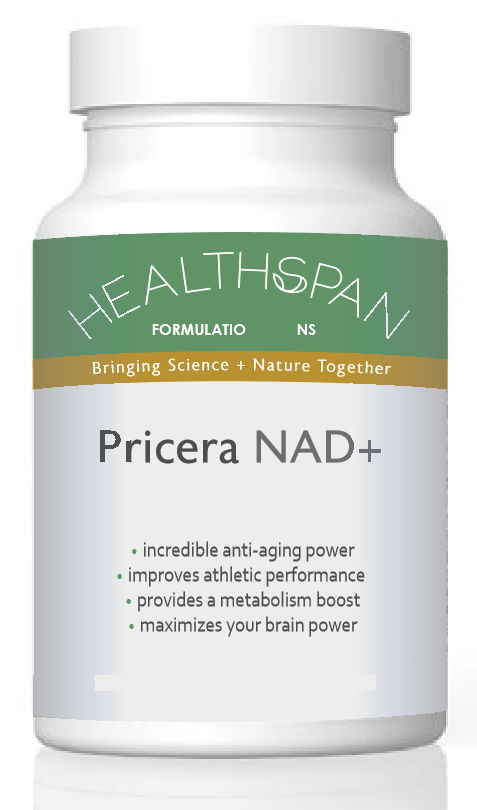
NAD+ – Nicotinamide Adenine Dinucleotide is a co-enzyme present in every cell in the body and it is vital for cellular function.

Like hormones and other endogenous compounds in the body, NAD+ levels decrease as we age however they decrease precipitously with NAD+: down 50% at the age of 50 and down 90 – 96% at the age of 80.

One of the key functions of NAD+ is to activate the Sirtuin longevity genes which as the name implies are important for healthy aging. Without adequate levels of NAD+ to activate the Sirtuin genes, vascular aging accelerates.

We can help to optimize our NAD levels as we age by engaging in exercise and as well by fasting.

Another way to optimize NAD+ levels is to take a precursor formulation.

Taking NAD+ itself is not effective because it gets broken down in the digestive system.

Optimizing NAD+ levels as we age has been shown to provide many health benefits including:

KEY APPLICATIONS

• Neurodegenerative conditions e.g. Parkinson’s
• Inflammation
• Addictions
• Chronic Fatigue Syndrome
• Exercise performance and recovery
• Immune system activation
• Diabesity Spectrum
•Mitochondrial dysfunction
• Hypertension
• Elevated cholesterol levels
• Depression
• Oxidative stress

For more information on NAD+, the Sirtuin longevity genes and NAD+ precursor formulations such as our top selling practitioner quality Pricera formulation reach out to me – or review some of the info on our website:

https://roblamberton.com

Or in the following document on Pricera:

https://lnkd.in/gxS9RJDv

Recently I decided to check my blood pressure which I had not done for a while. My BP has always been pretty good throughout my life: Typically systolic would be 115 to 120 over diastolic of 70 to 80. I was shocked to find that my BP that my systolic reading was between 145-155. Diastolic was fine: between 70 and 80 So obviously this situation called for some action to bring my systolic BP down.

Here is a quick review/overview of hypertension from the American Heart Association website:

High blood pressure threatens health and quality of life

In most cases, damage done from high blood pressure (HBP or hypertension) occurs over time. Left undetected or uncontrolled, high blood pressure can lead to:

  • Heart attack — High blood pressure damages arteries that can become blocked and prevent blood flow to the heart muscle.
  • Stroke — High blood pressure can cause blood vessels that supply blood and oxygen to the brain to become blocked or burst.
  • Heart failure — The increased workload from high blood pressure can cause the heart to enlarge and fail to supply blood to the body.
  • Kidney disease or failure — High blood pressure can damage the arteries around the kidneys and interfere with their ability to filter blood effectively.
  • Vision loss — High blood pressure can strain or damage blood vessels in the eyes.
  • Sexual dysfunction — High blood pressure can lead to erectile dysfunction in men and may contribute to lower libido in women.
  • Angina — Over time, high blood pressure can lead to heart disease including microvascular disease (MVD). Angina, or chest pain, is a common symptom.
  • Peripheral artery disease (PAD) — Atherosclerosis caused by high blood pressure can lead to narrowed arteries in the legs, arms, stomach and head, causing pain or fatigue.

Download the consequences of HBP infographic: English (PDF) | Spanish (PDF) | Traditional Chinese (PDF)

Can hypertension cause other problems?

When your blood pressure is high for too long, it damages your blood vessels – and LDL (bad) cholesterol begins to accumulate along tears in your artery walls. This leads to narrowed arteries and increases the workload of your circulatory system while decreasing its efficiency.

As a result, high blood pressure puts you at greater risk for developing life-changing and life-threating conditions. My Treatment Protocol to Lower My BP

Obviously, it makes sense to try to address the cause of health issues such as lifestyle considerations and that certainly applies in the case of cardiovascular disease.

However for brevity, I will focus this article on supplements and ingredients for treating hypertension.

There is a spectrum of medicinal herbs as well as other compounds that have been shown to be beneficial for cardiovascular conditions.

Based on my research and clinical experience, I would suggest that the top three medicinal herbs in the world for dealing with cardiovascular disease include a medicinal herb from each of the three major medical systems: The West, Ayurvedic medicine and Chinese medicine.

From the West,Hawthorn, from Chinese Medicine,

Red Salvia Root (Dan Shen)and from Ayurvedic Medicine, Arjuna.

So my first step in my protocol was to start taking my own Heart Health formulation which includes each of the top 3 CV herbs but also the following medicinal herbs and compounds:

Tienchi Ginseng (Panax notoginseng), Jiaogulan,

Shilajit, Motherwort, Ashwagandha and Chromium Picolinate

In addition to this, I wanted to target/increase nitric oxide levels (for blood vessel dilation) so I started taking a combination of the amino acid L-Citrulline as well as beet root powder.

Plus I started taking one additional key compound:

celery seed powder which has been shown to be effective in lowering BP

So I followed this protocol for seven days –

And reassessed my BP and it had gone down to an average of 125/72 – an improvement of over 20 points – without any pharmaceuticals.

CVD is a multi-factorial prevalent cause of health issues as well as death however integrative approaches can work quite well to facilitate improvement.

Reach out to me if you have any questions or want more information.