Live Well, Live Long

Learn whats going on in the world of cutting edge health news

Sign up for Health News

I have just had two more articles published in Today’s Practitioner Magazine!

Today’s Practitioner magazine is a free online practitioner magazine dedicated to advancing integrative medicine – I am a regular contributing author.

My two latest published articles:

Lithium Orotate and Brain Health

https://todayspractitioner.com/…/lithium-orotate-and…

Treating Kidney Stones with Chanca piedra (Phyllanthus niuri (Stonebreaker)

https://todayspractitioner.com/…/reducing-kidney…

For more health news, check out my website:

http://roblamberton.com

By Rob Lamberton, BSc Biology, FNTP, FDN-P (candidate)
#RobLamberton #RobertLamberton


🧠 What Is AoPWV?

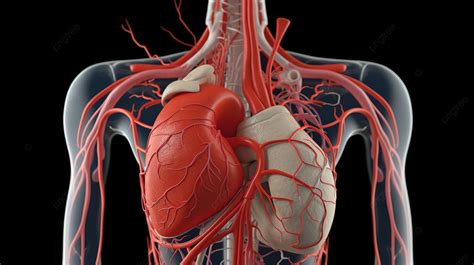
Aortic Pulse Wave Velocity (AoPWV) measures the speed at which the pulse wave travels through the aorta — directly reflecting arterial stiffness and vascular aging.
Unlike cholesterol levels or blood pressure alone, AoPWV provides a functional measure of vascular elasticity, the key determinant of cardiovascular resilience.


📊 The Global Standard

The Reference Values for Arterial Stiffness Collaboration published the landmark study:

European Heart Journal (2010; 31:2338–2350) — “Determinants of pulse wave velocity in healthy people and in the presence of cardiovascular risk factors.”

This study established age- and blood-pressure-adjusted norms for carotid-femoral pulse wave velocity (cfPWV), now recognized worldwide as the clinical gold standard for arterial stiffness.


💪 Maintaining Arterial Flexibility

  • Engage in regular aerobic and resistance training
  • Support nitric oxide production with beetroot, pomegranate, and leafy greens
  • Manage stress and prioritize deep restorative sleep
  • Include polyphenols (pomegranate, resveratrol, olive leaf) and omega-3s for endothelial protection
  • Ensure optimal magnesium and K2 for calcium regulation and arterial elasticity

🧬 Why It Matters

AoPWV identifies vascular aging years before clinical symptoms appear — enabling early lifestyle or nutraceutical intervention.

Monitoring this marker empowers individuals to maintain cardiovascular flexibility, reduce disease risk, and extend healthspan as well as lifespan.

My Clinical Experience

If you would like to know more about my functional approach that I use to help clients deal with health issues, maintain a good AoPWV and optimize their health, reach out to me.

🔗 Learn more at: roblamberton.com

#AoPWV #CardiovascularHealth #VascularFlexibility #Longevity #HeartHealth #FunctionalMedicine #IntegrativeMedicine #RobLamberton #RobertLamberton

By Rob Lamberton, BSc, FNTP, FDN-P (Candidate)
Product Formulator & Functional Health Consultant | roblamberton.com

🌿 Ancient Wisdom Meets Modern Science

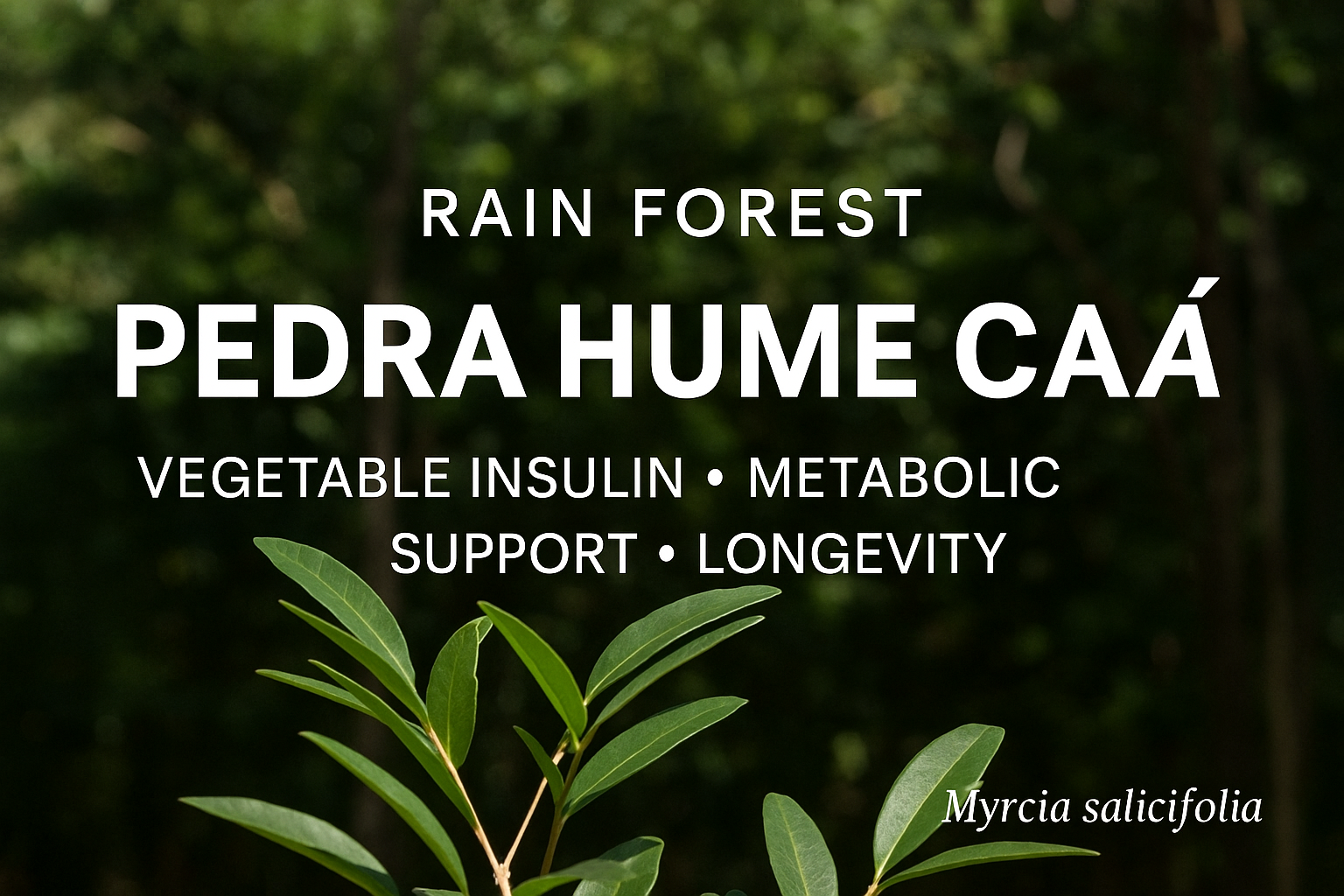
In the Amazon and Brazilian forests, the medicinal herb Pedra Hume Caá — often called the “vegetable insulin” — has long been valued for its ability to balance blood sugar and strengthen kidneys and liver. Modern phytochemical studies confirm its effects on alpha-glucosidase inhibition, antioxidant defense, and insulin sensitivity (Rain-Tree

🧠 Key Traditional Uses

🌿 Supports glucose regulation and metabolic balance
💧 Assists kidney and urinary detoxification
🔥 Reduces inflammation and oxidative stress
🩺 May help normalize lipid and blood-pressure levels


🧬 Phytochemistry & Mechanisms

Pedra Hume Caá contains potent flavonoids and polyphenols — including myrciacitrins, myrciaphenones, quercitrin, catechin, and gallic acid.
Mechanisms include:

  • Inhibition of α-glucosidase & α-amylase → slower carb absorption
  • Improved insulin receptor sensitivity and AMPK activation
  • Protection of liver and kidney tissue via antioxidant enzymes

💡 Formulator’s Insight

As a Product Formulator & Functional Health Consultant, I view Pedra Hume Caá as a cornerstone medicinal herb for metabolic and longevity formulas. It pairs well with:

  • Berberine, Gymnema, Cinnamon, Chromium, Gymnemna sylvestre, Bitter Melon for glycaemic support
  • ALA, CoQ10, PQQ for mitochondrial protection
  • Rhodiola & Ashwagandha for stress-axis stability

⚠️ Because of its hypoglycaemic effects, monitor closely when combined with antidiabetic or antihypertensive agents.


⚖️ Safety Profile

Human and animal data show low toxicity at traditional doses. Avoid during pregnancy or in hypoglycaemia. Standard use: leaf tea (1 cup 2-3× daily) or 1–2 g leaf capsules per meal.


My Personal Experience Clinical Experience: (anecdotal)

Pedra Hume Caá includes compounds referred to as Aldose reductase inhibitors (ARIs) which are substances that act on nerve endings exposed to high blood sugar concentration to prevent some of the chemical imbalances that occur and thus protect the nerves.

I have prescribed to patients dealing with blood sugar/diabetes issues  – as part of a complete functional approach a blood sugar/diabetes formulation I developed which includes Pedra Hume Caá and within 24 – 48 hours their neuropathic pain in their legs and feet disappeared after many years of discomfort.

📚 Key References

  1. Rain-Tree Tropical Plant Database – Pedra Hume Caá (Myrcia spp.), 2025.
  2. Figueiredo-González M et al. J Pharm Biomed Anal. 2016; 118:322-327.
  3. de Oliveira A et al. J Appl Pharma Sci. 2015; 5:89-93.

🤝 Work With Me

I help nutraceutical companies and clinics design science-driven products using medicinal herbs that optimize metabolic health, cognition & longevity. Let’s collaborate on your next evidence-based formula – plus I have well developed supply chains to access these lesser known but very powerful medicinal herbs.

🌐 roblamberton.com

FormulationScience #MedicinalHerbs #MetabolicHealth #IntegrativeHealth #BotanicalMedicine #Longevity #ProductFormulator #RobLamberton #RobertLamberton

By Rob Lamberton, BSc, FNTP, FDN-P (Candidate)
Product Formulator & Functional Health Consultant
roblamberton.com

🌿 Rediscovering a Forgotten Element

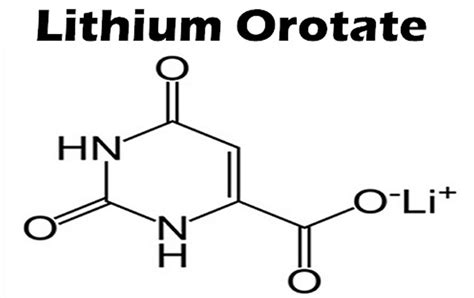
Lithium — one of Earth’s simplest elements — has an unexpectedly profound relationship with human biology. For decades, lithium carbonate (LC) has been prescribed in psychiatry as a potent mood stabilizer. But recent research has reignited interest in a far gentler form: lithium orotate (LO), a micro-dose compound now being explored for its potential neuroprotective and longevity benefits.

A 2025 Nature study from Harvard Medical School revealed a startling finding: brain lithium deficiency correlated with Alzheimer’s-like changes in both human and animal brain tissue. Even more striking, when researchers administered low-dose lithium orotate, it reversed these pathological changes, improved mitochondrial health, and restored memory function in Alzheimer’s-model mice (Aron L et al., Nature, 2025).

This study, along with several human and ecological data sets, is reframing lithium not as a psychiatric drug — but as a trace brain nutrient essential for long-term neurological integrity.


🧬 How Lithium Protects the Brain

At micro levels, lithium interacts with cellular pathways that regulate neuroplasticity, mitochondrial function, and oxidative stress. Its key actions include:

  • GSK-3β modulation, reducing tau phosphorylation and amyloid plaque buildup (major Alzheimer’s mechanisms)
  • Upregulation of BDNF, supporting neurogenesis and synaptic repair
  • Stabilization of neuronal calcium and glutamate signaling, improving stress tolerance and mood regulation
  • Reduction of neuroinflammation, preserving mitochondrial DNA integrity

A landmark 15-month human trial (Nunes MA et al., J Alzheimer’s Dis., 2013) showed that micro-dose lithium stabilized cognition in Alzheimer’s patients versus placebo. Meanwhile, global population studies (Fraiha-Pegado J et al., Nutrients, 2024) show that communities with higher trace lithium levels in drinking water have lower rates of dementia and suicide.

Together, these data suggest that trace lithium plays a subtle but essential neuroprotective role — one that may help safeguard cognitive longevity.


⚖️ Lithium Orotate vs. Lithium Carbonate: The Critical Distinction

While both compounds deliver the same elemental ion (Li⁺), their pharmacology, safety, and intended use differ dramatically.

Lithium Orotate (LO)

  • Available as an over-the-counter supplement
  • Typically delivers ~5 mg elemental Li⁺ per capsule
  • Used at micro-doses for nutritional and neuroprotective support
  • Human data indicate a low toxicity profile at these doses (Murbach TS et al., Regul Toxicol Pharmacol., 2021)

Lithium Carbonate (LC)

  • Prescription medication for bipolar disorder and mood stabilization
  • Provides 100–300 mg elemental Li⁺ daily
  • Requires regular blood-level monitoring
  • Associated with renal and thyroid toxicity during long-term use (Gong R et al., Kidney Int Rep., 2016)

Both provide lithium — but their dose magnitude and biological outcomes are profoundly different. LO functions as a nutritional cofactor, not a pharmaceutical intervention.


⚠️ Safety First

Although LO’s preclinical safety profile is strong, human data remain limited. Practitioners and consumers alike should use it with respect and professional guidance.

Avoid use:

  • During pregnancy or breastfeeding
  • In cases of renal impairment or thyroid disease
  • Alongside diuretics, sedatives, or prescription lithium carbonate

Micro-dosing (1–5 mg elemental Li⁺ daily) appears well-tolerated, but higher doses risk crossing into pharmacologic territory.


💡 Formulator’s Insight

As a Product Formulator & Functional Health Consultant, I view lithium orotate as one of the most promising precision micronutrients in neuro-longevity science.

In properly structured formulas, LO can play a supportive role in mood, focus, and cognitive resilience formulations — especially when synergized with:

  • Adaptogens like Rhodiola rosea and Ashwagandha for HPA-axis balance
  • Nootropics like Bacopa monnieri, L-Theanine, and phosphatidylserine for focus and clarity
  • Mitochondrial nutrients such as CoQ10, Acetyl-L-Carnitine, and PQQ for energy and neuroprotection

In these combinations, LO acts not as a drug but as a trace element catalyst — gently supporting synaptic signaling, mood stability, and mitochondrial repair.

The next evolution in formulation science will integrate compounds like LO within multi-pathway brain health systems that combine adaptogenic, mitochondrial, and genomic support.


🧩 The Future of “Neuro-Longevity”

Lithium orotate represents a bridge between psychiatry and functional medicine — a small molecule with outsized potential for neural preservation and emotional balance.

It may soon join other “longevity micronutrients” such as ergothioneine, nicotinamide riboside, and sulforaphane as part of a new generation of evidence-based, neuroprotective formulations that focus on healthspan rather than disease treatment.


📚 Key References

  1. Aron L, et al. Nature, 2025 — “Brain Lithium Deficiency and Alzheimer’s Pathology.”
  2. Nunes MA, et al. J Alzheimer’s Dis., 2013 — “Microdose Lithium Stabilizes Cognitive Decline.”
  3. Fraiha-Pegado J, et al. Nutrients, 2024 — “Trace Lithium in Water and Dementia Risk.”
  4. Murbach TS, et al. Regul Toxicol Pharmacol., 2021 — “Toxicological Evaluation of Lithium Orotate.”
  5. Gong R, et al. Kidney Int Rep., 2016 — “Lithium and the Kidney.”
  6. Kory P, Substack – The Forgotten Elements, 2025 — “Micro-Lithium and Brain Aging.”

🤝 Work With Me

I collaborate with nutraceutical companies, functional clinics, and longevity brands to develop evidence-based product formulations for cognitive, mood, and mitochondrial health.

If your organization is creating the next generation of nootropic, adaptogenic, or brain-longevity products, let’s connect.

🌐 roblamberton.com

🌿 Rediscovering a Forgotten Element

Lithium — one of Earth’s simplest elements — has an unexpectedly profound relationship with human biology. For decades, lithium carbonate (LC) has been prescribed in psychiatry as a potent mood stabilizer. But recent research has reignited interest in a far gentler form: lithium orotate (LO), a micro-dose compound now being explored for its potential neuroprotective and longevity benefits.

A 2025 Nature study from Harvard Medical School revealed a startling finding: brain lithium deficiency correlated with Alzheimer’s-like changes in both human and animal brain tissue. Even more striking, when researchers administered low-dose lithium orotate, it reversed these pathological changes, improved mitochondrial health, and restored memory function in Alzheimer’s-model mice (Aron L et al., Nature, 2025).

This study, along with several human and ecological data sets, is reframing lithium not as a psychiatric drug — but as a trace brain nutrient essential for long-term neurological integrity.


🧬 How Lithium Protects the Brain

At micro levels, lithium interacts with cellular pathways that regulate neuroplasticity, mitochondrial function, and oxidative stress. Its key actions include:

  • GSK-3β modulation, reducing tau phosphorylation and amyloid plaque buildup (major Alzheimer’s mechanisms)
  • Upregulation of BDNF, supporting neurogenesis and synaptic repair
  • Stabilization of neuronal calcium and glutamate signaling, improving stress tolerance and mood regulation
  • Reduction of neuroinflammation, preserving mitochondrial DNA integrity

A landmark 15-month human trial (Nunes MA et al., J Alzheimer’s Dis., 2013) showed that micro-dose lithium stabilized cognition in Alzheimer’s patients versus placebo. Meanwhile, global population studies (Fraiha-Pegado J et al., Nutrients, 2024) show that communities with higher trace lithium levels in drinking water have lower rates of dementia and suicide.

Together, these data suggest that trace lithium plays a subtle but essential neuroprotective role — one that may help safeguard cognitive longevity.


⚖️ Lithium Orotate vs. Lithium Carbonate: The Critical Distinction

While both compounds deliver the same elemental ion (Li⁺), their pharmacology, safety, and intended use differ dramatically.

Lithium Orotate (LO)

  • Available as an over-the-counter supplement
  • Typically delivers ~5 mg elemental Li⁺ per capsule
  • Used at micro-doses for nutritional and neuroprotective support
  • Human data indicate a low toxicity profile at these doses (Murbach TS et al., Regul Toxicol Pharmacol., 2021)

Lithium Carbonate (LC)

  • Prescription medication for bipolar disorder and mood stabilization
  • Provides 100–300 mg elemental Li⁺ daily
  • Requires regular blood-level monitoring
  • Associated with renal and thyroid toxicity during long-term use (Gong R et al., Kidney Int Rep., 2016)

Both provide lithium — but their dose magnitude and biological outcomes are profoundly different. LO functions as a nutritional cofactor, not a pharmaceutical intervention.

Of Note: Here in Canada, Health Canada does not distinguish between Lithium Orotate and Lithium Carbonate – they consider both to be restricted prescription drugs!


⚠️ Safety First

Although LO’s preclinical safety profile is strong, human data remain limited. Practitioners and consumers alike should use it with respect and professional guidance.

Avoid use:

  • During pregnancy or breastfeeding
  • In cases of renal impairment or thyroid disease
  • Alongside diuretics, sedatives, or prescription lithium carbonate

Micro-dosing (1–5 mg elemental Li⁺ daily) appears well-tolerated, but higher doses risk crossing into pharmacologic territory.


💡 Formulator’s Insight

As a Product Formulator & Functional Health Consultant, I view lithium orotate as one of the most promising precision micronutrients in neuro-longevity science.

In properly structured formulas, LO can play a supportive role in mood, focus, and cognitive resilience formulations — especially when synergized with:

  • Adaptogens like Rhodiola rosea and Ashwagandha for HPA-axis balance
  • Nootropics like Bacopa monnieri, L-Theanine, and phosphatidylserine for focus and clarity
  • Mitochondrial nutrients such as CoQ10, Acetyl-L-Carnitine, and PQQ for energy and neuroprotection

In these combinations, LO acts not as a drug but as a trace element catalyst — gently supporting synaptic signaling, mood stability, and mitochondrial repair.

The next evolution in formulation science will integrate compounds like LO within multi-pathway brain health systems that combine adaptogenic, mitochondrial, and genomic support.


🧩 The Future of “Neuro-Longevity”

Lithium orotate represents a bridge between psychiatry and functional medicine — a small molecule with outsized potential for neural preservation and emotional balance.

It may soon join other “longevity micronutrients” such as ergothioneine, nicotinamide riboside, and sulforaphane as part of a new generation of evidence-based, neuroprotective formulations that focus on healthspan rather than disease treatment.


📚 Key References

  1. Aron L, et al. Nature, 2025 — “Brain Lithium Deficiency and Alzheimer’s Pathology.”
  2. Nunes MA, et al. J Alzheimer’s Dis., 2013 — “Microdose Lithium Stabilizes Cognitive Decline.”
  3. Fraiha-Pegado J, et al. Nutrients, 2024 — “Trace Lithium in Water and Dementia Risk.”
  4. Murbach TS, et al. Regul Toxicol Pharmacol., 2021 — “Toxicological Evaluation of Lithium Orotate.”
  5. Gong R, et al. Kidney Int Rep., 2016 — “Lithium and the Kidney.”
  6. Kory P, Substack – The Forgotten Elements, 2025 — “Micro-Lithium and Brain Aging.”

🤝 Work With Me

I collaborate with nutraceutical companies, functional clinics, and longevity brands to develop evidence-based product formulations for cognitive, mood, and mitochondrial health.

If your organization is creating the next generation of nootropic, adaptogenic, or brain-longevity products, let’s connect.

🌐 roblamberton.com
Introduction

In the world of plant-based therapeutic tools, there are a few herbs that carry both historical gravitas and modern-era caution. One of these is Jamaican Dogwood, scientifically known as Piscidia piscipula (sometimes P. erythrina). This West-Indian native tree has been used for centuries in folk medicine for pain, nervous system tension, and sleeplessness. In this article we’ll explore the botany, traditional uses, modern-evidence, safety profile, and clinical considerations for use in integrative practice—always framed within the lens of responsible application.

Botanical & Ethnobotanical Profile

Jamaican Dogwood is a medium-sized tropical tree in the Fabaceae family, native to the Greater Antilles, southern Florida and parts of Central America. sbrmc.adam.com+3en.wikipedia.org+3herbalreality.com+3

The vernacular name “dogwood” is somewhat misleading (it is not the same genus as the common American dogwood). Historically, the bark and root‐bark have been used by indigenous peoples (e.g., the Taíno) and early herbalists for their narcotic-like and analgesic properties (hence the species nickname “fish-poison tree,” since extracts were used to stupefy fish). en.wikipedia.org+1

Herbalists describe the taste of the bark as bitter, acrid, with a slight chemical-like aroma and a tingling burn in the mouth—an indication of its potent pharmacologic nature. herbalreality.com

Traditional Therapeutic Uses

Historically, Jamaican Dogwood has been employed for:

  • Neuralgic pain, migraines, sciatica (especially pain with a nervous component) herbalreality.com+1
  • Insomnia and sleep-disturbance when linked to pain, nervous tension or overexcitement 7song.com+1
  • Muscular spasms and smooth muscle tension (antispasmodic-type) Restorative Medicine
  • Dysmenorrhea or menstrual cramps (in some older pharmacopeias) herbalreality.com
  • Anxiety or nervous excitability (in folk/traditional systems) Planet Ayurveda+1

Mechanisms of Action & Pre-clinical Evidence

While human clinical data are scant, animal and in-vitro studies suggest several relevant pharmacologic actions:

  • Analgesic / anodyne effects: Animals have demonstrated reduced pain response with bark extracts. Restorative Medicine+1
  • Sedative / soporific properties: Some rodent studies show central nervous system depressant effects and induction of sleepiness. Restorative Medicine+1
  • Antispasmodic / smooth-muscle relaxation: Isoflavone constituents of the root-bark have been implicated in uterine/smooth muscle tissue relaxant effects. Restorative Medicine+1
  • Anti-inflammatory: Some early reports of bark extracts showing anti-inflammatory effects in animal models. sbrmc.adam.com+1

But—it must be emphasized—the human clinical trial data are extremely limited, and the herb carries potential toxicity if misused. herbalreality.com

Modern Clinical Considerations & Safety Profile

From a practitioner perspective, Jamaican Dogwood demands respect:

  • Safety concerns: According to sources such as WebMD and RxList, Jamaican Dogwood is likely unsafe when taken orally unsupervised, due to risks of numbness, tremors, salivation, sweating, bradycardia and even respiratory depression in overdose. WebMD+1
  • Interaction risk: Because it has sedative/CNS-depressant properties, it may potentiate other sedative medications (e.g., benzodiazepines, hypnotics). RxList+1
  • Contraindications: Not recommended for children, pregnant or breastfeeding women, or peri-surgical patients due to nervous system/uterine effects. WebMD+1
  • Dosage & form: Traditional dosage data vary widely and are far from standardized. One monograph suggests caution above ~400 mg daily of extract in adults. Restorative Medicine
  • Harvest/sustainability: Some sources indicate risk of over-harvesting and habitat loss for this species when used wild-harvested. herbalreality.com

Practitioner & Integrative Use Strategy

In a functional-medicine or naturopathic practice, Jamaican Dogwood may have a niche role—but with caveats. A typical framework might be:

  1. Assessment of root causes – e.g., neuralgia from metabolic/structural issues, insomnia from HPA-axis dysregulation, etc. Using Jamaican Dogwood purely for symptomatic relief without addressing the “why” is sub-optimal.
  2. Short-term targeted use – designed for acute or sub-acute pain/spasm/insomnia rather than long-term daily use.
  3. Combination formulas – pairing with other herbs that have better safety/long-term profiles (e.g., nervines like chamomile, magnesium support, bodywork for neuralgia).
  4. Strict monitoring – ensuring no dangerous interactions, low baseline blood pressure/heart rate, no concurrent heavy sedative use.
  5. Exit plan – once the acute phase subsides, transitioning to gentler support and addressing structural/metabolic drivers (post-injury neuralgia, compromised sleep hygiene, etc.).

Summary & Clinical Take-Home

Jamaican Dogwood is a potent medicinal herb with a long tradition of use for pain, nervous tension and insomnia—but it is not a “light” herb. The evidence in humans is limited, and the margin for safety is narrower compared to many other botanicals. For the enlightened practitioner, it may serve as a short-term tool in a broader protocol, provided that the underlying causes are addressed, the patient is well-selected, and usage is carefully monitored.

As always: herbal interventions are best integrated into a holistic framework of nutrition, sleep, stress-modulation, movement and structural support—reflecting the art and science of functional medicine.

Formulator’s Perspective:
I help companies and clinicians design functional formulations that merge herbal pharmacology with modern longevity science. If you’re developing a pain-relief or relaxation formula, let’s connect!

👉 More in-depth articles on this and other health topics available at roblamberton.com

References

Jamaican Dogwood – Gaia Herbs blog. Gaia Herbs

Jamaican Dogwood – Uses, Side Effects, and More. WebMD. WebMD

Jamaican Dogwood (Piscidia piscipula / erythrina) monograph. Herbal Reality. herbalreality.com

Jamaican Dogwood (Piscidia erythrina) – Restorative Medicine library. Restorative Medicine

Jamaican Dogwood – RxList. RxList

Jamaican Dogwood – Heart of Wellness article. heartofwellness.org

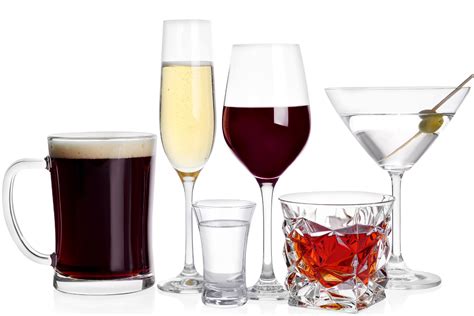
For years, we heard moderate drinking could benefit the heart. But new research says the risk begins with the first sip (WHO 2022

1. The Evidence

A global analysis of 28 million people found that even one drink daily increases risk for cancer, liver disease, and premature aging. The Canadian 2025 guidelines now classify two drinks per week as “high risk.”

2. Alcohol’s Hidden Sleep Disruption 😴

  • Suppresses melatonin and delays circadian rhythm
  • Reduces REM and deep sleep by 20–40 %
  • Raises cortisol and heart rate overnight
  • Blunts growth hormone and liver detox while you sleep

Poor sleep then worsens hormone balance, mood, and weight regulation — creating a vicious cycle of stress and fatigue.

3. Functional Health Connections

Alcohol → gut permeability → inflammation → oxidative stress → adrenal activation. Together these impair detoxification and mitochondrial function — the foundation of energy and longevity.

4. Practical Steps

  • Experiment with alcohol-free weeks and track sleep with wearables.
  • Support detox with nutrients (glutathione, taurine, B-complex).
  • Use adaptogens or magnesium to relax without the nightcap.

✨ Your sleep is your greatest healer — protect it by reducing the toxic load that starts with “just one drink.”

My Personal Experience

Early in my working career, I was involved in the medical/surgical business and I spent a lot of time sitting in on surgical cases – it was a great education on the power of high tech medicine!

If I was going out for business lunches or dinners with colleagues or clients it was pretty common for everyone to drink!

How times have changed…

How about you? Have you changed your drinking habits based upon the recent research suggesting that no amount of alcohol consumption is safe?