Most healthcare practitioners understand that a key component of the healing journey for patients to help them to resolve health issues is to help them improve their diet.
Most practitioners would agree to this concept in principle however there are two challenges regarding implementation:
The first is that most practitioners are busy and don’t really have the time to spend on this topic with patients other than perhaps giving them some handouts or sending them to a website.
(The possible exception being large multi-disciplinary clinics that might have RDs and/or nutritionists on staff that can work with patients.
The second is that the practitioner might not have specialized training in this area and it can be confusing!
A diet that seems to work well for one patient might be disastrous for another patient that has a similar health profile.
Biochemical Individuality
The optimal diet for any patient is a diet that is unique to their biochemical individuality.
This concept of biochemical individuality Is based upon research by individuals such as: Roger Williams, Linus Pauling, Weston A. Price, Bruce Ames.
More recently, William Walcott in 2001 published a book entitled: “The Metabolic Typing Diet” which is still widely available.
In conjunction with the release of this book, his company Health Excel made available an online assessment system which will determine an individual’s biochemical individuality based upon their metabolic type.
This assessment determines whether an individual is sympathetic or parasympathetic dominant or at a cellular level a fast oxidizer or a slow oxidizer.
A comprehensive report is generated that will guide the patient through aspects of an optimal diet for their biochemical individuality.
This is the dietary protocol that I use with my patients in my clinical practice and I find it to produce excellent results.
I will of course use some short term specialty diets If appropriate such as low histamine, keto, etc.
Here is the link where individuals can purchase the Metabolic Typing diet assessment and get their Metabolic Typing report.
If you have found developing dietary recommendations for your patients challenging, the Metabolic Typing system may provide an optimal solution for you and your patients.
Food Sensitivity Testing
One additional key component of dietary recommendations for patients is determining food sensitivities.
The most popular test available in the market is IgG (Immunoglobulin G) which is a blood test which measures levels of IgG antibodies produced by the immune system in response to different types of food.
The MRT Food Sensitivity Test
In my practice, I use the patented MRT food sensitivity test from Oxford Biomedical Technologies in Florida which I believe is significantly superior to IfG testing.
The test measures volumetric changes in white blood cells, as these shrink in response to the release of inflammatory mediators, including cytokines, histamine, leukotrienes, and prostaglandins.
The more the cells shrink, the stronger the mediator release—implying a more significant food sensitivity reaction.
Results are typically shown as color-coded bar graphs, denoting highly reactive, moderately reactive, and non-reactive foods.
Clinical Relevance and Use
What sets MRT apart is that it captures not just antibody-mediated reactions (type III and IV hypersensitivities) but other immune pathways that lead to inflammation and symptoms
This makes MRT especially relevant for conditions associated with chronic, delayed, or dose-dependent reactions, such as IBS, migraines, fibromyalgia, dermatitis, and other inflammatory conditions.
These are the tools that I use in my clinical practice to help my patients in this critical area of dietary recommendations – perhaps they may be of benefit to you also.
Psychedelics – in particular psilocybin are gaining a lot of attention as a therapeutic modality for the treatment of emotional/psychological issues such as anxiety, depression, PTSD, and the emotional stress of terminal illnesses.
Now a new study suggests that it may also act as a potent anti-aging molecule.
Following is an article from Rhonda Patrick PhD on this topic.
Rhonda hosts a very popular podcast and puts out a newsletter which is well worth checking out.
In a new study, psilocybin showed exciting potential as an anti-aging molecule. Human cells treated with psilocin (the active form of psilocybin) lived up to 57% longer, experienced less DNA damage, had lower stress at the cellular level, and maintained healthier telomeres—the protective caps on our DNA associated with longevity. Older mice given monthly psilocybin doses lived significantly longer (80% survival vs. 50% in untreated mice) and looked visibly younger, with fuller, healthier fur and less gray hair.
No matter your stance on psychedelics, including the fact that they’re a Schedule I substance, these findings provide tantalizing new evidence that may open a path toward ‘psychedelic-assisted senotherapeutics’ for healthy aging.
Psilocybin as a Longevity Molecule
Should we expand our thinking about psychedelics as more than just tools for mental health? It’s true that psilocybin has primarily been investigated for mental health conditions, including depression and anxiety, and even for neurodegenerative diseases like Alzheimer’s, where clinical evidence supports robust improvements in outcomes for as long as 5 years after just a single high dose.
Through its active metabolite psilocin, psilocybin exerts profound effects on the brain and mental health by acting as a serotonin 2A receptor agonist, triggering downstream glutamate release and enhancing neuroplasticity.
This leads to reduced activity in the default mode network (DMN), a brain region linked to rumination and depression, fostering a shift toward present-moment awareness and reduced self-referential thinking, akin to effects seen in long-term meditation.
In controlled settings, psilocybin induces mystical-type experiences characterized by interconnectedness, sacredness, and authenticity, which result in rapid, sustained reductions in anxiety and depression. These experiences also increase the personality trait of openness, suggesting lasting neuroplastic changes that may disrupt maladaptive neural patterns, with emerging evidence even indicating potential neurogenesis in the hippocampus.
What if these improvements in mental health, reductions in chronic stress, and fewer negative emotional states indirectly mitigate physiological aging processes? That’s exactly what this new study suggests. It might be time to think about psilocybin as a longevity molecule. Psilocin and Psilocybin
Extend Lifespan in Cells and Mice
The study involved in vitro and in vivo components—investigating psilocybin’s effects in isolated cells and in mice.
For the in vitro study, human lung and skin cells were exposed to psilocin—the metabolite that’s produced after psilocybin is ingested and metabolized by the body. Other cells were exposed to a control treatment, and both treatments continued until the cells reached replicative senescence—a state where cells become “old,” stop dividing, and enter a permanent growth arrest. It occurs after a finite number of cell divisions, often due to the progressive shortening of telomeres (protective DNA caps at chromosome ends) with each division. Senescence is a well-recognized “hallmark of aging.”
Psilocin extended the lifespan of cells by 29%, effectively slowed the exhaustion of their replicative capacity, increased the number of cell doublings, and reduced the cells’ doubling time. Cellular lifespan extension was enhanced even more when a higher dose (10x the initial dose) was used, with a 57% increase observed compared to untreated cells. Psilocin also delayed cellular senescence.
Even more remarkable was the impact of psilocin on the “hallmarks of aging” and age-related cellular changes. For one, psilocin reduced the activity of β-gal and markers of cell cycle arrest and increased the activity of markers of cell proliferation and DNA replication. Psilocin also elevated sirtuins (i.e., SIRT1) and reduced markers of DNA damage and oxidative stress in a dose-dependent manner.
Lastly, psilocin reduced one of the most well-established markers of cellular aging—telomere shortening. While the telomeres of the untreated cells were naturally shortened during cell senescence (as occurs in human aging), the telomeres of the psilocin-treated cells were preserved.
For the in vivo study, 19-month-old female mice (which corresponds to about age 60–65 in humans) were given a monthly dose of psilocybin for 10 months: 5 mg/kg for the first month and then 15 mg/kg thereafter. During the treatment period, 80% of mice who were given psilocybin survived while only 50% of the non-treated mice survived—a meaningful difference in survival rate between the two groups. Furthermore, psilocybin enhanced some physical features of the mice, including improvements in fur quality, hair growth, and less white hair and hair greying. So not only did they live longer, but they looked younger too (and who doesn’t want that?)
Collectively, these results reveal something novel and exciting about psilocybin—it appears to be having direct effects on mechanisms of cellular aging that are independent of its psychedelic properties. However, the mind-altering nature of psilocybin might also indirectly impact how we age.
Tying Psilocybin’s Anti-Aging Effects to Depression and Mental Health
When we talk about aging and its causes, the focus is typically on intrinsic biological processes, the role of physical inactivity, and the effects of diet and other lifestyle factors. Of course, each of these plays a profound role in how quickly (or how slowly) we age and therefore, our healthspan and lifespan.
But mental health is also crucial for healthy aging. Indeed, depression and anxiety have been linked to shorter telomeres, a greater risk of chronic diseases, and even mortality. This indicates that psychological (dis)tress likely accelerates biological aging at the cellular level. On the other hand, positive psychological states are associated with telomere lengthening and lower rates of disease.
This is where psilocybin enters the picture as a potential longevity molecule.
The Psilocybin-Telomere Hypothesis posits that psilocybin may have a measurable, beneficial effect on biological aging by lengthening telomeres. The hypothesis is based on two well-established premises. The first is that depression and chronic stress are associated with shortened telomeres, and shorter telomeres are linked with age-related diseases and mortality.
Second, psilocybin has clinically documented antidepressant and stress-reducing effects. Therefore, if psilocybin reduces depression, and depression shortens telomeres, then psilocybin may help preserve or even lengthen telomeres. By inducing positively valenced, and sometimes even life-altering, psychological experiences, psilocybin may leave “quantifiable marks at the molecular genetic [and] epigenetic level.”
Though it’s just a hypothesis, several lines of evidence support the idea that psilocybin exerts biological anti-aging effects, with pathways including: Reduced rumination and depression, both of which are linked to telomere shortening. Downregulation of the default mode network (DMN), which is overactive in depression. Increased neurogenesis and neuroplasticity, particularly in the hippocampus.
Elevated levels of BDNF to support neuron survival and greater telomerase activity. Reduced inflammation and oxidative stress, which are implicated in telomere erosion. Modulation of the serotonin system (the 5-HT2A receptor and serotonin transporter gene SLC6A4), which is linked to depression and stress resilience.
Lending further support to this hypothesis is research on meditation—an intervention that induces similar states of consciousness to psilocybin therapy—which also prevents telomere attrition and even lengthens telomeres in some cases.
The late Dr. Roland Griffiths refers to psilocybin-assisted therapy as a “crash course in meditation,” abruptly shifting consciousness to reveal alternative ways of perceiving reality. Dr. Elizabeth Epel and others propose that “some forms of meditation may have salutary effects on telomere length by reducing cognitive stress and stress arousal and increasing positive states of mind and hormonal factors that may promote telomere maintenance.”
While psilocybin and meditation aren’t identical in their therapeutic effects, it’s clear that our psychological state influences our biology, and therefore our speed of aging. If you’re interested in learning more about psilocybin and other psychedelic therapies, check out my interview with the late Dr. Roland Griffiths.
Final thoughts
Regardless of your stance on psychedelics, this study is a tantalizing glimpse into new frontiers for healthy aging. It suggests psilocybin could be a novel tool in combating age-related decline.
However, it’s critical to note that psilocybin remains a Schedule I controlled substance in many jurisdictions, including the United States, where it is illegal outside of approved research settings due to its psychedelic properties. While the science is exciting, any exploration of psilocybin’s therapeutic potential will have to await further studies and regulatory changes.
The interconnectedness of mind and body when it comes to health is indisputable, and that’s perhaps what makes psilocybin and other psychedelic-assisted therapies so intriguing as longevity interventions, even though we might not think of them as such.
Whether it’s psychedelics or meditation, our subjective experiences are intimately tied to biological aging. When you “change your mind,” you also change your cells.
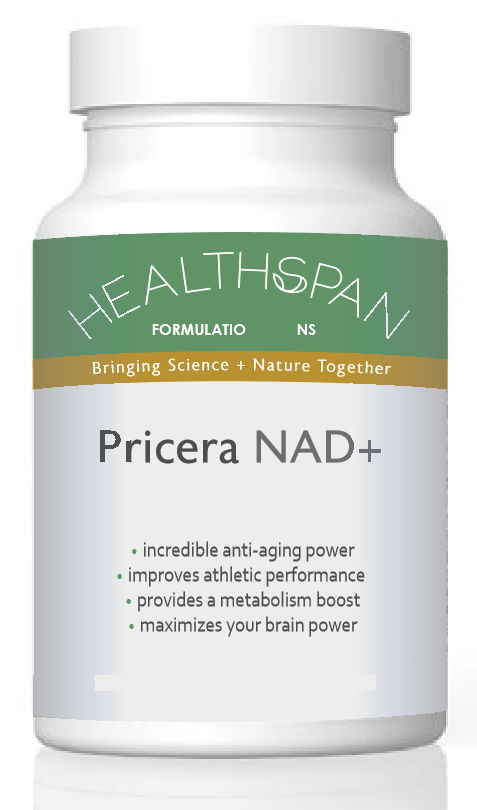
NAD+ – Nicotinamide Adenine Dinucleotide is a co-enzyme present in every cell in the body and it is vital for cellular function.
Like hormones and other endogenous compounds in the body, NAD+ levels decrease as we age however they decrease precipitously with NAD+: down 50% at the age of 50 and down 90 – 96% at the age of 80.
One of the key functions of NAD+ is to activate the Sirtuin longevity genes which as the name implies are important for healthy aging. Without adequate levels of NAD+ to activate the Sirtuin genes, vascular aging accelerates.
We can help to optimize our NAD levels as we age by engaging in exercise and as well by fasting.
Another way to optimize NAD+ levels is to take a precursor formulation.
Taking NAD+ itself is not effective because it gets broken down in the digestive system.
Optimizing NAD+ levels as we age has been shown to provide many health benefits including:
For more information on NAD+, the Sirtuin longevity genes and NAD+ precursor formulations such as our top selling practitioner quality Pricera formulation reach out to me – or review some of the info on our website:
Recently I decided to check my blood pressure which I had not done for a while. My BP has always been pretty good throughout my life: Typically systolic would be 115 to 120 over diastolic of 70 to 80. I was shocked to find that my BP that my systolic reading was between 145-155. Diastolic was fine: between 70 and 80 So obviously this situation called for some action to bring my systolic BP down.
High blood pressure threatens health and quality of life
In most cases, damage done from high blood pressure (HBP or hypertension) occurs over time. Left undetected or uncontrolled, high blood pressure can lead to:
Heart attack — High blood pressure damages arteries that can become blocked and prevent blood flow to the heart muscle.
Stroke — High blood pressure can cause blood vessels that supply blood and oxygen to the brain to become blocked or burst.
Heart failure — The increased workload from high blood pressure can cause the heart to enlarge and fail to supply blood to the body.
Kidney disease or failure — High blood pressure can damage the arteries around the kidneys and interfere with their ability to filter blood effectively.
Vision loss — High blood pressure can strain or damage blood vessels in the eyes.
Sexual dysfunction — High blood pressure can lead to erectile dysfunction in men and may contribute to lower libido in women.
Angina — Over time, high blood pressure can lead to heart disease including microvascular disease (MVD). Angina, or chest pain, is a common symptom.
Peripheral artery disease (PAD) — Atherosclerosis caused by high blood pressure can lead to narrowed arteries in the legs, arms, stomach and head, causing pain or fatigue.
When your blood pressure is high for too long, it damages your blood vessels – and LDL (bad) cholesterol begins to accumulate along tears in your artery walls. This leads to narrowed arteries and increases the workload of your circulatory system while decreasing its efficiency.
As a result, high blood pressure puts you at greater risk for developing life-changing and life-threating conditions. My Treatment Protocol to Lower My BP
Obviously, it makes sense to try to address the cause of health issues such as lifestyle considerations and that certainly applies in the case of cardiovascular disease.
However for brevity, I will focus this article on supplements and ingredients for treating hypertension.
There is a spectrum of medicinal herbs as well as other compounds that have been shown to be beneficial for cardiovascular conditions.
Based on my research and clinical experience, I would suggest that the top three medicinal herbs in the world for dealing with cardiovascular disease include a medicinal herb from each of the three major medical systems: The West, Ayurvedic medicine and Chinese medicine.
So my first step in my protocol was to start taking my own Heart Health formulation which includes each of the top 3 CV herbs but also the following medicinal herbs and compounds:
Tienchi Ginseng (Panax notoginseng), Jiaogulan,
Shilajit, Motherwort, Ashwagandha and Chromium Picolinate
In addition to this, I wanted to target/increase nitric oxide levels (for blood vessel dilation) so I started taking a combination of the amino acid L-Citrulline as well as beet root powder.
Plus I started taking one additional key compound:
And reassessed my BP and it had gone down to an average of 125/72 – an improvement of over 20 points – without any pharmaceuticals.
CVD is a multi-factorial prevalent cause of health issues as well as death however integrative approaches can work quite well to facilitate improvement.
Reach out to me if you have any questions or want more information.
Some individuals develop significant but difficult to diagnose and treat health issues and bounce around the health care system trying to get help for health issues which seem almost impossible to correctly diagnose – let alone develop effective treatment protocols.
MCS can be difficult to diagnose because it can mimic a spectrum of other conditions.
A 25 year old woman named Jan begins her new career as a 2nd grade school teacher. After many of years of preparation, Jan is ready to serve the public and help her young students learn how to read and write. Beginning in a newly renovated school is an extra bonus which makes our new teacher proud that she became part of the educational system. Everything is moving along fine.. she couldn’t be happier!
Three months pass by and Jan has noticed that her concentration is just not right. She has been getting a little “edgy.” Definitely not like her. Her husband is concerned that maybe she is pushing herself a little too much and encourages her to simply slow down and pace herself. As the weeks go by, she begins experiencing headaches over her eyes and the back of her head. The headaches are now occurring more frequently; a minimum of 3-4 times a week.
Six months into the school season and her symptoms are getting worse. In addition to her headaches, lack of concentration and irritability, Jan is now having insomnia, cries over nothing and has noticed an unusual tingling in her face, hands and feet. Concerned, our once “excited” trainer of children decides to see her family physician. After a brief consultation and a basic physical evaluation, her physician is confident she is again just overdoing it and recommends she lighten her work load. In the mean time, she is prescribed Xanax, a mild tranquilizer to settle her nerves. Feeling reassured that nothing is seriously wrong, our teacher returns to her young students and pushes on.
Another three months pass and this time our once highly motivated teacher is only a “shadow” of herself. It takes every ounce of energy to get started in the morning. She is having greater difficulty preparing her school assignments and simply is just exhausted! In a state of desperation she is referred to a psychiatrist. He diagnoses her with depression and prescribes an anti-depressant and also recommends counseling.
After two emotional years of trying an assortment of anti-depressants and hours of counseling, Jan is stuck in a nightmare.. a web of medical labels… depression, chronic fatigue syndrome, stress … just name a few!
Is It Possible Something Has Been Missed?
Every year thousands of teachers are afflicted with a condition that simply “zaps” the life right out of them. Most physicians are at a total loss to understand what is behind this mysterious illness. Unfortunately, many people are looked at as hypochondriacs and continue to suffer year after year.
The Diagnosis
By a stroke of luck and a lot of prayer, Jan stumbled on a medical article that “painted” an exact picture of her health challenges. She was amazed to find that she was not alone and that thousands of other teachers were experiencing the same problem.
She was able to find a physician who was trained in making this difficult diagnosis and learned that she was suffering with something called “Multiple Chemical Sensitivities (MCS).” Some physicians have coined the term “The Toxic Teacher Syndrome” due to the numbers of teachers suffering with the same symptoms.
What is MCS?
Chemical Sensitivity is not a new term. It has been around for many years. The diagnosis MCS was researched by allergist Theron G. Randolph, M.D. (1906-1995). Dr. Randolph discovered that many of his patients became ill from chemical substances that were normally considered safe at the recommended dosage. In the 1950s, Dr. Randolph concluded that people were failing to adapt to modern-day synthetic chemicals. As more research was done on the effects of MCS, doctors suggested that the immune system is like a barrel that continually fills with chemicals until it overflows and symptoms appear. Potential chemical toxins include:
Formaldehyde which can be found in foam insulation, plywood, particleboard and press cabinets, fabric finishes, new carpet, polyurethane foam rubber (used in pillows, cushions, mattresses and rug padding), mobile homes, adhesives, synthetic clothes that crease resistant, wrinkle resistant
Oil vapors: from oil furnaces, motor-oil air-conditioning filters, electric kitchen appliances such as food processors, blenders, can openers.
Household chemicals such as dry cleaning chemicals in clothes, mothballs, rug-cleaning products, paints, solvents, stain removers, air fresheners, window washing compounds
Polyesters in clothing, upholstery, drapery, furniture and stuffing for pillows and quilts.
Pesticide residue on cottons and woolens; residues from exterminators.
Epoxy adhesives on plastics, electronic equipment (TVs, microwaves,) which release gases when heated up.
Common school paraphernalia such as carbon paper, ink, mimeographic and duplicating chemicals, glue
How Do These Chemicals Cause Health Problems?
For most people the constant exposure to the above chemicals may not pose any health challenge. However, an individual may come in contact with a freshly painted room and begin to experience dizziness, nausea, headaches etc.. Usually, however, it requires the constant everyday exposure to various toxins that simply become cumulative and eventually overwhelm the body’s ability to eliminate them. When your detoxification system is in good working order, it protects you from low level chemical build-up. It is interesting that most of the sixty thousands chemicals in current use today have been developed in the last forty years. In other words, it seems quite clear that these chemicals are being made at a faster rate than our bodies are able to get rid of them.
Chemicals are known to injure the part of the cell that produces energy causing swelling of the cell membrane and a decreased ability to pump out chemical toxins. When this occurs you can experience fatigue, weakness, poor memory, migraine headaches, insomnia, anxiety, etc..
So What Happened to our Teacher?
When Jan first arrived in her new school, she was greeted with fresh paint, new carpet, new furniture etc.. which was all piled in her small room. This was further complicated by inadequate ventilation. When the chemical load to her system was too high, some of the chemicals were simply unable to be detoxified. This resulted in the slow accumulation of chemicals backing up in the blood causing her health to slowly spiral downward.
How Was She Helped?
Our school teacher was thoroughly evaluated receiving a physical examination, blood tests for liver function, comprehensive detoxification blood test and chemical toxicity assessment.
Detoxification Profile: This test is used to determine how well her body is getting rid of toxins.
As you can see above ( please review PDF copy to allow for improved readibility), Jan had a normal phase I detoxification function but her phase II revealed a high plasma cysteine with low plasma sulfate and an impaired glucuronidation detoxification.
** Detoxification is much more complicated than most doctors (not trained in the diagnosis of detoxification) make it out to be and commonly will cause more harm than good.
HERE IS WHAT YOU NEED TO KNOW
A healthy liver uses two mechanisms, called Phase I and Phase II detoxification to remove toxins.
In Phase I, your body’s enzymes activate toxic substances to make them more accessible to Phase II.
In Phase II, other enzymes convert toxins to more water-soluble forms, which your body eliminates through urine or stool. Major Phase II pathways include glutathione, sulfate, glycine, and glucuronide conjugations. Individual xenobiotics and metabolites usually follow one or two distinct pathways.
Chemical Testing
A chemical blood exposure test was also performed. This test is extremely valuable in determining the levels of chemical toxins in the blood.
A checklist of suspected chemical toxins was done as well as an assessment of the schools ventilation system.
The Results
After suffering for a little over two years, her tests revealed the following:
The Liver Profile was normal
The Detoxification Profile revealed a compromised phase II detoxification with high plasma cysteine with low plasma sulfate and an impaired glucuronidation detoxification resulting in an inability to process the load of chemicals.
The Chemical Testing revealed high levels of: Formaldehyde,Toluene and Xylene
The checklist accurately correlated with her high levels of chemicals in her blood.
As suspected, although the school received a face-lift with new furniture and a fresh coat of paint, the ventilation system was functioning at approximately 40% efficiency and needed a major overhaul!!
The Treatment
The first step was too begin treatment on improving Jan’s ability to detoxify by improving her impaired glucuronidation detoxification and decrease the total load of toxic elements.
Ruled out hypothyroidism (delays maturation of conjugating enzyme)
Correct nutrient deficiencies
Increase intake of nutrient cofactors for glucuronidation
L-glutamine, aspartic acid, niacin, vitamin B6
Support other Phase II pathways, especially sulfation and glycination, to reduce burden
Increase intake of cruciferous vegetables (induces conjugating enzyme)
Had teacher purchase a Four Stage Air Filtration System for her classroom to improve ventilation
Our teacher had a comprehensive safe environmental check of her classroom. Chemical toxins were replaced with non-toxic products. This was carried over to her home as well.
The Outcome
Within 2 weeks, Jan began to notice an improvement in her health. Her energy gradually increased, headaches were reduced to 1 every 2 weeks, the depression lifted, insomnia was replaced by sound restful sleep. By the end of 2 and half months, Jan felt like her old self again and has continued to do well ever since.
Our Comments:
This article presents a real case and demonstrates the sad fact that thousands of people are suffering needlessly. Unless a physician has studied and been trained in the diagnosis and treatment of environmental illness, many more people especially teachers and other professionals working in similar environmental surroundings will continue to develop MCS and unfortunately be “branded” undiagnosable and sadly a hypochondriac. The truth of the matter is.. there is an answer and this answer can pull many people out of this nightmare.
Over the past 15 years, an accumulation of published research has continued to support the hypothesis that Zonulin, a protein compound is a key modulator of the tight junctions between enterocytes in the intestine.
Zonulin is a protein that modulates the permeability of tight junctions between cells of the wall of the digestive tract. Initially discovered in 2000 as the target of zonula occludens toxin, secreted by cholera pathogen Vibrio cholerae,[1] it has been implicated in the pathogenesis of coeliac disease[2] and diabetes mellitus type 1.[3] It is being studied as a target for vaccine adjuvants.[4] ALBA Therapeutics is developing a zonulin receptor antagonist, AT-1001, that is currently in phase 2 clinical trials.
Gliadin (glycoprotein present in wheat) activates zonulin signaling irrespective of the genetic expression of autoimmunity, leading to increased intestinal permeability to macromolecules. [5]
An amazing discovery a few years ago revolutionized our ability to understand the gut and permeability and how this impacts a wide range of health conditions from cancer to autoimmune disease to inflammation and food sensitivities.
Zonulin is the “doorway” to leaky gut
Zonulin opens up tight junctions in the intestinal wall: that normally occurs, in order for nutrient and other molecules to get in and out of the intestine.
However, when leaky gut is present, the tight junctions between the cells open up too much allowing macromolecules to get into the bloodstream where an immunologic reaction can take place. Once that happens, the body is primed to react to those proteins each and every time they appear.
It can also cause leakage of intestinal contents, like bacteria into the immune system creating inflammation and overloading the liver’s ability to filter out this garbage. Triggers that open the zonulin doorway
Based on Dr. Fasano’s research, we know that the two most powerful triggers to open the zonulin door are gluten and gut bacteria in the small intestine.
Gliadin causes zonulin levels to increase both in those people who have celiac disease and those who do not. As the zonulin level rises, the seal between the intestinal cells (tight junctions) diminishes, opening up spaces between the enterocytes that allow all sorts of things to pass right through.
The immune system may be primed to think that these are foreign invaders and will mount an immune response leading to food sensitivities. In addition this immune activation leads to more damage to the enterocytes and the gut becomes more inflamed and more permeable or “leaky”. As the damage continues, the microvilli that line the intestines and absorb nutrients become damaged, leading to other nutrient deficiencies.
Top causes of increased zonulin and development of leaky gut:
1. Overgrowth of harmful organisms, like bacteria or yeast in the intestine 1. SIBO (small intestinal bacterial overgrowth) 2. Fungal dysbiosis or candida overgrowth 3. Parasite infections 2. Gliadin in the diet (from gluten containing foods)
However, a study published in the Scandiavian Journal of Gastroenterology in 2006 clearly showed that gliadin can affect zonulin even in people without the gene for celiac.
The researchers concluded that:
Based on our results, we concluded that gliadin activates zonulin signaling irrespective of the genetic expression of autoimmunity, leading to increased intestinal permeability to macromolecules.
The significance of this is that gluten affects intestinal permeability in all persons to different extents. It also means that 100% of patients with autoimmune disease or leaky gut could potentially benefit from a gluten-free diet.
Elevated zonulin levels and leaky gut are also associated with the following:
Genetic predisposition, miscommunication between innate and adaptive immunity, exposure to environmental triggers, and loss of intestinal barrier function secondary to the activation of the zonulin pathway by food-derived environmental triggers or changes in gut microbiota all seem to be key ingredients involved in the pathogenesis of inflammation, autoimmunity, and cancer.
This new theory implies that [once this path is activated] it can be… reversed by preventing the continuous interplay between genes and the environment.
Upregulated zonulin levels can be present even after individuals have adopted a gluten-free diet. This is true not only for celiac patients, but also for other people with different kinds of autoimmune diseases:
Dr. Alessio Fasano:
We have seen this in celiac disease and type 1 diabetes and multiple sclerosis. When we discovered what zonulin is all about in terms of genes, now we know that zonulin is the precursor of a molecule, a protein called haptoglobin 2, so we know what kind of molecule it is.
And using that as a biomarker, we see that there are three major categories of conditions that see zonulin upregulated or present in a mutated fashion.
These are autoimmune diseases, and besides the three that I just mentioned, it has been proven in Crohn’s disease, for example, and in another category there are tumors ovarian cancer, pancreatic cancer, glioma, these kinds of cancers, and then in diseases of the nervous system, including schizophrenia and autism.
The significance of Zonulin and its impact on not only Leaky Gut but a variety of other potentially significant health issues cannot be underestimated and it reinforces the importance of reviewing the impact that grains in our modern diet have on our overall health.