Category: Vitamins, Minerals, Herbs

By Rob Lamberton, BSc, FNTP, FDN-P (Candidate)

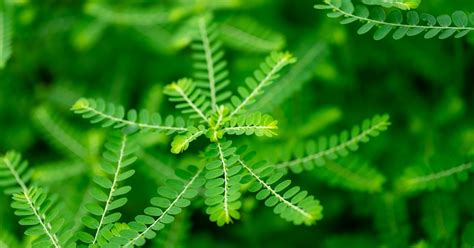
Bauhinia forficata (commonly known as Pata de Vaca or “Cow’s Foot”) has long been utilized in traditional South American herbal medicine as a “Vegetable Insulin” for blood-sugar support and detoxification.

Recent studies confirm its capacity to modulate glucose metabolism through multiple mechanisms: AMPK activation, α-glucosidase inhibition, and hepatoprotective antioxidant activity.

The flavonoid kaempferitrin, the plant’s primary bioactive compound, exhibits strong insulin-mimetic action and antioxidant properties.


The tropical Rain Forest species Bauhinia forficata Link (Fabaceae) — colloquially called Pata de Vaca — is native to Brazil, Argentina, and neighboring regions. Its bilobed leaves resemble a cow’s hoof, hence the name.

Traditionally, decoctions of the leaves have been used for hyperglycemia, urinary inflammation, and hepatic congestion.

Modern biochemical studies corroborate these uses, identifying B. forficata as a potent AMPK activator and antioxidant botanical that supports insulin signaling, glucose uptake, and hepatic detoxification

The botanical’s reputation as “Vegetable Insulin” arises from its demonstrated ability to reduce post-prandial glucose and improve glycemic control in pre-diabetic and insulin-resistant subjects. Its pharmacological breadth aligns with contemporary integrative-medicine strategies that address metabolic dysfunction, mitochondrial oxidative stress, and systemic inflammation.


Clinical Evidence and Traditional Validation

Experimental and human data support B. forficata’s glucose-regulating effects.

Traditional herbalists in Brazil and Argentina have long used Pata de Vaca for hyperglycemia, liver sluggishness, and urinary issues, prescribing it as a gentle detoxifying and glycemic-balancing tea. The modern evidence base now substantiates these applications.


Safety and Regulatory Note:

The herb is generally recognized as safe in traditional use and pre-clinical research, though long-term human studies remain limited. Practitioners should exercise caution when combining B. forficata with pharmacologic hypoglycemics or during pregnancy.


Integrative and Clinical Implications

B. forficata bridges traditional ethnomedicine and modern biochemical validation. It addresses key mechanisms within the Metabolic Chaos™ framework—oxidative stress, hepatic detoxification inefficiency, and impaired glucose metabolism—while supporting HPA-axis balance through its antioxidant and adaptogenic flavonoids.

For clinicians, it may be incorporated as an adjunct in protocols for early-stage insulin resistance, metabolic inflammation, and oxidative liver stress.


Conclusion

The research base for Bauhinia forficata substantiates its long-standing traditional role as a “Vegetable Insulin.” Through AMPK modulation, antioxidant protection, and hepatic support, it contributes meaningfully to the growing integrative focus on metabolic resilience and healthy aging.

As both a clinically validated herb and a compelling Rain-Forest ingredient story, it holds value for practitioners, formulators, and manufacturers seeking to merge traditional wisdom with modern nutritional science.

ProductFormulation #FunctionalMedicine #NutraceuticalInnovation #RobLamberton #RobertLamberton
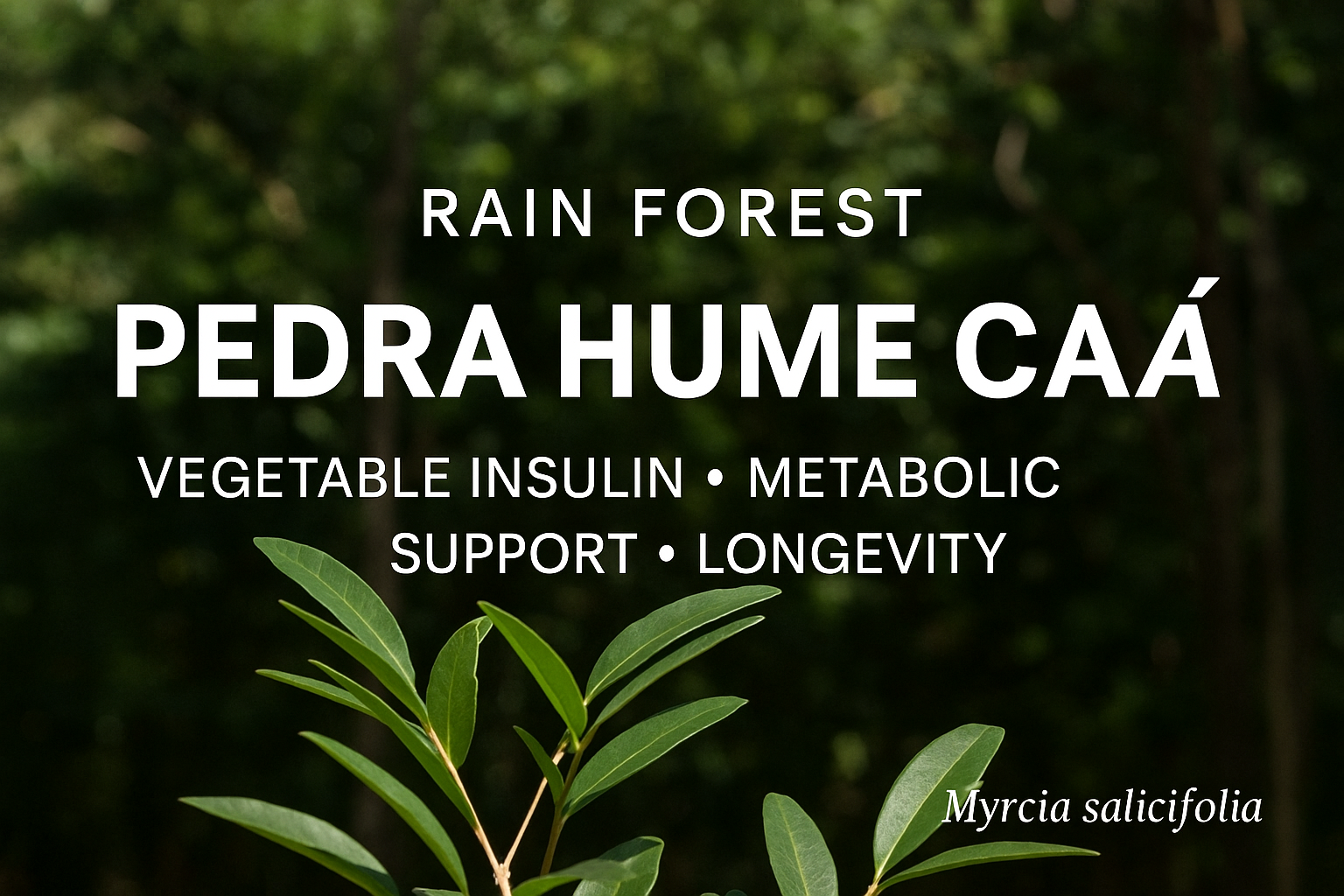
By Rob Lamberton, BSc, FNTP, FDN-P (Candidate)
Product Formulator & Functional Health Consultant | roblamberton.com

🌿 Ancient Wisdom Meets Modern Science

In the Amazon and Brazilian forests, the medicinal herb Pedra Hume Caá — often called the “vegetable insulin” — has long been valued for its ability to balance blood sugar and strengthen kidneys and liver. Modern phytochemical studies confirm its effects on alpha-glucosidase inhibition, antioxidant defense, and insulin sensitivity (Rain-Tree

🧠 Key Traditional Uses

🌿 Supports glucose regulation and metabolic balance
💧 Assists kidney and urinary detoxification
🔥 Reduces inflammation and oxidative stress
🩺 May help normalize lipid and blood-pressure levels


🧬 Phytochemistry & Mechanisms

Pedra Hume Caá contains potent flavonoids and polyphenols — including myrciacitrins, myrciaphenones, quercitrin, catechin, and gallic acid.
Mechanisms include:

  • Inhibition of α-glucosidase & α-amylase → slower carb absorption
  • Improved insulin receptor sensitivity and AMPK activation
  • Protection of liver and kidney tissue via antioxidant enzymes

💡 Formulator’s Insight

As a Product Formulator & Functional Health Consultant, I view Pedra Hume Caá as a cornerstone medicinal herb for metabolic and longevity formulas. It pairs well with:

  • Berberine, Gymnema, Cinnamon, Chromium, Gymnemna sylvestre, Bitter Melon for glycaemic support
  • ALA, CoQ10, PQQ for mitochondrial protection
  • Rhodiola & Ashwagandha for stress-axis stability

⚠️ Because of its hypoglycaemic effects, monitor closely when combined with antidiabetic or antihypertensive agents.


⚖️ Safety Profile

Human and animal data show low toxicity at traditional doses. Avoid during pregnancy or in hypoglycaemia. Standard use: leaf tea (1 cup 2-3× daily) or 1–2 g leaf capsules per meal.


My Personal Experience Clinical Experience: (anecdotal)

Pedra Hume Caá includes compounds referred to as Aldose reductase inhibitors (ARIs) which are substances that act on nerve endings exposed to high blood sugar concentration to prevent some of the chemical imbalances that occur and thus protect the nerves.

I have prescribed to patients dealing with blood sugar/diabetes issues  – as part of a complete functional approach a blood sugar/diabetes formulation I developed which includes Pedra Hume Caá and within 24 – 48 hours their neuropathic pain in their legs and feet disappeared after many years of discomfort.

📚 Key References

  1. Rain-Tree Tropical Plant Database – Pedra Hume Caá (Myrcia spp.), 2025.
  2. Figueiredo-González M et al. J Pharm Biomed Anal. 2016; 118:322-327.
  3. de Oliveira A et al. J Appl Pharma Sci. 2015; 5:89-93.

🤝 Work With Me

I help nutraceutical companies and clinics design science-driven products using medicinal herbs that optimize metabolic health, cognition & longevity. Let’s collaborate on your next evidence-based formula – plus I have well developed supply chains to access these lesser known but very powerful medicinal herbs.

🌐 roblamberton.com

FormulationScience #MedicinalHerbs #MetabolicHealth #IntegrativeHealth #BotanicalMedicine #Longevity #ProductFormulator #RobLamberton #RobertLamberton


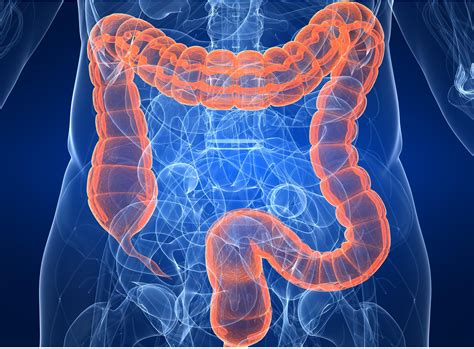
For decades, chronic diseases like diabetes, hypertension, and even cancer were regarded as illnesses of middle or late adulthood. Today, however, the script is flipping—with a striking rise in chronic conditions, notably colorectal cancer, among Millennials (born 1981–1996) and Gen Zers (born 1997–2012).

An Unprecedented Trend: Cancer Rates Are Rising for Young Adults

Recent data reveal a surge in colorectal cancer (CRC) diagnoses among adults under 50 worldwide. The American Cancer Society noted that, in 2023, 20% of all CRC diagnoses occurred in patients younger than 55—double what was seen in 1995. Early-onset CRC rates (diagnosed before age 50) are climbing by 2% per year. Even more troubling, these cancers are often detected at more advanced stages, severely impacting survival rates.

  • CRC is now the No. 1 cause of cancer death in men and the No. 2 in women under age 50.
  • Millennials are twice as likely to be diagnosed with colon cancer and four times as likely with rectal cancer as Boomers at the same age.
  • Death rates among those aged 20–24 have jumped by 185% and by 333% for those aged 15–19 over recent decades.

This trend is not limited to the U.S. Studies across Europe and Asia document similar increases, with early-onset gastrointestinal cancers consistently rising among young people.

Hidden Risks, Delayed Diagnoses

One of the greatest challenges facing Millennials and Gen Zers is the misconception that CRC is primarily an “old person’s” disease. Both younger patients and healthcare providers sometimes dismiss early symptoms—like rectal bleeding or changes in bowel habits—as hemorrhoids, diet issues, or stress. As a result:

  • Over 70% of CRC cases in those under 50 are diagnosed at late stages, reducing five-year survival from 90% (stage 1) to 18% (stage 4).
  • Young people often endure more aggressive treatments, face unique fertility and life-stage concerns, and report higher rates of anxiety, sexual dysfunction, and body image issues after diagnosis.

What’s Driving the Surge?

Researchers point to a “perfect storm” of influences fueling this epidemic:

  • Dietary habits: Western diets high in processed foods, red meats, and low in fiber increase risk.
  • Obesity and sedentary lifestyles: Higher rates of obesity and inactivity among young adults are strongly associated with CRC.
  • Alcohol and tobacco use: Both independently raise the risks for CRC and are on the rise among young people.
  • Environmental exposures and ‘bad luck’: Factors like antibiotic use, early-life gut infections (certain E. coli strains), and environmental pollutants are under study for their potential role in increasing risk.
  • Chronic conditions and genetics: Inflammatory bowel diseases, diabetes, and specific hereditary syndromes (like Lynch syndrome) amplify CRC risk, but most new cases are not linked to a known genetic disorder.

Key Symptoms to Watch For

CRC frequently goes unnoticed until advanced stages, particularly when tumors are on the right (ascending) side of the colon. Everyone—no matter their age—should consult a doctor if they experience:

  • Rectal bleeding or blood in the stool/toilet
  • Unexplained changes in bowel habits (diarrhea, constipation lasting 2+ weeks)
  • Oddly shaped stools (black, narrow, thin, or ribbon-like)
  • Abdominal pain or cramping, feeling of incomplete emptying
  • Unexplained weight loss
  • Weakness, fatigue, or chronic anemia

Early Detection and Prevention: What Young Adults Can Do

  1. Know your family history: If a close family member was diagnosed with CRC (especially before age 50), talk to your doctor about starting screening early—often 10 years before the relative’s age at diagnosis.
  2. Screening saves lives: Most guidelines now recommend adults at average risk begin regular screening at 45 (previously 50). Those with risk factors may need to start earlier. Screening options include colonoscopy, stool DNA tests, and—more recently—FDA-approved blood tests for CRC.
  3. Healthy lifestyles: Adopt a diet rich in fiber (aim for 25g/day), minimize red and processed meat, exercise regularly, avoid tobacco, and limit alcohol to recommended amounts.
  4. Pay attention to symptoms: Don’t ignore rectal bleeding or persistent gut changes. If your doctor dismisses symptoms and they persist, seek a second opinion.

Solutions & Hope for the Future

The surge in chronic disease and CRC among Millennials and Gen Z has led to a wave of innovation:

  • Enhanced screening options: less invasive stool- and blood-based tests, increased insurance coverage for screenings starting at 45.
  • Greater patient advocacy: Groups are boosting awareness and lobbying for policy change.
  • Specialized survivorship care: Programs now provide fertility counseling, mental health support, and practical life guidance for young adults facing cancer.

Health Inequities: Not Everyone Faces the Same Risk

Certain groups—including Black, Indigenous, and Hispanic populations—face higher CRC rates and worse outcomes, exacerbated by disparities in healthcare access, economic factors, and mistrust of the medical system. Addressing these inequities is vital for turning the tide on CRC for all young people.

Final Thoughts

Millennials and Gen Z are at the front line of a new health battle. Early-onset colorectal cancer and other chronic diseases are no longer “rare” in young adults. Lifestyle changes, awareness, and vigilance can make a profound difference. Above all: trust your body and, if something doesn’t feel right, push for answers.

More details on this topic and other health topics:

Visit RobLamberton.com


Key Citations:

FDA/Medicare—Blood-Based Colorectal Cancer Screening

Yale Medicine (2024): “Colorectal Cancer: What Millennials and Gen Zers Need to Know”

American Cancer Society, CA Cancer J Clin (2023)

Cancer Research Institute/American Cancer Society (2024-2025)

Exact Sciences (2024): “Colorectal cancer in young people: what millennials and Gen Z need to know now”

NY Post/British Journal of Surgery (2025)

Medicinal Herbs: Rain Forest: Chanca piedra – Stonebreaker

🌿 Chanca Piedra (“Stone Breaker”)—A Natural Ally for Kidney & Gallstones!

Chanca piedra (Phyllanthus niruri) is prized in traditional medicine for supporting kidney, liver, and urinary tract health. Research suggests it may help dissolve kidney and gallstones and promote overall detoxification.

Key Benefits:

✔️ Breaks down stones and reduces stone formation 💦

✔️ Supports liver and kidney function

✔️ Eases urinary tract discomfort

✔️ Acts as a powerful antioxidant 🍃

Synergistic Herbs & Nutrients:

❇️ Hydrangea root: Traditionally used to support the urinary tract

❇️ Dandelion & Milk thistle: Promote liver and kidney detox

❇️ Magnesium: May help prevent stone formation

❇️ Citrate-rich foods (e.g., lemon juice): Support stone dissolution

❇️ Black cumin (Nigella sativa)

❇️ ALA (Alpha-lipoic acid)

❇️ NAC (N-acetylcysteine)

❇️ Celery seed

❇️ D-Mannose

❇️ Potassium citrate

❇️ Magnesium

❇️ Citric Acid

❇️ Also for gallbladder/bile support such compounds as phosphatidylcholine, choline, methionine, glycine, vitamin C, psyllium, curcumin

When combined, these botanicals and nutrients work synergistically to protect against stone buildup and support your body’s natural cleansing processes.

My Personal (anecdotal) experience:

When my elderly cat (she lived to 23!) developed early kidney disease late in life I developed a kidney support formulation for her – based upon some of these ingredinets plus some others and she never had any further problems.

When some friends/contacts developed kidney and gallstones – some medium sized I put them on my Kidney Support formulation and their stones completely dissolved within 6 months! (confirmed with ultrasound)

From a functional perspective, the key would be to help these individuals to make modifications to their lifestyles to ensure that they did not develop stones in the future.

If you’re a nutraceutical brand, healthcare company, or practitioner developing products in these areas, I help design and optimize formulations backed by science, efficacy, and market differentiation.

Let’s collaborate to bring advanced, evidence-informed products to life.

(Source: Rain-Tree.com/chanca.htm)

#naturalhealth #herbalmedicine #rainforestherbs #naturopathicmedicine #functionalmedicine #kidneystones #gallstones #health #HealthForAll #NaturalHealing #SkinHealth #Detox #productformulations #drainage

By Dr. Richard Z. Cheng, M.D., Ph.D.
Editor-in-Chief, Orthomolecular Medicine News Service
Adapted for RobLamberton.com


⚖️ A Landmark Discovery — And the Question It Didn’t Answer

The 2025 Nobel Prize in Medicine celebrated groundbreaking research explaining how our immune system maintains balance. Scientists discovered how regulatory T cells (Tregs) and the FOXP3 gene keep the immune system from attacking its own tissues — a molecular key to understanding tolerance and autoimmunity.

But while this discovery explains how immune balance is maintained, it leaves unanswered the deeper question:

“Why does this balance so often fail — and why now more than ever?”

That’s where Orthomolecular Medicine comes in.


🌿 The Orthomolecular Perspective: Root Cause Healing

Orthomolecular Medicine looks upstream — at what creates the imbalance in the first place.

Modern living constantly disrupts the redox–metabolic networks that regulate immune function. These aren’t random events. They are predictable biochemical consequences of nutrient depletion, oxidative stress, and toxic exposure — all products of our modern environment and lifestyle.


🍞 1️⃣ Diet: The Everyday Immune Saboteur

The Nobel Prize explained that Tregs calm inflammation.
Orthomolecular Medicine adds: a modern diet rich in processed foods, seed oils, and refined carbs silences those protectors.

High blood sugar and oxidative stress push immune cells toward inflammation. In contrast, whole-food, low-carb, antioxidant-rich diets restore balance and produce butyrate, a compound that reactivates FOXP3 — the immune system’s peacekeeper.

✅ Within weeks, better nutrition and movement can restore immune balance at its source — often achieving what billion-dollar drugs attempt to mimic.


☀️ 2️⃣ Micronutrients: The Foundation of Immune Tolerance

  • Vitamin D3 activates the FOXP3 gene through the vitamin D receptor.
  • Vitamin C helps “unmethylate” and stabilize this gene via enzyme activation.
  • Niacin (vitamin B3) and butyrate promote immune tolerance through GPR109A signaling.

When these nutrients are low — as they often are — immune regulation falters.
Replenishing them is not “alternative medicine.” It’s cellular maintenance — the foundation of immune resilience.


☣️ 3️⃣ Toxins & Stress: Breaking Redox Control

Air pollution, pesticides, plastics, and chronic stress generate oxidative injury that suppresses FOXP3 and promotes inflammatory dominance.

This toxic overload is one of the hidden autoimmune triggers of our era.
Orthomolecular detoxification — supporting liver, gut, and mitochondrial function — helps rebuild the redox terrain on which immune balance depends.


💥 The Ten Root Causes of Immune Imbalance

  1. Poor diet and metabolic stress
  2. Micronutrient deficiencies
  3. Environmental toxins
  4. Gut microbiome imbalance
  5. Hormonal dysregulation
  6. Chronic stress
  7. Physical inactivity
  8. Overmedication (polypharmacy)
  9. Epigenetic instability
  10. Early-life nutritional deficits

Across all ten, the common denominator is mitochondrial and redox injury.


🌿 How Orthomolecular Medicine Rebuilds Balance

  • Nutrition first: Real food, balanced carbs, rich in antioxidants
  • Micronutrient repletion: Vitamins C, D3, B3, Zn, Mg, Se
  • Detoxification: Reduce toxins, rebuild glutathione, repair the gut
  • Lifestyle optimization: Movement, sleep, stress recovery, hormone balance

These are not fringe therapies — they are biochemical first aid for the modern world.


💡 The Takeaway

The Nobel scientists revealed how the immune system maintains balance.
Orthomolecular Medicine explains why it fails — and how to restore it.

When we repair the terrain, FOXP3 and Tregs do what evolution designed them to do — keep us in balance naturally.


📖 Learn more at Orthomolecular.org

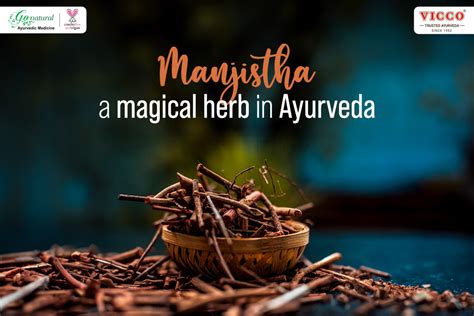
Manjistha, also known as Rubia cordifolia, is a cherished herb in the ancient science of Ayurveda. Steeped in tradition and proven through centuries of use, manjistha stands out for its remarkable ability to purify and rejuvenate the body. Let’s explore why both health professionals and wellness enthusiasts are turning to this botanical powerhouse.

I have used manjistha in drainage formulations and it is the most powerful drainage ingredient that I have worked with!

The Health Benefits of Manjistha

🩸 Natural Blood Cleanser
Manjistha is renowned for supporting healthy blood by eliminating toxins. This function not only benefits overall wellbeing but also plays a role in clearer, healthier skin.

🤸 Anti-Inflammatory Properties
Rich in natural anti-inflammatory compounds, manjistha may help manage joint pain, swelling, and various inflammatory conditions that are common in today’s fast-paced world.

🌸 Promotes Skin Glow
Traditionally used for skin conditions such as acne, eczema, and pigmentation, manjistha helps achieve a radiant, even complexion. Its cooling nature soothes rashes and irritation, making it a go-to solution for skin challenges.

💧 Lymphatic Support and Detoxification
By supporting lymphatic drainage, manjistha boosts the body’s natural detoxification process, strengthens immune function, and supports a lighter, healthier you.


Manjistha’s Role in Ayurvedic Medicine: Balancing the Doshas

Ayurveda teaches that balance among the three doshas—Vata, Pitta, and Kapha—is essential for health. Here’s how manjistha fits in:

  • Pitta Dosha:
    Manjistha has a cooling, calming effect, perfect for individuals with excess Pitta (heat). It purifies the blood, calms inflammation, and soothes conditions associated with Pitta imbalances, such as skin eruptions and irritability.
  • Kapha Dosha:
    For those with Kapha excess (congestion, sluggishness, water retention), manjistha helps stimulate lymph flow, reduce stagnation, and promote detoxification.
  • Vata Dosha:
    Although manjistha is generally cooling, it should be used cautiously in high Vata individuals, as it may aggravate coldness or dryness when used excessively.

Traditional Applications of Manjistha

  • Kwatha (Herbal Decoction):
    Used internally for cleansing the blood and supporting lymphatic health.
  • Lepa (Herbal Paste):
    Applied externally for pigmentary disorders, rashes, and other skin problems.
  • Churna (Powder):
    Consumed with honey or warm water as a daily detox for ongoing health maintenance.

Why Add Manjistha to Your Wellness Routine?
Whether you are a healthcare provider recommending herbal solutions or an individual enthusiastic about natural wellness, manjistha offers a holistic approach to purification, detoxification, and skin health.

Explore the wisdom of Ayurveda and invite manjistha into your routine for vibrant, balanced living.

If you’re a nutraceutical brand, healthcare company, or practitioner developing products in these areas, I help design and optimize formulations backed by science, efficacy, and market differentiation.

Let’s collaborate to bring advanced, evidence-informed products to life


For more insights on Ayurveda and natural health, explore my other articles at www.roblamberton.com.

#Ayurveda #Manjistha #NaturalHealing #Detox #SkinHealth #Doshas #HolisticHealth