
Category: Pharmaceuticals

In 2016 Dr. Marcus Zervos, head of infectious disease at Henry Ford Health in Detroit, a doctor who is about as pro-vaccine as they come crossed paths with Del Bigtree, a film producer and health journalist.

Bigtree urged Dr. Zervos to take on something public health had avoided for decades: a study comparing the health outcomes of vaccinated and unvaccinated children.

Dr. Zervos agreed – he was determined to prove Bigtree and other vaccine skeptics wrong. He vowed at the time “Whatever the results, they get published.”

But the results did not turn out like he expected!

But now the buried study and the film are now available

Here is a link where you can watch the documentary

Titled “Impact of Childhood Vaccination on Short- and Long-Term Chronic Health Outcomes in Children: A Birth Cohort Study”, this retrospective analysis dug into electronic health records from Henry Ford Health’s network—tracking 18,468 kids born 2005-2015 over a decade (up to 2020 follow-up).

✴️ Chronic illness overall: 57.4% in fully/ partially vaccinated vs. 17.4% in unvaccinated (adjusted odds ratio ~5.03, or 403% higher risk).

✴️ Neurodevelopmental disorders (ADHD, learning disabilities, tics, etc.): 4.53% in vaxxed vs. 0.9% unvaxxed (453% higher).

✴️ Autoimmune diseases: 496% elevated in vaxxed.

✴️ Asthma: 329% up; other atopics (eczema, allergies): 203% higher.

✴️ Zero cases of brain-related issues in the unvaxxed cohort, per their coding.

Natural immunity is of course the best defense against infections! However the problem is that many individuals are not healthy so they have poor natural defense so they rely on vaccines – but perhaps there are negative consequences on this reliance.

Belief in vaccines has been described by some as similar to a religion: perhaps it is time we re-evaluated our blind faith in vaccines.

What are your thoughts?
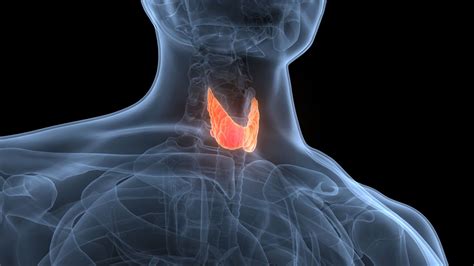
A patient comes in and presents with the following symptoms:

✅ Persistent fatigue or low energy (especially in the morning)
✅ Unexplained weight gain or difficulty losing weight
✅ Cold intolerance (feeling cold when others are comfortable)
✅ Slowed metabolism and low basal body temperature
✅ Puffy face, hands, or feet due to fluid retention
✅ Brain fog, slow thinking, poor concentration
✅ Low mood, mild depression
✅ Constipation or sluggish digestion
✅ Brittle nails or slow nail growth
✅ Muscle weakness
✅ Bradycardia
✅ Hair loss with normal labs

Diagnosis: Hypothyroidism!

Solution: Prescribe them some levothyroxine or desiccated thyroid – right?

Maybe wrong!

There are many causes/conditions that can mimic hypothyroidism such as:

1️⃣ Adrenal Dysregulation (Cortisol Imbalance)
2️⃣ Low Cellular Conversion (Deiodinase Dysfunction)
3️⃣ Chronic Inflammation / Cytokine Load
4️⃣ Mitochondrial Dysfunction
5️⃣ Insulin Resistance & Blood Sugar Dysregulation
6️⃣ Estrogen Dominance or Altered Liver Clearance
7️⃣ Nutrient Deficiencies (Especially Tyrosine, Iodine, Selenium, Iron, and B Vitamins)
8️⃣ Environmental Toxicant Load (Fluoride, Bromide, Heavy Metals)
9️⃣ Gut Dysbiosis and Endotoxin Load
10️⃣ Non-Thyroidal Illness Syndrome (NTIS)

Some key markers to look at:


❇️ Cortisol pattern (DHEA/C ratio)
❇️ Ferritin, zinc, selenium
❇️ Reverse T3
❇️ Inflammatory markers (hs-CRP, IL-6)
❇️ Sex hormone profile
❇️ Nutrient status (B vitamins, tyrosine, iodine)
❇️ Mitochondrial function markers (organic acids, lactate/pyruvate ratio)

If I was working with this patient, I would want to run them through a comprehensive panel of functional labs:

✴️ 24 hour cortisol
✴️ DHEA-S
✴️ Cortisol/DHEA ratio
✴️ Sum Cortisol: DHEA-S
✴️ Testosterone
✴️ Estradiol
✴️ Progesterone
✴️ Progesterone/Estradiol Ratio
✴️ Noon melatonin (Immune system function)
✴️ SIgA
✴️ Indican (protein digestion)
✴️Total bile acids
✴️ 8-OHdG – oxidative damage/ROS
✴️ Zonulin
✴️ Histamine
✴️ DAO (Diamine Oxidase)
✴️Histamine/DAO ratio
✴️ GI-MAP
✴️ Metabolic Typing Diet
✴️ MRT (Mediator Release Test) – food sensitivities

Combined with a detailed intake process, I would then be able to get a true picture of what is going on with this patient and then be able to design a protocol for them to help them to resolve their health issues and improve their quality of life

People are fed up with the “trial and error” approach to trying to get better! They go to their provider and they are told that their labs are within “lab range” and there is nothing wrong with them!

This is where the functional approach becomes so powerful!

If you are in the functional space, have you had similar experiences to this where you have helped patients on the “trial and error” treadmill resolve their health issues?

#healthcare #functionalmedicine #naturopathicmedicine #integrativemedicine #healthspan #nutrition #pharmaceuticals #allopathicmedicine #functionallabs #health #patientcare

A new systematic review led by researchers from Harvard T.H. Chan School of Public Health and the Icahn School of Medicine at Mount Sinai has strengthened evidence that acetaminophen (Tylenol®) use during pregnancy may increase the risk of neurodevelopmental disorders, including autism spectrum disorder (ASD) and attention-deficit hyperactivity disorder (ADHD) in children.

​The team analyzed 46 studies using the Navigation Guide Systematic Review methodology, a gold-standard framework for evaluating environmental health data. They found that higher-quality studies were more likely to show consistent associations between prenatal acetaminophen exposure and later diagnoses of autism or ADHD.

Importantly, the researchers stress that acetaminophen remains necessary for controlling fever and pain during pregnancy, which, if left untreated, can also endanger fetal development. The message isn’t to eliminate its use entirely, but to balance potential risks with the therapeutic benefits—using the lowest dose for the shortest time under medical guidance.

The Biochemical Dimension: Glutathione and Fetal Brain Vulnerability

As Dr. Ben Lynch, ND, has emphasized in his educational content, one key biological link involves glutathione depletion. Acetaminophen metabolism consumes this potent intracellular antioxidant—vital for detoxification and protection against oxidative stress. During pregnancy, when both maternal and fetal systems experience heightened metabolic demands, reduced glutathione may lower resilience against oxidative damage or epigenetic changes that impact brain development.

​This mechanism aligns with findings from Harvard, Mount Sinai, and Yale researchers noting that oxidative stress, hormonal disruption, and gene expression changes are plausible biological pathways underlying this correlation, even if causality has not been formally proven.

​Clinical and Public Health Implications

With global rates of ASD and ADHD continuing to climb, these findings call for a re-examination of clinical guidelines and increased education for both healthcare providers and patients. Updated recommendations may involve:

  • Encouraging judicious and medically supervised acetaminophen use during pregnancy
  • Considering non-pharmacologic pain management approaches where safe
  • Supporting antioxidant capacity and detoxification pathways, including nutrients that help maintain glutathione levels

While further research is underway to clarify causality, this growing body of evidence invites renewed attention to the delicate intersection between maternal health, medication safety, and early neurodevelopment.

(References: Harvard T.H. Chan School of Public Health, ScienceDaily, Mount Sinai, Yale University, Instagram content by Dr. Ben Lynch ND)

  • 1
  • 2