Category: Pharmaceuticals

Monday Morning Market Report

Nutritional Supplements & Functional Drinks

March 2, 2026

Each week the nutritional supplement and functional beverage industry provides a snapshot of where consumer demand, ingredient innovation, and product formulation are heading.

The signals emerging this week point toward one clear theme:

The convergence of metabolic health, convenience, and functional delivery systems.

The line between supplements, beverages, and everyday foods continues to blur.

Here are the developments worth paying attention to.


1. Gut Health Continues to Dominate Innovation

Gut health remains one of the most active innovation spaces in the supplement industry.

Recent product launches and formulation strategies increasingly target the gut–brain axis, linking digestive health to mood, cognition, and metabolic regulation.

Brands launching new microbiome-focused formulations include companies such as Daily Nouri, O Positiv, and Cymbiotika, each emphasizing combinations of:

  • Prebiotic fibers
  • Next-generation probiotics
  • Postbiotics
  • Gut-supporting amino acids such as L-glutamine

Rather than simple digestive products, these formulations are now positioned as system-wide metabolic and neurological support tools.

For formulators, this trend reinforces an important shift: microbiome support is no longer a niche digestive category—it is becoming a central platform for multiple health claims.


2. Creatine Expands Beyond Sports Nutrition

Creatine continues to move rapidly beyond its traditional bodybuilding audience.

Increasingly, creatine is being positioned for:

  • Cognitive performance
  • Women’s health
  • Healthy aging
  • General metabolic support

Market projections suggest the global creatine market could reach approximately $4.2 billion by 2030, reflecting its growing acceptance as a general wellness compound rather than a purely athletic supplement.

One notable shift is the rapid expansion of consumer-friendly formats, including gummies, sachets, and functional beverage integrations.

For product developers, creatine now represents one of the few ingredients with strong clinical credibility that can be repositioned across multiple categories.


3. Healthy Aging Ingredients Continue Their Rise

Several ingredients associated with longevity and cellular metabolism continue gaining momentum in the supplement industry.

Among the most discussed in current product development pipelines:

  • NMN and NAD-related compounds
  • Shilajit
  • Sea moss

Companies such as Layn Natural Ingredients are expanding the NAD pathway category, preparing high-purity NAD ingredients alongside their existing NMN offerings.

This reflects a broader industry movement toward healthy aging formulations that target mitochondrial health, metabolic resilience, and cellular repair pathways.

Rather than single ingredients, many companies are now building multi-pathway longevity stacks.


4. Functional Beverages Move Beyond Hydration

Functional beverages continue evolving from simple hydration products into targeted health delivery systems.

Industry trend reports now describe this shift as “Beverages with Purpose.”

These drinks are increasingly formulated to support:

  • Energy and focus
  • Stress resilience
  • Immune health
  • Metabolic regulation
  • Gut health

Key ingredients currently driving beverage innovation include:

Adaptogens

  • Ashwagandha
  • Reishi

Nootropics

  • L-theanine
  • Lion’s mane mushroom

Microbiome support

  • Probiotics
  • Prebiotic fibers

At the same time, large beverage companies are entering the category with functional soda products, signaling that gut-health drinks may soon compete directly with traditional soft drinks.


5. Protein Innovation Responds to GLP-1 Demand

One of the most interesting formulation shifts is being driven by the rise of GLP-1 medications.

Consumers using these medications often require higher nutrient density in smaller volumes, which is influencing product development across both supplements and functional beverages.

Ingredient companies are responding.

For example, Roquette recently introduced NUTRALYS Pea 850F, a new pea protein isolate designed to solve one of the major challenges in plant protein products: off-flavor and bitterness.

Improved sensory profiles could significantly expand the use of plant proteins in:

  • Ready-to-drink protein beverages
  • Functional meal replacements
  • High-protein snack foods

6. Stress and Cortisol Support Products Expand

Stress management formulations continue to see strong growth.

One product attracting attention ahead of Expo West 2026 is CAVU Nutrition’s ThymoQuin Cortisol Support, built around TriNutra’s standardized black seed extract.

Clinical research suggests this ingredient may support reductions in cortisol while improving sleep and mood markers.

This reflects the broader rise of what some analysts call the “Anxiety Economy,” where consumers increasingly seek nutritional solutions for stress resilience.

Common ingredients appearing in these products include:

  • Saffron extract
  • Adaptogenic botanicals
  • Probiotics
  • Polyphenol-rich extracts

7. Regulatory Pressure Is Increasing

While innovation continues at a rapid pace, the regulatory environment is tightening.

In the United States, the FDA is signaling increased scrutiny of self-GRAS ingredient designations and NDIN pathways.

This could raise the barrier to entry for smaller supplement brands relying on novel ingredients without robust safety documentation.

For the industry, this means that clinical evidence, regulatory compliance, and ingredient transparency will become increasingly important competitive advantages.


Final Thoughts

Taken together, this week’s developments highlight several structural trends shaping the future of nutritional products:

• Gut health is evolving into a multi-system metabolic platform
• Creatine is transitioning into mainstream wellness and cognitive health
• Functional beverages are becoming health delivery systems
• GLP-1 medications are reshaping nutrient density requirements
• Healthy aging ingredients are driving longevity-focused product design

For formulation scientists, practitioners, and product developers, the opportunity lies in designing products that combine clinical credibility, sensory performance, and consumer convenience.

The next generation of supplements and functional beverages will likely emerge at the intersection of those three forces.


Work With Me

If you are a clinic, practitioner, or company developing nutritional supplements, botanicals, or functional beverages, I provide formulation strategy and development grounded in systems physiology and real-world clinical application.

HealthspanFormulations.com

For individuals or practitioners seeking clinical consulting rooted in systems homeostasis and metabolic regulation:

OptimumHealthConsulting.com


#ProductFormulation
#NutraceuticalInnovation
#FunctionalBeverages
#SupplementIndustry
#GutHealth
#HealthyAging
#SportsNutrition
#FunctionalMedicine
#RobLamberton
#RobertLamberton
Systems Homeostasis Perspective

This article approaches gastrointestinal, immune, and neurological reactivity through a systems homeostasis lens—focusing on regulation, tolerance, and recovery rather than symptom suppression or isolated mechanisms.

Why “Histamine Intolerance” Is Usually a Barrier and Regulation Disorder

Histamine intolerance is increasingly common in integrative and functional medicine practices. Individuals present with food reactions, flushing, headaches, anxiety, gut symptoms, rashes, palpitations, or a sense that “everything triggers me now.”

The usual explanations focus on food lists, genetics, or histamine suppression. While these approaches can reduce symptoms temporarily, they often fail to explain why tolerance was lost in the first place.

From a systems homeostasis perspective, histamine intolerance is rarely a primary histamine problem. It is most often a barrier, degradation, immune, and nervous system regulation problem.


Histamine Is a Normal Signal, Not a Toxin

Histamine is an essential signaling molecule involved in immune surveillance, gastric acid secretion, vascular tone, neurotransmission, and tissue repair.

In a regulated system, histamine rises and falls appropriately and is rapidly degraded. Problems arise not because histamine exists, but because clearance and resolution fail to keep pace with signaling load.


DAO: Degradation Capacity, Not a Cure

Diamine oxidase (DAO) is the primary enzyme responsible for degrading luminal histamine in the gut. It is produced by healthy enterocytes and functions as a first-pass clearance mechanism.

DAO capacity is reduced by intestinal inflammation, mucosal injury, oxidative stress, impaired nutrient status, and loss of epithelial integrity.

DAO supplementation can reduce symptoms, but it does not resolve the upstream reason DAO production declined. When used as a permanent strategy, it often masks barrier failure rather than correcting it. DAO is best understood as temporary load management, not resolution.


Zonulin and Barrier Regulation

Zonulin regulates intestinal tight junctions and therefore permeability. Elevated zonulin reflects loss of barrier control, allowing luminal antigens to interact with the immune system.

This has two critical consequences:

  • Immune activation increases histamine release
  • DAO production declines as enterocyte health deteriorates

Barrier dysfunction therefore both raises histamine signaling and reduces histamine clearance at the same time.


Mast Cells: Effectors, Not the Root Cause

Mast cells are highly sensitive immune sentinels concentrated at barrier surfaces. In a regulated system, mast cell activation is precise, proportional, and self-resolving.

In dysregulated systems, mast cells become chronically reactive—not because they are defective, but because the environment remains threatening.

Drivers of mast cell overactivity include:

  • barrier disruption
  • persistent immune signaling
  • impaired histamine degradation
  • nervous system threat signaling

Mast cells are responding appropriately. The system is failing to resolve the signal.


Nervous System Signaling and Histamine Reactivity

Mast cells express receptors for stress-related neuropeptides such as CRH and substance P. Chronic stress, sympathetic dominance, and low vagal tone lower the activation threshold for mast cell degranulation.

This explains why symptoms flare with stress, feel unpredictable, and often improve when the system is calmed—even before laboratory markers normalize.

Histamine intolerance is therefore both an immune and a neuro-regulatory phenomenon.


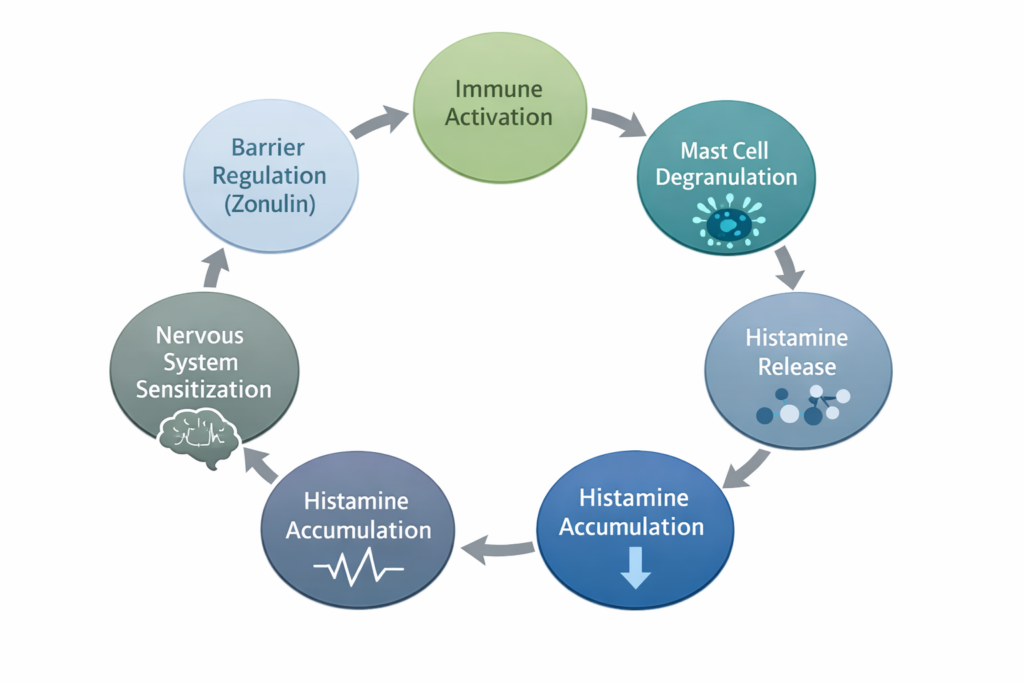
The Systems Loop

Taken together, the pattern is clear:

Barrier disruption (zonulin)

→ immune activation

→ mast cell degranulation

→ histamine release

→ reduced DAO clearance

→ histamine accumulation

→ nervous system sensitization

→ further mast cell activation and barrier stress

Suppressing one node shifts load elsewhere. Resolution requires restoring regulation.


Why Food Avoidance and DAO Alone Fail

Low-histamine diets and DAO supplementation reduce incoming load but do not restore barrier integrity, normalize immune tone, rebuild enzymatic capacity, or recalibrate nervous system signaling.

Over time, restriction often reduces resilience further, reinforcing sensitivity instead of restoring tolerance.


A note on Mast Cell Activation Syndrome (MCAS)

It’s important to distinguish between mast cell overactivity within a dysregulated system and true mast cell activation syndromes.

Many individuals experiencing histamine intolerance do not have primary mast cell disease. In these cases, mast cells are responding appropriately to unresolved immune, barrier, and nervous system threat signals.

There are, however, situations where mast cell activation becomes persistent and poorly regulated, requiring a different level of clinical consideration. Because this distinction matters—both clinically and ethically—a separate article will follow examining Mast Cell Activation Syndrome (MCAS) through a systems homeostasis lens.


Systems Reminder

Interventions only work when the system has the capacity to tolerate them.

DAO reduces histamine load.

Tolerance returns only when barrier regulation, immune signaling, and nervous system tone are restored.


How I Work

I approach health, formulation, and clinical decision-making through a systems homeostasis framework, prioritizing capacity, tolerance, recovery, and regulation before escalation. Rather than chasing symptoms, markers, or isolated pathways, I focus on sequencing interventions so the system can safely respond instead of being overwhelmed.

I’m honored to share that I have joined First Compounding Pharmacy Limited (FCPL) in Nairobi, Kenya as Chief Operations Officer & Head of Compounding Formulation.

This role marks a major milestone in my career and an unprecedented opportunity to help transform healthcare across Kenya and the broader East African region.


Why This Work Matters

Many of the tools we take for granted in North America —
✓ personalized formulations
✓ pharmaceutical-grade compounding services
✓ bioidentical hormone preparations
✓ functional & integrative medicine training
✓ nutrition-based metabolic assessment
are not yet widely available in East Africa.

At FCPL, we are changing that.

Our mission is to introduce world-class, evidence-based compounding and integrative healthcare solutions that will dramatically expand what is possible for clinicians and their patients throughout the region.


My Role at FCPL

As COO and Head of Compounding Formulation, I will be leading:

🔬 Compounding formulation (sterile & non-sterile)
🌿 Development of a 46-SKU botanical precision-medicine range
📊 Operational systems & quality assurance integration
🎓 Practitioner education programs in functional nutrition, integrative medicine, and metabolic assessment
💡 Clinical translation of regenerative and longevity protocols
My goal is to help build the most advanced compounding and integrative health platform in East Africa, setting new standards for safety, efficacy, and patient outcomes.


Background & Experience I Bring to This Role

With more than 15 years in functional medicine, nutritional biochemistry, lab-based assessment, and formulation science, my work has included:

• Master nutraceutical formulation for Healthspan Formulations and Cell Factors Regenerative Medicine
• Leading development of next-generation metabolic and regenerative formulations
• Thousands of clinical assessments using arterial pulse wave velocity, bioimpedance, and functional blood chemistry
• Teaching roles at Boucher Naturopathic Medical School (Vancouver)
• Building multimillion-dollar clinical distribution and education programs
• Training hundreds of practitioners across North America in functional and integrative frameworks

This new chapter allows me to apply that experience toward building healthcare capacity where it is needed most.


A Transformational Opportunity for Kenya & East Africa

FCPL represents the first large-scale initiative to bring:

• Compounding pharmacy services
• Bioidentical hormone options
• Evidence-based botanical formulations
• Functional nutrition training
• Integrative oncology support
• Dietary metabolic typing and personalized nutrition

…into a region where these services are just beginning to emerge.

It is a privilege to help lead this effort.


Thank You

I’m deeply grateful to everyone who supported my professional journey and encouraged me to pursue meaningful, high-impact work around the world.

I look forward to collaborating with clinicians, researchers, and partners across Kenya and East Africa to advance a new standard of personalized, integrative healthcare.

By Rob Lamberton, BSc, FNTP, FDN-P (Candidate)
Product Formulator & Functional Health Consultant
roblamberton.com

🌿 Rediscovering a Forgotten Element

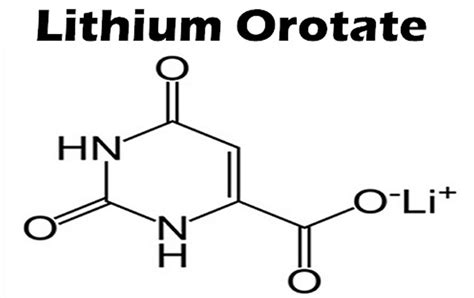
Lithium — one of Earth’s simplest elements — has an unexpectedly profound relationship with human biology. For decades, lithium carbonate (LC) has been prescribed in psychiatry as a potent mood stabilizer. But recent research has reignited interest in a far gentler form: lithium orotate (LO), a micro-dose compound now being explored for its potential neuroprotective and longevity benefits.

A 2025 Nature study from Harvard Medical School revealed a startling finding: brain lithium deficiency correlated with Alzheimer’s-like changes in both human and animal brain tissue. Even more striking, when researchers administered low-dose lithium orotate, it reversed these pathological changes, improved mitochondrial health, and restored memory function in Alzheimer’s-model mice (Aron L et al., Nature, 2025).

This study, along with several human and ecological data sets, is reframing lithium not as a psychiatric drug — but as a trace brain nutrient essential for long-term neurological integrity.


🧬 How Lithium Protects the Brain

At micro levels, lithium interacts with cellular pathways that regulate neuroplasticity, mitochondrial function, and oxidative stress. Its key actions include:

  • GSK-3β modulation, reducing tau phosphorylation and amyloid plaque buildup (major Alzheimer’s mechanisms)
  • Upregulation of BDNF, supporting neurogenesis and synaptic repair
  • Stabilization of neuronal calcium and glutamate signaling, improving stress tolerance and mood regulation
  • Reduction of neuroinflammation, preserving mitochondrial DNA integrity

A landmark 15-month human trial (Nunes MA et al., J Alzheimer’s Dis., 2013) showed that micro-dose lithium stabilized cognition in Alzheimer’s patients versus placebo. Meanwhile, global population studies (Fraiha-Pegado J et al., Nutrients, 2024) show that communities with higher trace lithium levels in drinking water have lower rates of dementia and suicide.

Together, these data suggest that trace lithium plays a subtle but essential neuroprotective role — one that may help safeguard cognitive longevity.


⚖️ Lithium Orotate vs. Lithium Carbonate: The Critical Distinction

While both compounds deliver the same elemental ion (Li⁺), their pharmacology, safety, and intended use differ dramatically.

Lithium Orotate (LO)

  • Available as an over-the-counter supplement
  • Typically delivers ~5 mg elemental Li⁺ per capsule
  • Used at micro-doses for nutritional and neuroprotective support
  • Human data indicate a low toxicity profile at these doses (Murbach TS et al., Regul Toxicol Pharmacol., 2021)

Lithium Carbonate (LC)

  • Prescription medication for bipolar disorder and mood stabilization
  • Provides 100–300 mg elemental Li⁺ daily
  • Requires regular blood-level monitoring
  • Associated with renal and thyroid toxicity during long-term use (Gong R et al., Kidney Int Rep., 2016)

Both provide lithium — but their dose magnitude and biological outcomes are profoundly different. LO functions as a nutritional cofactor, not a pharmaceutical intervention.


⚠️ Safety First

Although LO’s preclinical safety profile is strong, human data remain limited. Practitioners and consumers alike should use it with respect and professional guidance.

Avoid use:

  • During pregnancy or breastfeeding
  • In cases of renal impairment or thyroid disease
  • Alongside diuretics, sedatives, or prescription lithium carbonate

Micro-dosing (1–5 mg elemental Li⁺ daily) appears well-tolerated, but higher doses risk crossing into pharmacologic territory.


💡 Formulator’s Insight

As a Product Formulator & Functional Health Consultant, I view lithium orotate as one of the most promising precision micronutrients in neuro-longevity science.

In properly structured formulas, LO can play a supportive role in mood, focus, and cognitive resilience formulations — especially when synergized with:

  • Adaptogens like Rhodiola rosea and Ashwagandha for HPA-axis balance
  • Nootropics like Bacopa monnieri, L-Theanine, and phosphatidylserine for focus and clarity
  • Mitochondrial nutrients such as CoQ10, Acetyl-L-Carnitine, and PQQ for energy and neuroprotection

In these combinations, LO acts not as a drug but as a trace element catalyst — gently supporting synaptic signaling, mood stability, and mitochondrial repair.

The next evolution in formulation science will integrate compounds like LO within multi-pathway brain health systems that combine adaptogenic, mitochondrial, and genomic support.


🧩 The Future of “Neuro-Longevity”

Lithium orotate represents a bridge between psychiatry and functional medicine — a small molecule with outsized potential for neural preservation and emotional balance.

It may soon join other “longevity micronutrients” such as ergothioneine, nicotinamide riboside, and sulforaphane as part of a new generation of evidence-based, neuroprotective formulations that focus on healthspan rather than disease treatment.


📚 Key References

  1. Aron L, et al. Nature, 2025 — “Brain Lithium Deficiency and Alzheimer’s Pathology.”
  2. Nunes MA, et al. J Alzheimer’s Dis., 2013 — “Microdose Lithium Stabilizes Cognitive Decline.”
  3. Fraiha-Pegado J, et al. Nutrients, 2024 — “Trace Lithium in Water and Dementia Risk.”
  4. Murbach TS, et al. Regul Toxicol Pharmacol., 2021 — “Toxicological Evaluation of Lithium Orotate.”
  5. Gong R, et al. Kidney Int Rep., 2016 — “Lithium and the Kidney.”
  6. Kory P, Substack – The Forgotten Elements, 2025 — “Micro-Lithium and Brain Aging.”

🤝 Work With Me

I collaborate with nutraceutical companies, functional clinics, and longevity brands to develop evidence-based product formulations for cognitive, mood, and mitochondrial health.

If your organization is creating the next generation of nootropic, adaptogenic, or brain-longevity products, let’s connect.

🌐 roblamberton.com

🌿 Rediscovering a Forgotten Element

Lithium — one of Earth’s simplest elements — has an unexpectedly profound relationship with human biology. For decades, lithium carbonate (LC) has been prescribed in psychiatry as a potent mood stabilizer. But recent research has reignited interest in a far gentler form: lithium orotate (LO), a micro-dose compound now being explored for its potential neuroprotective and longevity benefits.

A 2025 Nature study from Harvard Medical School revealed a startling finding: brain lithium deficiency correlated with Alzheimer’s-like changes in both human and animal brain tissue. Even more striking, when researchers administered low-dose lithium orotate, it reversed these pathological changes, improved mitochondrial health, and restored memory function in Alzheimer’s-model mice (Aron L et al., Nature, 2025).

This study, along with several human and ecological data sets, is reframing lithium not as a psychiatric drug — but as a trace brain nutrient essential for long-term neurological integrity.


🧬 How Lithium Protects the Brain

At micro levels, lithium interacts with cellular pathways that regulate neuroplasticity, mitochondrial function, and oxidative stress. Its key actions include:

  • GSK-3β modulation, reducing tau phosphorylation and amyloid plaque buildup (major Alzheimer’s mechanisms)
  • Upregulation of BDNF, supporting neurogenesis and synaptic repair
  • Stabilization of neuronal calcium and glutamate signaling, improving stress tolerance and mood regulation
  • Reduction of neuroinflammation, preserving mitochondrial DNA integrity

A landmark 15-month human trial (Nunes MA et al., J Alzheimer’s Dis., 2013) showed that micro-dose lithium stabilized cognition in Alzheimer’s patients versus placebo. Meanwhile, global population studies (Fraiha-Pegado J et al., Nutrients, 2024) show that communities with higher trace lithium levels in drinking water have lower rates of dementia and suicide.

Together, these data suggest that trace lithium plays a subtle but essential neuroprotective role — one that may help safeguard cognitive longevity.


⚖️ Lithium Orotate vs. Lithium Carbonate: The Critical Distinction

While both compounds deliver the same elemental ion (Li⁺), their pharmacology, safety, and intended use differ dramatically.

Lithium Orotate (LO)

  • Available as an over-the-counter supplement
  • Typically delivers ~5 mg elemental Li⁺ per capsule
  • Used at micro-doses for nutritional and neuroprotective support
  • Human data indicate a low toxicity profile at these doses (Murbach TS et al., Regul Toxicol Pharmacol., 2021)

Lithium Carbonate (LC)

  • Prescription medication for bipolar disorder and mood stabilization
  • Provides 100–300 mg elemental Li⁺ daily
  • Requires regular blood-level monitoring
  • Associated with renal and thyroid toxicity during long-term use (Gong R et al., Kidney Int Rep., 2016)

Both provide lithium — but their dose magnitude and biological outcomes are profoundly different. LO functions as a nutritional cofactor, not a pharmaceutical intervention.

Of Note: Here in Canada, Health Canada does not distinguish between Lithium Orotate and Lithium Carbonate – they consider both to be restricted prescription drugs!


⚠️ Safety First

Although LO’s preclinical safety profile is strong, human data remain limited. Practitioners and consumers alike should use it with respect and professional guidance.

Avoid use:

  • During pregnancy or breastfeeding
  • In cases of renal impairment or thyroid disease
  • Alongside diuretics, sedatives, or prescription lithium carbonate

Micro-dosing (1–5 mg elemental Li⁺ daily) appears well-tolerated, but higher doses risk crossing into pharmacologic territory.


💡 Formulator’s Insight

As a Product Formulator & Functional Health Consultant, I view lithium orotate as one of the most promising precision micronutrients in neuro-longevity science.

In properly structured formulas, LO can play a supportive role in mood, focus, and cognitive resilience formulations — especially when synergized with:

  • Adaptogens like Rhodiola rosea and Ashwagandha for HPA-axis balance
  • Nootropics like Bacopa monnieri, L-Theanine, and phosphatidylserine for focus and clarity
  • Mitochondrial nutrients such as CoQ10, Acetyl-L-Carnitine, and PQQ for energy and neuroprotection

In these combinations, LO acts not as a drug but as a trace element catalyst — gently supporting synaptic signaling, mood stability, and mitochondrial repair.

The next evolution in formulation science will integrate compounds like LO within multi-pathway brain health systems that combine adaptogenic, mitochondrial, and genomic support.


🧩 The Future of “Neuro-Longevity”

Lithium orotate represents a bridge between psychiatry and functional medicine — a small molecule with outsized potential for neural preservation and emotional balance.

It may soon join other “longevity micronutrients” such as ergothioneine, nicotinamide riboside, and sulforaphane as part of a new generation of evidence-based, neuroprotective formulations that focus on healthspan rather than disease treatment.


📚 Key References

  1. Aron L, et al. Nature, 2025 — “Brain Lithium Deficiency and Alzheimer’s Pathology.”
  2. Nunes MA, et al. J Alzheimer’s Dis., 2013 — “Microdose Lithium Stabilizes Cognitive Decline.”
  3. Fraiha-Pegado J, et al. Nutrients, 2024 — “Trace Lithium in Water and Dementia Risk.”
  4. Murbach TS, et al. Regul Toxicol Pharmacol., 2021 — “Toxicological Evaluation of Lithium Orotate.”
  5. Gong R, et al. Kidney Int Rep., 2016 — “Lithium and the Kidney.”
  6. Kory P, Substack – The Forgotten Elements, 2025 — “Micro-Lithium and Brain Aging.”

🤝 Work With Me

I collaborate with nutraceutical companies, functional clinics, and longevity brands to develop evidence-based product formulations for cognitive, mood, and mitochondrial health.

If your organization is creating the next generation of nootropic, adaptogenic, or brain-longevity products, let’s connect.

🌐 roblamberton.com

Overview

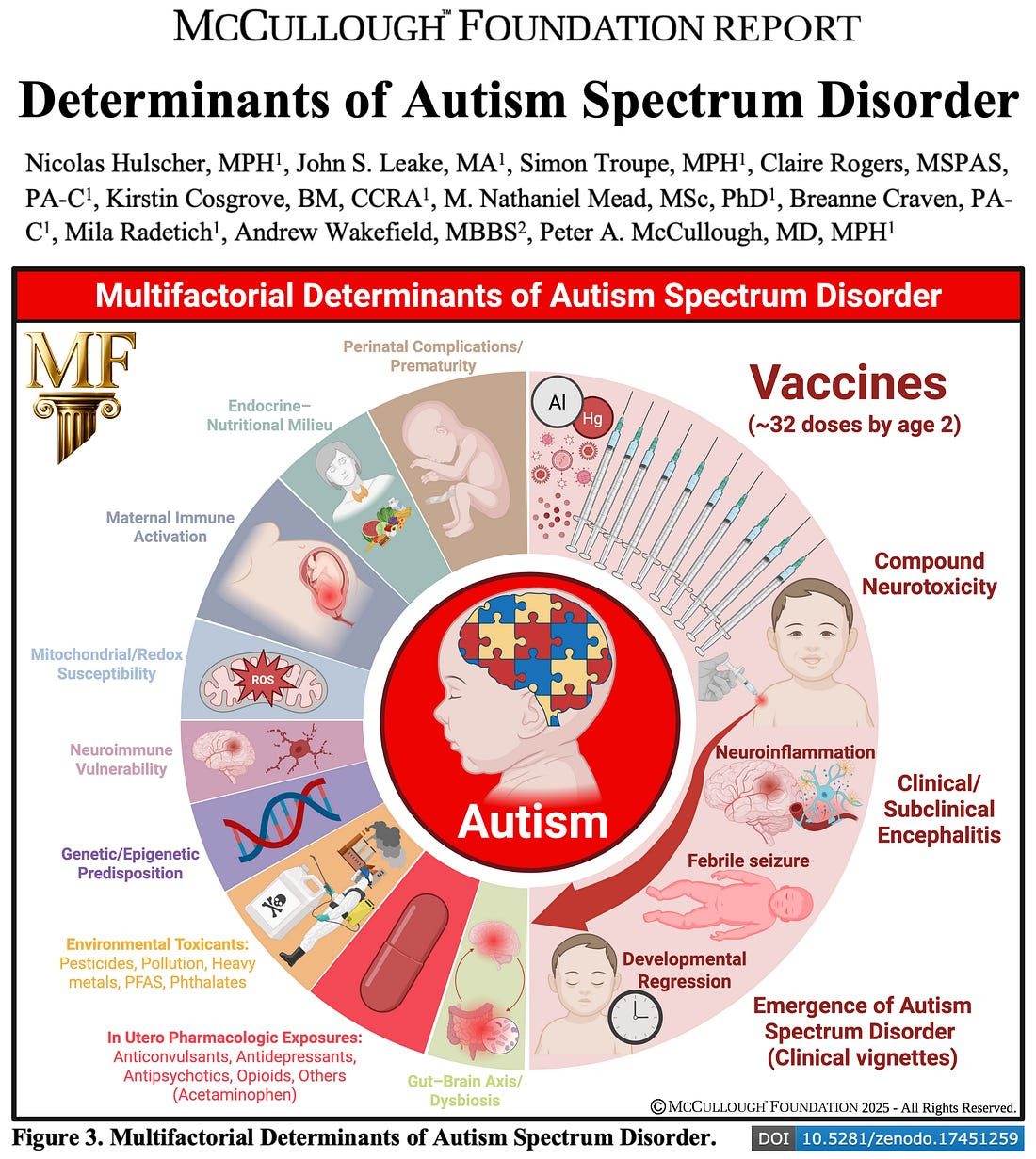
The McCullough Foundation’s latest meta-analysis, led by Nicolas Hulscher, MPH, and a multidisciplinary research team, reviews over 300 studies examining possible causes of autism. This comprehensive synthesis maps genetic, environmental, immune, and vaccine-related risk factors, offering an unprecedented perspective on Autism Spectrum Disorder (ASD).


Key Findings

  • Vaccine Studies:
    Out of 136 scientific studies on vaccines, 107 (79%) found evidence for a possible vaccine-ASD link.
  • Unvaccinated vs. Vaccinated Children:
    Twelve studies directly compared fully vaccinated with completely unvaccinated children; all reported significantly better overall health—including lower ASD risks—in the unvaccinated group.
  • Mechanistic Evidence:
    Studies reveal converging mechanisms such as immune dysregulation, mitochondrial stress, and neuroinflammation triggered by vaccine components during critical periods of brain development.
  • Other ASD Risk Factors:
    Older parental age, prematurity, genetics, toxins, maternal immune activation, drug exposure, and gut-brain axis changes play confirmed but less dominant roles. None fully explain the surge in autism prevalence coinciding with the expansion of pediatric vaccine schedules in the U.S. after 1986.
  • Research Gaps:
    No study has yet reviewed the full cumulative pediatric vaccine schedule for long-term neurodevelopmental outcomes.

Practitioner Insight

As both public demand and clinical questions about ASD continue to grow, practitioners are uniquely positioned to guide nuanced, evidence-informed discussions with families. This report highlights the need for:

  • Thorough evaluation and communication about all potential ASD risk factors—including vaccine-related exposures—while respecting individual family circumstances.
  • Advocacy for comprehensive, unbiased research, especially studies with truly unvaccinated control groups and full-schedule assessments.
  • Monitoring of neurodevelopmental health in patients—especially those with family risk factors or early-life exposures—using both conventional and integrative approaches to prevention and wellness.

Healthcare professionals are encouraged to stay updated on emerging research, support informed shared decision-making, and maintain vigilance for new data guiding practice and policy.


Call to Action

For Practitioners:

  • Review the full McCullough Foundation report and related press releases (see References below).
  • Consider discussing these findings with peers and in professional forums to foster critical dialogue and ethical research priorities.
  • Urge research institutions and policymakers to prioritize long-term studies addressing the cumulative impact of the pediatric vaccine schedule.

For Families and the Public:

  • Seek out reputable sources and read the full report to understand the multifactorial nature of ASD risk.
  • Discuss all health and vaccine decisions—and concerns—openly with trusted healthcare providers.
  • Join advocacy efforts calling for comprehensive autism and vaccine safety research.

Together, the healthcare community and the public can support a new era of transparency and scientific rigor for the benefit of children’s health.


References & Further Reading

Author Acknowledgments:
Nicolas Hulscher, MPH, John S. Leake, MA, Simon Troupe, MPH, Claire Rogers, MSPAS, PA-C, Kirstin Cosgrove, BM, CCRA, M. Nathaniel Mead, MSc, PhD, Bre Craven, PA-C, Mila Radetich, Andrew Wakefield, MBBS, and Peter A. McCullough, MD, MPH, with thanks to the Bia-Echo Foundation.

By Dr. Richard Z. Cheng, M.D., Ph.D.
Editor-in-Chief, Orthomolecular Medicine News Service
Adapted for RobLamberton.com


⚖️ A Landmark Discovery — And the Question It Didn’t Answer

The 2025 Nobel Prize in Medicine celebrated groundbreaking research explaining how our immune system maintains balance. Scientists discovered how regulatory T cells (Tregs) and the FOXP3 gene keep the immune system from attacking its own tissues — a molecular key to understanding tolerance and autoimmunity.

But while this discovery explains how immune balance is maintained, it leaves unanswered the deeper question:

“Why does this balance so often fail — and why now more than ever?”

That’s where Orthomolecular Medicine comes in.


🌿 The Orthomolecular Perspective: Root Cause Healing

Orthomolecular Medicine looks upstream — at what creates the imbalance in the first place.

Modern living constantly disrupts the redox–metabolic networks that regulate immune function. These aren’t random events. They are predictable biochemical consequences of nutrient depletion, oxidative stress, and toxic exposure — all products of our modern environment and lifestyle.


🍞 1️⃣ Diet: The Everyday Immune Saboteur

The Nobel Prize explained that Tregs calm inflammation.
Orthomolecular Medicine adds: a modern diet rich in processed foods, seed oils, and refined carbs silences those protectors.

High blood sugar and oxidative stress push immune cells toward inflammation. In contrast, whole-food, low-carb, antioxidant-rich diets restore balance and produce butyrate, a compound that reactivates FOXP3 — the immune system’s peacekeeper.

✅ Within weeks, better nutrition and movement can restore immune balance at its source — often achieving what billion-dollar drugs attempt to mimic.


☀️ 2️⃣ Micronutrients: The Foundation of Immune Tolerance

  • Vitamin D3 activates the FOXP3 gene through the vitamin D receptor.
  • Vitamin C helps “unmethylate” and stabilize this gene via enzyme activation.
  • Niacin (vitamin B3) and butyrate promote immune tolerance through GPR109A signaling.

When these nutrients are low — as they often are — immune regulation falters.
Replenishing them is not “alternative medicine.” It’s cellular maintenance — the foundation of immune resilience.


☣️ 3️⃣ Toxins & Stress: Breaking Redox Control

Air pollution, pesticides, plastics, and chronic stress generate oxidative injury that suppresses FOXP3 and promotes inflammatory dominance.

This toxic overload is one of the hidden autoimmune triggers of our era.
Orthomolecular detoxification — supporting liver, gut, and mitochondrial function — helps rebuild the redox terrain on which immune balance depends.


💥 The Ten Root Causes of Immune Imbalance

  1. Poor diet and metabolic stress
  2. Micronutrient deficiencies
  3. Environmental toxins
  4. Gut microbiome imbalance
  5. Hormonal dysregulation
  6. Chronic stress
  7. Physical inactivity
  8. Overmedication (polypharmacy)
  9. Epigenetic instability
  10. Early-life nutritional deficits

Across all ten, the common denominator is mitochondrial and redox injury.


🌿 How Orthomolecular Medicine Rebuilds Balance

  • Nutrition first: Real food, balanced carbs, rich in antioxidants
  • Micronutrient repletion: Vitamins C, D3, B3, Zn, Mg, Se
  • Detoxification: Reduce toxins, rebuild glutathione, repair the gut
  • Lifestyle optimization: Movement, sleep, stress recovery, hormone balance

These are not fringe therapies — they are biochemical first aid for the modern world.


💡 The Takeaway

The Nobel scientists revealed how the immune system maintains balance.
Orthomolecular Medicine explains why it fails — and how to restore it.

When we repair the terrain, FOXP3 and Tregs do what evolution designed them to do — keep us in balance naturally.


📖 Learn more at Orthomolecular.org

  • 1
  • 2