As a nutritional supplement formulator and consultant, I’m always searching for ingredients that actively modulate the biological pathways of aging
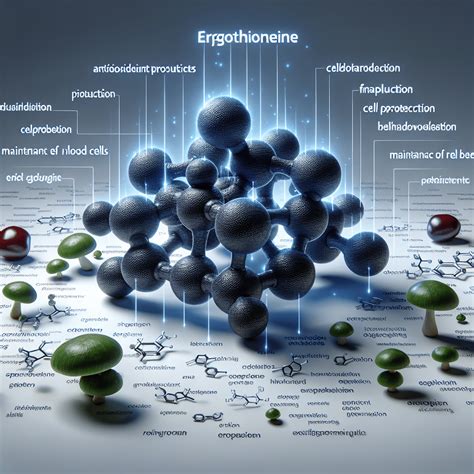
One of the most impressive compounds I’ve worked with is L-Ergothioneine (ERG) — an amino acid found in mushrooms 🍄 that may be among the most powerful longevity molecules discovered so far
We actually have a dedicated transporter (OCTN1) to absorb and retain it — meaning it’s biologically essential for long-term cellular protection and repair
🧬 How L-Ergothioneine Impacts Longevity and Cellular Health
L-Ergothioneine can help increase both lifespan (in animal models) and healthspan, creating a foundation for cellular resilience and genomic integrity — the #1 predictor of longevity
💠 Genomic Stability & DNA Repair
• Protects and repairs both nuclear and mitochondrial DNA • Prevents telomere shortening • Repairs aging-dependent accumulation of point mutations in the mtDNA control region • Eliminates DNA-damaging acids hypobromous and hypochlorous
💠 Mitochondrial & Metabolic Optimization
• Increases mitochondrial and metabolic activity • Prevents mitochondrial dysfunction and supports efficient ATP production • Increases cell viability by up to 45%
💠 Superior Antioxidant Power
• Eliminates all free radicals 3,435% more effectively than glutathione • Inhibits cell membrane damage 270% better than CoQ10 • Neutralizes singlet oxygen up to 7,500% better than any known antioxidant • Provides sustained antioxidant protection for up to 30 days
💠 Systemic Anti-Aging Benefits
• Supports cognition, cardiovascular health, and organ vitality • Helps prevent sarcopenia and macular degeneration • Reverses UV and sun damage by repairing and protecting skin DNA and mtDNA
ERG doesn’t simply slow aging — it addresses its root biological mechanisms, restoring cellular function from the inside out
⚗️ Formulation Insight
In advanced nutraceutical formulations, L-Ergothioneine pairs synergistically with: 🔹 Ingredients targeting mitochondrial biogenesis and energy metabolism 🔹 NAD+ Precursors → For NAD⁺ restoration and DNA repair 🔹 Compounds which activate NRF2 activation and cellular detox pathways
Together, these ingredients form the core of next-generation longevity formulations — designed to extend not just life, but quality of life
If your brand or clinic is exploring science-based formulation strategies for longevity, cognition, or metabolic vitality, reach out to me
Let’s connect to transform cutting-edge longevity science into real-world, market-ready innovation
Rob Lamberton, BSc, FNTP, FDN-P 🧪 Nutritional Supplement Formulator | Consultant | Integrative Health Strategist
Helping brands and practitioners develop evidence-based, biologically intelligent nutraceutical formulations
By Rob Lamberton, BSc, FNTP, FDN-P Functional Medicine Practitioner & Product Formulator
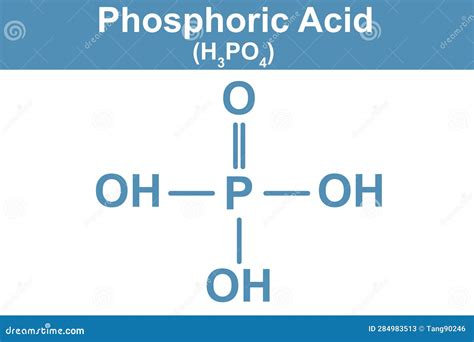
Most people already know that soda isn’t exactly a wellness beverage. But far fewer understand that one particular ingredient — phosphoric acid — may be doing far more harm than the sugar itself.
Used in many cola drinks for its sharp, tangy flavor and as a preservative to inhibit bacterial growth, phosphoric acid has been linked to a range of negative effects on bone, kidney, heart, and dental health.
Let’s look at what the science reveals — and why reducing your exposure could support long-term health and vitality.
🦴 1. Bone Health: The Silent Calcium Drain
Phosphoric acid increases urinary calcium loss, creating a calcium deficit that your body compensates for by drawing calcium from the bones.
Over time, this can lead to bone demineralization, lower bone density, and an elevated risk of osteopenia and osteoporosis — particularly in women.
👉 In the Framingham Osteoporosis Study, women who consumed cola beverages daily had significantly lower bone mineral density compared to non-cola drinkers — even when calcium and vitamin D intake were adequate.
Tucker KL et al., Am J Clin Nutr. 2006;84(4):936–942.
💧 2. Kidney Health: Acid Load and Stone Formation
Phosphoric acid contributes to urine acidification, which can promote the formation of uric acid and phosphate-based kidney stones.
Excess dietary phosphate may also cause renal tubular injury and accelerate renal aging and fibrosis, even in those without existing kidney disease.
Sullivan CM et al., Clin J Am Soc Nephrol. 2017;12(12):2034–2043.
For individuals with reduced kidney function or metabolic issues, this acid load can further compromise the body’s ability to regulate phosphate balance.
Elevated serum phosphate levels have been associated with vascular calcification, arterial stiffness, and endothelial dysfunction — all precursors to cardiovascular disease.
Even modest increases in phosphate within the high-normal range are linked to greater all-cause and cardiovascular mortality.
Ellam TJ, Chico TJ. Clin Sci (Lond). 2012;122(10):397–407.
Essentially, excessive phosphate may “age” the arteries from the inside out, contributing to premature cardiovascular decline.
😬 4. Dental Health: Erosion Without Sugar
Sugar isn’t the only dental villain. Phosphoric acid is highly erosive to tooth enamel, stripping away minerals that protect against decay.
Even sugar-free sodas can degrade enamel due to their acidity. Over time, this leads to tooth sensitivity, cavities, and enamel thinning.
Barbosa CS et al., J Clin Pediatr Dent. 2020;44(1):22–26.
⚖️ 5. Acid-Base Imbalance and Mineral Depletion
Your body works hard to maintain a stable pH balance. Regular consumption of acidic beverages like soda can lead to low-grade metabolic acidosis, prompting the body to buffer acid by drawing alkaline minerals such as calcium and magnesium from bones and muscles.
This process can contribute to mineral depletion, fatigue, and musculoskeletal discomfort over time.
Bushinsky DA, J Nephrol. 2017;30(2):215–221.
🍭 6. Nutrient Displacement and Metabolic Stress
Every can of soda replaces a more nourishing beverage such as water, mineral water, or herbal tea. The result is reduced intake of key nutrients — and an increase in sugar, caffeine, and phosphate, which together amplify insulin resistance, metabolic syndrome, and weight gain.
Vartanian LR et al., Am J Public Health. 2007;97(4):667–675.
💡 The Takeaway
Phosphoric acid isn’t just a flavor enhancer — it’s a biochemically active compound with real physiological effects.
Even diet sodas, though free from sugar, can still: ✅ Weaken bones ✅ Stress kidneys ✅ Promote vascular calcification ✅ Erode dental enamel
Over time, these effects add up, contributing to premature aging of multiple organ systems.
If you’re looking to protect your long-term health and longevity, start by replacing soda with health-promoting alternatives:
💧 Mineral-rich sparkling water 🍋 Water with lemon or trace minerals 🌿 Herbal infusions or adaptogenic teas
Your bones, kidneys, teeth, and heart will thank you.
📚 References
Tucker KL, et al. Colas, but not other carbonated beverages, are associated with low bone mineral density in older women. Am J Clin Nutr. 2006;84(4):936–942.
Sullivan CM, et al. Phosphate toxicity in chronic kidney disease: new insights. Clin J Am Soc Nephrol. 2017;12(12):2034–2043.
Ellam TJ, Chico TJ. Phosphate: the silent killer? Clin Sci (Lond). 2012;122(10):397–407.
Barbosa CS, et al. Dental enamel erosion by acidic soft drinks: an in vitro study. J Clin Pediatr Dent. 2020;44(1):22–26.
Bushinsky DA. Acid-base imbalance and bone disease. J Nephrol. 2017;30(2):215–221.
Vartanian LR, et al. Effects of soft drink consumption on nutrition and health: a systematic review and meta-analysis. Am J Public Health. 2007;97(4):667–675.
✳️ About Rob Lamberton
Rob Lamberton, BSc, FNTP, FDN-P, is a Functional Medicine Practitioner, Health Consultant, and Product Formulator specializing in longevity and regenerative health solutions. Through his work, Rob helps individuals and health companies develop science-based strategies that optimize human performance and healthspan.
NAD+ – Nicotinamide Adenine Dinucleotide is a co-enzyme present in every cell in the body and it is vital for cellular function.
Like hormones and other endogenous compounds in the body, NAD+ levels decrease as we age however they decrease precipitously with NAD+: down 50% at the age of 50 and down 90 – 96% at the age of 80.
One of the key functions of NAD+ is to activate the Sirtuin longevity genes which as the name implies are important for healthy aging. Without adequate levels of NAD+ to activate the Sirtuin genes, vascular aging accelerates.
We can help to optimize our NAD levels as we age by engaging in exercise and as well by fasting.
Another way to optimize NAD+ levels is to take a precursor formulation.
Taking NAD+ itself is not effective because it gets broken down in the digestive system.
Optimizing NAD+ levels as we age has been shown to provide many health benefits including:
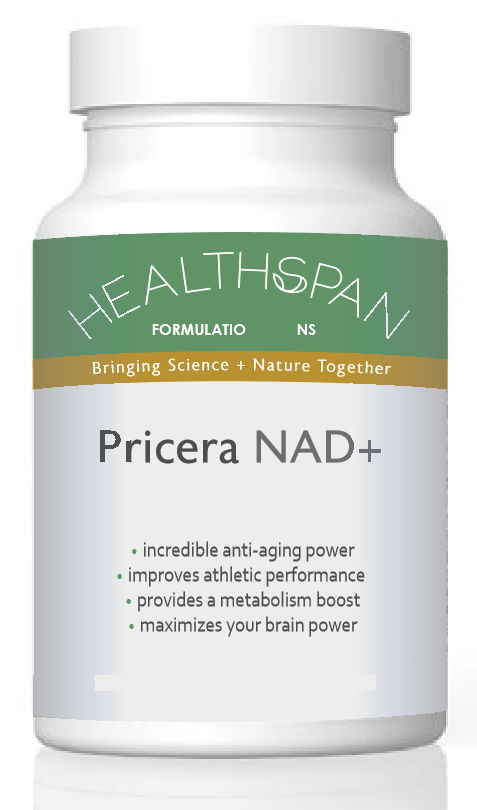
For more information on NAD+, the Sirtuin longevity genes and NAD+ precursor formulations such as our top selling practitioner quality Pricera formulation reach out to me – or review some of the info on our website:
Attention health care practitioners: Have you ever thought about developing your own nutritional supplement formulations? I can help you with that!
Reach out to me to explore this exciting opportunity – rob@healthspanformulations.com or phone: 778-227-4952
Many members of the general public – as well as members of the practitioner community consider a plant based diet to be the healthiest option to choose.
I would suggest – those of you who are health practitioners have seen this in your patient population if diet selection is a focus in your practice that first of all no one specific diet is the perfect diet for everyone.
Another key consideration is the fact that many plants produce anti-nutrients to protect themselves and these compounds can cause GI as well as systemic issues for individuals – especially those who have preexisting GI issues such as Chrohn’s, IBS etc.
Also those with autoimmune conditions may have problems with anti-nutrients.
The following article from Ronald Grisanti from Functional Medicine University discusses this issue with plant anti-nutrients.
Another source that has a similar opinion regarding the negative effects of plant anti-nutrients is Paul Saladino MD.
Paul is a big proponent of the carnivore diet which excludes plants from the diet but it does include fruit.
When I first learned about the carnivore diet several years ago I though it was crazy. But then I did a presentation to a local Meet Up group: the Low Carb/High Fat, Keto, Carivore Diet group.
When I interacted with them and heard the stories of near miraculous health improvements that resulted from adopting the carnivore diet I had to reassess my belief system.
Today I think the carnivore diet is a potentially valuable intervention for GI issues, autoimmune conditions etc. to give the gut a rest from the influence of the anti-nutrients in plants.
Whether it makes sense to follow it on an ongoing basis – well the jury is still out for me.
I eat a lot of plants in my diet and I consider myself to be in excellent health so I am not making any radical changes to my diet in the forseeable future – however at some point in the future I may try the carnivore diet to see how it impacts on how I feel…
Anti-Nutrients-Is There a Downside to Plant Based Eating?
Ronald Grisanti D.C., D.A.B.C.O., DACBN, MS, CFMP
In my quest to identify the most effective way of eating, I came across something that has caused a paradigm shift in my thinking on many “healthy” plant foods.
I first need to preface my article on the fact that I have been a “huge” advocate of eating a plant based diet with minimal meat consumption for as long as I can remember.
My diet typically consisted of drinking a morning smoothie with every type of plant food (spinach, beets, almonds, chard, seeds, etc.) with plant based protein powder. My lunch was big salad with more spinach, assorted greens, nuts and some protein. Dinner was a plate rich in plant foods and some protein. I commonly would eat broccoli, cauliflower, cabbage, brussel sprouts,beets, etc..
My long standing question was why in the world was I feeling so bad? Irritable bowel syndrome, joint pain, diarrhea, brain fog, anxiety, difficulty losing weight (fat).
Of course for most people this does not fit what we have been informed about this way of eating. Of course it was healthy!
So I just pushed forward and continued to eat this way believing that it was the price I had to pay to be healthy.
But I wasn’t!
My dear wife, Debbie frequently went to bed with an ice pack on her right hip and right knee. Chronic constipation was the norm. Stuck at an unacceptable weight level was simply frustrating.
Again we faithfully continued to eat this way accepting and “preaching” the ultimate benefits of eating an abundance of plant based foods.
I really never challenged my “strong” belief on eating mainly plants and some protein. One look at my extended library of books would convince anyone that I was on board with plant based diets, hook, line and sinker!
By pure coincidence, I came across a book on some of the downsides to eating a heavy plant based diet.
At first I was appalled at the thought that plant based foods may not be the best for “ULTIMATE” health and well-being.
Like I love to do I dug into the literature and read everything I could on some of the negative effects of eating a lot of plant based foods.
Wow what I learned was an eye-opener!
Since tweaking my diet and reducing some of the more toxic plant foods (will discuss shortly), all of the above symptoms vanished. I effortlessly lost weight. My wife, Debbie, was totally free of right hip and knee pain. No more ice bags! And to top it off she hit a goal weight she tried to accomplish for at least five years!
My thinking and beliefs in a heavy plant base diet changed.
My goal today is to share what I learned and hope you give me the time of day to at least listen with an open mind to what I am about to share with you. It could in fact be the tipping point to reversing a number chronic long standing health issues for many of you reading my article.
Ready?
Plants have something called ANTI-NUTRIENTS.
Anti-nutrients are natural compounds found in plants. Anti-nutrients protect plants from bacterial infections and protect plants from being eaten by predators. Since plants unlike animals can’t fight off predators, anti-nutrients are a plant’s self-defense mechanism.
Anti-nutrients are found in all parts of plant based foods, including vegetables, seeds and fruits.
Too many anti-nutrients have been found through my research to cause inflammation, gut dysbiosis, arthritis, joint pain,skin issues and brain fog, too name a few ailments.
A big concern of anti-nutrients is how they interfere with nutrient and mineral absorption.
Here are the top 10 anti-nutrients:
1: Oxalates– Oxalates are found in green leafy vegetables (spinach), sesame seeds, teas, and soybeans. Oxalates can bind to calcium and iron and prevent it from being absorbed. Oxalates are enzyme inhibitors that can prevent proper digestion, cause gut problems and protein deficiencies. Enzymes create chemical reactions in the body that help support our bodies to function properly. Enzymes are especially important in the digestive process. Without the enzymes to properly metabolize food, GI issues can occur, such as bloating and constipation.
2: Polyphenols –Polyphenols known as phytochemicals are anti-nutrients that are touted for their health benefits. Dark chocolate, flaxseed meal, cocoa powder and many fruits and vegetables contain polyphenol compounds. Polyphenols may have some health benefits, such as possible body weight regulation and decreasing blood pressure, but there are studies on high doses of polyphenols causing kidney damage, tumor development and altered thyroid hormone production.
3: Gluten– Gluten is a protein that is almost impossible for stomach acid to breakdown and digest. Dr. Fasano of Harvard, a leading expert on gluten, says that, in the most susceptible people, eating gluten can do small amounts of damage to the intestinal lining creating leaky gut and inflammation.
4: Phytic Acid (Phytate)–Phytic acid is primarily found in whole grains, legumes, seeds and some nuts. Phytic acid can decrease the absorption of iron, zinc, magnesium, copper, phosphorous and calcium. Studies show that 80% of zinc-rich foods (cashews, chickpeas), 80% of phosphorous-rich foods (pumpkin seeds, sunflower seeds) and 40% of magnesium-rich foods (spinach, almonds, avocado) can be blocked by phytates.
5: Lectins–Lectins are found in legumes (beans, peanuts, soybeans) and whole grains (wheat). They can interfere with nutrient digestion and absorption of calcium, iron, phosphorous and zinc. Lectins are notorious for surviving GI tract digestion. They can then penetrate cell lining in the digestive tract and cause damage to gut epithelial cells and membrane lining, change bacterial flora and trigger autoimmune reactions.
6: Tannins–Tannins are similar to oxalates as they are also enzyme inhibitors. Tannins are found in teas, coffees, wines and legumes. They can interfere with iron absorption. Tannins have also been shown to impede the digestion of nutrients.
7: Glucosinolates–Glucosinolates are found in cruciferous vegetables (broccoli, kale, brussels sprouts) and can interfere with the absorption of iodine, which can then interfere with thyroid function. Another study found, with over 100,000 participants, that those who ate the most glucosinolates had a 19 percent greater risk of developing Type 2 diabetes.
8: Saponins–Saponins are found in legumes (green lentils) and whole grains. They can interfere with normal nutrient absorption (iron, zinc) and similar to lectins, can affect the GI lining, causing leaky gut and autoimmune responses.
9: Solanines–Solanine is found in nightshades (potatoes, eggplants, tomatoes, peppers). For some, these can cause inflammatory bowel disease and autoimmune conditions. Others may feel a slight feeling of poisoning. (nausea, throat burning, headaches, etc.)
10: Salicylates–Salicylates are compounds found in foods, medications and other products that can cause adverse reactions in those who are intolerant. There is much (renewed) interest about the effects of salicylates on food intolerance, attention-deficit disorders, and cardiovascular disease.
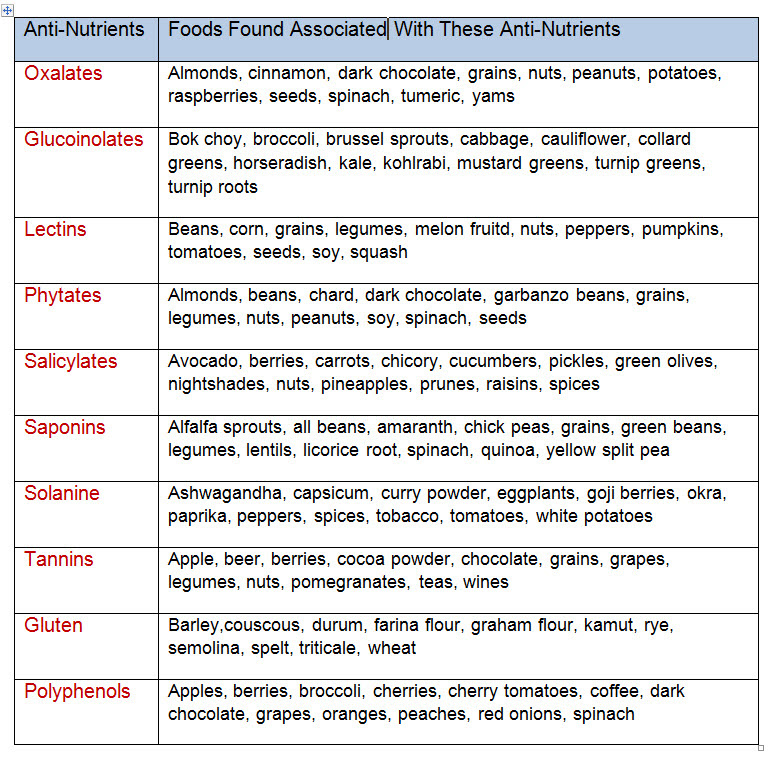
The following is a good chart to reference with foods associated with specific anti-nutrients.
Chart Obtained from page 127 of Carnivore Cure–Judy Cho
My conclusions and continued special journey.
Although I have taken a deep dive into some of the pitfalls of eating an abundance of plant based foods I sincerely believe there is a middle ground for most people including myself. I can not deny that many of these plant foods do indeed have many health benefits and should not be entirely denied for consumption. On the other hand I was totally ignorant of this well researched downside.
At this point in my 64 years of living on this earth, I am still researching for optimal health through many facets including science based nutrition.
Today I have presented another side that should not be ignored but at least considered in the event you, like myself, has strived to achieve optimal health through a plant based diet.
Just maybe some of these anti-nutrients may indeed may be playing havoc on your ability to be free of chronic disease entities.
As I dug deeper in my review of the literature I have discovered the least toxic vegetables and fruits.
Here they are:
Vegetables: Avocados, Zucchini, Olives, Cucumber, Pumpkin and Squash
Fruits: Apples, Oranges, Berries, Pineapple, Pears, Melons, Bananas, and Mango
As I continue to use myself as a testing platform and work with many patients I will report back to you on my findings.
I want to share with you today an article written by Ronald Peters, MD, MPH which gives an overview of a mechanism in the body which is activated when there is a perceived threat which could be viral, bacterial, toxic chemicals and metals etc. called: “The Cell Danger Response”.
Practitioners are familiar with the typical protective reactions that get activated in these situations, however where problems can arise is when this activation is not turned off after the threat has disappeared. It is suggested that this can contribute to the development of chronic, degenerative disease processes.
This concept was originally hypothesized by Robert K. Naviaux in the published paper:
Metabolic features of the cell danger response, Robert K. Naviaux, Mitochondrion 16 (2014) 7–17 The Mitochondrial and Metabolic Disease Center, University of California, San Diego School of Medicine
It has started to gain a lot of traction within the Functional Medicine community and I would suggest it certainly warrants some consideration with respect to how we approach working with patients.
You and I are wired to escape danger by automatically firing the sympathetic nervous system so we can run away or fight to survive. However, for the trillions of cells within our bodies, it is not so simple. They cannot run away. They are programmed to survive dangerous invaders such as viruses and bacteria, toxic chemicals and metals such as mercury by activating the Cell Danger Response, or CDR. Two key features of the CDR are reduced energy production (ATP) in the mitochondria and the release of inflammatory cytokines. Once the threat is eliminated the CDR is witched off and energy production starts again, and we resume our normal lives. However, sometimes the CDR does not stop and we stay fatigued and inflamed. This pathological persistence of the CDR is believed to be a primary cause for many chronic diseases including autism, PTSD, chronic fatigue syndrome, rheumatoid arthritis and many more. In this article I will review the cell danger response, what turns it on, and, importantly, how you can turn it off once the danger has passed.
CELL DANGER RESPONSE – AN ANCIENT SURVIVAL SYSTEM
Dr Robert Naviaux at the University of California, San Diego School of Medicine has reviewed the choreography of micro-events that occur as the cells and organs of the body prepare to survive threats, such as invading viruses, bacteria, fungi and parasites, or, toxic chemicals and heavy metals like mercury, lead and aluminum, as well as excessive heat or radiation. Mitochondria are the powerhouses within our cells as they use oxygen to convert chemical energy from the foods we eat into an energy form that the cell can use, which is called ATP. There are thousands of mitochondria in our cells and they orchestrate the cell danger response, which includes the following:
In response to viral attack, mitochondria sound the alarm and reduce voltage and energy production to prevent the virus from hijacking DNA to make more viruses.
Intracellular attack releases mitochondrial proteins and ATP which sound the alarm to attract other immune cells to attack the invader.
Mitochondria reduce oxygen utilization (less ATP) and reactive oxygen species along with increased hydrogen peroxide are toxic to viruses and support the cell defense.
Bacterial endotoxins activate an enzyme within the mitochondria which decreases vitamin D, thus increasing inflammation, but raising the risk for autoantibodies, especially to the thyroid gland (Hashimoto’s thyroiditis).
Under the oxidizing conditions of the CDR, methionine metabolism is shifted to assist with the production of antimicrobial reactive oxygen species as well as other antiviral and antimicrobial compounds.
De-methylation of histones is stimulated by oxidizing conditions of the CDR to increase pro-inflammatory cytokines such as TNF alpha.
Sulfur metabolism within cells is shifted to create more glutathione for macrophages and to increase glutathione transport into the brain.
CDR stimulates an enzyme which produces histamine, a potent vasodilator which facilitates the delivery of increased oxygen and immune cells to sites of inflammation.
Arginine metabolism is shifted within mitochondria to create nitric oxide (NO) gas which inhibits mitochondrial energy production.
Damaged cells release hemoglobin and heme into the tissues which stimulates the production of carbon monoxide, a potent inhibitor mitochondrial ATP production.
Cell danger increases lipoxygenase which leads to cell wall peroxidation and stiffening of cells walls in the vicinity of the threat.
Tryptophan metabolism is shifted to increase kynurenic acid which induces IL-6 and inflammatory cytokine, as well as increasing many aspects of immune function.
Toxic metals like mercury, as well as some chemicals will try to steal electrons and the mitochondria respond by reducing cellular energy production to shield the cell from further injury.
Intracellular conditions produced by the CDR lead to sequestration, or accumulation of toxic metals such as mercury, lead, cadmium, aluminum, arsenic and others, as well as reduced elimination,
When functional vitamin D is decreased by a chronically active CDR, magnesium is lost from the cells.
GUT MICROBIOME IS ESSENTIAL TO HEALTHY CDR
According to Dr. Naviaux, “healthy metabolism acts as a survival engine that computes the optimum chemical solution for fitness based on the developmental history, current environmental conditions, and the genetic resources available to the individual.”
Metabolism is all of the chemical reactions that occur in the cells of the body. Billions are occurring every second to respond to the surrounding environment in order to sustain life and they are intricately dependent on the health of the microbes that live in your body, or, microbiome. Since there are more bacterial in your body than cells, they have evolved to act as a “living shield to protect us from opportunistic pathogens and keep us healthy”.
About 99% of the bacteria in your body reside in your gut, consisting of 3,000 to 30,000 species which provide a metabolic and genetic diversity which far exceeds that of the human host.
Again, according to Dr. Naviaux, “the composition and function of the microbiome are best considered as an ecosystem that is continuously shaped by the developmental history, diet, health and activity of the host.” Basically, when the host is sick, the microbiome is also sick. The chronic activation of the CDR changes the ecosystem in the bowel and perpetuates disease in some people
RESOLUTION OF THE CDR
Once the danger or threat is eliminated, the CDR is turned off by a series of anti-inflammatory messages, normal mitochondrial energy is re-established, and normal cell life begins again.
However, based on genetic predisposition and the intensity and magnitude of the dangerous exposure a dysfunctional and persistent CDR can occur which is the precursor of many chronic diseases.
According to Dr. Naviaux, the following diseases result from a pathological persistence of the CDR:
autism spectrum disorders (ASD),
attention deficit hyperactivity disorder (ADHD),
food allergies,
asthma,
atopy,
emphysema,
Tourette’s syndrome,
bipolar disorder,
schizophrenia,
post-traumatic stress disorder (PTSD),
traumatic brain injury (TBI),
chronic traumatic encephalopathy (CTE),
suicidal ideation,
ischemic brain injury,
spinal cord injury,
diabetes,
kidney, liver, and heart disease,
cancer,
Alzheimer and
Parkinson disease,
autoimmune disorders like lupus, rheumatoid arthritis, multiple sclerosis,
primary sclerosing cholangitis.
According to Dr. Naviaux, each of the metabolic features of the CDR listed above “can be addressed individually with specific treatments, or more globally with a combination of supplements, dietary and activity changes, or with adaptogen therapies.”
I would add the following to the list:
Chronic fatigue syndrome
Irritable bowel syndrome
Fibromyalgia
Lyme’s disease
Mold related illness
Multiple chemical sensitivity
Chronic Inflammatory Response Syndrome
“Brain fog”
SUMMARY – CELL DANGER RESPONSE
Naviaux and other researchers have found the cell danger response is triggered by various types of environmental stressors:
Biological stressors such as viruses, bacteria, fungi such as mold, parasites and more
Chemical stressors such as toxic chemicals and heavy metals (e.g. mercury and lead)
Physical trauma such as an accident, burn, surgery, or physical abuse
Psychological trauma that creates overwhelm and persistent despair, such as the loss of a loved one, divorce, financial struggle, childhood emotional neglect
As Naviaux explains, these are triggers of illness, but they are not the cause of disease. As he presented to the Open Medicine Foundation on 9/28/2017, they all “ring the same bell – the cell danger response. “ In this new paradigm of disease, symptoms arise because a cell danger response gets stuck in the “on” position and can’t complete its healing cycle to turn itself back off as it is designed to do.
“In most cases of persistent chronic illness lasting for > 3–6 months, mitochondria are not dysfunctional. They are just stuck in a developmental stage that was intended to be temporary, unable to complete the healing cycle”
Robert Naviaux, Mitochondrion 46, 2019
TURNING OFF THE CELL DANGER RESPONSE – CONSCIOUSNESS AS THE SOURCE AND CURE FOR DISEASE
Illness gives patients temporary permission to act in more open ways emotionally. But if they cannot learn to give themselves that same permission when they are healthy, then the moment they get well, the old rules again apply, and they find themselves in the psychologically and physically destructive situation that first contributed to their illness.
Carl Simonton, MD
The cell danger response is turned on by dangers perceived at the cellular level, or, by dangers perceived by the individual in their life experience. Dr. Naviaux has described the cellular events that initiate the CDR. And we all have experienced threatening or frightening life events. The horrors of war can be overwhelming and a soldier will often suppress the intense emotions and later develop PTSD. For the abused or abandoned child, strong emotions are automatically suppressed, only to be stored in the unconscious mind as an emotional wound. These wounds will surface later in life and contribute to dis-ease of one kind or another. In both cases the CDR is ignited by the powerful “fight or flight” sympathetic nervous system as it births anger, fear and panic.
In order to turn off the CDR, once the danger has passed, we need to understand ourselves and how we create stress and handle emotions. Extensive medical research also shows that digestion, blood circulation, immune activity, hormone levels are but a few of the systems controlled by the mind. Dr. Candace Pert, the NIH researcher who discovered neurotransmitters, said it simply: “The more I look, (at the immune system) the more I’m convinced that emotions are running the show.”
Basically, we need to heed the “message of illness” and consider the dysfunctional beliefs and suppressed emotional pain that are expressed within the fabric of your body as dis-ease. Mindbody medicine is the science of healing at the level of consciousness and represents the next step in healthcare. It is based on the disturbing and eternal truth that the body is governed by consciousness (both conscious and unconscious).
Mindbody medicine will help you learn the following:
The natural intelligence of your body is governed by consciousness.
The function of the sympathetic nervous system (SNS) which is activated by fear, worry, anger and frustration.
How to enhance your parasympathetic nervous system (PNS), which governs your immune system, proper digestion, and hormone production.
The nature of the stressful life experiences which precede illness and how they can be tracked back to childhood experiences.
Adverse Childhood Experiences (ACE) and how they compare to Post-traumatic Stress Disorder (PTSD).
What is the “limbic lock” associated with chronic disease?
How to create a healthy gut microbiome, which is required to quiet the CDR and enhance vagal activity.
How to find the personal meaning of disease.
How reduce stress and live from your heart, the seat of emotion, love, intuition, and “seeing the big picture”.
All dis-ease is a personal invitation for healing, growing and gaining self-knowledge, by making the unconscious mind conscious.
The “blessing” of the dis-ease in any area of your life as well as your body offers you a window into the stored pain in the unconscious mind and how it can be discharged thereby leading to greater levels of peace and happiness.
How to activate the powerful vagus nerve which turns off the SNS and CDR.
Today I wanted to share with you some published research which suggests that a common and readily accessible nutritional compound – 5-HTP may be able to mitigate the severity of Rheumatoid Arthritis (RA) and if it is consumed early on in the development stage of RA that it may in fact prevent the RA from developing.
Note that this study was done using an animal model – mice.
Rheumatoid arthritis (RA) is a complex disease that affects each patient differently. People from all ethnic backgrounds are at risk of developing RA. It is the third most common type of arthritis behind osteoarthritis and gout.
RA Facts and Statistics
RA is a chronic disease affecting over 1.3 million Americans and as much as 1% of the worldwide population. The specific cause of RA is not known, and as a result there is no known cure for the disease.
Researchers do know, however, that RA is the result of an autoimmune disorder. It is one of the most common autoimmune disorders – more common than psoriasis, Crohn’s disease, multiple sclerosis, and lupus. RA symptoms are triggered when a person’s antibodies mistakenly attack the normal synovial joint fluid, causing chronic inflammation.
Women are up to three times more likely to develop RA than men. Women are also more likely to develop the disease at a younger age than men. RA generally begins to affect people between the ages of 30 and 60 years old. The average person doesn’t develop symptoms of RA until they reach their 60’s.
In the article, it suggests that 5-HTP can be useful for Asthma, Depression, Obesity, Headaches, Fibromyalgia, Insomnia, and Arthritis.
Regards,
Rob
In addition to its use as an antidepressant …
New research brings additional clarity to the mechanisms of 5-HTP
The amino acid tryptophan is essential for humans, meaning the body cannot synthesize it and must obtain it from the diet. A tryptophan deficiency can lead to serious emotional imbalances as well as diminished neural health.
In part, this is because tryptophan is a precursor to serotonin and melatonin. To synthesize these, tryptophan drives two major metabolic pathways: the serotonin pathwayand kynurenine pathway.
The Pathway to Well-Being and Happiness
In the serotonin pathway, tryptophan is catalyzed into 5-hydroxytryptophan (5-HTP) by tryptophan hydroxylase-1 and then converted into serotonin. Biochemically derived from tryptophan or 5-HTP, serotonin is principally found in the gastrointestinal tract, blood platelets, and the central nervous system of humans and animals. Serotonin is generally thought to be a contributor to feelings of well-being and happiness.
Does Kynurenine Provide a Pathway to Inflammation?
A tryptophan deficiency can lead to serious emotional imbalances as well as diminished neural health.
In the kynurenine pathway, tryptophan is catalyzed into N-formylkynurenine by indoleamine 2,3 dioxygenase (IDO) and then converts into L-kynurenine. L-kynurenine is a metabolite of the amino acid L-tryptophan used in the production of niacin. However, the Kynurenine pathway is a mixed bag. Rheumatoid arthritis patients have increased kynurenine levels in their blood1,2 and its levels are positively correlated with C- Reactive Protein (CRP), a measure of inflammation.3
Serotonin is generally thought to be a contributor to feelings of well-being and happiness.
5-HTP Suppresses Inflammatory Responses
In a new Taiwan study,4 researchers note that 5-HTP suppresses inflammatory responses in mouse models of asthma and sepsis. In prior studies, 5-HTP inhibited the production of pro-inflammatory mediators in different cell lines. These associations stimulated the researchers interest in whether 5-HTP could suppress inflammation and disease activity in collagen-induced arthritis (CIA) in mice. CIA is an animal form of human rheumatoid arthritis (RA).
The Value of Rheumatoid Arthritis’s Therapeutic Window
Evidence is accumulating that a preclinical phase is present before the onset of clinical signs and symptoms of RA. This phase represents an important therapeutic window within which interventions can dramatically modulate outcomes.
RA is a chronic inflammatory disorder that, unlike the wear-and-tear damage of osteoarthritis, typically affects the small joints in the hands and feet. RA also affects the lining of joints, causing a painful swelling that can eventually result in bone erosion and joint deformity. RA can occur at any age, although it usually begins after age 40 and is much more common in women.
Preventative Desired
An agent that could prevent RA in the preclinical phase would be a novel approach. In this study, the Taiwan researchers investigated whether the tryptophan metabolite, 5-HTP, could act as such an agent for the primary prevention of CIA. The CIA mouse model is the most commonly studied autoimmune model of rheumatoid arthritis. It is widely used to address questions of disease pathogenesis and to validate therapeutic targets.
5-HTP suppresses inflammatory responses in mouse models of asthma and sepsis.
5-HTP Suppressed Cell Proliferation
The Taiwan researchers found that 5-HTP given at 10, 20 and 50 μg/ml suppressed cell proliferation and decreased the production of Interleukin (IL)-22 type cells, which regulate the pathogenesis of autoimmune diseases.
5-HTP also suppressed the expression of IL-17, TNFα, IFNγ and T-bet in activated splenocytes (spleen cells). These findings did not result from cell death, because 5-HTP did not increase cell death at these levels.
It’s a Matter of Timing
In their animal studies, a supplement of 5-HTP from day 20 did not affect the disease course. However, 5-HTP given from day 7 before induction significantly decreased the arthritis scores and joint inflammation. Earlier was better than later.
5-HTP May Prevent RA
According to the Taiwan study, patients with allergy/asthma commonly have associated symptoms of anxiety/depression. These results suggest that 5-HTP supplements can be an approach to prevent arthritis.
5-HTP taken orally suppressed allergic lung inflammation, even though cytokine levels were not decreased on broncho-alveolar lavage (BAL).5 BAL is a medical procedure in which a bronchoscope is passed through the mouth or nose into the lungs and fluid is squirted into a small part of the lung and then collected for examination. It is typically performed to diagnose lung disease. (See “Galantamine Protects Against Lung Injury,” the sidebar in the lead article “Stop Smoking with Galantamine” in this issue.)
5-HTP given from day 7 before induction significantly decreased the arthritis scores and joint inflammation.
Serotonin and Major Depressive Disorders
Decreased levels of serotonin in the central nervous system are associated with major depressive disorders. Treatment with selective serotonin reuptake inhibitors (SSRIs) or supplementation with serotonin precursors (tryptophan and 5-HTP) is an important strategy in depression therapy. SSRIs can block serotonin re-uptake and thus increase serotonin levels in the brain and improve depression. Tryptophan and 5-HTP can make serotonin in the body and also improve depression.
SSRIs and Supplements
Of interest, certain SSRIs can decrease the production of pro-inflammatory cytokines, suppress airway inflammation in asthma patients, and reduce disease activity in RA patients. SSRIs have also been found to decrease the arthritis scores in CIA mice and suppress cytokine production in macrophages and synovial membrane cells. But SSRIs are not without adverse effects.
Patients with allergy/asthma commonly have associated symptoms of anxiety/depression.
The Taiwan researchers found that the SSRI fluoxetine (aka Prozac) effectively decreased the production of IFNγ and TNFα in activated splenocytes. In the animal study, it was found that 5-HTP given orally increased the serum levels of serotonin, whereas parenteral 5-HTP did not affect the serum levels of serotonin in CIA mice. Thus, regulation of serotonin levels is not likely to be the major mechanism behind the suppression of arthritis by 5-HTP in the CIA mice.
RA patients have increased kynurenine levels in the blood, and the levels are positively correlated with C-reactive protein. In addition, RA patients have increased indoleamine 2,3 dioxygenase (IDO) activity in the synovial fluid.
5-HTP Regulates Immune Responses
The Taiwan study provides both in vitro and in vivo evidence that 5- HTP, a tryptophan metabolite, can regulate immune responses. Taking a 5-HTP supplement before CIA induction can decrease disease activity, suppress joint inflammation and cause minimal side effects in CIA mice. Nevertheless (you’ve undoubtedly heard this before), further studies are required to elucidate whether the common dietary supplement 5-HTP can act as an agent for primary prevention of RA.
5-HTP taken orally suppressed allergic lung inflammation, even though cytokine levels were not decreased on broncho-alveolar lavage.
Also in the Taiwan study, it was found that 5-HTP did not affect the cytokine levels in the serum or the percentages of IFNγ+CD4+ T cells in the spleen. However, 5-HTP suppressed the expression of TNFα and IL-6 in the inflamed ankle joints and decreased the percentages of IFNγ+CD4+ T cells in the draining lymph nodes. These results suggest that 5-HTP decreased arthritis activity without affecting systemic immunity.
Serotonin Up; Kynurenine Down
Of great interest, pro-inflammatory cytokines such as TNFα, IL-1 and IFNγ can increase IDO expression and promote serotonin re-uptake, resulting in increased levels of kynurenine and decreased levels of serotonin. Indeed, IDO is the first and rate-limiting enzyme of tryptophan catabolism through the kynurenine pathway, thus causing depletion of tryptophan, which can cause halted growth of microbes as well as T cells.
The study showed that mice with a higher arthritis score were more likely to have high serum levels of kynurenine and low levels of serotonin.
5-HTP for Asthma, Depression, Obesity, Headaches, Fibromyalgia, Insomnia, and Arthritis
As reported by the Taiwan scientists, in mouse models of asthma, the amount of 5-HTP given to the mice was equivalent to consumption of 200 mg per day by a 100 lb person. In their study, the daily consumption of 5-HTP was equivalent to between 384 mg and 1,920 mg per day by a 132 lb person.
5-HTP given orally increased the serum levels of serotonin.
5-HTP is indicated for depression, obesity, headaches, fibromyalgia and insomnia. A 5-HTP supplement is well-tolerated and causes minimal side effects. In clinical studies, the doses of 5- HTP in the treatment of depression have been from 20 to 3,250 mg per day.
Treatment with 5- HTP at 600 mg per day was also found to decrease the frequency of migraine and improve insomnia. In a mouse model of asthma, the amount of 5-HTP given to the mice was equivalent to consumption of 200 mg per day by a 100 lb person.
In the Taiwan animal study, 5-HTP given orally did not affect body weight or cause diarrhea. However, the daily consumption of 5-HTP was equivalent to 384 mg and 1,920 mg per day by a 132 lb person. Furthermore, 5-HTP given by i.p. injection at 30, 100 and 300 mg/kg decreased the production of TNFa in a sepsis model.
These results suggest that 5-HTP decreased arthritis activity without affecting systemic immunity.
The mice receiving the i.p. amounts at 30, 100 and 300 mg/kg (human equivalents of 160 mg, 527 mg, 1,580 for a 132 lb person) had improved arthritis scores and decreased joint inflammation.