November 21, 2025
By Rob Lamberton, BSc, FNTP, FDN-P (Candidate)
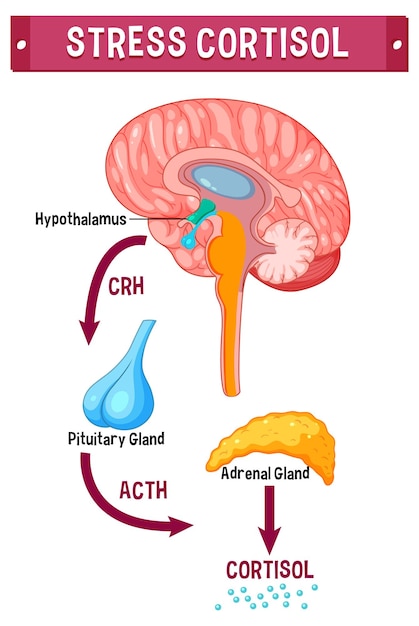
Cortisol is one of the most misunderstood hormones in human physiology. While often labeled as the “stress hormone,” cortisol is essential for survival — regulating blood sugar, immune balance, inflammation, circadian rhythm, brain function, and energy production.
But when stress becomes chronic, cortisol becomes dysregulated, shifting the body into a long-term catabolic state. This is a major factor in what I refer to as Metabolic Chaos® — a constellation of hidden stressors and downstream dysfunctions that do not necessarily reveal a single “root cause,” but manifest across multiple systems.
🔬 What Cortisol Does (The Essentials)
Cortisol plays a central role in:
✔ Regulating blood sugar
It keeps glucose available when you need energy.
✔ Modulating inflammation
Cortisol is both anti-inflammatory and pro-inflammatory depending on context.
✔ Supporting wakefulness & circadian rhythm
Highest in the morning and gradually decreases throughout the day.
✔ Stabilizing blood pressure
It helps maintain vascular tone and sodium balance.
✔ Immune system balance
Acute cortisol increases immunity; chronic exposure suppresses it.
✔ Brain and mood regulation
Affects focus, memory, mood stability, anxiety, and sleep.
🔄 Cortisol’s Relationship with DHEA
Cortisol is catabolic (breaks down tissue). DHEA is anabolic (builds and repairs tissue).
The two must remain in balance.
When cortisol stays high for too long, DHEA production is diverted, leading to:
- Degeneration of lean muscle
- Lower resilience
- Fatigue
- Hormone imbalance
- Mood instability
- Poor recovery
- Loss of metabolic “reserve”
The Cortisol:DHEA ratio is one of the most important patterns in FDN physiology. A chronically elevated ratio = catabolic dominance, a hallmark of chronic stress response.
⚠️ What Happens When Cortisol Stays High Too Long
Long-term cortisol elevation produces a cascade of dysregulation across multiple systems.
1️⃣ Blood Sugar Dysregulation
Cortisol raises blood glucose to fuel survival. Chronic activation → insulin resistance, leading to:
- Energy crashes
- Sugar cravings
- Abdominal fat storage
- Diabetes risk
2️⃣ Blood Pressure Elevation
Cortisol increases vascular tone. Chronic elevation contributes to:
- Hypertension
- Vascular inflammation
- Increased cardiovascular risk
3️⃣ Inflammation Increases (Paradoxically)
While cortisol initially suppresses inflammation, chronic exposure causes:
- Elevated cytokines
- Tissue breakdown
- Musculoskeletal pain
- Increased oxidative stress
This links directly to FDN markers such as 8-OHdG, SIgA, bile acids, etc.
4️⃣ Digestive Dysfunction: Dysbiosis, Bloating, and Irritation
Chronic cortisol:
- Reduces stomach acid
- Slows peristalsis
- Reduces digestive enzyme output
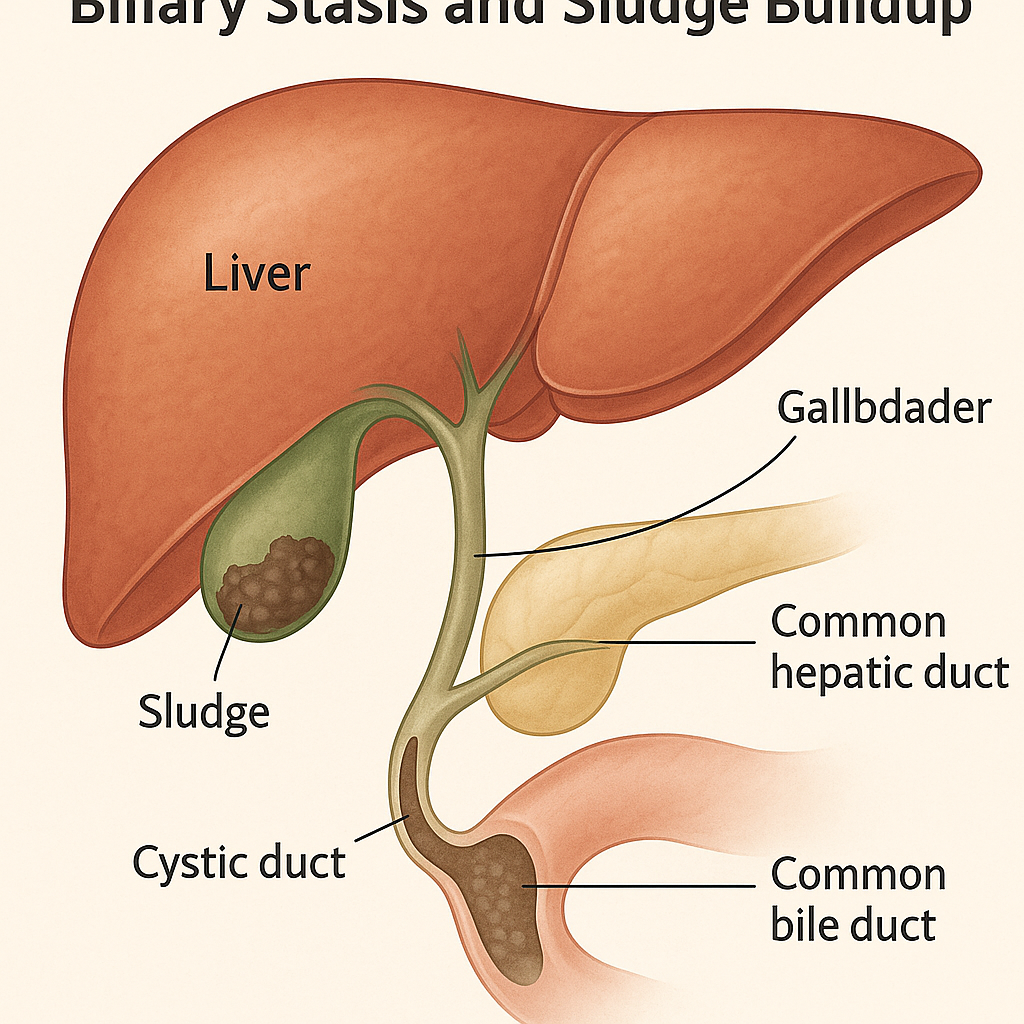
- Disrupts bile flow
- Alters gut motility
This opens the door to:
- Dysbiosis
- SIBO/SIFO tendencies
- Floating stools
- Gallbladder sluggishness
5️⃣ Leaky Gut & Barrier Breakdown
Stress increases zonulin, opening tight junctions. This affects:
- Immune activation
- Food sensitivities
- Systemic inflammation
- Neuroinflammation
This is directly tied to markers like Indican, SIgA, and gut inflammatory profiles in functional labs.
6️⃣ Immune Suppression
Chronic cortisol:
- Lowers SIgA
- Reduces mucosal immunity
- Increases infection susceptibility
- Weakens viral defense
In my practice, I often see low SIgA + dysbiosis patterns in chronic stress cases.
7️⃣ Hormone Disruption
High cortisol “steals” substrate from sex hormone pathways.
Leads to:
- Low libido
- PMS/perimenopause issues
- Andropause acceleration
- Estrogen dominance
- Low testosterone
- Progesterone decline
8️⃣ Sleep Disruption
Flattened or elevated nighttime cortisol →
- Poor sleep
- Early waking
- Difficulty relaxing
- Rumination or anxiety at bedtime
🔚 My Practice Principle: I Do Not Chase Cortisol Levels
I do NOT “treat cortisol.” I look for patterns, identify healing opportunities, and support the entire HPA axis.
Cortisol imbalance is not the problem — it is the result of upstream hidden stress.
Supporting digestive health, circadian rhythm, nutrition, detoxification, GI integrity, and stress reduction restores balance naturally.
🧠 Summary for Clients & Readers
- Cortisol is essential — but chronic elevation causes wide-ranging downstream effects.
- Imbalances affect blood sugar, digestion, mood, immunity, inflammation, and hormones.
- The solution is not to suppress cortisol — but to correct the hidden stressors causing Metabolic Chaos®.
Are you fed up with your personal journey of “trial and error?” Running around to many different practitioners and not getting resolution to your health issues?
Reach out to me for a FREE 15 minute discovery call.
For More Info: Optimum Health Consulting
Optimum Health Consulting – Lamberton
#Cortisol #Stress #HPAaxis #MetabolicChaos #FunctionalMedicine #Healthspan #GutHealth #Inflammation #Hormones #DHEA #Longevity #NutraceuticalInnovation #RobLamberton #RobertLamberton