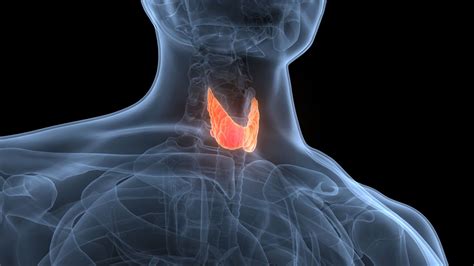
A patient comes in and presents with the following symptoms:
✅ Persistent fatigue or low energy (especially in the morning)
✅ Unexplained weight gain or difficulty losing weight
✅ Cold intolerance (feeling cold when others are comfortable)
✅ Slowed metabolism and low basal body temperature
✅ Puffy face, hands, or feet due to fluid retention
✅ Brain fog, slow thinking, poor concentration
✅ Low mood, mild depression
✅ Constipation or sluggish digestion
✅ Brittle nails or slow nail growth
✅ Muscle weakness
✅ Bradycardia
✅ Hair loss with normal labs
Diagnosis: Hypothyroidism!
Solution: Prescribe them some levothyroxine or desiccated thyroid – right?
Maybe wrong!
There are many causes/conditions that can mimic hypothyroidism such as:
1️⃣ Adrenal Dysregulation (Cortisol Imbalance)
2️⃣ Low Cellular Conversion (Deiodinase Dysfunction)
3️⃣ Chronic Inflammation / Cytokine Load
4️⃣ Mitochondrial Dysfunction
5️⃣ Insulin Resistance & Blood Sugar Dysregulation
6️⃣ Estrogen Dominance or Altered Liver Clearance
7️⃣ Nutrient Deficiencies (Especially Tyrosine, Iodine, Selenium, Iron, and B Vitamins)
8️⃣ Environmental Toxicant Load (Fluoride, Bromide, Heavy Metals)
9️⃣ Gut Dysbiosis and Endotoxin Load
10️⃣ Non-Thyroidal Illness Syndrome (NTIS)
Some key markers to look at:
❇️ Cortisol pattern (DHEA/C ratio)
❇️ Ferritin, zinc, selenium
❇️ Reverse T3
❇️ Inflammatory markers (hs-CRP, IL-6)
❇️ Sex hormone profile
❇️ Nutrient status (B vitamins, tyrosine, iodine)
❇️ Mitochondrial function markers (organic acids, lactate/pyruvate ratio)
If I was working with this patient, I would want to run them through a comprehensive panel of functional labs:
✴️ 24 hour cortisol
✴️ DHEA-S
✴️ Cortisol/DHEA ratio
✴️ Sum Cortisol: DHEA-S
✴️ Testosterone
✴️ Estradiol
✴️ Progesterone
✴️ Progesterone/Estradiol Ratio
✴️ Noon melatonin (Immune system function)
✴️ SIgA
✴️ Indican (protein digestion)
✴️Total bile acids
✴️ 8-OHdG – oxidative damage/ROS
✴️ Zonulin
✴️ Histamine
✴️ DAO (Diamine Oxidase)
✴️Histamine/DAO ratio
✴️ GI-MAP
✴️ Metabolic Typing Diet
✴️ MRT (Mediator Release Test) – food sensitivities
Combined with a detailed intake process, I would then be able to get a true picture of what is going on with this patient and then be able to design a protocol for them to help them to resolve their health issues and improve their quality of life
People are fed up with the “trial and error” approach to trying to get better! They go to their provider and they are told that their labs are within “lab range” and there is nothing wrong with them!
This is where the functional approach becomes so powerful!
If you are in the functional space, have you had similar experiences to this where you have helped patients on the “trial and error” treadmill resolve their health issues?
#healthcare #functionalmedicine #naturopathicmedicine #integrativemedicine #healthspan #nutrition #pharmaceuticals #allopathicmedicine #functionallabs #health #patientcare