
Category: Female Conditions / Issues

Today I wanted to share with you some published research which suggests that a common and readily accessible nutritional compound – 5-HTP may be able to mitigate the severity of Rheumatoid Arthritis (RA) and if it is consumed early on in the development stage of RA that it may in fact prevent the RA from developing.

Note that this study was done using an animal model – mice.

Rheumatoid Arthritis

From the Rheumatoid Arthritis. org website:


Rheumatoid arthritis (RA) is a complex disease that affects each patient differently. People from all ethnic backgrounds are at risk of developing RA. It is the third most common type of arthritis behind osteoarthritis and gout.

RA Facts and Statistics

RA is a chronic disease affecting over 1.3 million Americans and as much as 1% of the worldwide population. The specific cause of RA is not known, and as a result there is no known cure for the disease.

Researchers do know, however, that RA is the result of an autoimmune disorder. It is one of the most common autoimmune disorders – more common than psoriasis, Crohn’s disease, multiple sclerosis, and lupus. RA symptoms are triggered when a person’s antibodies mistakenly attack the normal synovial joint fluid, causing chronic inflammation.

Women are up to three times more likely to develop RA than men. Women are also more likely to develop the disease at a younger age than men. RA generally begins to affect people between the ages of 30 and 60 years old. The average person doesn’t develop symptoms of RA until they reach their 60’s.

————————————————————————————————-

Following is an article from the Life Enhancement website which discusses this published research on 5-HTP for RA

Here is the link to the actual abstract if you want to review it.


In the article, it suggests that 5-HTP can be useful for Asthma, Depression, Obesity, Headaches, Fibromyalgia, Insomnia, and Arthritis.

Regards,

Rob


In addition to its use as an antidepressant …

New research brings additional clarity to the mechanisms of 5-HTP

The amino acid tryptophan is essential for humans, meaning the body cannot synthesize it and must obtain it from the diet. A tryptophan deficiency can lead to serious emotional imbalances as well as diminished neural health.

In part, this is because tryptophan is a precursor to serotonin and melatonin. To synthesize these, tryptophan drives two major metabolic pathways: the serotonin pathwayand kynurenine pathway.

The Pathway to Well-Being and Happiness

In the serotonin pathway, tryptophan is catalyzed into 5-hydroxytryptophan (5-HTP) by tryptophan hydroxylase-1 and then converted into serotonin. Biochemically derived from tryptophan or 5-HTP, serotonin is principally found in the gastrointestinal tract, blood platelets, and the central nervous system of humans and animals. Serotonin is generally thought to be a contributor to feelings of well-being and happiness.

Does Kynurenine Provide a Pathway to Inflammation?

A tryptophan deficiency can lead to 
serious emotional imbalances as well 
as diminished neural health.

In the kynurenine pathway, tryptophan is catalyzed into N-formylkynurenine by indoleamine 2,3 dioxygenase (IDO) and then converts into L-kynurenine. L-kynurenine is a metabolite of the amino acid L-tryptophan used in the production of niacin. However, the Kynurenine pathway is a mixed bag. Rheumatoid arthritis patients have increased kynurenine levels in their blood1,2 and its levels are positively correlated with C- Reactive Protein (CRP), a measure of inflammation.3

Serotonin is generally thought to be a 
contributor to feelings of well-being 
and happiness.

5-HTP Suppresses Inflammatory Responses 

In a new Taiwan study,4 researchers note that 5-HTP suppresses inflammatory responses in mouse models of asthma and sepsis. In prior studies, 5-HTP inhibited the production of pro-inflammatory mediators in different cell lines. These associations stimulated the researchers interest in whether 5-HTP could suppress inflammation and disease activity in collagen-induced arthritis (CIA) in mice. CIA is an animal form of human rheumatoid arthritis (RA).

The Value of Rheumatoid Arthritis’s Therapeutic Window

Evidence is accumulating that a preclinical phase is present before the onset of clinical signs and symptoms of RA. This phase represents an important therapeutic window within which interventions can dramatically modulate outcomes.

RA is a chronic inflammatory disorder that, unlike the wear-and-tear damage of osteoarthritis, typically affects the small joints in the hands and feet. RA also affects the lining of joints, causing a painful swelling that can eventually result in bone erosion and joint deformity. RA can occur at any age, although it usually begins after age 40 and is much more common in women.

Preventative Desired

An agent that could prevent RA in the preclinical phase would be a novel approach. In this study, the Taiwan researchers investigated whether the tryptophan metabolite, 5-HTP, could act as such an agent for the primary prevention of CIA. The CIA mouse model is the most commonly studied autoimmune model of rheumatoid arthritis. It is widely used to address questions of disease pathogenesis and to validate therapeutic targets.

5-HTP suppresses 
inflammatory responses in mouse 
models of asthma and sepsis.

5-HTP Suppressed Cell Proliferation

The Taiwan researchers found that 5-HTP given at 10, 20 and 50 μg/ml suppressed cell proliferation and decreased the production of Interleukin (IL)-22 type cells, which regulate the pathogenesis of autoimmune diseases.

5-HTP also suppressed the expression of IL-17, TNFα, IFNγ and T-bet in activated splenocytes (spleen cells). These findings did not result from cell death, because 5-HTP did not increase cell death at these levels.

It’s a Matter of Timing

In their animal studies, a supplement of 5-HTP from day 20 did not affect the disease course. However, 5-HTP given from day 7 before induction significantly decreased the arthritis scores and joint inflammation. Earlier was better than later.

5-HTP May Prevent RA

According to the Taiwan study, patients with allergy/asthma commonly have associated symptoms of anxiety/depression. These results suggest that 5-HTP supplements can be an approach to prevent arthritis.

5-HTP taken orally suppressed allergic lung inflammation, even though cytokine levels were not decreased on broncho-alveolar lavage (BAL).5 BAL is a medical procedure in which a bronchoscope is passed through the mouth or nose into the lungs and fluid is squirted into a small part of the lung and then collected for examination. It is typically performed to diagnose lung disease. (See “Galantamine Protects Against Lung Injury,” the sidebar in the lead article “Stop Smoking with Galantamine” in this issue.)

5-HTP given from day 7 before 
induction significantly decreased the 
arthritis scores and joint 
inflammation.

Serotonin and Major Depressive Disorders

Decreased levels of serotonin in the central nervous system are associated with major depressive disorders. Treatment with selective serotonin reuptake inhibitors (SSRIs) or supplementation with serotonin precursors (tryptophan and 5-HTP) is an important strategy in depression therapy. SSRIs can block serotonin re-uptake and thus increase serotonin levels in the brain and improve depression. Tryptophan and 5-HTP can make serotonin in the body and also improve depression.

SSRIs and Supplements

Of interest, certain SSRIs can decrease the production of pro-inflammatory cytokines, suppress airway inflammation in asthma patients, and reduce disease activity in RA patients. SSRIs have also been found to decrease the arthritis scores in CIA mice and suppress cytokine production in macrophages and synovial membrane cells. But SSRIs are not without adverse effects.

Patients with allergy/asthma 
commonly have associated symptoms 
of anxiety/depression.

The Taiwan researchers found that the SSRI fluoxetine (aka Prozac) effectively decreased the production of IFNγ and TNFα in activated splenocytes. In the animal study, it was found that 5-HTP given orally increased the serum levels of serotonin, whereas parenteral 5-HTP did not affect the serum levels of serotonin in CIA mice. Thus, regulation of serotonin levels is not likely to be the major mechanism behind the suppression of arthritis by 5-HTP in the CIA mice.

RA patients have increased kynurenine levels in the blood, and the levels are positively correlated with C-reactive protein. In addition, RA patients have increased indoleamine 2,3 dioxygenase (IDO) activity in the synovial fluid.

5-HTP Regulates Immune Responses

The Taiwan study provides both in vitro and in vivo evidence that 5- HTP, a tryptophan metabolite, can regulate immune responses. Taking a 5-HTP supplement before CIA induction can decrease disease activity, suppress joint inflammation and cause minimal side effects in CIA mice. Nevertheless (you’ve undoubtedly heard this before), further studies are required to elucidate whether the common dietary supplement 5-HTP can act as an agent for primary prevention of RA.

5-HTP taken orally 
suppressed allergic lung 
inflammation, even though cytokine 
levels were not decreased on 
broncho-alveolar lavage.

Also in the Taiwan study, it was found that 5-HTP did not affect the cytokine levels in the serum or the percentages of IFNγ+CD4+ T cells in the spleen. However, 5-HTP suppressed the expression of TNFα and IL-6 in the inflamed ankle joints and decreased the percentages of IFNγ+CD4+ T cells in the draining lymph nodes. These results suggest that 5-HTP decreased arthritis activity without affecting systemic immunity.

Serotonin Up; Kynurenine Down

Of great interest, pro-inflammatory cytokines such as TNFα, IL-1 and IFNγ can increase IDO expression and promote serotonin re-uptake, resulting in increased levels of kynurenine and decreased levels of serotonin. Indeed, IDO is the first and rate-limiting enzyme of tryptophan catabolism through the kynurenine pathway, thus causing depletion of tryptophan, which can cause halted growth of microbes as well as T cells.

The study showed that mice with a higher arthritis score were more likely to have high serum levels of kynurenine and low levels of serotonin.

5-HTP for Asthma, Depression, Obesity, Headaches, Fibromyalgia, Insomnia, and Arthritis

As reported by the Taiwan scientists, in mouse models of asthma, the amount of 5-HTP given to the mice was equivalent to consumption of 200 mg per day by a 100 lb person. In their study, the daily consumption of 5-HTP was equivalent to between 384 mg and 1,920 mg per day by a 132 lb person.

5-HTP given orally increased the 
serum levels of serotonin.

5-HTP is indicated for depression, obesity, headaches, fibromyalgia and insomnia. A 5-HTP supplement is well-tolerated and causes minimal side effects. In clinical studies, the doses of 5- HTP in the treatment of depression have been from 20 to 3,250 mg per day.

Treatment with 5- HTP at 600 mg per day was also found to decrease the frequency of migraine and improve insomnia. In a mouse model of asthma, the amount of 5-HTP given to the mice was equivalent to consumption of 200 mg per day by a 100 lb person.

In the Taiwan animal study, 5-HTP given orally did not affect body weight or cause diarrhea. However, the daily consumption of 5-HTP was equivalent to 384 mg and 1,920 mg per day by a 132 lb person. Furthermore, 5-HTP given by i.p. injection at 30, 100 and 300 mg/kg decreased the production of TNFa in a sepsis model.

These results suggest that 5-HTP 
decreased arthritis activity without 
affecting systemic immunity.

The mice receiving the i.p. amounts at 30, 100 and 300 mg/kg (human equivalents of 160 mg, 527 mg, 1,580 for a 132 lb person) had improved arthritis scores and decreased joint inflammation.

Like many of you, I am constantly tinkering and experimenting with different modifiable lifestyle factors to try to optimize my quality of life – I am truly a biohacker.

As you would know, there is a big difference between Chronological Age and Biological Age.  We have all worked with patients and seen individuals who look a lot older – or younger than their Chronological Age.

There are a lot of factors that can influence this difference: we cannot discount genetics however as we all know epigenetic expression can be significantly influenced by lifestyle and environmental factors.

So factors that we typically help our patients with would be included, such as diet, sleep, exercise, mental attitude, exposure to environmental toxins etc. can influence Biological Age.

When I am working with clients, I use a technology device which I have referred to previously – the iHeart technology which functions as a pulse oximeter but as well it measures AoPWV- Aortic Pulse Wave Velocity which is a measurement of aortic flexibility.

This biomarker is increasingly being used by progressive cardiologists and other health care practitioners as an indication of CV health and the potential for future events including sudden death, strokes and heart attacks. 

This is considered a more accurate predictor of these events vs. lipid panels due to the fact that approximately 40% of individuals who have one of these events have normal lipid panels.

But what I really love about the iHeart is that it has an algorithm which compares Chronological Age vs. Biological Age.

I use this technology with all my clients and I find it works well to convey the concept of Healthspan and to optimize compliance.

I use this device regularly on myself and I get good results: I am 66 years old and my Biological Age result is typically around 25 years of age.

I take a lot of supplements and I have been doing some experimentation recently whereby I would check my Biological Age before and after taking my supplements to see if they were having any impact on my Biological Age results.

And sure enough, recent experimentation has shown that prior to taking my supplements my Biological Age reading was around 40 years – and then an hour or two after taking my supplements it was down to around 25 years of age.

And then I wanted to see if I could determine which of my supplements was having the most significant effect.

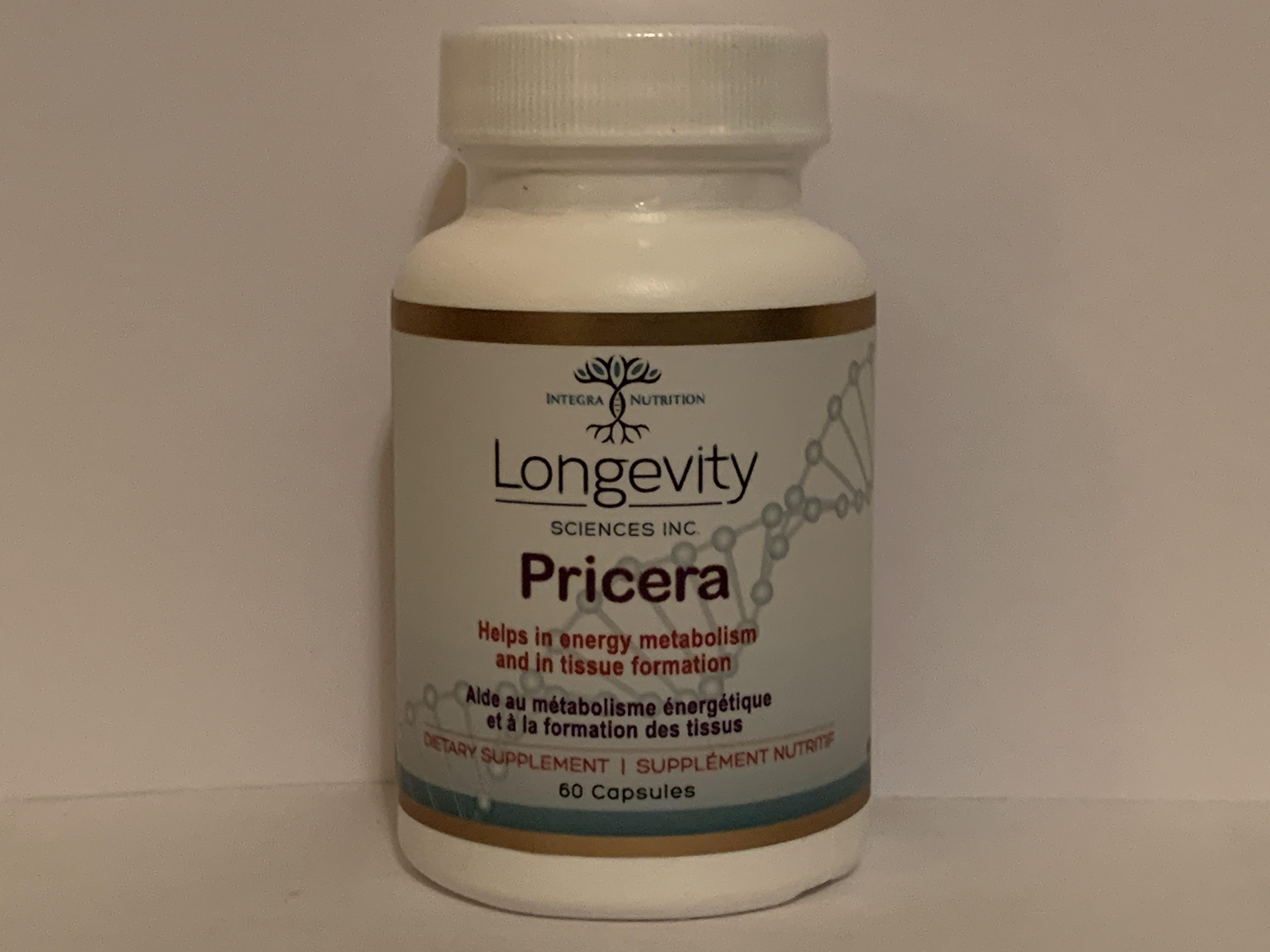
Sure enough the most significant impact came from just two supplements which would decrease my Biological Age by approximately 15 years and these two supplements turned out to be our two key Integra Nutrition formulations: Pricera, our very popular NAD+ precursor formulation as well as our GenZogenol formulation.

I won’t go into detail on these two formulations in this article: if you want more details on them, have a look at our Integra Nutrition website.

GenZogenol: this formulation includes a key ingredient – Enzogenol which has been shown in a rat study to LENGTHEN telomeres by 40% and in a mouse study to to lengthen healthspan and lifespan by the equivalent of approximately 15 years in humans.

Pricera: is an NAD+ precursor formulation and according to the published literature the best on the market.***

NAD+ levels decrease by 50% by the age of 50 and they are down by 90-96% by the age of 80.

One key factor about NAD+ is it is necessary to activate the Sirtuin longevity genes so if these are not being activated, it accelerates vascular aging which has an impact on virtually every cell in the body.

Optimizing NAD+ levels can have a significant impact on energy levels due to its impact on mitochondrial function: many users feel a surge in energy levels even within 24-72 hours.

These two formulations can have a dramatic positive impact on your personal aging process and healthsplan.

In addition, they can have a significant positive impact on pretty much all chronic, degenerative conditions.

If you would like to get some additional documentation of these two formulations – including some of the published research, reach out to me.

Pricera Testimonials

Liking Pricera 🙂

Definitely boosting energy and focus.
It’s been ages since I got out in the evening for a bike ride just because I was so knackered.

This changed within 2 days of starting the Pricera.
Also more mental clarity.

Chris Spooner, ND
Vernon, BC

For a number of years I have been dealing with low energy and stamina, Chronic Fatigue and hand tremors.

One of the key areas where Pricera impacts me is my energy levels – in the past, I often could only work for 4-5 hours before I felt exhausted and would have to stop.

Some days it felt like my energy levels were so depleted that it was a struggle to get out of bed.

Since starting on the Pricera, I have experienced a tremendous boost to my energy levels and I can now work 8-10 hours at a stretch.

I have gained more stamina, energy and clarity and I have seen a significant improvement in my exercise capacity.

For myself, Pricera has been a life saver, and I will not miss a single day taking it!

MG Vancouver, BC

Pricera our NAD+ precursor formulation is now available!


Why maintaining optimal NAD+ levels as we age is critical to our quality of life, healthspan and potentially lifespan  

I wanted to share with you today why I believe that maintaining optimal NAD+ levels is critical for healthy aging, extending healthspan – and potentially lifespan (as has been shown in animal studies).


  “In my opinion, NAD therapy will turn out to be one of the greatest advances in medical science since Fleming developed penicillin”.

Dr. Phil Milgram, MD

NAD+ levels decrease with age:

  • People aged 50 have about 40% less NAD+
  • By the age of 80 years, NAD+ levels decline between 90-98%

NAD+ and the Sirtuin Longevity Genes

Optimal NAD+ levels are critical for the activation of the Sirtuin longevity genes.

Limited Sirtuin longevity gene activity can lead to an acceleration of the aging process: one example of this is vascular aging.

Vascular aging is responsible for a constellation of disorders, such as cardiac and neurologic conditions, muscle loss, impaired wound healing and overall frailty, amongst others.

Multiple animal studies have demonstrated that increasing sirtuin activity leads to:

•Longer life
•Less age-related loss of function
•Less DNA damage

NAD+ maintains and builds sirtuin levels and activity

Exercise Performance

Another impressive benefit of optimizing NAD+ levels is in the area of exercise:

In a mouse study, the cohort which was supplemented to optimize NAD+ levels it increased their exercise capacity between 56 and 80 percent, compared with untreated mice.

David Sinclair, PhD commented about the results of this study:

“Even if you’re an athlete, you eventually decline,” Sinclair said. “But there is another category of people—what about those who are in a wheelchair or those with otherwise reduced mobility?”

In another study involving elderly men, supplementation with an NAD+ precursor resulted in improved exercise performance:

The men in this study had an 8% improvement in peak isometric muscle torque (a measure of muscle force) and a 15% improvement in fatigue associated with exercise.

Other Research Highlights:  

• Boosting NAD+ biosynthesis by using key NAD+ intermediates is now drawing significant attention for: Alzheimer’s/Type 2 Diabetes/Heart Failure/ Hearing Loss
• NAD+ precursors have been shown to increase stem cell colonies by 75% in the gut of aging mice
• Other studies point to the role of NAD+ in restoring circadian rhythms needed for restorative sleep
• SirT1 overexpression protects against Alzheimer’s and Huntington’s disease as well as ALS

Low NAD+ Levels Can Contribute to the Following:

•Accelerates aging
•Increases sunburn and skin cancer
•Decreases cellular antioxidants
•Decreases metabolism along with thyroid hormones
•Harms immune function
•Increases inflammation
•Impairs brain function
•Can cause hypoxia intracellularly
•Associated with Chronic Fatigue Syndrome
•May worsen weight gain and metabolic syndrome
•May worsen cardiovascular diseases
May contribute to MS (multiple sclerosis)

Why Is It Important to Increase NAD+ Levels?

General Benefits

•Low NAD+ levels can accelerate the aging process
•NAD+ is vital for mitochondrial health
•NAD+ plays a key role in cellular metabolism and energy production
•NAD+ is a rate-limiting co-substrate for sirtuins
•High NAD+ levels are essential for DNA repair and recovery
•NAD+ activates CD38, which is present on many immune cells (white blood cells) and associated with impaired immune responses.
•Enhances autophagy
•Helps maintain redox potential

Specific Conditions

•Positive impact on the Diabesity Spectrum
•Low NAD+ levels may worsen cardiovascular diseases
•Low NAD+ levels may increase inflammation


In my opinion, you cannot age well and extend healthspan without addressing and maximizing NAD+ levels, especially with older patients.

For more information about Pricera or where you can get some reach out to me.

Copyright © 2020 Robert Lamberton

All rights reserved

Health Conditions Which Can Benefit From Increased NAD+ Levels:  

•Alcoholism
•ALS
•Alzheimer’s Disease
•Anxiety
•Benzo Addiction
•Brain Injury
•Cancers
•Chronic Fatigue
•Depression
•Diabesity Spectrum
•Elevated cholesterol levels
•Fibromyalgia
•Hypertension
•IBS
•Immune system activation
•Inflammation
•Lyme’s Disease
•Malabsorption Syndrome
•Methadone Addiction
•Mitochondrial Dysfunction
•Multiple Sclerosis
•Narcotic Addiction
•Neurodegeneration
•Oxidative stress
•Parkinson’s Disease
•PTSD
•Respiratory Allergies
•Schizophrenia
•SIBO
•Skin Allergies
•Stress  

Exposure to and accumulation of environmental toxins represents a major challenge to optimizing health in our current environment.

BPA – Bisphenol A is one of these environmental toxins which has received considerable coverage over the last several years.

The article I want to share with you today –from an article posted on the Science Daily website suggests that levels of accumulation in humans has been seriously underestimated.

This article was based upon a published study done at Washington State University and published in The Lancet Diabetes & Endocrinologythe citation is included at the end of this article.

Just before you read this information, here is an excerpt from an abstract on”Health Risk of Exposure to Bisphenol A” (abstract included at the end of this article) on some of the potential issues that exposure to BPA may cause:

” Due to its phenolic structure BPA has been shown to interact with estrogen receptors and to act as agonist or antagonist via estrogen receptor (ER) dependent signalling pathways. Therefore, BPA has been shown to play a role in the pathogenesis of several endocrine disorders including female and male infertility, precocious puberty, hormone dependent tumours such as breast and prostate cancer and several metabolic disorders including polycystic ovary syndrome (PCOS)”

Due to the prevalence of exposure to BPA in our environment – as well as other chemicals and heavy metals periodic monitoring and supervised detox programs to clear out this toxin load are serious considerations for optimizing health and potentially extending healthspan.

Summary:

  Researchers have developed a more accurate method of measuring bisphenol A (BPA) levels in humans and found that exposure to the endocrine-disrupting chemical is far higher than previously assumed. The study provides the first evidence that the measurements relied upon by regulatory agencies, including the US Food and Drug Administration, are flawed, underestimating exposure levels by as much as 44 times. Researchers have developed a more accurate method of measuring bisphenol A (BPA) levels in humans and found that exposure to the endocrine-disrupting chemical is far higher than previously assumed.

The study, published in the journal The Lancet Diabetes & Endocrinology on Dec. 5, provides the first evidence that the measurements relied upon by regulatory agencies, including the U.S. Food and Drug Administration, are flawed, underestimating exposure levels by as much as 44 times.

“This study raises serious concerns about whether we’ve been careful enough about the safety of this chemical,” said Patricia Hunt, Washington State University professor and corresponding author on the paper. “What it comes down to is that the conclusions federal agencies have come to about how to regulate BPA may have been based on inaccurate measurements.”

BPA can be found in a wide range of plastics, including food and drink containers, and animal studies have shown that it can interfere with the body’s hormones. In particular, fetal exposure to BPA has been linked to problems with growth, metabolism, behavior, fertility and even greater cancer risk.

Despite this experimental evidence, the FDA has evaluated data from studies measuring BPA in human urine and determined that human exposure to the chemical is at very low, and therefore, safe levels. This paper challenges that assumption and raises questions about other chemicals, including BPA replacements, that are also assessed using indirect methods.

Hunt’s colleague, Roy Gerona, assistant professor at University of California, San Francisco, developed a direct way of measuring BPA that more accurately accounts for BPA metabolites, the compounds that are created as the chemical passes through the human body.

Previously, most studies had to rely on an indirect process to measure BPA metabolites, using an enzyme solution made from a snail to transform the metabolites back into whole BPA, which could then be measured.

Gerona’s new method is able to directly measure the BPA metabolites themselves without using the enzyme solution.

In this study, a research team comprised of Gerona, Hunt and Fredrick vom Saal of University of Missouri compared the two methods, first with synthetic urine spiked with BPA and then with 39 human samples. They found much higher levels of BPA using the direct method, as much as 44 times the mean reported by the National Health and Nutrition Examination Survey (NHANES). The disparity between the two methods increased with more BPA exposure: the greater the exposure the more the previous method missed.

Gerona, the first author on the paper, said more replication is needed.

“I hope this study will bring attention to the methodology used to measure BPA, and that other experts and labs will take a closer look at and assess independently what is happening,” he said.

The research team is conducting further experiments into BPA measurement as well as other chemicals that may also have been measured in this manner, a category that includes environmental phenols such as parabens, benzophenone, triclosan found in some cosmetics and soaps, and phthalates found in many consumer products including toys, food packaging and personal care products.

“BPA is still being measured indirectly through NHANES, and it’s not the only endocrine-disrupting chemical being measured this way,” Gerona said. “Our hypothesis now is that if this is true for BPA, it could be true for all the other chemicals that are measured indirectly.”

This study was supported by grants from the National Institutes of Health.


Story Source:

Materials provided by Washington State University. Original written by Sara Zaske. Note: Content may be edited for style and length.


Journal Reference:

  1. Roy Gerona, Frederick S vom Saal, Patricia A Hunt. BPA: have flawed analytical techniques compromised risk assessments? The Lancet Diabetes & Endocrinology, 2019; DOI: 10.1016/S2213-8587(19)30381-X

Rocz Panstw Zakl Hig. 2015;66(1):5-11.

Health risk of exposure to Bisphenol A (BPA).

Konieczna A1, Rutkowska A1, Rachoń D1.  

Abstract

Bisphenol A (BPA) belongs to chemicals that are produced in large quantities worldwide. It is commonly used as monomer in polycarbonate synthesis, plasticizer in the production of epoxy resins, as well as an additive for the elimination of surfeit of hydrochloric acid during the polyvinyl chloride (PVC) production. BPA is not only used in the production of plastics intended to a direct contact with food, including plastic packaging and kitchenware, but also in inner coatings of cans and jar caps. There are various routes of human exposure to this substance such as oral, by inhalation and transdermal. The main sources of exposure to BPA include food packaging and dust, dental materials, healthcare equipment, thermal paper, toys and articles for children and infants. BPA is metabolized in the liver to form bisphenol A glucuronide and mostly in this form is excreted with urine. Due to its phenolic structure BPA has been shown to interact with estrogen receptors and to act as agonist or antagonist via estrogen receptor (ER) dependent signalling pathways. Therefore, BPA has been shown to play a role in the pathogenesis of several endocrine disorders including female and male infertility, precocious puberty, hormone dependent tumours such as breast and prostate cancer and several metabolic disorders including polycystic ovary syndrome (PCOS).

Because of the constant, daily exposure and its tendency to bio-accumulation, BPA seems to require special attention such as biomonitoring. This observation should include clinical tests of BPA concentration in the urine, which is not only one of the best methods of evaluation of the exposure to this compound, but also the dependence of the daily intake of BPA and the risk of some endocrine disorders. PMID: 25813067

Fasting in its many forms can provide profound beneficial health benefits.

Following is an article on this topic authored by Dr. Dan Pompa which provides a good overview.

Regards,

Robert (Rob) Lamberton

Fasting is a very old ritual to boost health that is found in religions all over the world and is rooted in natural ancestral cycles of feast and famine. Before we had grocery stores, restaurants, and even food delivery services- there were often times with very little to no food. Following times of famine,  there was an abundance of food (following a successful harvest, forage, or hunt). Even animal wisdom harnesses the power of fasting- like dogs, that will intuitively stop eating when they are sick. More and more studies are emerging on the incredible benefits that fasting can have, on not only for health but also suggesting a boost in longevity.

Fasting diets have nothing to do with WHAT or HOW MUCH you eat, but WHEN you eat. Intermittent fasting (or IF) is the art of restricted time eating, so instead of counting calories or restricting what types of foods you eat- the entire “diet” relies on when you do, and don’t eat.

Recent Research on Fasting

Have Your Cake And Eat It Too: Boost Health and Longevity Not By Changing What You Eat, But When You Eat.

Intermittent Fasting Research

Although Intermittent Fasting to boost health has gained popularity in more recent years, its wisdom dates back to our ancestors from the stone age. Apart from periods of feast and famine, our ancestors’ lives were also heavily dictated by the rising and setting of the sun; activities like eating naturally happened during day time. Our exposure to light, food, and movement are the main tenets that inform and program our circadian rhythm. This internal rhythm influences everything from sleep-wake cycles, hormone release, eating habits and digestion, body temperature, and other important bodily functions.1 Intermittent fasting plays a role in giving the body an adequate period of rest from digestion, enabling it to not only heal- but thrive.

Research on Fasting is Extensive

Many of the studies regarding fasting to boost health and longevity have been done on animals. However, these studies suggest promising effects on metabolic functions, health, and lifespan for humans. Although there are many variables, Rafael deCabo, a scientist at the National Institute on Aging and the study’s lead author explains that;

“in the absence of calorie restriction, and independent of diet composition, fasting mice do better than non-fasting”.2

Boost Health! The ever-increasing research regarding fasting suggests some incredible health and longevity benefits including:

  • Autophagy
  • A boost in stem cells
  • Boost in ketones
  • Hormone optimization
  • Increased insulin sensitivity
  • Reset of the microbiome
  • Reset of the DNA (gene code)
  • Decrease in inflammation
  • A decrease in oxidative stress
  • Reduced instances of chronic disease and obesity
  • Protection against unusual deterioration of cognitive function
  • Fat loss
  • Cancer prevention
  • Promotion of better sleep
  • More satiety/ reduced hunger

Although benefits are often examined as individual points, they are in fact very much intertwined to promote overall longevity. One of the main ways IF leads to longevity is “multi-system regeneration,” which fasting researcher Dr. Valter Longo explains occurs during the presence of ketones in the blood. The autophagy process that happens during a fasting period breaks down weak and damaged cells, which are then replaced with new stem cells after food is reintroduced.

“You get rid of the junk during starvation — and once you have food, you can rebuild… The damaged cells are replaced with new cells, working cells — and now the system starts working properly.”

Research on Fasting: Health and Longevity

All these benefits suggest a direct link between fasting and longevity, although conducting a clinical longevity study in humans is unfeasible at the moment, for would cost “a hundred million dollars or more,” according to Longo. “But if you look at the data from our trial … it would be hard to see how they would not live longer.”

Dr. Valter Longo and Dr. Satchin Panda’s study demonstrated that a 12-hour feeding window reduced blood cholesterol, fasting blood sugar, body weight, body fat, inflammation, and dysbiosis, and increased energy expenditure, motor control, endurance, sleep, and cardiac function.3 Their study examined the intricate relationship between time-restricted feeding (IF), circadian health, and ultimately concluded that simply limiting your eating window to a minimum of 12 hours reduces biological age irrelevant of any dietary changes! Indeed, their study suggests that you can have your cake and eat it too… so long as you do so within your eating window.

Research on Fasting: How To Do It

There are many different fasting styles that range from multiple days water-only fasts, to bone broth fasts, to alternate day fasting… but intermittent fasting itself is conceptually incredibly simple: engage in a particular restricted eating window, preferably rooted in 2 meals (and no snacking). This might seem not too far off from your current habits, but studies show the average American eats 17-21 times a day! This is detrimental to our health and longevity.

Classic Intermittent Fasting: The Eating Window

The key is, aforementioned, restricting your eating window. The science suggests a very minimum of 12 hours to see any benefits, so if you have no experience fasting- start there. If you eat your first meal at 8 am, no food (or beverage other than plain water) after 8 pm.4 From there, extend the fasting window to ideally (at least) 16 hours. Whether you decide to skip breakfast or dinner is completely personal, find what works best for your schedule and which option is more sustainable over the long run. A 2018 study comparing a 12-hour feeding window to an 8-hour feeding window demonstrated that although both groups lost weight, those in the 8-hour feeding window group dramatically lower insulin levels, improved insulin sensitivity, and significantly lower blood pressure in only five weeks.5

Research on Fasting: One Meal a Day

“One meal a day” (or OMAD) is an extreme version of intermittent fasting. An individual shortens their eating window to essentially the duration of one single meal. The benefits of this technique essentially amplify all the aforementioned benefits of a 16/8 IF protocol.  OMAD gives the body even more time in this resting (vs. digesting) state. OMAD is not, however, for everyone- nor should it be the goal. Consuming one meal a day can be more taxing on the adrenal system. OMAD could even induce more detoxification than an individual can handle at once.

Like any type of good stress (exercise, sauna, cold therapy), the adrenals and overall system need to be strong enough to withstand the short term stressor. Ease into intermittent fasting at your own pace, and always listen to your body. A great way to transition into it and/ or reboot your system is to take part in the 5-day Fasting Mimicking Diet™.

Research on Fasting to Boost Health and Longevity: The Fasting Mimicking DietTM

Fasting for health and longevity can be a daunting endeavor for someone who is used to eating 3+ meals a day their entire lives, and this is where the fasting mimicking diet comes in. Fasting expert and researcher Dr. Valter Longo created the Fasting Mimicking Diet program that mimics the benefits of a fasting protocol, combining both the benefits of intermittent fasting and a longer term fast (through caloric restriction). Prolon® takes out the guesswork but providing clients with all their meals for a 5 day period. Longo is the Director of both the Longevity Institute at the University of Southern California and The Program on Longevity and Cancer at IFOM in Milan, and his clinical study demonstrated remarkable benefits that fasting has to offer in just 5 days (repeated for 3 months):

Promote stem cell-based renewal in the body

Decrease excess body fat while preserving lean muscle mass

Maintain healthy levels of blood glucose, cholesterol, & blood pressure

Decreased hormone IGF-1 (which has been implicated with aging and disease)6

We suggest using this fasting mimicking diet to boost health if you are completely new to fasting or are trying to break destructive eating patterns! This can be a bridge to continue on with regular Intermittent Fasting thereafter!

References

  1. Longo, Valter D., and Satchidananda Panda. “Fasting, Circadian Rhythms, and Time-Restricted Feeding in Healthy Lifespan.” Cell Metabolism, vol. 23, no. 6, 2016, pp. 1048–1059., doi:10.1016/j.cmet.2016.06.001.
  2. Mitchell, Sarah J., et al. “Daily Fasting Improves Health and Survival in Male Mice Independent of Diet Composition and Calories.” Cell Metabolism, vol. 29, no. 1, Jan. 2019, doi:10.1016/j.cmet.2018.08.011
  3. NIH. “Circadian Rhythms.” National Institute of General Medical Sciences, U.S. Department of Health and Human Services, 2017, www.nigms.nih.gov/Education/Pages/Factsheet_CircadianRhythms.aspx
  4. Sutton, Elizabeth F., et al. “Early Time-Restricted Feeding Improves Insulin Sensitivity, Blood Pressure, and Oxidative Stress Even without Weight Loss in Men with Prediabetes.” Cell Metabolism, vol. 27, no. 6, 2018, doi:10.1016/j.cmet.2018.04.010.
  5. Wei, Min, et al. “Fasting-Mimicking Diet and Markers/Risk Factors for Aging, Diabetes, Cancer, and Cardiovascular Disease.” Science Translational Medicine, vol. 9, no. 377, 2017, doi:10.1126/scitranslmed.aai8700.

Here is a great article from the Science Alert website which discusses what the consumption of sugar does to the brain.

We love sweet treats. But too much sugar in our diets can lead to weight gain and obesity, Type 2 diabetes and dental decay. We know we shouldn’t be eating candy, ice cream, cookies, cakes and drinking sugary sodas, but sometimes they are so hard to resist.

It’s as if our brain is hardwired to want these foods.

As a neuroscientist my research centres on how modern day “obesogenic”, or obesity-promoting, diets change the brain. I want to understand how what we eat alters our behaviour and whether brain changes can be mitigated by other lifestyle factors.

Your body runs on sugar – glucose to be precise. Glucose comes from the Greek word glukos which means sweet. Glucose fuels the cells that make up our body – including brain cells (neurons).

Dopamine “hits” from eating sugar

On an evolutionary basis, our primitive ancestors were scavengers. Sugary foods are excellent sources of energy, so we have evolved to find sweet foods particularly pleasurable. Foods with unpleasant, bitter and sour tastes can be unripe, poisonous or rotting – causing sickness.

So to maximize our survival as a species, we have an innate brain system that makes us like sweet foods since they’re a great source of energy to fuel our bodies.

When we eat sweet foods the brain’s reward system – called the mesolimbic dopamine system – gets activated. Dopamine is a brain chemical released by neurons and can signal that an event was positive. When the reward system fires, it reinforces behaviours – making it more likely for us to carry out these actions again.

Dopamine “hits” from eating sugar promote rapid learning to preferentially find more of these foods.

Our environment today is abundant with sweet, energy rich foods. We no longer have to forage for these special sugary foods – they are available everywhere.

Unfortunately, our brain is still functionally very similar to our ancestors, and it really likes sugar. So what happens in the brain when we excessively consume sugar?

Can sugar rewire the brain?

The brain continuously remodels and rewires itself through a process called neuroplasticity. This rewiring can happen in the reward system. Repeated activation of the reward pathway by drugs or by eating lots of sugary foods causes the brain to adapt to frequent stimulation, leading to a sort of tolerance.

In the case of sweet foods, this means we need to eat more to get the same rewarding feeling – a classic feature of addiction.

Food addiction is a controversial subject among scientists and clinicians. While it is true that you can become physically dependent on certain drugs, it is debated whether you can be addicted to food when you need it for basic survival.

The brain wants sugar, then more sugar

Regardless of our need for food to power our bodies, many people experience food cravings, particularly when stressed, hungry or just faced with an alluring display of cakes in a coffee shop.

To resist cravings, we need to inhibit our natural response to indulge in these tasty foods. A network of inhibitory neurons is critical for controlling behaviour. These neurons are concentrated in the prefrontal cortex – a key area of the brain involved in decision-making, impulse control and delaying gratification.

Inhibitory neurons are like the brain’s brakes and release the chemical GABA. Research in rats has shown that eating high-sugar diets can alter the inhibitory neurons. The sugar-fed rats were also less able to control their behaviour and make decisions.

Importantly, this shows that what we eat can influence our ability to resist temptations and may underlie why diet changes are so difficult for people.

A recent study asked people to rate how much they wanted to eat high-calorie snack foods when they were feeling hungry versus when they had recently eaten. The people who regularly ate a high-fat, high-sugar diet rated their cravings for snack foods higher even when they weren’t hungry.

This suggests that regularly eating high-sugar foods could amplify cravings – creating a vicious circle of wanting more and more of these foods.

Sugar can disrupt memory formation

Another brain area affected by high sugar diets is the hippocampus – a key memory centre.

Research shows that rats eating high-sugar diets were less able to remember whether they had previously seen objects in specific locations before.

The sugar-induced changes in the hippocampus were both a reduction of newborn neurons, which are vital for encoding memories, and an increase in chemicals linked to inflammation.

How to protect your brain from sugar?

The World Health Organization advises that we limit our intake of added sugars to five per cent of our daily calorie intake, which is 25 grams (six teaspoons).

Considering the average Canadian adult consumes 85 grams (20 teaspoons) of sugar per day, this is a big diet change for many.

Importantly, the brain’s neuroplasticity capabilities allow it to reset to an extent following cutting down on dietary sugar, and physical exercise can augment this process. Foods rich in omaga-3 fats (found in fish oil, nuts and seeds) are also neuroprotective and can boost brain chemicals needed to form new neurons.

While it’s not easy to break habits like always eating dessert or making your coffee a double-double, your brain will thank you for making positive steps.

The first step is often the hardest. These diet changes can often get easier along the way.

Amy Reichelt, BrainsCAN Research Associate, Western University.

This article is republished from The Conversation under a Creative Commons license. Read the original article.