Category: Female Conditions / Issues

A patient comes in and presents with the following symptoms:

✅ Persistent fatigue or low energy (especially in the morning)
✅ Unexplained weight gain or difficulty losing weight
✅ Cold intolerance (feeling cold when others are comfortable)
✅ Slowed metabolism and low basal body temperature
✅ Puffy face, hands, or feet due to fluid retention
✅ Brain fog, slow thinking, poor concentration
✅ Low mood, mild depression
✅ Constipation or sluggish digestion
✅ Brittle nails or slow nail growth
✅ Muscle weakness
✅ Bradycardia
✅ Hair loss with normal labs

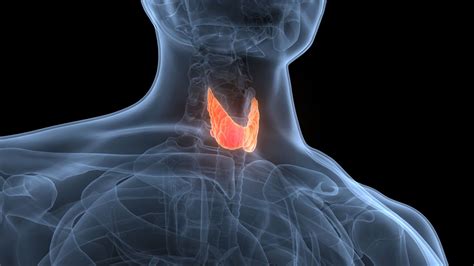
Diagnosis: Hypothyroidism!

Solution: Prescribe them some levothyroxine or desiccated thyroid – right?

Maybe wrong!

There are many causes/conditions that can mimic hypothyroidism such as:

1️⃣ Adrenal Dysregulation (Cortisol Imbalance)
2️⃣ Low Cellular Conversion (Deiodinase Dysfunction)
3️⃣ Chronic Inflammation / Cytokine Load
4️⃣ Mitochondrial Dysfunction
5️⃣ Insulin Resistance & Blood Sugar Dysregulation
6️⃣ Estrogen Dominance or Altered Liver Clearance
7️⃣ Nutrient Deficiencies (Especially Tyrosine, Iodine, Selenium, Iron, and B Vitamins)
8️⃣ Environmental Toxicant Load (Fluoride, Bromide, Heavy Metals)
9️⃣ Gut Dysbiosis and Endotoxin Load
10️⃣ Non-Thyroidal Illness Syndrome (NTIS)

Some key markers to look at:


❇️ Cortisol pattern (DHEA/C ratio)
❇️ Ferritin, zinc, selenium
❇️ Reverse T3
❇️ Inflammatory markers (hs-CRP, IL-6)
❇️ Sex hormone profile
❇️ Nutrient status (B vitamins, tyrosine, iodine)
❇️ Mitochondrial function markers (organic acids, lactate/pyruvate ratio)

If I was working with this patient, I would want to run them through a comprehensive panel of functional labs:

✴️ 24 hour cortisol
✴️ DHEA-S
✴️ Cortisol/DHEA ratio
✴️ Sum Cortisol: DHEA-S
✴️ Testosterone
✴️ Estradiol
✴️ Progesterone
✴️ Progesterone/Estradiol Ratio
✴️ Noon melatonin (Immune system function)
✴️ SIgA
✴️ Indican (protein digestion)
✴️Total bile acids
✴️ 8-OHdG – oxidative damage/ROS
✴️ Zonulin
✴️ Histamine
✴️ DAO (Diamine Oxidase)
✴️Histamine/DAO ratio
✴️ GI-MAP
✴️ Metabolic Typing Diet
✴️ MRT (Mediator Release Test) – food sensitivities

Combined with a detailed intake process, I would then be able to get a true picture of what is going on with this patient and then be able to design a protocol for them to help them to resolve their health issues and improve their quality of life

People are fed up with the “trial and error” approach to trying to get better! They go to their provider and they are told that their labs are within “lab range” and there is nothing wrong with them!

This is where the functional approach becomes so powerful!

If you are in the functional space, have you had similar experiences to this where you have helped patients on the “trial and error” treadmill resolve their health issues?

#healthcare #functionalmedicine #naturopathicmedicine #integrativemedicine #healthspan #nutrition #pharmaceuticals #allopathicmedicine #functionallabs #health #patientcare
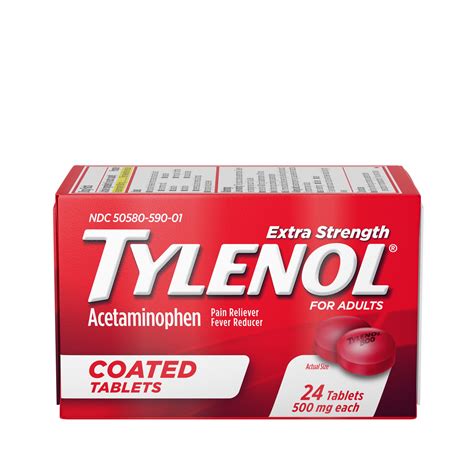

A new systematic review led by researchers from Harvard T.H. Chan School of Public Health and the Icahn School of Medicine at Mount Sinai has strengthened evidence that acetaminophen (Tylenol®) use during pregnancy may increase the risk of neurodevelopmental disorders, including autism spectrum disorder (ASD) and attention-deficit hyperactivity disorder (ADHD) in children.

​The team analyzed 46 studies using the Navigation Guide Systematic Review methodology, a gold-standard framework for evaluating environmental health data. They found that higher-quality studies were more likely to show consistent associations between prenatal acetaminophen exposure and later diagnoses of autism or ADHD.

Importantly, the researchers stress that acetaminophen remains necessary for controlling fever and pain during pregnancy, which, if left untreated, can also endanger fetal development. The message isn’t to eliminate its use entirely, but to balance potential risks with the therapeutic benefits—using the lowest dose for the shortest time under medical guidance.

The Biochemical Dimension: Glutathione and Fetal Brain Vulnerability

As Dr. Ben Lynch, ND, has emphasized in his educational content, one key biological link involves glutathione depletion. Acetaminophen metabolism consumes this potent intracellular antioxidant—vital for detoxification and protection against oxidative stress. During pregnancy, when both maternal and fetal systems experience heightened metabolic demands, reduced glutathione may lower resilience against oxidative damage or epigenetic changes that impact brain development.

​This mechanism aligns with findings from Harvard, Mount Sinai, and Yale researchers noting that oxidative stress, hormonal disruption, and gene expression changes are plausible biological pathways underlying this correlation, even if causality has not been formally proven.

​Clinical and Public Health Implications

With global rates of ASD and ADHD continuing to climb, these findings call for a re-examination of clinical guidelines and increased education for both healthcare providers and patients. Updated recommendations may involve:

  • Encouraging judicious and medically supervised acetaminophen use during pregnancy
  • Considering non-pharmacologic pain management approaches where safe
  • Supporting antioxidant capacity and detoxification pathways, including nutrients that help maintain glutathione levels

While further research is underway to clarify causality, this growing body of evidence invites renewed attention to the delicate intersection between maternal health, medication safety, and early neurodevelopment.

(References: Harvard T.H. Chan School of Public Health, ScienceDaily, Mount Sinai, Yale University, Instagram content by Dr. Ben Lynch ND)

In traditional Thai medicine, Kwao Krua Kao (Pueraria mirifica) has been used for nearly a century primarily as a rejuvenating herb to promote youthfulness in both women and men. The tuberous root, dried and powdered, is traditionally consumed for its estrogen-like effects, which help alleviate symptoms related to aging and hormonal decline.

Key traditional uses include:

– Rejuvenation and anti-aging to promote vitality and youthfulness.
– Relief of menopausal symptoms such as hot flashes, vaginal dryness, and irritability, due to its phytoestrogen content.
– Support for vaginal health through topical applications to improve tissue condition and alleviate dryness.
– Promotion of bone health, potentially preventing osteoporosis linked to estrogen deficiency.
– Reduction of LDL cholesterol and improve vascular function, contributing to cardiovascular health.
– functions as an anti-wrinkle agent for aged and wrinkled skin
– Darkens white hair, and increases hair growth
– Can help to alleviate cataract problems
– Can help with memory loss
– Increases energy and vigor
– Can help to alleviate sleep disorders

Pueraria mirifica contains Miroestrol and deoxymiroestrol two powerful phytoestrogens which have been shown to have 3,000 times the estrogenic activity of soy isoflavones

According to an article published in 2007 by the Health Sciences Institute stated,

“Pueraria Mirifica doesn’t simply mimic estrogen in the body the way that other therapies do, whether bio-identical or not. Instead, the herb (much like the human byproduct it resembles) acts on estrogen receptors.

In more clear terms, it acts as a balancing agent: When levels of estrogen are too high, Pueraria mirifica will tie up receptors to weaken the hormone’s effects – when levels are low, the herb exerts the necessary estrogenic activity without actually increasing the amount of estrogen in your body.

As a result, your hormones are modulated and signs of aging linked to your body’s numerous estrogen-receptors (whether it’s menopausal symptoms, wrinkles, balding, or graying hair) are halted or reversed. And without any risk of toxicity, either”.

For all the above stated health benefits, Pueraria mirifica is in my opinion the top medicinal herb in the world for menopausal/perimenopausal issues and it provides many additional health benefits.

If you’re a nutraceutical brand, healthcare company, or practitioner developing products in these areas, I help design and optimize formulations backed by science, efficacy, and market differentiation.

Let’s collaborate to bring advanced, evidence-informed products to life.

health #healthcare #herbs #medicinalherbs #functionalmedicine #naturopathicmedicine #integrativemedicine #nutraceuticals #healthspan #lifespan #naturalmedicine #herbalmedicine #nutrition #naturalhealth #menopuase #womenshealth

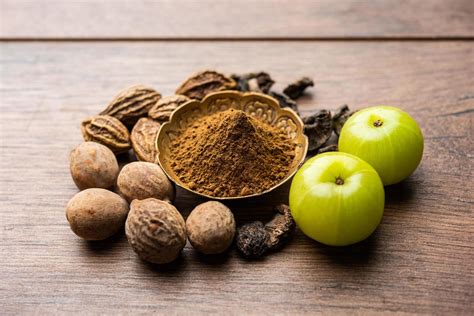
Triphala is an ancient herbal formula rooted in Ayurvedic medicine, composed of three dried fruits: amla (Indian gooseberry), bibhitaki, and haritaki.

This unique combination offers a powerful synergy of antioxidants, anti-inflammatory compounds, and vitamin C, contributing to its numerous health benefits for digestive health, detoxification, immune support, inflammation reduction, and more.

What Is Triphala?

Triphala literally means “three fruits” in Sanskrit and is a polyherbal mix used for thousands of years in Ayurveda for its rejuvenating and healing properties.

The three fruits are:

🔅 Amla (Emblica officinalis), rich in vitamin C and antioxidants

🔅 Bibhitaki (Terminalia bellirica), which supports blood sugar balance and has anti-inflammatory properties

🔅 Haritaki (Terminalia chebula), known for its antimicrobial and digestive benefits

Together, these fruits promote overall wellness by supporting multiple systems of the body.

Health Benefits of Triphala

❇️ Digestive Health Triphala is best known as a gentle tonic for the gastrointestinal tract. It promotes regular bowel movements, alleviates constipation without dependency, reduces bloating and gas, and improves nutrient absorption. Its anti-inflammatory effects soothe the gut lining, making it supportive for conditions like IBS or inflammatory bowel disease. Natural Detoxification Triphala helps the body cleanse toxins by supporting liver, kidney, and GI tract functions. This natural detoxification helps reduce oxidative stress at the cellular level and promotes rejuvenation throughout the body.

❇️ Immune System Support Rich in antioxidants and vitamin C, Triphala strengthens immune defenses and regulates inflammatory responses. The balance it provides to the gut microbiome further contributes to resilient immunity.

❇️ Weight Management and Metabolism Studies indicate Triphala helps regulate blood sugar levels, improves metabolism, and reduces unhealthy cravings. Its various taste elements—sweet, bitter, sour, pungent, and astringent—work together to support appetite control and fat metabolism.

❇️ Anti-Inflammatory and Antioxidant Effects Triphala’s abundant polyphenols, flavonoids, and vitamin C help reduce inflammation and oxidative damage, which supports tissue health and decreases risks of chronic diseases.

❇️Stress Reduction and Overall Well-being

By improving gut health and metabolic balance, Triphala can help calm the nervous system, promote restful sleep, and increase energy levels, thus helping manage everyday stress.

Triphala offers a scientifically supported, multi-dimensional approach to health by supporting digestion, detoxification, immunity, and inflammation control. It is a versatile, natural supplement suitable for both healthcare professionals recommending integrative approaches and the general public seeking holistic wellness

If you’re a nutraceutical brand, healthcare company, or practitioner developing products in these areas, I help design and optimize formulations backed by science, efficacy, and market differentiation.

Let’s collaborate to bring advanced, evidence-informed products to life.

health #healthcare #herbs #medicinalherbs #functionalmedicine #naturopathicmedicine #integrativemedicine #nutraceuticals #healthspan #lifespan #naturalmedicine #herbalmedicine #nutrition #naturalhealth #ayurvedicmedicine

As a product formulator and consultant specializing in evidence-based nutritional formulations, I’m always evaluating botanicals that combine traditional use with modern scientific validation.
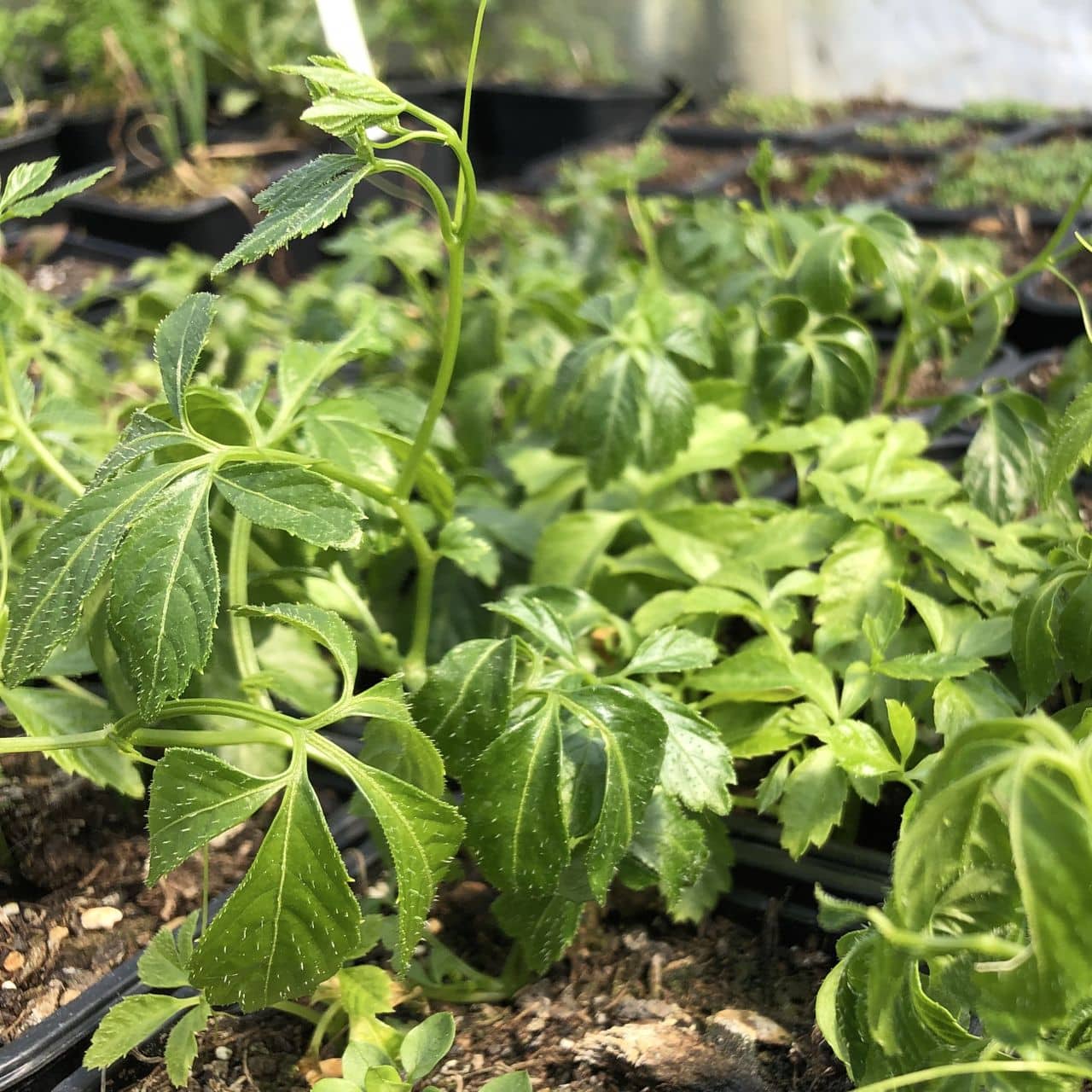
One that continues to stand out is Jiaogulan, often called the “Immortality Herb.”

Rich in over 80 gypenosides—bioactive compounds structurally similar to ginsenosides in Panax ginseng—Jiaogulan offers multiple clinically relevant benefits:

✅ Cardiovascular Support – helps regulate blood pressure, improve endothelial function, and balance lipid levels.
✅ Metabolic Optimization – supports insulin sensitivity and glucose control.
✅ Adaptogenic Activity – enhances the body’s resilience to stress while promoting mental and physical stamina.
✅ Antioxidant & Anti-Inflammatory Effects – protects against oxidative damage and supports healthy aging.
✅ Immune Modulation – can help strengthen immune defenses while calming an overactive immune response promoting balance rather than overstimulation.
✅ Respiratory Support – used to enhance lung function and oxygen uptake, benefiting endurance and recovery.

Do you have any personal experience with Jiaogulan?

From a formulation perspective, Jiaogulan pairs exceptionally well with synergistic ingredients such as:

❇️ Cordyceps or Rhodiola for energy and stress resilience
❇️ Berberine, Bitter Melon, Cinnamon extract for metabolic formulations
❇️ CoQ10, Hawthorn, NAC in cardiovascular and longevity blends

Its versatility and strong safety profile make it an outstanding candidate for next-generation adaptogenic, longevity, and cardiometabolic formulations.

If you’re a nutraceutical brand, healthcare company, or practitioner developing products in these areas, I help design and optimize formulations backed by science, efficacy, and market differentiation.

Let’s collaborate to bring advanced, evidence-informed products to life.

health #healthcare #herbs #medicinalherbs #functionalmedicine #naturopathicmedicine #integrativemedicine #nutraceuticals #healthspan #lifespan #naturalmedicine #herbalmedicine #nutrition #naturalhealth #jiaogulan

In the evolving field of nutraceutical science, Magnolia officinalis continues to stand out — thanks to two key compounds: magnolol and honokiol.
These biphenolic molecules bridge neuroscience, inflammation, and metabolic regulation, offering a broad therapeutic spectrum that’s rare among botanical actives.

✅Neuroprotective & Cognitive Support

– Cross the blood–brain barrier
– Modulate GABA_A receptors → calm, focus, and sleep
– Reduce neuroinflammation & oxidative stress
– Support neuroprotection and healthy cognition

✅Cardiometabolic Support

– Activate AMPK → improved insulin sensitivity & lipid metabolism
– Reduce inflammatory cytokines
– Enhance endothelial and vascular function

✅Systemic Anti-Inflammatory & Antioxidant Effects

– Inhibit NF-κB and MAPK pathways
– Reduce oxidative and inflammatory stress across multiple systems

❇️Emerging Research Areas

– Oncology: Inhibits tumor growth & angiogenesis via PI3K/Akt and STAT3

– Gut & Liver: Supports microbiome balance and reduces endotoxemia

– Microbial Defense: Active against H. pylori and Candida albicans

As a product formulator, I find magnolol and honokiol particularly fascinating for their dual neuro-metabolic and anti-inflammatory synergy — bridging stress, inflammation, and metabolic imbalance, the underlying triad in many chronic conditions.

These compounds are now finding new relevance in precision nutraceutical and longevity formulations.

Key references:

Zhao et al., Frontiers in Pharmacology (2020)
Li et al., Phytomedicine (2018)
Fang et al., Biochem Pharmacol (2015)
Chen et al., J Ethnopharmacol (2020)


Rob Lamberton
Product Formulator | Consultant in Functional & Regenerative Health Innovation

Let’s connect if your company or clinic is exploring bioactive compounds and advanced nutraceutical formulations for brain, metabolic, or longevity applications.

#depression #anxiety #anxiolytic #health #healthcare #herbs #medicinalherbs #functionalmedicine #naturopathicmedicine #integrativemedicine #nutraceuticals #healthspan #lifespan #naturalmedicine #herbalmedicine #nutrition #naturalhealth