Category: Female Conditions / Issues

I’m honored to share that I have joined First Compounding Pharmacy Limited (FCPL) in Nairobi, Kenya as Chief Operations Officer & Head of Compounding Formulation.

This role marks a major milestone in my career and an unprecedented opportunity to help transform healthcare across Kenya and the broader East African region.


Why This Work Matters

Many of the tools we take for granted in North America —
✓ personalized formulations
✓ pharmaceutical-grade compounding services
✓ bioidentical hormone preparations
✓ functional & integrative medicine training
✓ nutrition-based metabolic assessment
are not yet widely available in East Africa.

At FCPL, we are changing that.

Our mission is to introduce world-class, evidence-based compounding and integrative healthcare solutions that will dramatically expand what is possible for clinicians and their patients throughout the region.


My Role at FCPL

As COO and Head of Compounding Formulation, I will be leading:

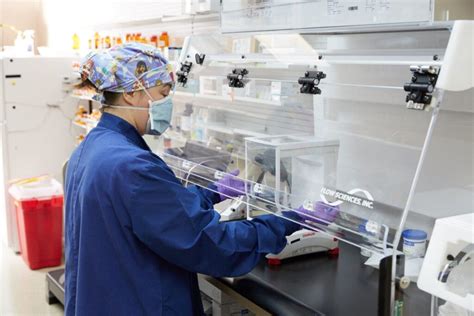
🔬 Compounding formulation (sterile & non-sterile)
🌿 Development of a 46-SKU botanical precision-medicine range
📊 Operational systems & quality assurance integration
🎓 Practitioner education programs in functional nutrition, integrative medicine, and metabolic assessment
💡 Clinical translation of regenerative and longevity protocols

My goal is to help build the most advanced compounding and integrative health platform in East Africa, setting new standards for safety, efficacy, and patient outcomes.


Background & Experience I Bring to This Role

With more than 15 years in functional medicine, nutritional biochemistry, lab-based assessment, and formulation science, my work has included:

• Master nutraceutical formulation for Healthspan Formulations and Cell Factors Regenerative Medicine
• Leading development of next-generation metabolic and regenerative formulations
• Thousands of clinical assessments using arterial pulse wave velocity, bioimpedance, and functional blood chemistry
• Teaching roles at Boucher Naturopathic Medical School (Vancouver)
• Building multimillion-dollar clinical distribution and education programs
• Training hundreds of practitioners across North America in functional and integrative frameworks

This new chapter allows me to apply that experience toward building healthcare capacity where it is needed most.


A Transformational Opportunity for Kenya & East Africa

FCPL represents the first large-scale initiative to bring:

• Compounding pharmacy services
• Bioidentical hormone options
• Evidence-based botanical formulations
• Functional nutrition training
• Integrative oncology support
• Dietary metabolic typing and personalized nutrition

…into a region where these services are just beginning to emerge.

It is a privilege to help lead this effort.


Thank You

I’m deeply grateful to everyone who supported my professional journey and encouraged me to pursue meaningful, high-impact work around the world.

I look forward to collaborating with clinicians, researchers, and partners across Kenya and East Africa to advance a new standard of personalized, integrative healthcare.

The Environmental Working Group (EWG) is a nonprofit research and advocacy organization dedicated to empowering consumers with evidence-based tools to reduce environmental exposures. Their Dirty Dozen Guide to Food Chemicals highlights 12 additives and contaminants that contribute significantly to dietary chemical load.

In the context of the Metabolic Chaos™ Blueprint, these exposures represent contributors to total stress load—not root causes—affecting digestion, hormones, detoxification, mitochondria, and inflammatory pathways.


The Official EWG “Dirty Dozen” Food Chemicals

(As listed on the 2025 EWG guide)

  1. Nitrites and nitrates
  2. Propyl paraben
  3. Brominated vegetable oil (BVO)
  4. Titanium dioxide
  5. BHA (butylated hydroxyanisole)
  6. BHT (butylated hydroxytoluene)
  7. Azodicarbonamide (ADA)
  8. Potassium bromate
  9. TBHQ (tert-butylhydroquinone)
  10. Artificial colors (Red 40, Yellow 5, etc.)
  11. PFAS in food packaging
  12. Perchlorate

Each of these compounds has been evaluated for endocrine disruption, mitochondrial stress, inflammatory activation, or digestive burden—key nodes within the Metabolic Chaos™ physiological network.


Why These Chemicals Matter (Metabolic Chaos™ Clinical Lens)

• They add to the body’s total physiological load

Chronic exposure increases metabolic demand on liver detox pathways (Phase I–III), bile flow, and antioxidant reserves.

• They influence hormonal communication

Parabens, nitrates, and synthetic dyes can modulate pathways linked to the HPA axis, estrogen activity, or stress responses.

• They burden digestion and the gut microbiome

Titanium dioxide and persistent PFAS residues may disrupt gut lining integrity and microbiome balance.

• They promote systemic inflammation

BHA, BHT, and TBHQ may elevate oxidative stress, triggering immune activation and inflammatory signaling.

In FDN methodology, we avoid “root cause” narratives and instead understand that these compounds contribute to a terrain of dysfunction when combined with stress, poor sleep, blood sugar instability, nutrient deficiencies, and environmental toxins.


How to Reduce Exposure

Practical, low-stress strategies:

  • Prioritize whole foods with minimal processing
  • Choose additive-free or certified organic brands
  • Reduce PFAS-coated packaging (microwave popcorn, fast-food wrappers)
  • Read ingredient labels for dyes, parabens, BVO, TiO₂, and BHA/BHT
  • Support digestion (HCl, bile flow, enzymes)
  • Hydrate well to support detox pathways
  • Stabilize blood sugar to reduce inflammatory cascades
  • Maintain consistent sleep and circadian rhythm patterns

Small shifts in food quality can significantly reduce overall physiological burden.


Work With Rob Lamberton


Clinical Services

Professional functional clinical guidance using FDN methodology:
OptimumHealthConsulting.com


Formulation Consulting

Custom formulations, ingredient synergy, functional beverage design, and longevity-focused nutraceuticals:
HealthspanFormulations.com

#RobLamberton #RobertLamberton #FunctionalMedicine #MetabolicChaos #EWG #Nutrition #HolisticHealth


The vagus nerve is one of the most important regulators of the human body. It connects the brain with the digestive system, heart, lungs, immune system, and metabolic pathways.

What Is the Vagus Nerve?

The vagus nerve is the longest cranial nerve and the main pathway of the parasympathetic nervous system (“rest and digest”). It supports:

  • Stress recovery
  • Mood balance
  • Digestive activity
  • Heart rate variability
  • Immune communication
  • Inflammatory modulation

How the Vagus Nerve Affects Stress & Mood

Low vagal tone is associated with sympathetic dominance — difficulty relaxing, trouble digesting, elevated inflammation, and disrupted sleep.
Strong vagal tone supports emotional resilience, digestion, metabolic balance, and calm parasympathetic signaling.

Simple Vagus Nerve Activation Techniques

You can support vagal tone with simple daily practices:

  • Humming
  • Singing
  • Box breathing (4-4-4-4)
  • Slow exhalation
  • Gargling
  • Cold water facial exposure
  • Mindfulness or grounding

These techniques help shift the body toward calm, restorative physiology.

Looking for Support?

Clinical Services:
Work with me directly for functional health consulting:
👉 OptimumHealthConsulting.com

Formulation Consulting for Brands:
I help companies create stress/mood/gut support formulas:
👉 HealthspanFormulations.com

November 21, 2025

By Rob Lamberton, BSc, FNTP, FDN-P (Candidate)

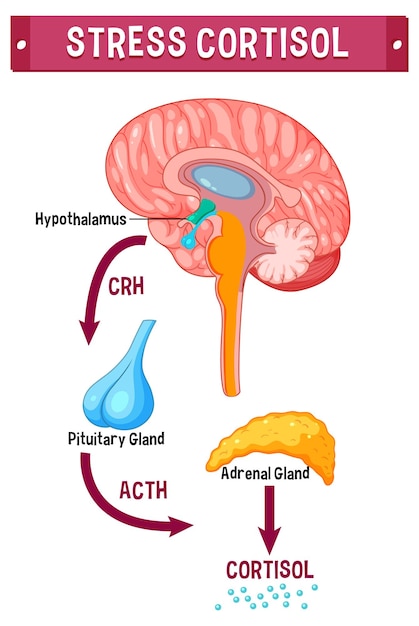
Cortisol is one of the most misunderstood hormones in human physiology. While often labeled as the “stress hormone,” cortisol is essential for survival — regulating blood sugar, immune balance, inflammation, circadian rhythm, brain function, and energy production.

But when stress becomes chronic, cortisol becomes dysregulated, shifting the body into a long-term catabolic state. This is a major factor in what I refer to as Metabolic Chaos® — a constellation of hidden stressors and downstream dysfunctions that do not necessarily reveal a single “root cause,” but manifest across multiple systems.


🔬 What Cortisol Does (The Essentials)

Cortisol plays a central role in:

✔ Regulating blood sugar

It keeps glucose available when you need energy.

✔ Modulating inflammation

Cortisol is both anti-inflammatory and pro-inflammatory depending on context.

✔ Supporting wakefulness & circadian rhythm

Highest in the morning and gradually decreases throughout the day.

✔ Stabilizing blood pressure

It helps maintain vascular tone and sodium balance.

✔ Immune system balance

Acute cortisol increases immunity; chronic exposure suppresses it.

✔ Brain and mood regulation

Affects focus, memory, mood stability, anxiety, and sleep.


🔄 Cortisol’s Relationship with DHEA

Cortisol is catabolic (breaks down tissue). DHEA is anabolic (builds and repairs tissue).

The two must remain in balance.

When cortisol stays high for too long, DHEA production is diverted, leading to:

  • Degeneration of lean muscle
  • Lower resilience
  • Fatigue
  • Hormone imbalance
  • Mood instability
  • Poor recovery
  • Loss of metabolic “reserve”

The Cortisol:DHEA ratio is one of the most important patterns in FDN physiology. A chronically elevated ratio = catabolic dominance, a hallmark of chronic stress response.


⚠️ What Happens When Cortisol Stays High Too Long

Long-term cortisol elevation produces a cascade of dysregulation across multiple systems.


1️⃣ Blood Sugar Dysregulation

Cortisol raises blood glucose to fuel survival. Chronic activation → insulin resistance, leading to:

  • Energy crashes
  • Sugar cravings
  • Abdominal fat storage
  • Diabetes risk

2️⃣ Blood Pressure Elevation

Cortisol increases vascular tone. Chronic elevation contributes to:

  • Hypertension
  • Vascular inflammation
  • Increased cardiovascular risk

3️⃣ Inflammation Increases (Paradoxically)

While cortisol initially suppresses inflammation, chronic exposure causes:

  • Elevated cytokines
  • Tissue breakdown
  • Musculoskeletal pain
  • Increased oxidative stress

This links directly to FDN markers such as 8-OHdG, SIgA, bile acids, etc.


4️⃣ Digestive Dysfunction: Dysbiosis, Bloating, and Irritation

Chronic cortisol:

  • Reduces stomach acid
  • Slows peristalsis
  • Reduces digestive enzyme output
  • Disrupts bile flow
  • Alters gut motility

This opens the door to:

  • Dysbiosis
  • SIBO/SIFO tendencies
  • Floating stools
  • Gallbladder sluggishness

5️⃣ Leaky Gut & Barrier Breakdown

Stress increases zonulin, opening tight junctions. This affects:

  • Immune activation
  • Food sensitivities
  • Systemic inflammation
  • Neuroinflammation

This is directly tied to markers like Indican, SIgA, and gut inflammatory profiles in functional labs.


6️⃣ Immune Suppression

Chronic cortisol:

  • Lowers SIgA
  • Reduces mucosal immunity
  • Increases infection susceptibility
  • Weakens viral defense

In my practice, I often see low SIgA + dysbiosis patterns in chronic stress cases.


7️⃣ Hormone Disruption

High cortisol “steals” substrate from sex hormone pathways.

Leads to:

  • Low libido
  • PMS/perimenopause issues
  • Andropause acceleration
  • Estrogen dominance
  • Low testosterone
  • Progesterone decline

8️⃣ Sleep Disruption

Flattened or elevated nighttime cortisol →

  • Poor sleep
  • Early waking
  • Difficulty relaxing
  • Rumination or anxiety at bedtime

🔚 My Practice Principle: I Do Not Chase Cortisol Levels

I do NOT “treat cortisol.” I look for patterns, identify healing opportunities, and support the entire HPA axis.

Cortisol imbalance is not the problem — it is the result of upstream hidden stress.

Supporting digestive health, circadian rhythm, nutrition, detoxification, GI integrity, and stress reduction restores balance naturally.


🧠 Summary for Clients & Readers

  • Cortisol is essential — but chronic elevation causes wide-ranging downstream effects.
  • Imbalances affect blood sugar, digestion, mood, immunity, inflammation, and hormones.
  • The solution is not to suppress cortisol — but to correct the hidden stressors causing Metabolic Chaos®.

Are you fed up with your personal journey of “trial and error?” Running around to many different practitioners and not getting resolution to your health issues?

Reach out to me for a FREE 15 minute discovery call.

For More Info: Optimum Health Consulting

Optimum Health Consulting – Lamberton

#Cortisol #Stress #HPAaxis #MetabolicChaos #FunctionalMedicine #Healthspan #GutHealth #Inflammation #Hormones #DHEA #Longevity #NutraceuticalInnovation #RobLamberton #RobertLamberton

The Gallbladder: Function, Biliary Stasis, Gallstones, and Post-Removal Support

By Rob Lamberton, BSc, FNTP, FDN-P (Candidate)

Introduction

The gallbladder is a small, overlooked organ with major influence over digestion, nutrient absorption, detoxification, and metabolic health. Gallbladder disease—including biliary stasis, sludge, and gallstones—is increasingly common, and gallbladder removal (cholecystectomy) is now one of the most frequently performed abdominal surgeries in the United States.

This article provides a clear explanation of gallbladder function, the causes of biliary stasis and gallstones, the consequences of living without a gallbladder, and evidence-supported nutritional strategies for maintaining healthy bile flow.

What the Gallbladder Does

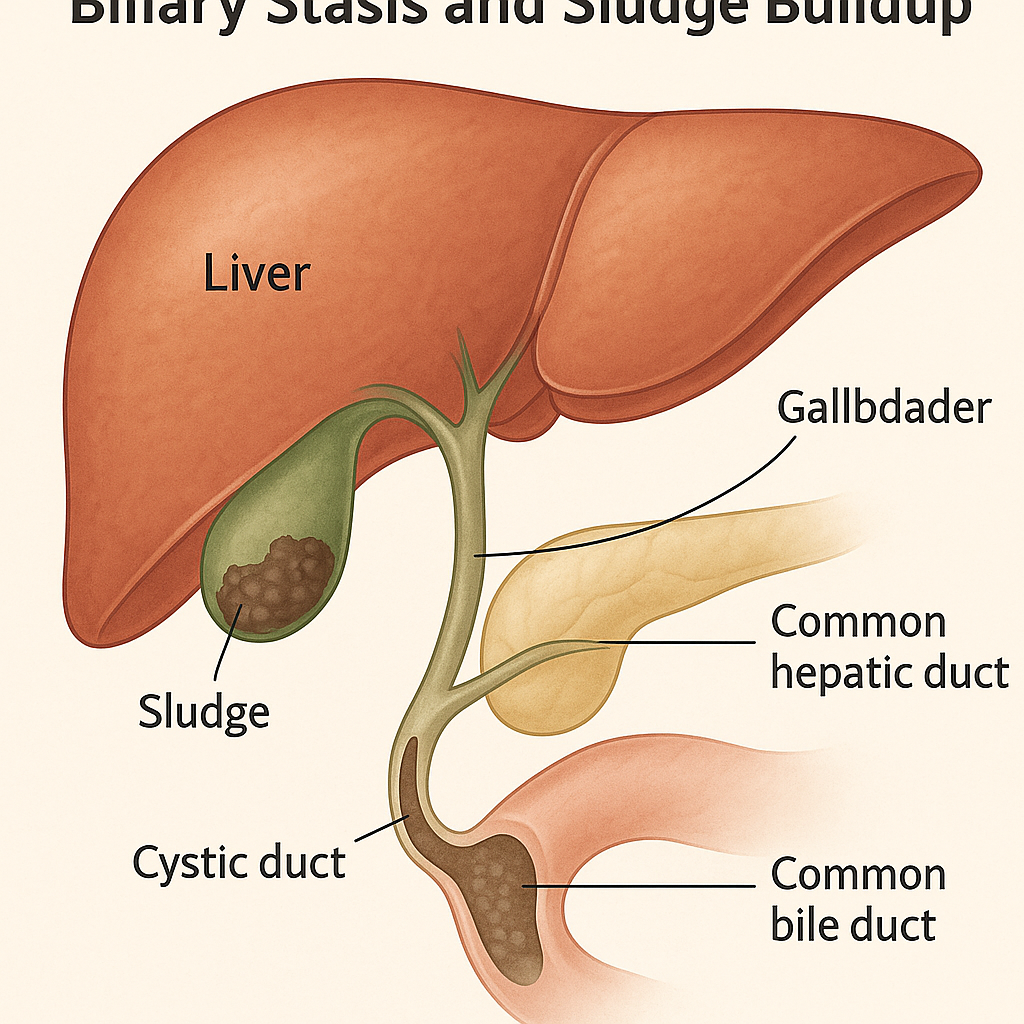
The gallbladder stores and concentrates bile—an essential digestive fluid produced by the liver. When dietary fat enters the small intestine, the hormone CCK triggers the gallbladder to contract and release bile through the common bile duct.

Bile enables:

  • digestion and emulsification of dietary fats
  • absorption of vitamins A, D, E, K
  • elimination of bilirubin, cholesterol, and toxins
  • microbial balance in the small intestine
  • support for liver detoxification

Without effective bile storage and release, multiple digestive and metabolic issues can develop.

What Causes Biliary Stasis and Sludge

Biliary stasis is the slowing or stagnation of bile. When bile becomes thick or overly concentrated, the risk of sludge and gallstones increases.

Common causes include:

  • low-fat diets or long fasting periods
  • obesity and metabolic dysfunction
  • rapid weight loss
  • sedentary lifestyle
  • dysbiosis and poor gut motility
  • high-estrogen states (pregnancy, birth control pills, hormone therapy)
  • inadequate hydration
  • low bile acid production

Stagnant bile can crystallize and form cholesterol gallstones—the most common type seen clinically.

How Many Gallbladder Surgeries Occur in the U.S.?

Cholecystectomy is one of the most common abdominal surgeries performed.

  • Approximately 700,000 gallbladders are removed annually in the United States,
  • And some healthcare estimates place the total closer to 1.2 million per year when including all surgical settings.

Given these numbers, gallbladder-related education is essential for long-term digestive and metabolic health.

Health Issues After Gallbladder Removal

Although removal of the gallbladder resolves acute biliary pain, it does not “fix” the underlying issues that led to bile dysfunction.

Without a gallbladder:

1. Bile trickles continuously

Instead of releasing bile when fat is eaten, bile drips steadily into the intestine, leading to:

  • poor fat digestion
  • bloating, gas, cramping
  • loose stools or urgency
  • floating or fatty stools
  • malabsorption of fat-soluble vitamins

2. Fat-soluble vitamin deficiencies may develop

Absorption of vitamins A, D, E, K is often compromised.

3. Bile acid diarrhea is more common

Continuous bile leakage into the intestine can irritate the gut lining.

4. Post-cholecystectomy syndrome

Up to 40% of people continue experiencing digestive symptoms even after removal.

Natural Compounds and Dietary Measures for Gallbladder Health

Dietary Strategies

  • Moderate intake of healthy fats (prevents bile stagnation)
  • Adequate fiber for cholesterol metabolism
  • Hydration to maintain bile fluidity
  • Bitter foods (dandelion greens, arugula, ginger, lemon)
  • Stable weight management—avoid very low-fat diets or rapid weight loss

Natural Compounds

  • Milk thistle: supports liver and bile production
  • Curcumin: promotes bile flow
  • Taurine: supports bile acid conjugation
  • Phosphatidylcholine: essential for healthy bile composition
  • Magnesium: supports gallbladder contraction

Why Ox Bile Matters After Gallbladder Removal

Ox bile or bile salt supplementation is one of the most important supports for individuals without a gallbladder.

Supplemental bile salts can:

  • assist fat digestion
  • support absorption of fat-soluble vitamins
  • improve stool consistency
  • reduce bloating and discomfort after fatty meals
  • support gut motility through bile acid signaling

Ox bile should be taken with meals containing fat.

Conclusion

The gallbladder is crucial for proper digestion, detoxification, and metabolic balance. When it is impaired—or removed—strategic nutritional and supplemental support becomes essential. Addressing bile health improves digestion, micronutrient absorption, gut function, and overall metabolic resilience.

Work With Rob (Website CTA)

If your company or clinic is developing nutritional supplements or functional drinks, I provide consulting and formulation services to help create science-driven, evidence-based products that truly make an impact.

👉 Learn more: https://healthspanformulations.com

#GallbladderHealth #BiliaryStasis #Cholecystectomy #DigestiveHealth #MetabolicSupport #OxBile #FunctionalMedicine #NutraceuticalScience #DigestiveSupport #MetabolicChaos #LiverDetox #FatDigestion #CholesterolHealth #IntegrativeMedicine #NutritionalSupport #VitaminAbsorption #RobLamberton #RobertLamberton

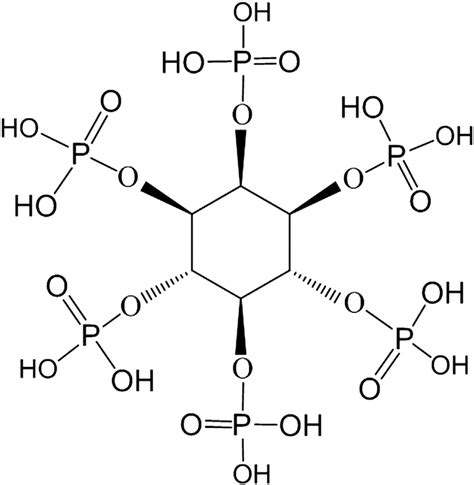
IP6 (inositol hexaphosphate) and myo-inositol are natural compounds found in whole grains, legumes, and even in our own cells. Pioneering research led by Dr. A.M. Shamsuddin has shown that when IP6 is combined with inositol, the pair can help support:

  • Healthy cellular regulation and natural defense
  • Oxidative stress resilience
  • Balanced immune function
  • Normal calcification and mineral balance
  • Aspects of metabolic and vascular health PMC+3PubMed+3PubMed+3

Most of the research is preclinical or early-stage clinical, but the picture that’s emerging is that IP6 + inositol acts as a multi-pathway cellular support system, rather than a single “magic bullet.”

You can learn more about the scientific background at Dr. Shamsuddin’s educational site: ip-6.net. ip-6.net+2ip-6.net+2

Note: IP6 + inositol is not a treatment or cure for disease. It is a dietary supplement that may support the body’s natural defenses and resilience. Always consult your healthcare provider before starting new supplements, especially if you take medication or have complex health conditions. Memorial Sloan Kettering Cancer Center+1

Where My Work Fits In

As a functional health practitioner and formulation scientist, I work with:

  • clients seeking structured, lab-informed wellness programs, and
  • companies and clinics looking to develop science-based nutraceuticals and functional drinks that incorporate ingredients like IP6 + inositol in a rational, evidence-aware way.

If you’re exploring IP6 + inositol in a formulation, it’s essential to think about:

  • dose and delivery format
  • synergy with other ingredients
  • mineral balance and safety
  • the story you tell that accurately reflects the science

💼 Work With Rob

If your company or clinic is developing nutritional supplements or functional drinks, I provide consulting and formulation services to help create science-driven, evidence-based products that truly make an impact.

👉 Learn more or connect: healthspanformulations.com