Category: Environmental Toxins

Today I wanted to share with you some published research which suggests that a common and readily accessible nutritional compound – 5-HTP may be able to mitigate the severity of Rheumatoid Arthritis (RA) and if it is consumed early on in the development stage of RA that it may in fact prevent the RA from developing.

Note that this study was done using an animal model – mice.

Rheumatoid Arthritis

From the Rheumatoid Arthritis. org website:


Rheumatoid arthritis (RA) is a complex disease that affects each patient differently. People from all ethnic backgrounds are at risk of developing RA. It is the third most common type of arthritis behind osteoarthritis and gout.

RA Facts and Statistics

RA is a chronic disease affecting over 1.3 million Americans and as much as 1% of the worldwide population. The specific cause of RA is not known, and as a result there is no known cure for the disease.

Researchers do know, however, that RA is the result of an autoimmune disorder. It is one of the most common autoimmune disorders – more common than psoriasis, Crohn’s disease, multiple sclerosis, and lupus. RA symptoms are triggered when a person’s antibodies mistakenly attack the normal synovial joint fluid, causing chronic inflammation.

Women are up to three times more likely to develop RA than men. Women are also more likely to develop the disease at a younger age than men. RA generally begins to affect people between the ages of 30 and 60 years old. The average person doesn’t develop symptoms of RA until they reach their 60’s.

————————————————————————————————-

Following is an article from the Life Enhancement website which discusses this published research on 5-HTP for RA

Here is the link to the actual abstract if you want to review it.


In the article, it suggests that 5-HTP can be useful for Asthma, Depression, Obesity, Headaches, Fibromyalgia, Insomnia, and Arthritis.

Regards,

Rob


In addition to its use as an antidepressant …

New research brings additional clarity to the mechanisms of 5-HTP

The amino acid tryptophan is essential for humans, meaning the body cannot synthesize it and must obtain it from the diet. A tryptophan deficiency can lead to serious emotional imbalances as well as diminished neural health.

In part, this is because tryptophan is a precursor to serotonin and melatonin. To synthesize these, tryptophan drives two major metabolic pathways: the serotonin pathwayand kynurenine pathway.

The Pathway to Well-Being and Happiness

In the serotonin pathway, tryptophan is catalyzed into 5-hydroxytryptophan (5-HTP) by tryptophan hydroxylase-1 and then converted into serotonin. Biochemically derived from tryptophan or 5-HTP, serotonin is principally found in the gastrointestinal tract, blood platelets, and the central nervous system of humans and animals. Serotonin is generally thought to be a contributor to feelings of well-being and happiness.

Does Kynurenine Provide a Pathway to Inflammation?

A tryptophan deficiency can lead to 
serious emotional imbalances as well 
as diminished neural health.

In the kynurenine pathway, tryptophan is catalyzed into N-formylkynurenine by indoleamine 2,3 dioxygenase (IDO) and then converts into L-kynurenine. L-kynurenine is a metabolite of the amino acid L-tryptophan used in the production of niacin. However, the Kynurenine pathway is a mixed bag. Rheumatoid arthritis patients have increased kynurenine levels in their blood1,2 and its levels are positively correlated with C- Reactive Protein (CRP), a measure of inflammation.3

Serotonin is generally thought to be a 
contributor to feelings of well-being 
and happiness.

5-HTP Suppresses Inflammatory Responses 

In a new Taiwan study,4 researchers note that 5-HTP suppresses inflammatory responses in mouse models of asthma and sepsis. In prior studies, 5-HTP inhibited the production of pro-inflammatory mediators in different cell lines. These associations stimulated the researchers interest in whether 5-HTP could suppress inflammation and disease activity in collagen-induced arthritis (CIA) in mice. CIA is an animal form of human rheumatoid arthritis (RA).

The Value of Rheumatoid Arthritis’s Therapeutic Window

Evidence is accumulating that a preclinical phase is present before the onset of clinical signs and symptoms of RA. This phase represents an important therapeutic window within which interventions can dramatically modulate outcomes.

RA is a chronic inflammatory disorder that, unlike the wear-and-tear damage of osteoarthritis, typically affects the small joints in the hands and feet. RA also affects the lining of joints, causing a painful swelling that can eventually result in bone erosion and joint deformity. RA can occur at any age, although it usually begins after age 40 and is much more common in women.

Preventative Desired

An agent that could prevent RA in the preclinical phase would be a novel approach. In this study, the Taiwan researchers investigated whether the tryptophan metabolite, 5-HTP, could act as such an agent for the primary prevention of CIA. The CIA mouse model is the most commonly studied autoimmune model of rheumatoid arthritis. It is widely used to address questions of disease pathogenesis and to validate therapeutic targets.

5-HTP suppresses 
inflammatory responses in mouse 
models of asthma and sepsis.

5-HTP Suppressed Cell Proliferation

The Taiwan researchers found that 5-HTP given at 10, 20 and 50 μg/ml suppressed cell proliferation and decreased the production of Interleukin (IL)-22 type cells, which regulate the pathogenesis of autoimmune diseases.

5-HTP also suppressed the expression of IL-17, TNFα, IFNγ and T-bet in activated splenocytes (spleen cells). These findings did not result from cell death, because 5-HTP did not increase cell death at these levels.

It’s a Matter of Timing

In their animal studies, a supplement of 5-HTP from day 20 did not affect the disease course. However, 5-HTP given from day 7 before induction significantly decreased the arthritis scores and joint inflammation. Earlier was better than later.

5-HTP May Prevent RA

According to the Taiwan study, patients with allergy/asthma commonly have associated symptoms of anxiety/depression. These results suggest that 5-HTP supplements can be an approach to prevent arthritis.

5-HTP taken orally suppressed allergic lung inflammation, even though cytokine levels were not decreased on broncho-alveolar lavage (BAL).5 BAL is a medical procedure in which a bronchoscope is passed through the mouth or nose into the lungs and fluid is squirted into a small part of the lung and then collected for examination. It is typically performed to diagnose lung disease. (See “Galantamine Protects Against Lung Injury,” the sidebar in the lead article “Stop Smoking with Galantamine” in this issue.)

5-HTP given from day 7 before 
induction significantly decreased the 
arthritis scores and joint 
inflammation.

Serotonin and Major Depressive Disorders

Decreased levels of serotonin in the central nervous system are associated with major depressive disorders. Treatment with selective serotonin reuptake inhibitors (SSRIs) or supplementation with serotonin precursors (tryptophan and 5-HTP) is an important strategy in depression therapy. SSRIs can block serotonin re-uptake and thus increase serotonin levels in the brain and improve depression. Tryptophan and 5-HTP can make serotonin in the body and also improve depression.

SSRIs and Supplements

Of interest, certain SSRIs can decrease the production of pro-inflammatory cytokines, suppress airway inflammation in asthma patients, and reduce disease activity in RA patients. SSRIs have also been found to decrease the arthritis scores in CIA mice and suppress cytokine production in macrophages and synovial membrane cells. But SSRIs are not without adverse effects.

Patients with allergy/asthma 
commonly have associated symptoms 
of anxiety/depression.

The Taiwan researchers found that the SSRI fluoxetine (aka Prozac) effectively decreased the production of IFNγ and TNFα in activated splenocytes. In the animal study, it was found that 5-HTP given orally increased the serum levels of serotonin, whereas parenteral 5-HTP did not affect the serum levels of serotonin in CIA mice. Thus, regulation of serotonin levels is not likely to be the major mechanism behind the suppression of arthritis by 5-HTP in the CIA mice.

RA patients have increased kynurenine levels in the blood, and the levels are positively correlated with C-reactive protein. In addition, RA patients have increased indoleamine 2,3 dioxygenase (IDO) activity in the synovial fluid.

5-HTP Regulates Immune Responses

The Taiwan study provides both in vitro and in vivo evidence that 5- HTP, a tryptophan metabolite, can regulate immune responses. Taking a 5-HTP supplement before CIA induction can decrease disease activity, suppress joint inflammation and cause minimal side effects in CIA mice. Nevertheless (you’ve undoubtedly heard this before), further studies are required to elucidate whether the common dietary supplement 5-HTP can act as an agent for primary prevention of RA.

5-HTP taken orally 
suppressed allergic lung 
inflammation, even though cytokine 
levels were not decreased on 
broncho-alveolar lavage.

Also in the Taiwan study, it was found that 5-HTP did not affect the cytokine levels in the serum or the percentages of IFNγ+CD4+ T cells in the spleen. However, 5-HTP suppressed the expression of TNFα and IL-6 in the inflamed ankle joints and decreased the percentages of IFNγ+CD4+ T cells in the draining lymph nodes. These results suggest that 5-HTP decreased arthritis activity without affecting systemic immunity.

Serotonin Up; Kynurenine Down

Of great interest, pro-inflammatory cytokines such as TNFα, IL-1 and IFNγ can increase IDO expression and promote serotonin re-uptake, resulting in increased levels of kynurenine and decreased levels of serotonin. Indeed, IDO is the first and rate-limiting enzyme of tryptophan catabolism through the kynurenine pathway, thus causing depletion of tryptophan, which can cause halted growth of microbes as well as T cells.

The study showed that mice with a higher arthritis score were more likely to have high serum levels of kynurenine and low levels of serotonin.

5-HTP for Asthma, Depression, Obesity, Headaches, Fibromyalgia, Insomnia, and Arthritis

As reported by the Taiwan scientists, in mouse models of asthma, the amount of 5-HTP given to the mice was equivalent to consumption of 200 mg per day by a 100 lb person. In their study, the daily consumption of 5-HTP was equivalent to between 384 mg and 1,920 mg per day by a 132 lb person.

5-HTP given orally increased the 
serum levels of serotonin.

5-HTP is indicated for depression, obesity, headaches, fibromyalgia and insomnia. A 5-HTP supplement is well-tolerated and causes minimal side effects. In clinical studies, the doses of 5- HTP in the treatment of depression have been from 20 to 3,250 mg per day.

Treatment with 5- HTP at 600 mg per day was also found to decrease the frequency of migraine and improve insomnia. In a mouse model of asthma, the amount of 5-HTP given to the mice was equivalent to consumption of 200 mg per day by a 100 lb person.

In the Taiwan animal study, 5-HTP given orally did not affect body weight or cause diarrhea. However, the daily consumption of 5-HTP was equivalent to 384 mg and 1,920 mg per day by a 132 lb person. Furthermore, 5-HTP given by i.p. injection at 30, 100 and 300 mg/kg decreased the production of TNFa in a sepsis model.

These results suggest that 5-HTP 
decreased arthritis activity without 
affecting systemic immunity.

The mice receiving the i.p. amounts at 30, 100 and 300 mg/kg (human equivalents of 160 mg, 527 mg, 1,580 for a 132 lb person) had improved arthritis scores and decreased joint inflammation.


We all know that exposure to airborne particulate matter can cause health issues, however this paper published in Environmental Research suggests that the problem may be a lot worse than we thought as the study showed evidence of Alzheimer’s, Parkinson’s and motor neuron disease (MND) in young individuals.

Regards,

Rob

Summary:

  After examining the brainstems of 186 young Mexico City residents aged between 11 months and 27 years of age, researchers, found markers not only of Alzheimer’s disease, but also of Parkinson’s and of motor neuron disease (MND) too. These markers of disease were coupled with the presence of tiny, distinctive nanoparticles within the brainstem – their appearance and composition indicating they were likely to come from vehicle pollution.

FULL STORY


Researchers looking at the brainstems of children and young adults exposed lifelong to air pollution in Mexico City have discovered disturbing evidence of harm.

Previous studies have linked fine particulate air pollution exposure with Alzheimer’s disease, and researchers have also reported evidence of air pollution-derived nanoparticles in the frontal cortex of the brain.

But after examining the brainstems of 186 young Mexico City residents aged between 11 months and 27 years of age, researchers, including Professor Barbara Maher from Lancaster University, found markers not only of Alzheimer’s disease, but also of Parkinson’s and of motor neurone disease (MND) too. These markers of disease were coupled with the presence of tiny, distinctive nanoparticles within the brainstem — their appearance and composition indicating they were likely to come from vehicle pollution.

This has led researchers to conclude that air pollution of this nature — whether inhaled or swallowed — puts people at risk of potential neurological harm. The brainstem is the posterior part of the brain which regulates the central nervous system, controls heart and breathing rates, and how we perceive the position and movement of our body, including, for example, our sense of balance.

Professor Maher said: “Not only did the brainstems of the young people in the study show the ‘neuropathological hallmarks’ of Alzheimer’s, Parkinson’s and MND, they also had high concentrations of iron-, aluminium- and titanium-rich nanoparticles in the brainstem — specifically in the substantia nigra, and cerebellum.

“The iron-and aluminium-rich nanoparticles found in the brainstem are strikingly similar to those which occur as combustion- and friction-derived particles in air pollution (from engines and braking systems).

“The titanium-rich particles in the brain were different — distinctively needle-like in shape; similar particles were observed in the nerve cells of the gut wall, suggesting these particles reach the brain after being swallowed and moving from the gut into the nerve cells which connect the brainstem with the digestive system.”

The ‘neuropathological hallmarks’ found even in the youngest infant (11 months old) included nerve cell growths, and plaques and tangles formed by misfolded proteins in the brain. Damage to the substantia nigra is directly linked with the development of Parkinson’s disease in later life. Protein misfolding linked previously with MND was also evident, suggesting common causal mechanisms and pathways of formation, aggregation and propagation of these abnormal proteins.

The one thing common to all of the young people examined in the study was their exposure to high levels of particulate air pollution. Professor Maher says that the associations between the presence of damage to cells and their individual components — especially the mitochondria (key for generation of energy, and signalling between cells) — and these metal-rich nanoparticles are a ‘smoking gun’.

Such metal-rich particles can cause inflammation and also act as catalysts for excess formation of reactive oxygen species, which are known to cause oxidative stress and eventual death of neurons. Critically, the brainstems of age- and gender- matched controls who lived in lower-pollution areas have not shown the neurodegenerative pathology seen in the young Mexico City residents.

These new findings show that pollution-derived, metal-rich nanoparticles can reach the brainstem whether by inhalation or swallowing, and that they are associated with damage to key components of nerve cells in the brainstem, including the substantia nigra.

Even in these young Mexico City residents, the type of neurological damage associated with Alzheimer’s, Parkinson’s and motor neurone diseases is already evident. These data indicate the potential for a pandemic of neurological disease in high-pollution cities around the world as people experience longer lifespans, and full symptoms of earlier, chronic neurological damage develop.

Professor Barbara Maher said: “It’s critical to understand the links between the nanoparticles you’re breathing in or swallowing and the impacts those metal-rich particles are then having on the different areas of your brain.

“Different people will have different levels of vulnerability to such particulate exposure but our new findings indicate that what air pollutants you are exposed to, what you are inhaling and swallowing, are really significant in development of neurological damage.

“With this in mind, control of nanoparticulate sources of air pollution becomes critical and urgent.”


Story Source:

Materials provided by Lancaster University. Note: Content may be edited for style and length.


Journal Reference:

  1. Lilian Calderón-Garcidueñas, Angélica González-Maciel, Rafael Reynoso-Robles, Jessica Hammond, Randy Kulesza, Ingolf Lachmann, Ricardo Torres-Jardón, Partha S. Mukherjee, Barbara A. Maher. Quadruple abnormal protein aggregates in brainstem pathology and exogenous metal-rich magnetic nanoparticles (and engineered Ti-rich nanorods). The substantia nigrae is a very early target in young urbanites and the gastrointestinal tract a key brainstem . Environmental Research, 2020; 191: 110139 DOI: 10.1016/j.envres.2020.110139


I was listening to some podcasts this morning from Chris Masterjohn, PhD:

The virus has mutated close to 4,000 times so far! One key mutation gives it a secondary method to enter the cell.


How many times will it have mutated – and how different will it be before the “vaccines” are ready in 12 – 18 months???


Remember that researchers were unsuccessful in developing a vaccine for both SARS and MERS – 2 other coronaviruses.


Currently the best protection is to optimize your health and diet and take supplements that have been suggested to be effective, such as Vitamins A,C,D, quercetin, resveratrol, melatonin etc.

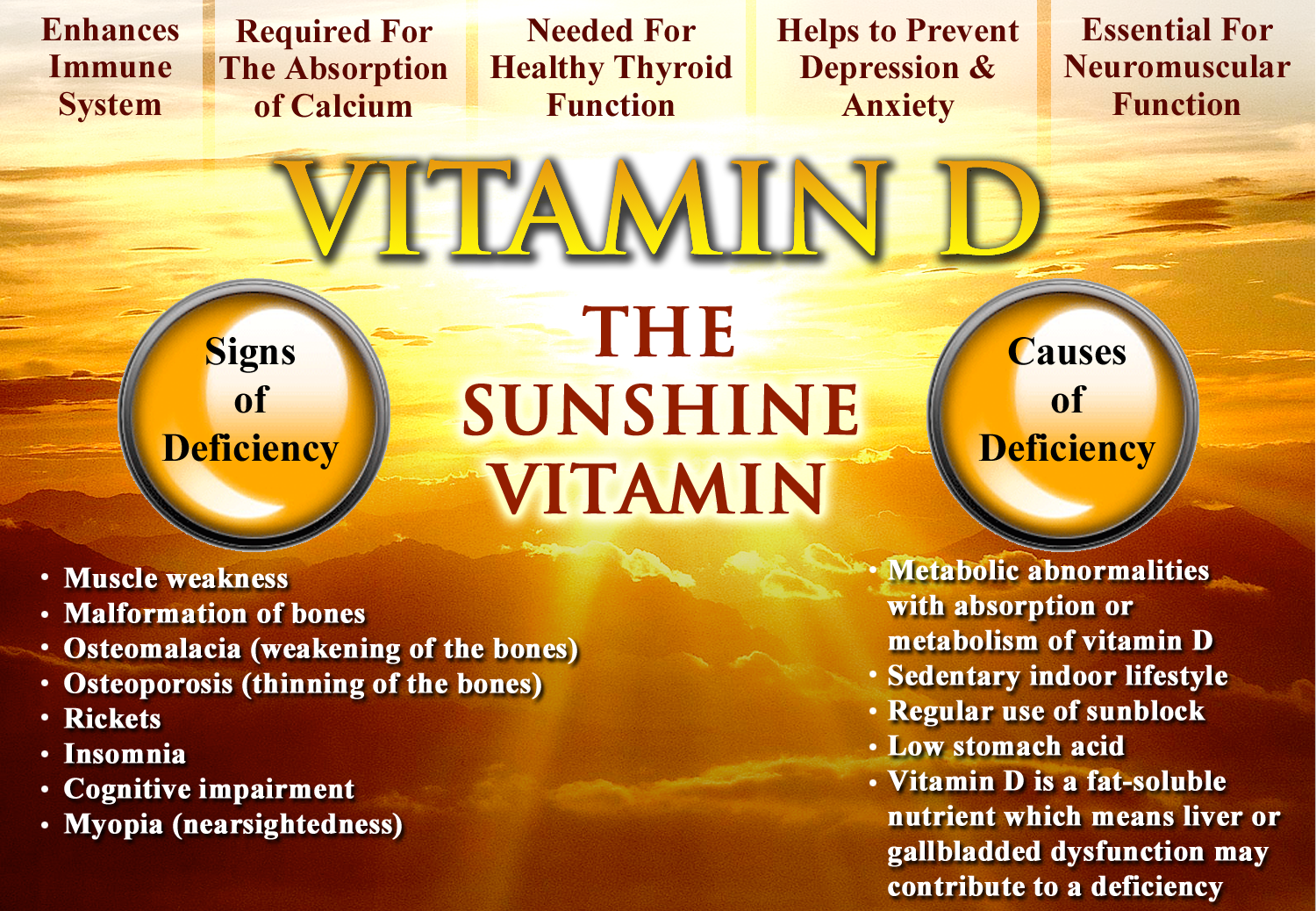
In our continuing series on compounds that can have a positive impact on prevention of viral infections as well as improving response to infections today I want to highlight Vitamin D.

Vitamin D not only acts as a vitamin but also as a prohormone and it influences hundreds of biochemical processes in human physiology.

Following is a press release from the Orthomolecular Medicine News Service which provides details on how Vitamin D could reduce the risk of influenza and COVID-19 infection and death.

Copyright © 2020 Robert Lamberton

All rights reserved

FOR IMMEDIATE RELEASE
Orthomolecular Medicine News Service, Apr 9, 2020

Vitamin D Supplements Could Reduce Risk of Influenza and COVID-19 Infection and Death

by William B. Grant, PhD and Carole A. Baggerly

(OMNS Apr 9, 2020) There are two main reasons why respiratory tract infections such as influenza and COVID-19 occur in winter: winter sun and weather and low vitamin D status. Many viruses live longer outside the body when sunlight, temperature, and humidity levels are low as they are in winter [1].Vitamin D is an important component of the body’s immune system, and it is low in winter due to low solar ultraviolet-B (UVB) doses from exposure and the low supplement intakes of most. While nothing can be done about winter sun and weather, vitamin D status can be raised through vitamin D supplements.

Vitamin D has several mechanisms that can reduce risk of infections [2]. Important mechanisms regarding respiratory tract infections include:

  • inducing production of cathelicidins and defensins that can lower viral survival and replication rates as well as reduce risk of bacterial infection
  • reducing the cytokine storm that causes inflammation and damage to the lining of the lungs that can lead to pneumonia and acute respiratory distress syndrome.

Vitamin D deficiency has been found to contribute to acute respiratory distress syndrome, a major cause of death associated with COVID-19 [3]. An analysis of case-fatality rates in 12 U.S. communities during the 1918-1919 influenza pandemic found that communities in the sunny south and west had much lower case-fatality rates (generally from pneumonia) than those in the darker northeast [4].

Read More

Exposure to and accumulation of environmental toxins represents a major challenge to optimizing health in our current environment.

BPA – Bisphenol A is one of these environmental toxins which has received considerable coverage over the last several years.

The article I want to share with you today –from an article posted on the Science Daily website suggests that levels of accumulation in humans has been seriously underestimated.

This article was based upon a published study done at Washington State University and published in The Lancet Diabetes & Endocrinologythe citation is included at the end of this article.

Just before you read this information, here is an excerpt from an abstract on”Health Risk of Exposure to Bisphenol A” (abstract included at the end of this article) on some of the potential issues that exposure to BPA may cause:

” Due to its phenolic structure BPA has been shown to interact with estrogen receptors and to act as agonist or antagonist via estrogen receptor (ER) dependent signalling pathways. Therefore, BPA has been shown to play a role in the pathogenesis of several endocrine disorders including female and male infertility, precocious puberty, hormone dependent tumours such as breast and prostate cancer and several metabolic disorders including polycystic ovary syndrome (PCOS)”

Due to the prevalence of exposure to BPA in our environment – as well as other chemicals and heavy metals periodic monitoring and supervised detox programs to clear out this toxin load are serious considerations for optimizing health and potentially extending healthspan.

Summary:

  Researchers have developed a more accurate method of measuring bisphenol A (BPA) levels in humans and found that exposure to the endocrine-disrupting chemical is far higher than previously assumed. The study provides the first evidence that the measurements relied upon by regulatory agencies, including the US Food and Drug Administration, are flawed, underestimating exposure levels by as much as 44 times. Researchers have developed a more accurate method of measuring bisphenol A (BPA) levels in humans and found that exposure to the endocrine-disrupting chemical is far higher than previously assumed.

The study, published in the journal The Lancet Diabetes & Endocrinology on Dec. 5, provides the first evidence that the measurements relied upon by regulatory agencies, including the U.S. Food and Drug Administration, are flawed, underestimating exposure levels by as much as 44 times.

“This study raises serious concerns about whether we’ve been careful enough about the safety of this chemical,” said Patricia Hunt, Washington State University professor and corresponding author on the paper. “What it comes down to is that the conclusions federal agencies have come to about how to regulate BPA may have been based on inaccurate measurements.”

BPA can be found in a wide range of plastics, including food and drink containers, and animal studies have shown that it can interfere with the body’s hormones. In particular, fetal exposure to BPA has been linked to problems with growth, metabolism, behavior, fertility and even greater cancer risk.

Despite this experimental evidence, the FDA has evaluated data from studies measuring BPA in human urine and determined that human exposure to the chemical is at very low, and therefore, safe levels. This paper challenges that assumption and raises questions about other chemicals, including BPA replacements, that are also assessed using indirect methods.

Hunt’s colleague, Roy Gerona, assistant professor at University of California, San Francisco, developed a direct way of measuring BPA that more accurately accounts for BPA metabolites, the compounds that are created as the chemical passes through the human body.

Previously, most studies had to rely on an indirect process to measure BPA metabolites, using an enzyme solution made from a snail to transform the metabolites back into whole BPA, which could then be measured.

Gerona’s new method is able to directly measure the BPA metabolites themselves without using the enzyme solution.

In this study, a research team comprised of Gerona, Hunt and Fredrick vom Saal of University of Missouri compared the two methods, first with synthetic urine spiked with BPA and then with 39 human samples. They found much higher levels of BPA using the direct method, as much as 44 times the mean reported by the National Health and Nutrition Examination Survey (NHANES). The disparity between the two methods increased with more BPA exposure: the greater the exposure the more the previous method missed.

Gerona, the first author on the paper, said more replication is needed.

“I hope this study will bring attention to the methodology used to measure BPA, and that other experts and labs will take a closer look at and assess independently what is happening,” he said.

The research team is conducting further experiments into BPA measurement as well as other chemicals that may also have been measured in this manner, a category that includes environmental phenols such as parabens, benzophenone, triclosan found in some cosmetics and soaps, and phthalates found in many consumer products including toys, food packaging and personal care products.

“BPA is still being measured indirectly through NHANES, and it’s not the only endocrine-disrupting chemical being measured this way,” Gerona said. “Our hypothesis now is that if this is true for BPA, it could be true for all the other chemicals that are measured indirectly.”

This study was supported by grants from the National Institutes of Health.


Story Source:

Materials provided by Washington State University. Original written by Sara Zaske. Note: Content may be edited for style and length.


Journal Reference:

  1. Roy Gerona, Frederick S vom Saal, Patricia A Hunt. BPA: have flawed analytical techniques compromised risk assessments? The Lancet Diabetes & Endocrinology, 2019; DOI: 10.1016/S2213-8587(19)30381-X

Rocz Panstw Zakl Hig. 2015;66(1):5-11.

Health risk of exposure to Bisphenol A (BPA).

Konieczna A1, Rutkowska A1, Rachoń D1.  

Abstract

Bisphenol A (BPA) belongs to chemicals that are produced in large quantities worldwide. It is commonly used as monomer in polycarbonate synthesis, plasticizer in the production of epoxy resins, as well as an additive for the elimination of surfeit of hydrochloric acid during the polyvinyl chloride (PVC) production. BPA is not only used in the production of plastics intended to a direct contact with food, including plastic packaging and kitchenware, but also in inner coatings of cans and jar caps. There are various routes of human exposure to this substance such as oral, by inhalation and transdermal. The main sources of exposure to BPA include food packaging and dust, dental materials, healthcare equipment, thermal paper, toys and articles for children and infants. BPA is metabolized in the liver to form bisphenol A glucuronide and mostly in this form is excreted with urine. Due to its phenolic structure BPA has been shown to interact with estrogen receptors and to act as agonist or antagonist via estrogen receptor (ER) dependent signalling pathways. Therefore, BPA has been shown to play a role in the pathogenesis of several endocrine disorders including female and male infertility, precocious puberty, hormone dependent tumours such as breast and prostate cancer and several metabolic disorders including polycystic ovary syndrome (PCOS).

Because of the constant, daily exposure and its tendency to bio-accumulation, BPA seems to require special attention such as biomonitoring. This observation should include clinical tests of BPA concentration in the urine, which is not only one of the best methods of evaluation of the exposure to this compound, but also the dependence of the daily intake of BPA and the risk of some endocrine disorders. PMID: 25813067

  • 1
  • 5
  • 6