Category: Disease Conditions

We don’t have a health information problem.

We have an architecture problem.

More courses, more credentials, and more content haven’t made people healthier — because most health education still teaches parts, not systems.

When physiology is taught without coordination, responsibility, and context, knowledge becomes noise.


The Real Gap in Health Education

Health is governed by the same core physiological systems in everyone:

stress regulation, digestion, immune signaling, and energy metabolism.

What differs is not the systems — but who is interpreting them and acting on them.

Most education ignores this distinction.


Systems Homeostasis as an Educational Framework

The Systems Homeostasis Architecture focuses on coordination rather than isolated optimization.

Instead of asking “What is broken?”, it asks:

  • How is physiological load distributed?
  • Where is adaptive capacity constrained?
  • Which systems are compensating — and at what cost?

This systems lens reflects how biology actually functions — not how it is often taught.


Why Education Must Be Tiered by Clinical Responsibility

A single educational pathway cannot responsibly serve everyone.

As part of this work, the Systems Homeostasis Architecture is being developed into a tiered education model across three distinct tracks:

General Public

  • Foundational systems literacy
  • Practical nutrition and lifestyle decisions
  • Support for self-regulation without medicalization

Allied Healthcare Professionals (RDs, nutritionists, health coaches)

  • Systems-level assessment and pattern recognition
  • Nutrition and lifestyle interventions within scope
  • Clear escalation and referral boundaries

Medical Professionals (MDs, DOs, NDs – North American market)

  • Systems homeostasis as a clinical overlay
  • Managing therapeutic load, metabolic reserve, and recovery capacity
  • Integration with diagnostics and pharmacology

Each track shares the same core architecture — but differs in depth, language, and clinical responsibility.


Why This Matters

When education is not stratified:

  • Complexity is oversimplified, or
  • Application exceeds appropriate scope.

Neither leads to better outcomes.

Systems thinking only works when paired with responsibility-aware education.


Closing Perspective

Physiology does not change — responsibility does.

Education that respects this distinction builds clarity, safety, and real-world effectiveness across the health ecosystem.

For those interested in how this systems framework is applied in clinical and professional settings:

OptimumHealthConsulting.com

Ingredient Intelligence™ Vol. 2

A systems-based series examining ingredients through the lens of systems homeostasis — how nutrients influence stress, digestion, immune signaling, and cellular energy as part of an interconnected physiological loop

Magnesium is often discussed as if it treats isolated symptoms — cramps, anxiety, poor sleep, headaches.

That framing misses its real role.

From a systems homeostasis perspective, magnesium is not a symptom-targeted intervention.

It is a regulatory mineral that influences how multiple systems coordinate under load.

Rather than asking “What symptom does magnesium treat?”, the more useful question is:

Which system is under strain — and how does magnesium availability affect the system’s ability to adapt?


Magnesium Across Core Systems

Stress & Nervous System Tone

Chronic stress increases magnesium demand and loss. As availability declines, excitatory signaling rises and recovery capacity falls. Magnesium doesn’t sedate — it supports regulatory balance.

GI Function & Absorption

Magnesium supports smooth muscle tone and motility, yet depends on adequate digestion for absorption. Poor GI function reduces magnesium uptake, while low magnesium further impairs GI performance — a self-reinforcing loop.

Immune Signaling & Inflammatory Load

Magnesium participates in immune regulation and barrier integrity. Insufficiency is associated with elevated inflammatory tone and reduced immune tolerance, shifting the system toward chronic activation.

Energy & Mitochondrial Output

ATP is biologically active only when bound to magnesium. Energy availability is therefore constrained not only by calories or oxygen, but by mineral sufficiency. Fatigue is often a systems outcome, not an energy intake problem.


Why Responses to Magnesium Vary

Some people experience immediate benefit.

Others notice little change.

Some feel worse.

From a systems perspective, this variability is expected. Magnesium does not act in isolation — its effects depend on stress load, digestive capacity, immune tone, and baseline energy efficiency.

Form, timing, and context matter because systems state matters.


Systems Takeaway

Magnesium does not “fix” symptoms.

It supports coordination across systems.

When stress is high, digestion is compromised, immune signaling is elevated, or energy production is inefficient, magnesium often becomes a limiting factor — not because it is extraordinary, but because systems rely on it.

This is Ingredient Intelligence™ in practice.

Ingredient Intelligence™ Vol. 1

Vitamin C is one of the most widely used nutrients in modern nutrition, yet the conversation around it has remained surprisingly shallow.

Most discussions stop at dosage or reduce vitamin C to a single molecule — ascorbic acid — without addressing source, biological context, delivery route, or formulation design. In clinical practice and product development, those distinctions often matter far more than the numbers printed on a label.

Vitamin C can function as a daily nutritional requirement, a systems-level regulatory compound, or a therapeutic intervention — depending entirely on how it is sourced, delivered, and paired. Understanding those differences is essential for clinicians, formulators, and companies aiming to work with physiology rather than against it.


Humans Can’t Make Vitamin C — Most Animals Can

Unlike most mammals, humans cannot synthesize vitamin C.

This trait is shared by only a small number of species, most notably humans, other higher primates, and guinea pigs. Most mammals produce vitamin C endogenously in amounts that, when scaled to human body weight, would equate to several grams per day.

As a result, humans are entirely dependent on dietary or supplemental vitamin C and are more sensitive to deficiency during periods of stress, infection, inflammation, or tissue repair. From a systems perspective, vitamin C is foundational, not optional.


Synthetic Vitamin C: What It Is

Most synthetic vitamin C used globally is isolated ascorbic acid produced through an industrial chemical process, often beginning with corn-derived glucose.

Synthetic ascorbic acid is:

  • Chemically identical at the molecular level
  • Stable, inexpensive, and easy to standardize

This makes it useful for food fortification, short-term correction, and clinical or pharmaceutical applications. However, it represents only one component of how vitamin C appears and functions in nature.


Natural Vitamin C: A Biological Matrix

Whole-food vitamin C sources deliver ascorbic acid within a biological matrix that includes bioflavonoids, polyphenols, and other phytonutrients that influence absorption, tolerance, and cellular signaling.

Common practitioner-grade sources include:

  • Acerola cherry
  • Camu camu
  • Amla (Indian gooseberry)
  • Kakadu plum (Australia’s richest known natural vitamin C source)

These cofactors matter because vitamin C does not act in isolation in living systems.


Why Formulation Context Matters

Vitamin C participates in:

  • Redox signaling (not just antioxidant activity)
  • Collagen synthesis and connective tissue integrity
  • Immune cell function
  • Endothelial and vascular health
  • Iron metabolism

When delivered with its natural cofactors, vitamin C tends to be better tolerated at functional doses and integrates more smoothly into immune and vascular pathways. This helps explain why some individuals experience gastrointestinal irritation with high-dose isolated ascorbic acid, but not with food-based vitamin C systems.

From a formulation standpoint, serious products avoid vitamin C in isolation and instead design systems-level complexes.


Therapeutic Oral Vitamin C and Gastrointestinal Context

Vitamin C has also been used clinically in short-term therapeutic oral protocols, sometimes titrated up to an individual’s bowel tolerance, particularly in gastrointestinal support contexts.

At higher oral doses, unabsorbed vitamin C remains within the intestinal lumen, where it may:

  • Increase osmotic activity
  • Alter local pH and redox conditions
  • Create an environment less favorable for certain pathogens

This approach has historically been used as a temporary therapeutic strategy, distinct from daily nutritional intake. Bowel tolerance varies widely between individuals and reflects differences in gut integrity, inflammatory status, absorptive capacity, and microbial composition.


High-Dose and IV Vitamin C: Context Matters

It is essential to distinguish nutritional vitamin C use from pharmacologic application.

High-dose intravenous (IV) vitamin C has been explored in medical settings such as integrative oncology, where plasma concentrations far exceed what is achievable orally. At these levels, vitamin C may act as a pro-oxidant, generating localized oxidative effects that are context- and dose-dependent.

These applications represent medical therapy, not nutrition, and should not be evaluated by the same criteria as oral vitamin C.


The Real Distinction

This is not a “natural versus synthetic” argument.

It is a context and intent argument.

  • Synthetic ascorbic acid has a role in fortification and medical therapy
  • Natural vitamin C systems are better aligned with long-term immune, vascular, and metabolic support

The real question is not how much vitamin C — but in what form, with what cofactors, and for what purpose.

That’s the vitamin C conversation we’re not having — and the one that matters most.


Vitamin C is one of the most widely used nutrients in modern nutrition, yet the conversation around it has remained surprisingly shallow.

Most discussions stop at dosage or reduce vitamin C to a single molecule — ascorbic acid — without addressing source, biological context, delivery route, or formulation design. In clinical practice and product development, those distinctions often matter far more than the numbers printed on a label.

Vitamin C can function as a daily nutritional requirement, a systems-level regulatory compound, or a therapeutic intervention — depending entirely on how it is sourced, delivered, and paired. Understanding those differences is essential for clinicians, formulators, and companies aiming to work with physiology rather than against it.


Humans Can’t Make Vitamin C — Most Animals Can

Unlike most mammals, humans cannot synthesize vitamin C.

This trait is shared by only a small number of species, most notably humans, other higher primates, and guinea pigs. Most mammals produce vitamin C endogenously in amounts that, when scaled to human body weight, would equate to several grams per day.

As a result, humans are entirely dependent on dietary or supplemental vitamin C and are more sensitive to deficiency during periods of stress, infection, inflammation, or tissue repair. From a systems perspective, vitamin C is foundational, not optional.


Synthetic Vitamin C: What It Is

Most synthetic vitamin C used globally is isolated ascorbic acid produced through an industrial chemical process, often beginning with corn-derived glucose.

Synthetic ascorbic acid is:

  • Chemically identical at the molecular level
  • Stable, inexpensive, and easy to standardize

This makes it useful for food fortification, short-term correction, and clinical or pharmaceutical applications. However, it represents only one component of how vitamin C appears and functions in nature.


Natural Vitamin C: A Biological Matrix

Whole-food vitamin C sources deliver ascorbic acid within a biological matrix that includes bioflavonoids, polyphenols, and other phytonutrients that influence absorption, tolerance, and cellular signaling.

Common practitioner-grade sources include:

  • Acerola cherry
  • Camu camu
  • Amla (Indian gooseberry)
  • Kakadu plum (Australia’s richest known natural vitamin C source)

These cofactors matter because vitamin C does not act in isolation in living systems.


Why Formulation Context Matters

Vitamin C participates in:

  • Redox signaling (not just antioxidant activity)
  • Collagen synthesis and connective tissue integrity
  • Immune cell function
  • Endothelial and vascular health
  • Iron metabolism

When delivered with its natural cofactors, vitamin C tends to be better tolerated at functional doses and integrates more smoothly into immune and vascular pathways. This helps explain why some individuals experience gastrointestinal irritation with high-dose isolated ascorbic acid, but not with food-based vitamin C systems.

From a formulation standpoint, serious products avoid vitamin C in isolation and instead design systems-level complexes.


Therapeutic Oral Vitamin C and Gastrointestinal Context

Vitamin C has also been used clinically in short-term therapeutic oral protocols, sometimes titrated up to an individual’s bowel tolerance, particularly in gastrointestinal support contexts.

At higher oral doses, unabsorbed vitamin C remains within the intestinal lumen, where it may:

  • Increase osmotic activity
  • Alter local pH and redox conditions
  • Create an environment less favorable for certain pathogens

This approach has historically been used as a temporary therapeutic strategy, distinct from daily nutritional intake. Bowel tolerance varies widely between individuals and reflects differences in gut integrity, inflammatory status, absorptive capacity, and microbial composition.


High-Dose and IV Vitamin C: Context Matters

It is essential to distinguish nutritional vitamin C use from pharmacologic application.

High-dose intravenous (IV) vitamin C has been explored in medical settings such as integrative oncology, where plasma concentrations far exceed what is achievable orally. At these levels, vitamin C may act as a pro-oxidant, generating localized oxidative effects that are context- and dose-dependent.

These applications represent medical therapy, not nutrition, and should not be evaluated by the same criteria as oral vitamin C.


The Real Distinction

This is not a “natural versus synthetic” argument.

It is a context and intent argument.

  • Synthetic ascorbic acid has a role in fortification and medical therapy
  • Natural vitamin C systems are better aligned with long-term immune, vascular, and metabolic support

The real question is not how much vitamin C — but in what form, with what cofactors, and for what purpose.

That’s the vitamin C conversation we’re not having — and the one that matters most.


Canonical CTA

If you are a clinic or practitioner group looking to integrate systems-based immune, cardiovascular, or metabolic support, I work with clinics to design non-pharmacologic, physiology-informed strategies aligned with real-world practice.

If you are a company developing practitioner-grade supplements, powders, or functional drinks, I provide formulation strategy, ingredient architecture, and product development support from concept through commercialization.

Clinical support: OptimumHealthConsulting.com

Formulation consulting: HealthspanFormulations.com

#ProductFormulation #FunctionalNutrition #VitaminC #NutraceuticalInnovation #IngredientIntelligence #RobLamberton #RobertLamberton


Preservatives are one of the great conveniences of modern life.

They allow food to travel farther, last longer, and remain visually appealing weeks or months after production. From a supply-chain perspective, they solve real problems.

From a biological perspective, however, preservatives are not neutral.

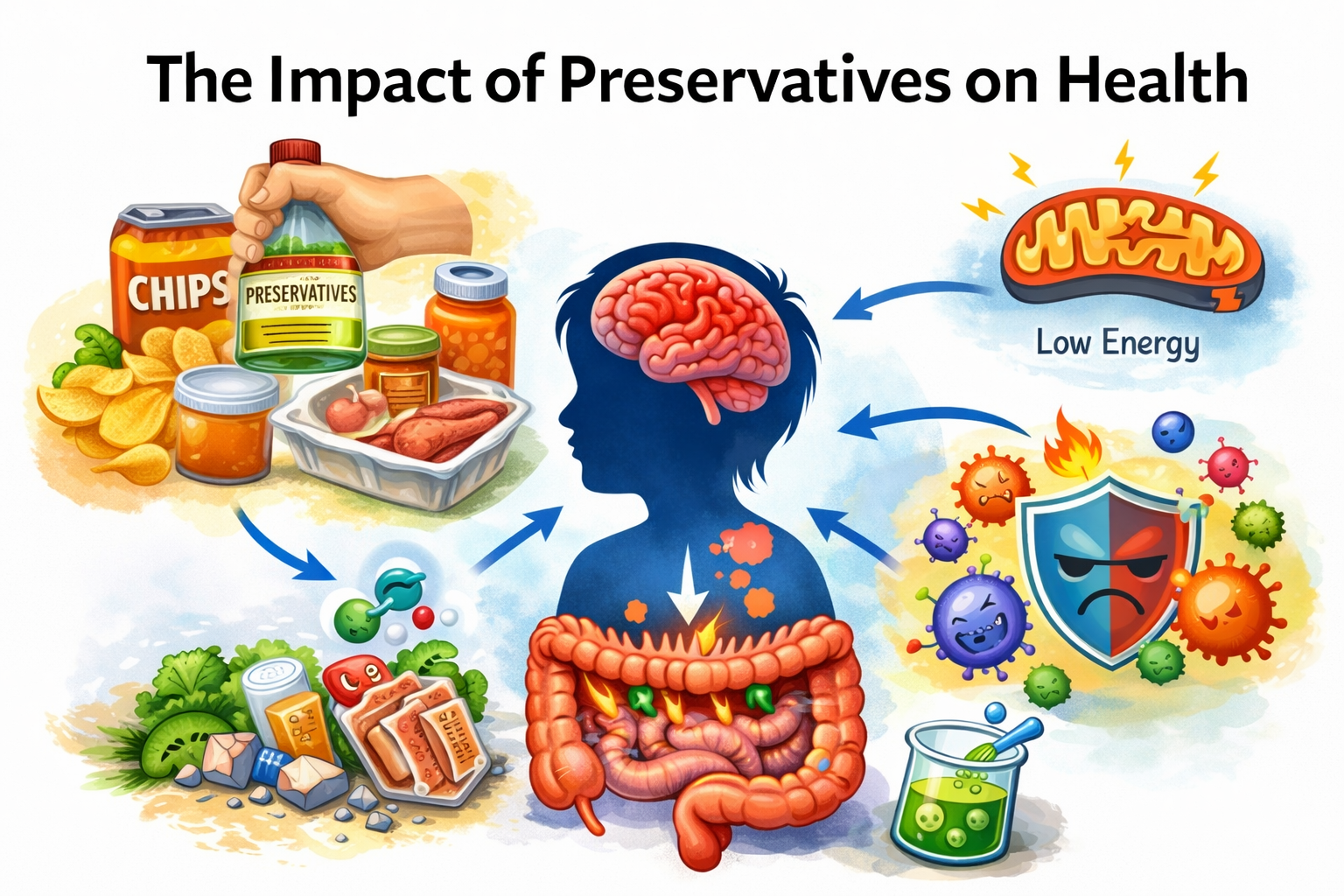
They are chemical inputs that interact with living systems — particularly the gut, immune system, and cellular energy machinery. And when exposure is frequent, layered, and begins early in life, those interactions matter.

The image above illustrates a systems-based reality that is increasingly difficult to ignore.


Preservatives Don’t Act in Isolation

Most discussions about preservatives focus on individual safety thresholds:

“Is this ingredient approved?”

“Is it below the allowable daily intake?”

Those questions are necessary — but insufficient.

Biology doesn’t experience ingredients one at a time.

It experiences total exposure.

Children today are exposed to preservatives across:

  • Packaged foods and snacks
  • Beverages
  • Condiments and sauces
  • Medications
  • Supplements

Each exposure may be small. The cumulative biological load is not.


The Gut: First Contact, First Consequence

The gastrointestinal tract is the primary interface between preservatives and the body.

Many preservatives are antimicrobial by design. While this helps prevent spoilage, it also means they can influence the gut ecosystem — especially with repeated exposure.

Even subtle shifts in gut ecology can affect:

  • Microbial diversity
  • Barrier integrity
  • Neurotransmitter production
  • Immune signaling

In developing children, where the gut–immune–brain axis is still maturing, these effects may be amplified.


Immune Activation Has a Metabolic Price

When the gut environment changes, the immune system responds.

Not always dramatically. Often quietly.

Low-grade immune activation still requires energy. It still requires resources. And it still competes with other biological priorities such as growth, repair, learning, and emotional regulation.

This is one reason symptoms that appear unrelated — fatigue, irritability, poor recovery, reduced resilience — often share a common underlying theme: energetic strain.


Mitochondria: The Overlooked Middle Layer

Mitochondria sit at the crossroads of:

  • Detoxification
  • Immune function
  • Neurological performance
  • Metabolic flexibility

When exposure load increases, mitochondrial efficiency can decrease — not catastrophically, but incrementally.

The result isn’t acute illness.

It’s reduced physiological margin.

Less buffer.

Less adaptability.

Less resilience.

Over time, that matters.


This Is Not About Fear — It’s About Formulation

This conversation is often mischaracterized as alarmist or anti-modern.

It shouldn’t be.

Preservatives are not inherently “bad.”

But they are biologically active.

And that means formulation choices matter.

The question is no longer:

“Can we use preservatives?”

It’s:

“Which ones, at what levels, in what combinations, and for whom?”

A developing child is not a scaled-down adult.

A chronically stressed system is not a resilient one.

A formulation optimized for shelf life is not automatically optimized for biology.


Why This Matters Beyond Food

This discussion extends well beyond packaged snacks.

It applies equally to:

  • Functional beverages
  • Nutritional supplements
  • Pediatric formulations
  • Clinical nutrition products

Ironically, many products designed to “support health” still rely on preservative strategies that increase biological load elsewhere.

That contradiction is becoming harder to justify.


A Systems Lens Changes the Conversation

When we view health through a systems lens, several things become clear:

  • No single ingredient explains complex outcomes
  • Cumulative exposure matters more than isolated thresholds
  • Energy availability is a limiting factor in resilience
  • Formulation is a biological decision, not just a technical one

This perspective doesn’t demand perfection.

It demands intentionality.


The Opportunity Ahead

As clinicians, formulators, and health innovators, we have an opportunity to do better — not by eliminating modern tools, but by using them more intelligently.

That means:

  • Reducing unnecessary additives where possible
  • Choosing preservative strategies with lower biological cost
  • Designing products that support, rather than tax, human systems

Convenience doesn’t have to come at the expense of resilience.

But biology always keeps the score.


#SystemsBiology #FunctionalNutrition #GutBrainAxis #MitochondrialHealth #ProductFormulation #Healthspan #RobLamberton #RobertLamberton

Clinical Implications of the New USDA Dietary Guidelines

The most recent USDA Dietary Guidelines have again raised concern that increasing animal-based protein intake may elevate cardiovascular disease (CVD) risk due to associated saturated fat consumption.

While this concern remains common, it is increasingly inconsistent with current cardiovascular research.

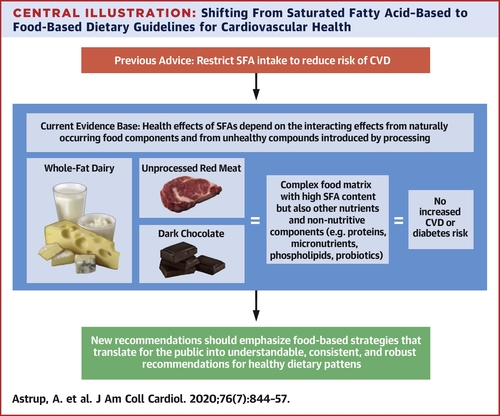
A comprehensive 2020 review published in the Journal of the American College of Cardiology—Saturated Fats and Health: A Reassessment and Proposal for Food-Based Recommendations—reexamined decades of epidemiologic, mechanistic, and interventional data. The authors concluded that saturated fat intake, in isolation, is a poor predictor of cardiovascular risk.

For clinicians, this distinction is highly relevant when interpreting dietary guidelines and counseling patients.


Limitations of LDL-C–Focused Risk Models

Current USDA guidance continues to emphasize saturated fat restriction largely through its impact on LDL cholesterol (LDL-C). However, the JACC review highlights a key limitation of this approach: LDL-C alone does not adequately reflect atherogenic risk.

More informative risk markers include:

  • LDL particle number and density
  • Insulin resistance and glycaemic regulation
  • Chronic inflammatory burden
  • Overall metabolic health status

Small, dense LDL particles—frequently associated with insulin resistance and hyperglycaemia—exhibit significantly greater atherogenic potential than large, buoyant LDL particles. Importantly, higher saturated fat intake within whole-food dietary patterns does not consistently produce this adverse lipid phenotype.

From a clinical standpoint, this challenges the assumption that saturated fat reduction should remain a primary target independent of metabolic context.


Historical Context and Policy Lag

The USDA’s continued caution regarding saturated fat reflects longstanding assumptions rooted in mid-20th-century observational research, particularly the Seven Countries Study led by Ancel Keys.

Subsequent evaluations have identified methodological limitations in this work, including selective data inclusion and insufficient control for confounding factors such as sugar intake, smoking prevalence, and lifestyle variables. More recent randomized trials and meta-analyses have not consistently replicated its conclusions.

Nevertheless, dietary policy has been slow to integrate newer mechanistic and clinical evidence.


Animal Protein: Clinically Relevant Distinctions

The USDA Dietary Guidelines largely categorize animal protein as a single entity. In clinical practice, this simplification obscures important distinctions.

Differences between:

  • CAFO-raised animal foods, and
  • Grass-fed, pasture-raised animal foods

extend beyond ethical considerations and include variations in fatty acid composition, micronutrient density, and inflammatory potential. These factors can meaningfully influence metabolic and inflammatory responses in patients.


Dietary Pattern and the Role of Fibre

Another limitation of saturated fat-focused guidance is the insufficient consideration of dietary pattern.

The JACC review emphasizes that saturated fat intake must be evaluated in conjunction with:

  • Fibre intake
  • Refined carbohydrate exposure
  • Insulin sensitivity and metabolic health

Dietary fibre plays a central role in insulin regulation, gut microbial ecology, bile acid metabolism, and lipid handling. When saturated fat is consumed within a fibre-rich, minimally processed dietary pattern, lipid changes commonly associated with increased cardiovascular risk are often attenuated or absent.

This context is rarely reflected in public dietary guidance but is highly relevant in individualized clinical care.


Practical Implications for Clinicians

For practitioners, the implication of the new USDA Dietary Guidelines is not that saturated fat should be universally promoted or avoided, but that single-nutrient targets are insufficient for cardiovascular risk assessment.

The most consistent drivers of CVD risk remain:

  • Insulin resistance
  • Chronic inflammation
  • Hyperglycaemia
  • Sedentary behavior
  • Ultra-processed food consumption

These factors are not caused by saturated fat intake alone and, in many cases, were exacerbated by decades of dietary guidance that encouraged refined carbohydrate substitution.


Conclusion

The renewed debate surrounding the USDA Dietary Guidelines highlights the need for a more physiologically grounded approach to cardiovascular nutrition—one that prioritizes metabolic health, dietary pattern, and food quality over isolated macronutrient thresholds.

The JACC review represents an important step toward that shift. For clinicians, incorporating this evidence into clinical reasoning may help reconcile public dietary policy with individualized patient care.


In Practice: Key Takeaways for Clinicians

  • Evaluate cardiovascular risk in the context of metabolic health, not LDL-C alone
  • Consider LDL particle characteristics, insulin resistance, and inflammation when assessing dietary fat intake
  • Distinguish between animal food sources rather than treating all animal protein as metabolically equivalent
  • Emphasize dietary pattern and fibre intake when discussing saturated fat with patients
  • Avoid reflexive fat restriction in metabolically healthy individuals without additional risk markers

Reference

Journal of the American College of Cardiology (2020)

Saturated Fats and Health: A Reassessment and Proposal for Food-Based Recommendations

https://www.jacc.org/doi/full/10.1016/j.jacc.2020.05.077

Clinical Implications of the New USDA Dietary Guidelines

The most recent USDA Dietary Guidelines have again raised concern that increasing animal-based protein intake may elevate cardiovascular disease (CVD) risk due to associated saturated fat consumption.

While this concern remains common, it is increasingly inconsistent with current cardiovascular research.

A comprehensive 2020 review published in the Journal of the American College of Cardiology—Saturated Fats and Health: A Reassessment and Proposal for Food-Based Recommendations—reexamined decades of epidemiologic, mechanistic, and interventional data. The authors concluded that saturated fat intake, in isolation, is a poor predictor of cardiovascular risk.

For clinicians, this distinction is highly relevant when interpreting dietary guidelines and counseling patients.


Limitations of LDL-C–Focused Risk Models

Current USDA guidance continues to emphasize saturated fat restriction largely through its impact on LDL cholesterol (LDL-C). However, the JACC review highlights a key limitation of this approach: LDL-C alone does not adequately reflect atherogenic risk.

More informative risk markers include:

  • LDL particle number and density
  • Insulin resistance and glycaemic regulation
  • Chronic inflammatory burden
  • Overall metabolic health status

Small, dense LDL particles—frequently associated with insulin resistance and hyperglycaemia—exhibit significantly greater atherogenic potential than large, buoyant LDL particles. Importantly, higher saturated fat intake within whole-food dietary patterns does not consistently produce this adverse lipid phenotype.

From a clinical standpoint, this challenges the assumption that saturated fat reduction should remain a primary target independent of metabolic context.


Historical Context and Policy Lag

The USDA’s continued caution regarding saturated fat reflects longstanding assumptions rooted in mid-20th-century observational research, particularly the Seven Countries Study led by Ancel Keys.

Subsequent evaluations have identified methodological limitations in this work, including selective data inclusion and insufficient control for confounding factors such as sugar intake, smoking prevalence, and lifestyle variables. More recent randomized trials and meta-analyses have not consistently replicated its conclusions.

Nevertheless, dietary policy has been slow to integrate newer mechanistic and clinical evidence.


Animal Protein: Clinically Relevant Distinctions

The USDA Dietary Guidelines largely categorize animal protein as a single entity. In clinical practice, this simplification obscures important distinctions.

Differences between:

  • CAFO-raised animal foods, and
  • Grass-fed, pasture-raised animal foods

extend beyond ethical considerations and include variations in fatty acid composition, micronutrient density, and inflammatory potential. These factors can meaningfully influence metabolic and inflammatory responses in patients.


Dietary Pattern and the Role of Fibre

Another limitation of saturated fat-focused guidance is the insufficient consideration of dietary pattern.

The JACC review emphasizes that saturated fat intake must be evaluated in conjunction with:

  • Fibre intake
  • Refined carbohydrate exposure
  • Insulin sensitivity and metabolic health

Dietary fibre plays a central role in insulin regulation, gut microbial ecology, bile acid metabolism, and lipid handling. When saturated fat is consumed within a fibre-rich, minimally processed dietary pattern, lipid changes commonly associated with increased cardiovascular risk are often attenuated or absent.

This context is rarely reflected in public dietary guidance but is highly relevant in individualized clinical care.


Practical Implications for Clinicians

For practitioners and the general public, the implication of the new USDA Dietary Guidelines is not that saturated fat should be universally promoted or avoided, but that single-nutrient targets are insufficient for cardiovascular risk assessment.

The most consistent drivers of CVD risk remain:

  • Insulin resistance
  • Chronic inflammation
  • Hyperglycaemia (high blood sugar)
  • Sedentary behavior
  • Ultra-processed food consumption

These factors are not caused by saturated fat intake alone and, in many cases, were exacerbated by decades of dietary guidance that encouraged refined carbohydrate substitution.


Conclusion

The renewed debate surrounding the USDA Dietary Guidelines highlights the need for a more physiologically grounded approach to cardiovascular nutrition—one that prioritizes metabolic health, dietary pattern, and food quality over isolated macronutrient thresholds.

The JACC review represents an important step toward that shift. For clinicians, incorporating this evidence into clinical reasoning may help reconcile public dietary policy with individualized patient care.


In Practice: Key Takeaways for Clinicians

  • Evaluate cardiovascular risk in the context of metabolic health, not LDL-C alone
  • Consider LDL particle characteristics, insulin resistance, and inflammation when assessing dietary fat intake
  • Distinguish between animal food sources rather than treating all animal protein as metabolically equivalent
  • Emphasize dietary pattern and fibre intake when discussing saturated fat with patients
  • Avoid reflexive fat restriction in metabolically healthy individuals without additional risk markers

Reference

Journal of the American College of Cardiology (2020)

Saturated Fats and Health: A Reassessment and Proposal for Food-Based Recommendations

https://www.jacc.org/doi/full/10.1016/j.jacc.2020.05.077

https://www.jacc.org/doi/full/10.1016/j.jacc.2020.05.077

When discussing cardiovascular health, inflammation, or chronic disease risk, most conversations focus on cholesterol, blood pressure, or glucose. Yet one critical physiological factor is rarely discussed outside of advanced clinical and research settings: zeta potential.

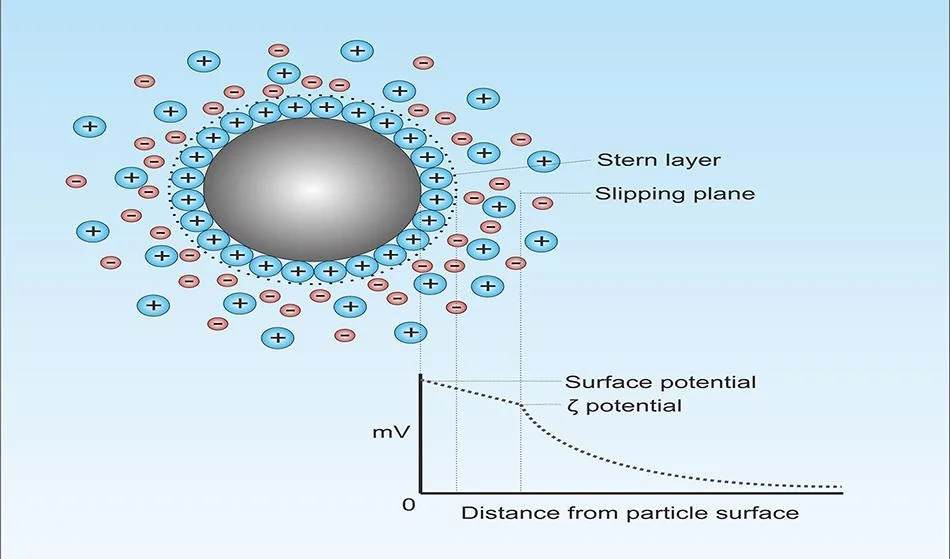
Zeta potential refers to the electrical charge on the surface of cells suspended in fluid, including red blood cells, platelets, and other circulating particles. This electrical charge determines whether cells repel each other and flow freely or clump together, impairing circulation.


What Is Zeta Potential?

Red blood cells naturally carry a negative surface charge. When this charge is strong, cells repel one another, maintaining proper spacing and allowing blood to flow smoothly through even the smallest capillaries.

When zeta potential is reduced, cells begin to aggregate (a phenomenon sometimes referred to as rouleaux formation). This increases blood viscosity, reduces microcirculation, and places greater strain on the cardiovascular system.


Why Zeta Potential Matters for Health

🔴 Acute Implications

  • Sluggish blood flow
  • Reduced oxygen and nutrient delivery
  • Increased clotting tendency
  • Impaired tissue perfusion during stress, illness, or dehydration

🔵 Chronic Implications

Persistently low zeta potential has been associated with:

  • Chronic inflammation
  • Cardiovascular disease risk
  • Hypertension
  • Metabolic dysfunction
  • Autoimmune and inflammatory conditions
  • Neurodegenerative processes linked to impaired cerebral circulation

Poor microcirculation can amplify metabolic chaos, where multiple physiological systems become stressed simultaneously rather than one isolated “root cause.”


What Lowers Zeta Potential?

Several common modern stressors reduce cellular charge and promote aggregation:

  • Chronic dehydration
  • High blood sugar and insulin resistance
  • Oxidative stress
  • Inflammatory cytokines
  • Poor electrolyte balance
  • Excess positively charged proteins and lipids
  • Chronic sympathetic (stress) dominance

Supporting Healthy Zeta Potential

Strategies that support cellular charge and blood flow include:

  • Adequate hydration with proper electrolytes
  • Supporting antioxidant status
  • Reducing inflammatory burden
  • Improving metabolic flexibility
  • Supporting liver and gut function (which influence plasma proteins)
  • Optimizing mineral balance

This systems-based approach improves flow, oxygen delivery, and cellular resilience rather than targeting isolated symptoms.


Why This Matters Clinically

Zeta potential provides insight into how well blood can actually deliver oxygen and nutrients, not just what appears on standard labs. It helps explain why some individuals experience fatigue, cold extremities, brain fog, or exercise intolerance despite “normal” conventional markers.


🔹 Work With Me

Formulation & Product Development

If your company or clinic is developing nutritional supplements or functional drinks, I provide consulting and formulation services to help create science-driven, evidence-based products that support circulation, metabolic resilience, and systemic health.

Clinical Support

If you’re struggling with ongoing symptoms and feel you’ve been told “everything looks normal,” I work with individuals using lab-informed, systems-based support to address metabolic chaos and restore physiological resilience.

👉 Learn more: OptimumHealthConsulting.com


#ZetaPotential #Microcirculation #MetabolicHealth #Inflammation #Healthspan #FunctionalNutrition #RobLamberton #RobertLamberton