Weight Watchers has just announced new meal plan with “more choice”- including unlimited pasta, rice, oatmeal and potatoes!
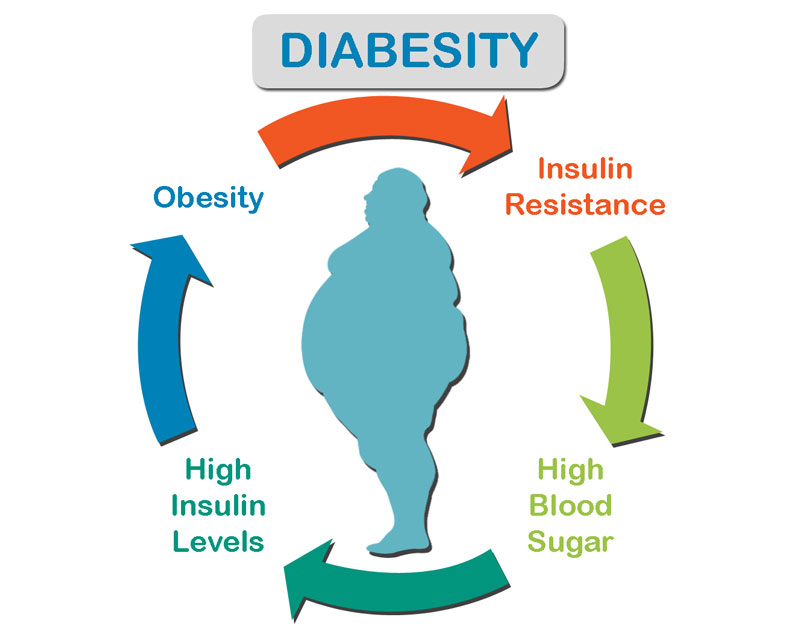
Eating unlimited amounts of the wrong types of carbohydrates is a recipe for Diabesity – and a spectrum of other health issues!
People who regularly consume soft drinks have a higher risk of an
early death, researchers have found, with the trend seen for both
sugared and artificially sweetened drinks.
While experts say the study cannot prove soft drinks are a driver of
an increased risk of death, they say the work – which is the largest
study of its kind – supports recent public health efforts to reduce
consumption of soft drinks, such as the UK’s sugar tax.
“Our results for sugar-sweetened soft drinks provide further support to limit consumption and to replace them with other healthier beverages, preferably water,” said Dr Neil Murphy, a co-author of the research from the International Agency for Research on Cancer, part of the World Health Organization.
Read More

A recent diet “fad”? – craze has been the increasing popularity of the Carnivore Diet.
I think the reaction of most practitioners like myself who work with patients and provide them with guidance on personalized diets is that the Carnivore Diet is probably extreme and potentially unhealthy. I think most individuals think of plant materials as inherently healthy: vegetables and some fruit content are considered to be part of a healthy diet. The fact does remain however that plants incorporate into their make up anti-nutrients which are designed to help prevent animals from eating them. Giving the GI tract a temporary break from exposure to antinutrients can be very beneficial to some individuals who are dealing with GI inflammation, leaky gut and related conditions.
And this seems to be one of the potential benefits of the Carnivore Diet, and it may in fact prove to be a temporary dietary intervention worth considering for individuals dealing with some of the mentioned GI issues.
This is probably also the case with the Ketogenic Diet: there is still some question as to whether long term adoption of the Low Carb / High Fat diet is beneficial: I think what is key with this type of diet is transitioning into keto adaptation so that one’s metabolism is metabolically flexible so it can easily transition between utilizing the sugar as well as the fat – ketone energy burning pathways.
One of the best sources for patient education about the Low Carb / High Fat (Ketogenic) Diet is the website: DietDoctor.com.
Following is a well balanced – and referenced article on the Carnivore Diet from DietDoctor.com.
One of the key issues regarding the Carnivore Diet at this point in time is the fact that there is very little published research on the topic.
Key considerations / takeaways from my perspective include the following:
– organ meats should be included in any diet as part of a healthy diet- deficiencies such as folate and other micronutrients may result from the long term adoption of the Carnivore Diet- there is some question as to what changes might occur in the microbiome by adopting this type of diet- not all people achieve complete success on a low-carb, high-fat ketogenic diet that is rich in vegetables- anecdotal evidence suggests that the Carnivore Diet may be beneficial in reversing or improving challenging health issues such as Rheumatoid Arthritis, depression, migraines and others- “there is no clear scientific proof” that we need to eat vegetables at all- Dr. Steve Phinney is concerned about potential electrolyte deficiencies in sodium, magnesium and potassium in the carnivore diet
Sinking our teeth into the carnivore diet:what’s known, what’s not
1. Why explore carnivore eating?
2. What to eat
3. Potential benefits
4. Experts weigh in
5. Testimonials and advocates
6. Ancient past
7. Paleomedicina in Hungary
8. Intestinal permeability
9. Colon cancer?
10. My one-month trial
Read More:
https://www.dropbox.com/s/po1ggolimjjq8ej/What%27s%20With%20the%20Carnivore%20Diet.docx?dl=0