Over the past 15 years, an accumulation of published research has continued to support the hypothesis that Zonulin, a protein compound is a key modulator of the tight junctions between enterocytes in the intestine.
Zonulin is a protein that modulates the permeability of tight junctions between cells of the wall of the digestive tract. Initially discovered in 2000 as the target of zonula occludens toxin, secreted by cholera pathogen Vibrio cholerae,[1] it has been implicated in the pathogenesis of coeliac disease[2] and diabetes mellitus type 1.[3] It is being studied as a target for vaccine adjuvants.[4] ALBA Therapeutics is developing a zonulin receptor antagonist, AT-1001, that is currently in phase 2 clinical trials.
Gliadin (glycoprotein present in wheat) activates zonulin signaling irrespective of the genetic expression of autoimmunity, leading to increased intestinal permeability to macromolecules. [5]
An amazing discovery a few years ago revolutionized our ability to understand the gut and permeability and how this impacts a wide range of health conditions from cancer to autoimmune disease to inflammation and food sensitivities.
Zonulin is the “doorway” to leaky gut
Zonulin opens up tight junctions in the intestinal wall: that normally occurs, in order for nutrient and other molecules to get in and out of the intestine.
However, when leaky gut is present, the tight junctions between the cells open up too much allowing macromolecules to get into the bloodstream where an immunologic reaction can take place. Once that happens, the body is primed to react to those proteins each and every time they appear.
It can also cause leakage of intestinal contents, like bacteria into the immune system creating inflammation and overloading the liver’s ability to filter out this garbage. Triggers that open the zonulin doorway
Based on Dr. Fasano’s research, we know that the two most powerful triggers to open the zonulin door are gluten and gut bacteria in the small intestine.
Gliadin causes zonulin levels to increase both in those people who have celiac disease and those who do not. As the zonulin level rises, the seal between the intestinal cells (tight junctions) diminishes, opening up spaces between the enterocytes that allow all sorts of things to pass right through.
The immune system may be primed to think that these are foreign invaders and will mount an immune response leading to food sensitivities. In addition this immune activation leads to more damage to the enterocytes and the gut becomes more inflamed and more permeable or “leaky”. As the damage continues, the microvilli that line the intestines and absorb nutrients become damaged, leading to other nutrient deficiencies.
Top causes of increased zonulin and development of leaky gut:
1. Overgrowth of harmful organisms, like bacteria or yeast in the intestine 1. SIBO (small intestinal bacterial overgrowth) 2. Fungal dysbiosis or candida overgrowth 3. Parasite infections 2. Gliadin in the diet (from gluten containing foods)
However, a study published in the Scandiavian Journal of Gastroenterology in 2006 clearly showed that gliadin can affect zonulin even in people without the gene for celiac.
The researchers concluded that:
Based on our results, we concluded that gliadin activates zonulin signaling irrespective of the genetic expression of autoimmunity, leading to increased intestinal permeability to macromolecules.
The significance of this is that gluten affects intestinal permeability in all persons to different extents. It also means that 100% of patients with autoimmune disease or leaky gut could potentially benefit from a gluten-free diet.
Elevated zonulin levels and leaky gut are also associated with the following:
Genetic predisposition, miscommunication between innate and adaptive immunity, exposure to environmental triggers, and loss of intestinal barrier function secondary to the activation of the zonulin pathway by food-derived environmental triggers or changes in gut microbiota all seem to be key ingredients involved in the pathogenesis of inflammation, autoimmunity, and cancer.
This new theory implies that [once this path is activated] it can be… reversed by preventing the continuous interplay between genes and the environment.
Upregulated zonulin levels can be present even after individuals have adopted a gluten-free diet. This is true not only for celiac patients, but also for other people with different kinds of autoimmune diseases:
Dr. Alessio Fasano:
We have seen this in celiac disease and type 1 diabetes and multiple sclerosis. When we discovered what zonulin is all about in terms of genes, now we know that zonulin is the precursor of a molecule, a protein called haptoglobin 2, so we know what kind of molecule it is.
And using that as a biomarker, we see that there are three major categories of conditions that see zonulin upregulated or present in a mutated fashion.
These are autoimmune diseases, and besides the three that I just mentioned, it has been proven in Crohn’s disease, for example, and in another category there are tumors ovarian cancer, pancreatic cancer, glioma, these kinds of cancers, and then in diseases of the nervous system, including schizophrenia and autism.
The significance of Zonulin and its impact on not only Leaky Gut but a variety of other potentially significant health issues cannot be underestimated and it reinforces the importance of reviewing the impact that grains in our modern diet have on our overall health.
Today I want to share with you an article which discusses different ways plastics can damage the body.
Are you looking to develop your own nutritional supplement formulations? I can help you with that! Reach out to me and we can discuss how I can help you.
As Ron suggests at the beginning of the article:
“Plastics (or the chemical name, phthalates) are now considered the number one pollutant in the human body”.
In the next edition of our newsletter I will share a further article from Ron which discusses how to detox plastic compounds out of the body.
Ronald Grisanti D.C., D.A.B.C.O., D.A.C.B.N., M.S.,CFMP
Plastics (or the chemical name, phthalates) are now considered the number one pollutant in the human body. They make products flexible, durable, and these chemicals are also in items you would not consider to be plastics, like pesticides, detergents, cosmetics, medications, or your shampoo. They are found everywhere. It is difficult to completely avoid them.
You can live in the most pristine place on planet earth and still find animals polluted with plastics.
It is an interesting fact that plasticizers are over 10,000 to 1,000,000 times higher in our bodies than any other toxins that have been found in EPA studies.
Unfortunately once in the body, these plastics do enormous damage.
7 Ways Plastics Damage the Body
1: Phthalates damage the chemistry of fatty acids most importantly, the fatty acid, DHA (docosahexaenoic acid). This is the fundamental chemistry necessary for making every cell lining or membrane. These fatty acids are the foundation for brain health including memory and recall.
2: Phthalates can create a zinc deficiency which will compromise the metabolism of vitamins A and B-6. In turn this could lead to conditions such as indigestion, depression, heart disease, cancer, diabetes, and accelerated aging.
As a quick side note the combination of low zinc and low DHA can lead to chronic inflammation. Medical literature has clearly identified chronic inflammation as one of the most common underlying pathologies of most diseases leading to auto-immune diseases (rheumatoid arthritis, MS) to cancer and heart disease.
3: Phthalates has been found to be responsible for damaging the pancreas leading to diabetes, insulin resistance and metabolic syndrome X.
4: Phthalates has been found to lower sulfation. This means that you are no longer able to effectively detoxify like you should. This in turn can lead to a whole host of health challenges.
5: Phthalates damage hormone function, especially thyroid and testosterone.
6: Phthalates can poison the peroxisomes needed for the control of the chemistry of cholesterol. They can cause high cholesterol while at the same time keep cholesterol from forming the “happy hormones” (neurotransmitters) of the brain.
7: Phthalates can damage the body’s ability to make catalase. Catalase is absolutely essential for devouring up the hydrogen peroxide that cancer cells make to allow them to metastasize or wildly spread throughout the body. Lack of catalase is a reason why many cancers briefly seem to be in remission after treatments, only to resurface months or years later with lethal consequences.
These are only 7 of the devastating effects of plastics in our bodies. Many diseases will never be cured until the phthalates are out.
Reference:
Rogers S, Detoxify or Die, Prestige Publishing, 2002
Attention health care practitioners: Have you ever thought about developing your own nutritional supplement formulations? I can help you with that!
Reach out to me to explore this exciting opportunity – rob@healthspanformulations.com or phone: 778-227-4952
Many members of the general public – as well as members of the practitioner community consider a plant based diet to be the healthiest option to choose.
I would suggest – those of you who are health practitioners have seen this in your patient population if diet selection is a focus in your practice that first of all no one specific diet is the perfect diet for everyone.
Another key consideration is the fact that many plants produce anti-nutrients to protect themselves and these compounds can cause GI as well as systemic issues for individuals – especially those who have preexisting GI issues such as Chrohn’s, IBS etc.
Also those with autoimmune conditions may have problems with anti-nutrients.
The following article from Ronald Grisanti from Functional Medicine University discusses this issue with plant anti-nutrients.
Another source that has a similar opinion regarding the negative effects of plant anti-nutrients is Paul Saladino MD.
Paul is a big proponent of the carnivore diet which excludes plants from the diet but it does include fruit.
When I first learned about the carnivore diet several years ago I though it was crazy. But then I did a presentation to a local Meet Up group: the Low Carb/High Fat, Keto, Carivore Diet group.
When I interacted with them and heard the stories of near miraculous health improvements that resulted from adopting the carnivore diet I had to reassess my belief system.
Today I think the carnivore diet is a potentially valuable intervention for GI issues, autoimmune conditions etc. to give the gut a rest from the influence of the anti-nutrients in plants.
Whether it makes sense to follow it on an ongoing basis – well the jury is still out for me.
I eat a lot of plants in my diet and I consider myself to be in excellent health so I am not making any radical changes to my diet in the forseeable future – however at some point in the future I may try the carnivore diet to see how it impacts on how I feel…
Anti-Nutrients-Is There a Downside to Plant Based Eating?
Ronald Grisanti D.C., D.A.B.C.O., DACBN, MS, CFMP
In my quest to identify the most effective way of eating, I came across something that has caused a paradigm shift in my thinking on many “healthy” plant foods.
I first need to preface my article on the fact that I have been a “huge” advocate of eating a plant based diet with minimal meat consumption for as long as I can remember.
My diet typically consisted of drinking a morning smoothie with every type of plant food (spinach, beets, almonds, chard, seeds, etc.) with plant based protein powder. My lunch was big salad with more spinach, assorted greens, nuts and some protein. Dinner was a plate rich in plant foods and some protein. I commonly would eat broccoli, cauliflower, cabbage, brussel sprouts,beets, etc..
My long standing question was why in the world was I feeling so bad? Irritable bowel syndrome, joint pain, diarrhea, brain fog, anxiety, difficulty losing weight (fat).
Of course for most people this does not fit what we have been informed about this way of eating. Of course it was healthy!
So I just pushed forward and continued to eat this way believing that it was the price I had to pay to be healthy.
But I wasn’t!
My dear wife, Debbie frequently went to bed with an ice pack on her right hip and right knee. Chronic constipation was the norm. Stuck at an unacceptable weight level was simply frustrating.
Again we faithfully continued to eat this way accepting and “preaching” the ultimate benefits of eating an abundance of plant based foods.
I really never challenged my “strong” belief on eating mainly plants and some protein. One look at my extended library of books would convince anyone that I was on board with plant based diets, hook, line and sinker!
By pure coincidence, I came across a book on some of the downsides to eating a heavy plant based diet.
At first I was appalled at the thought that plant based foods may not be the best for “ULTIMATE” health and well-being.
Like I love to do I dug into the literature and read everything I could on some of the negative effects of eating a lot of plant based foods.
Wow what I learned was an eye-opener!
Since tweaking my diet and reducing some of the more toxic plant foods (will discuss shortly), all of the above symptoms vanished. I effortlessly lost weight. My wife, Debbie, was totally free of right hip and knee pain. No more ice bags! And to top it off she hit a goal weight she tried to accomplish for at least five years!
My thinking and beliefs in a heavy plant base diet changed.
My goal today is to share what I learned and hope you give me the time of day to at least listen with an open mind to what I am about to share with you. It could in fact be the tipping point to reversing a number chronic long standing health issues for many of you reading my article.
Ready?
Plants have something called ANTI-NUTRIENTS.
Anti-nutrients are natural compounds found in plants. Anti-nutrients protect plants from bacterial infections and protect plants from being eaten by predators. Since plants unlike animals can’t fight off predators, anti-nutrients are a plant’s self-defense mechanism.
Anti-nutrients are found in all parts of plant based foods, including vegetables, seeds and fruits.
Too many anti-nutrients have been found through my research to cause inflammation, gut dysbiosis, arthritis, joint pain,skin issues and brain fog, too name a few ailments.
A big concern of anti-nutrients is how they interfere with nutrient and mineral absorption.
Here are the top 10 anti-nutrients:
1: Oxalates– Oxalates are found in green leafy vegetables (spinach), sesame seeds, teas, and soybeans. Oxalates can bind to calcium and iron and prevent it from being absorbed. Oxalates are enzyme inhibitors that can prevent proper digestion, cause gut problems and protein deficiencies. Enzymes create chemical reactions in the body that help support our bodies to function properly. Enzymes are especially important in the digestive process. Without the enzymes to properly metabolize food, GI issues can occur, such as bloating and constipation.
2: Polyphenols –Polyphenols known as phytochemicals are anti-nutrients that are touted for their health benefits. Dark chocolate, flaxseed meal, cocoa powder and many fruits and vegetables contain polyphenol compounds. Polyphenols may have some health benefits, such as possible body weight regulation and decreasing blood pressure, but there are studies on high doses of polyphenols causing kidney damage, tumor development and altered thyroid hormone production.
3: Gluten– Gluten is a protein that is almost impossible for stomach acid to breakdown and digest. Dr. Fasano of Harvard, a leading expert on gluten, says that, in the most susceptible people, eating gluten can do small amounts of damage to the intestinal lining creating leaky gut and inflammation.
4: Phytic Acid (Phytate)–Phytic acid is primarily found in whole grains, legumes, seeds and some nuts. Phytic acid can decrease the absorption of iron, zinc, magnesium, copper, phosphorous and calcium. Studies show that 80% of zinc-rich foods (cashews, chickpeas), 80% of phosphorous-rich foods (pumpkin seeds, sunflower seeds) and 40% of magnesium-rich foods (spinach, almonds, avocado) can be blocked by phytates.
5: Lectins–Lectins are found in legumes (beans, peanuts, soybeans) and whole grains (wheat). They can interfere with nutrient digestion and absorption of calcium, iron, phosphorous and zinc. Lectins are notorious for surviving GI tract digestion. They can then penetrate cell lining in the digestive tract and cause damage to gut epithelial cells and membrane lining, change bacterial flora and trigger autoimmune reactions.
6: Tannins–Tannins are similar to oxalates as they are also enzyme inhibitors. Tannins are found in teas, coffees, wines and legumes. They can interfere with iron absorption. Tannins have also been shown to impede the digestion of nutrients.
7: Glucosinolates–Glucosinolates are found in cruciferous vegetables (broccoli, kale, brussels sprouts) and can interfere with the absorption of iodine, which can then interfere with thyroid function. Another study found, with over 100,000 participants, that those who ate the most glucosinolates had a 19 percent greater risk of developing Type 2 diabetes.
8: Saponins–Saponins are found in legumes (green lentils) and whole grains. They can interfere with normal nutrient absorption (iron, zinc) and similar to lectins, can affect the GI lining, causing leaky gut and autoimmune responses.
9: Solanines–Solanine is found in nightshades (potatoes, eggplants, tomatoes, peppers). For some, these can cause inflammatory bowel disease and autoimmune conditions. Others may feel a slight feeling of poisoning. (nausea, throat burning, headaches, etc.)
10: Salicylates–Salicylates are compounds found in foods, medications and other products that can cause adverse reactions in those who are intolerant. There is much (renewed) interest about the effects of salicylates on food intolerance, attention-deficit disorders, and cardiovascular disease.
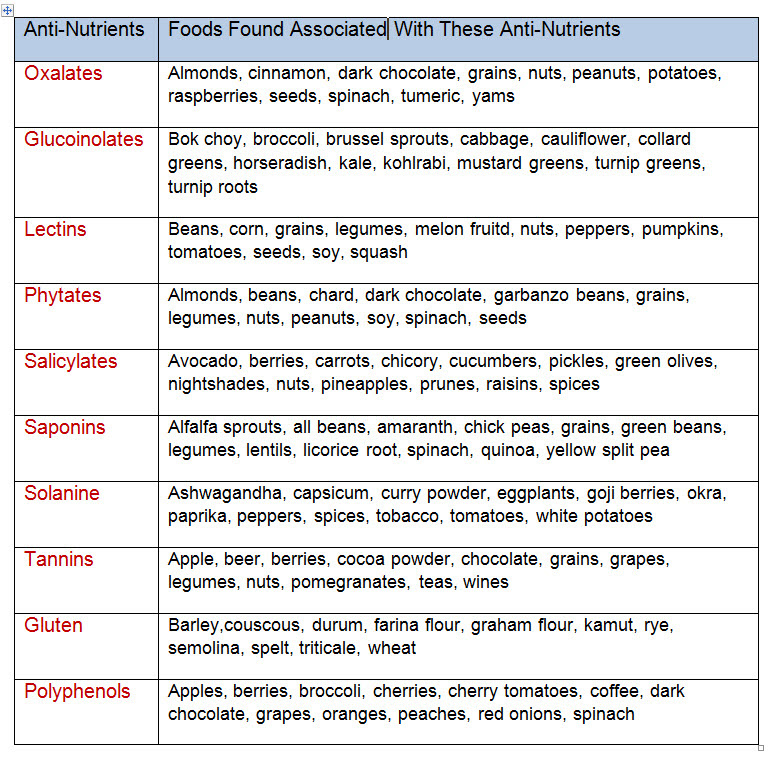
The following is a good chart to reference with foods associated with specific anti-nutrients.
Chart Obtained from page 127 of Carnivore Cure–Judy Cho
My conclusions and continued special journey.
Although I have taken a deep dive into some of the pitfalls of eating an abundance of plant based foods I sincerely believe there is a middle ground for most people including myself. I can not deny that many of these plant foods do indeed have many health benefits and should not be entirely denied for consumption. On the other hand I was totally ignorant of this well researched downside.
At this point in my 64 years of living on this earth, I am still researching for optimal health through many facets including science based nutrition.
Today I have presented another side that should not be ignored but at least considered in the event you, like myself, has strived to achieve optimal health through a plant based diet.
Just maybe some of these anti-nutrients may indeed may be playing havoc on your ability to be free of chronic disease entities.
As I dug deeper in my review of the literature I have discovered the least toxic vegetables and fruits.
Here they are:
Vegetables: Avocados, Zucchini, Olives, Cucumber, Pumpkin and Squash
Fruits: Apples, Oranges, Berries, Pineapple, Pears, Melons, Bananas, and Mango
As I continue to use myself as a testing platform and work with many patients I will report back to you on my findings.
I want to share with you today an article written by Ronald Peters, MD, MPH which gives an overview of a mechanism in the body which is activated when there is a perceived threat which could be viral, bacterial, toxic chemicals and metals etc. called: “The Cell Danger Response”.
Practitioners are familiar with the typical protective reactions that get activated in these situations, however where problems can arise is when this activation is not turned off after the threat has disappeared. It is suggested that this can contribute to the development of chronic, degenerative disease processes.
This concept was originally hypothesized by Robert K. Naviaux in the published paper:
Metabolic features of the cell danger response, Robert K. Naviaux, Mitochondrion 16 (2014) 7–17 The Mitochondrial and Metabolic Disease Center, University of California, San Diego School of Medicine
It has started to gain a lot of traction within the Functional Medicine community and I would suggest it certainly warrants some consideration with respect to how we approach working with patients.
You and I are wired to escape danger by automatically firing the sympathetic nervous system so we can run away or fight to survive. However, for the trillions of cells within our bodies, it is not so simple. They cannot run away. They are programmed to survive dangerous invaders such as viruses and bacteria, toxic chemicals and metals such as mercury by activating the Cell Danger Response, or CDR. Two key features of the CDR are reduced energy production (ATP) in the mitochondria and the release of inflammatory cytokines. Once the threat is eliminated the CDR is witched off and energy production starts again, and we resume our normal lives. However, sometimes the CDR does not stop and we stay fatigued and inflamed. This pathological persistence of the CDR is believed to be a primary cause for many chronic diseases including autism, PTSD, chronic fatigue syndrome, rheumatoid arthritis and many more. In this article I will review the cell danger response, what turns it on, and, importantly, how you can turn it off once the danger has passed.
CELL DANGER RESPONSE – AN ANCIENT SURVIVAL SYSTEM
Dr Robert Naviaux at the University of California, San Diego School of Medicine has reviewed the choreography of micro-events that occur as the cells and organs of the body prepare to survive threats, such as invading viruses, bacteria, fungi and parasites, or, toxic chemicals and heavy metals like mercury, lead and aluminum, as well as excessive heat or radiation. Mitochondria are the powerhouses within our cells as they use oxygen to convert chemical energy from the foods we eat into an energy form that the cell can use, which is called ATP. There are thousands of mitochondria in our cells and they orchestrate the cell danger response, which includes the following:
In response to viral attack, mitochondria sound the alarm and reduce voltage and energy production to prevent the virus from hijacking DNA to make more viruses.
Intracellular attack releases mitochondrial proteins and ATP which sound the alarm to attract other immune cells to attack the invader.
Mitochondria reduce oxygen utilization (less ATP) and reactive oxygen species along with increased hydrogen peroxide are toxic to viruses and support the cell defense.
Bacterial endotoxins activate an enzyme within the mitochondria which decreases vitamin D, thus increasing inflammation, but raising the risk for autoantibodies, especially to the thyroid gland (Hashimoto’s thyroiditis).
Under the oxidizing conditions of the CDR, methionine metabolism is shifted to assist with the production of antimicrobial reactive oxygen species as well as other antiviral and antimicrobial compounds.
De-methylation of histones is stimulated by oxidizing conditions of the CDR to increase pro-inflammatory cytokines such as TNF alpha.
Sulfur metabolism within cells is shifted to create more glutathione for macrophages and to increase glutathione transport into the brain.
CDR stimulates an enzyme which produces histamine, a potent vasodilator which facilitates the delivery of increased oxygen and immune cells to sites of inflammation.
Arginine metabolism is shifted within mitochondria to create nitric oxide (NO) gas which inhibits mitochondrial energy production.
Damaged cells release hemoglobin and heme into the tissues which stimulates the production of carbon monoxide, a potent inhibitor mitochondrial ATP production.
Cell danger increases lipoxygenase which leads to cell wall peroxidation and stiffening of cells walls in the vicinity of the threat.
Tryptophan metabolism is shifted to increase kynurenic acid which induces IL-6 and inflammatory cytokine, as well as increasing many aspects of immune function.
Toxic metals like mercury, as well as some chemicals will try to steal electrons and the mitochondria respond by reducing cellular energy production to shield the cell from further injury.
Intracellular conditions produced by the CDR lead to sequestration, or accumulation of toxic metals such as mercury, lead, cadmium, aluminum, arsenic and others, as well as reduced elimination,
When functional vitamin D is decreased by a chronically active CDR, magnesium is lost from the cells.
GUT MICROBIOME IS ESSENTIAL TO HEALTHY CDR
According to Dr. Naviaux, “healthy metabolism acts as a survival engine that computes the optimum chemical solution for fitness based on the developmental history, current environmental conditions, and the genetic resources available to the individual.”
Metabolism is all of the chemical reactions that occur in the cells of the body. Billions are occurring every second to respond to the surrounding environment in order to sustain life and they are intricately dependent on the health of the microbes that live in your body, or, microbiome. Since there are more bacterial in your body than cells, they have evolved to act as a “living shield to protect us from opportunistic pathogens and keep us healthy”.
About 99% of the bacteria in your body reside in your gut, consisting of 3,000 to 30,000 species which provide a metabolic and genetic diversity which far exceeds that of the human host.
Again, according to Dr. Naviaux, “the composition and function of the microbiome are best considered as an ecosystem that is continuously shaped by the developmental history, diet, health and activity of the host.” Basically, when the host is sick, the microbiome is also sick. The chronic activation of the CDR changes the ecosystem in the bowel and perpetuates disease in some people
RESOLUTION OF THE CDR
Once the danger or threat is eliminated, the CDR is turned off by a series of anti-inflammatory messages, normal mitochondrial energy is re-established, and normal cell life begins again.
However, based on genetic predisposition and the intensity and magnitude of the dangerous exposure a dysfunctional and persistent CDR can occur which is the precursor of many chronic diseases.
According to Dr. Naviaux, the following diseases result from a pathological persistence of the CDR:
autism spectrum disorders (ASD),
attention deficit hyperactivity disorder (ADHD),
food allergies,
asthma,
atopy,
emphysema,
Tourette’s syndrome,
bipolar disorder,
schizophrenia,
post-traumatic stress disorder (PTSD),
traumatic brain injury (TBI),
chronic traumatic encephalopathy (CTE),
suicidal ideation,
ischemic brain injury,
spinal cord injury,
diabetes,
kidney, liver, and heart disease,
cancer,
Alzheimer and
Parkinson disease,
autoimmune disorders like lupus, rheumatoid arthritis, multiple sclerosis,
primary sclerosing cholangitis.
According to Dr. Naviaux, each of the metabolic features of the CDR listed above “can be addressed individually with specific treatments, or more globally with a combination of supplements, dietary and activity changes, or with adaptogen therapies.”
I would add the following to the list:
Chronic fatigue syndrome
Irritable bowel syndrome
Fibromyalgia
Lyme’s disease
Mold related illness
Multiple chemical sensitivity
Chronic Inflammatory Response Syndrome
“Brain fog”
SUMMARY – CELL DANGER RESPONSE
Naviaux and other researchers have found the cell danger response is triggered by various types of environmental stressors:
Biological stressors such as viruses, bacteria, fungi such as mold, parasites and more
Chemical stressors such as toxic chemicals and heavy metals (e.g. mercury and lead)
Physical trauma such as an accident, burn, surgery, or physical abuse
Psychological trauma that creates overwhelm and persistent despair, such as the loss of a loved one, divorce, financial struggle, childhood emotional neglect
As Naviaux explains, these are triggers of illness, but they are not the cause of disease. As he presented to the Open Medicine Foundation on 9/28/2017, they all “ring the same bell – the cell danger response. “ In this new paradigm of disease, symptoms arise because a cell danger response gets stuck in the “on” position and can’t complete its healing cycle to turn itself back off as it is designed to do.
“In most cases of persistent chronic illness lasting for > 3–6 months, mitochondria are not dysfunctional. They are just stuck in a developmental stage that was intended to be temporary, unable to complete the healing cycle”
Robert Naviaux, Mitochondrion 46, 2019
TURNING OFF THE CELL DANGER RESPONSE – CONSCIOUSNESS AS THE SOURCE AND CURE FOR DISEASE
Illness gives patients temporary permission to act in more open ways emotionally. But if they cannot learn to give themselves that same permission when they are healthy, then the moment they get well, the old rules again apply, and they find themselves in the psychologically and physically destructive situation that first contributed to their illness.
Carl Simonton, MD
The cell danger response is turned on by dangers perceived at the cellular level, or, by dangers perceived by the individual in their life experience. Dr. Naviaux has described the cellular events that initiate the CDR. And we all have experienced threatening or frightening life events. The horrors of war can be overwhelming and a soldier will often suppress the intense emotions and later develop PTSD. For the abused or abandoned child, strong emotions are automatically suppressed, only to be stored in the unconscious mind as an emotional wound. These wounds will surface later in life and contribute to dis-ease of one kind or another. In both cases the CDR is ignited by the powerful “fight or flight” sympathetic nervous system as it births anger, fear and panic.
In order to turn off the CDR, once the danger has passed, we need to understand ourselves and how we create stress and handle emotions. Extensive medical research also shows that digestion, blood circulation, immune activity, hormone levels are but a few of the systems controlled by the mind. Dr. Candace Pert, the NIH researcher who discovered neurotransmitters, said it simply: “The more I look, (at the immune system) the more I’m convinced that emotions are running the show.”
Basically, we need to heed the “message of illness” and consider the dysfunctional beliefs and suppressed emotional pain that are expressed within the fabric of your body as dis-ease. Mindbody medicine is the science of healing at the level of consciousness and represents the next step in healthcare. It is based on the disturbing and eternal truth that the body is governed by consciousness (both conscious and unconscious).
Mindbody medicine will help you learn the following:
The natural intelligence of your body is governed by consciousness.
The function of the sympathetic nervous system (SNS) which is activated by fear, worry, anger and frustration.
How to enhance your parasympathetic nervous system (PNS), which governs your immune system, proper digestion, and hormone production.
The nature of the stressful life experiences which precede illness and how they can be tracked back to childhood experiences.
Adverse Childhood Experiences (ACE) and how they compare to Post-traumatic Stress Disorder (PTSD).
What is the “limbic lock” associated with chronic disease?
How to create a healthy gut microbiome, which is required to quiet the CDR and enhance vagal activity.
How to find the personal meaning of disease.
How reduce stress and live from your heart, the seat of emotion, love, intuition, and “seeing the big picture”.
All dis-ease is a personal invitation for healing, growing and gaining self-knowledge, by making the unconscious mind conscious.
The “blessing” of the dis-ease in any area of your life as well as your body offers you a window into the stored pain in the unconscious mind and how it can be discharged thereby leading to greater levels of peace and happiness.
How to activate the powerful vagus nerve which turns off the SNS and CDR.
Here is an example of what the published research has to say about the potential health benefits of earthing/grounding: Environ Public Health. 2012; 2012: 291541.
Published online 2012 Jan 12. doi: 10.1155/2012/291541
PMCID: PMC3265077PMID: 22291721
Earthing: Health Implications of Reconnecting the Human Body to the Earth’s Surface Electrons
Environmental medicine generally addresses environmental factors with a negative impact on human health. However, emerging scientific research has revealed a surprisingly positive and overlooked environmental factor on health: direct physical contact with the vast supply of electrons on the surface of the Earth.
Modern lifestyle separates humans from such contact. The research suggests that this disconnect may be a major contributor to physiological dysfunction and unwellness. Reconnection with the Earth’s electrons has been found to promote intriguing physiological changes and subjective reports of well-being. Earthing (or grounding) refers to the discovery of benefits—including better sleep and reduced pain—from walking barefoot outside or sitting, working, or sleeping indoors connected to conductive systems that transfer the Earth’s electrons from the ground into the body. This paper reviews the earthing research and the potential of earthing as a simple and easily accessed global modality of significant clinical importance.
2.1. Sleep and Chronic Pain
2.3. Earthing Reduces Electric Fields Induced on the Body
2.4. Physiological and Electrophysiological Effects
4.4. Heart Rate Variability
4.5. Reduction of Primary Indicators of Osteoporosis, Improvement of Glucose Regulation, and Immune Response
4.6. Altered Blood Electrodynamics
Table 1
Subjective sleep, pain, and well-being feedback.
Categories
Test subjects*
Control subjects**
Same
Improved
Same
Improved
Time to fall asleep
4 = 15%
23 = 85%
20 = 87%
3 = 13%
Quality of sleep
2 = 7%
25 = 93%
20 = 87%
3 = 13%
Wake feeling rested
0 = 0%
27 = 100%
20 = 87%
3 = 13%
Muscles stiffness and pain
5 = 18%
22 = 82%
23 = 100%
0 = 0%
Chronic back and/or joint pain
7 = 26%
20 = 74%
23 = 100%
0 = 0%
General well-being
6 = 22%
21 = 78%
20 = 87%
3 = 13%
*Reports not received from three participants.
**Reports not received from seven participants.
4. Conclusion
De
Flora et al. wrote the following: “Since the late 20th century, chronic
degenerative diseases have overcome infectious disease as the major
causes of death in the 21st century, so an increase in human longevity
will depend on finding an intervention that inhibits the development of
these diseases and slows their progress” [33].
Could such an intervention be located right beneath our feet? Earthing research, observations, and related theories raise an intriguing possibility about the Earth’s surface electrons as an untapped health resource—the Earth as a “global treatment table.” Emerging evidence shows that contact with the Earth—whether being outside barefoot or indoors connected to grounded conductive systems—may be a simple, natural, and yet profoundly effective environmental strategy against chronic stress, ANS dysfunction, inflammation, pain, poor sleep, disturbed HRV, hypercoagulable blood, and many common health disorders, including cardiovascular disease. The research done to date supports the concept that grounding or earthing the human body may be an essential element in the health equation along with sunshine, clean air and water, nutritious food, and physical activity.
This simple behavioral change has the potential to initiate powerful improvements in health conditions and is something that may warrant consideration for everyone.
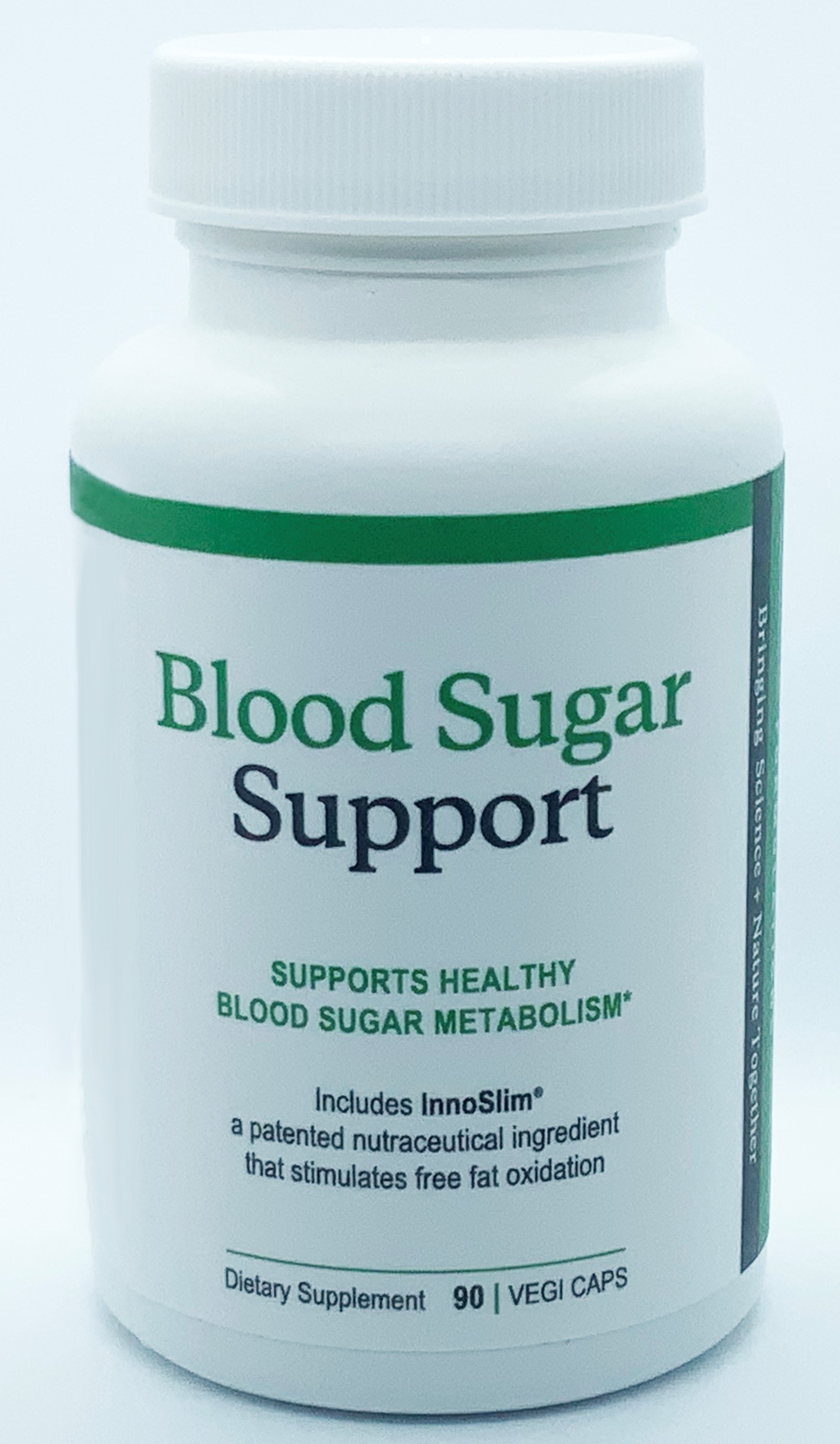
Our Blood Sugar Support formulation is now available!
It includes InnoSlim® a stimulant-free, 100% plant-based ingredient to support healthy weight and glucose metabolism.
InnoSlim® has been shown in clinical trials to enhance fat burning, decrease glucose absorption and enhance metabolic wellness
CLINICAL FINDINGS
Supports healthy weight management*
Supports enhanced fat burning and weight loss*
Decreases circulating glucose (in pre-clinicals)*
Supports healthy insulin sensitivity*
Formulated to:
Support normal blood sugar and insulin levels*
Maintain healthy cholesterol and triglyceride levels already within the normal range*
Support cardiovascular wellness*
Decrease sugar cravings*
Appetite suppression*
Block carbs blocking by inhibiting an enzyme that digests sucrose and starch-derived sugar*
Support healthy blood pressure & circulation*
Maintain blood pressure levels that are already within the normal range*
Support healthy brain function*
Provide antioxidant properties*
Promote a healthy inflammatory response*
Enhance AMPK activity+*
And many others
+ AMPK is an enzyme found in every single cell in our bodies where it functions as a “master regulator” switch for energy production. It also plays a critical role in regulating growth
Ingredients
InnoSlim
Berberine HCl.
Alpha Lipoic Acid
Bitter Melon – 10% Charantins
Gymnema sylvestre – 75 % Gymnemic Acid
Pata de Vaca
Mulberry – 1-Deoxynojirimycin HCl (DNJ) 1%
Chromium Picolinate
Each bottle contains 90 capsules: the recommended dose is one capsule per meal