As a product formulator and consultant specializing in evidence-based nutritional formulations, I’m always evaluating botanicals that combine traditional use with modern scientific validation. One that continues to stand out is Jiaogulan, often called the “Immortality Herb.”
Rich in over 80 gypenosides—bioactive compounds structurally similar to ginsenosides in Panax ginseng—Jiaogulan offers multiple clinically relevant benefits:
✅ Cardiovascular Support – helps regulate blood pressure, improve endothelial function, and balance lipid levels. ✅ Metabolic Optimization – supports insulin sensitivity and glucose control. ✅ Adaptogenic Activity – enhances the body’s resilience to stress while promoting mental and physical stamina. ✅ Antioxidant & Anti-Inflammatory Effects – protects against oxidative damage and supports healthy aging. ✅ Immune Modulation – can help strengthen immune defenses while calming an overactive immune response promoting balance rather than overstimulation. ✅ Respiratory Support – used to enhance lung function and oxygen uptake, benefiting endurance and recovery.
Do you have any personal experience with Jiaogulan?
From a formulation perspective, Jiaogulan pairs exceptionally well with synergistic ingredients such as:
❇️ Cordyceps or Rhodiola for energy and stress resilience ❇️ Berberine, Bitter Melon, Cinnamon extract for metabolic formulations ❇️ CoQ10, Hawthorn, NAC in cardiovascular and longevity blends
Its versatility and strong safety profile make it an outstanding candidate for next-generation adaptogenic, longevity, and cardiometabolic formulations.
If you’re a nutraceutical brand, healthcare company, or practitioner developing products in these areas, I help design and optimize formulations backed by science, efficacy, and market differentiation.
Let’s collaborate to bring advanced, evidence-informed products to life.
As a nutritional supplement formulator and consultant, I’m always searching for ingredients that actively modulate the biological pathways of aging
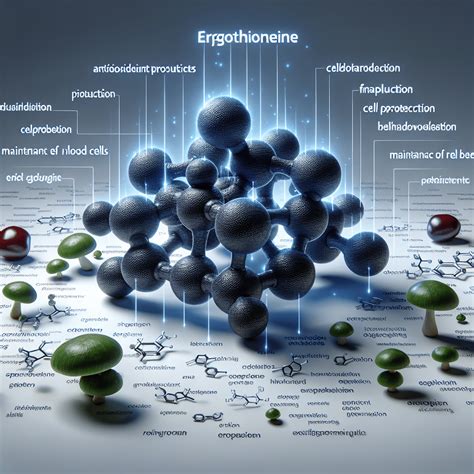
One of the most impressive compounds I’ve worked with is L-Ergothioneine (ERG) — an amino acid found in mushrooms 🍄 that may be among the most powerful longevity molecules discovered so far
We actually have a dedicated transporter (OCTN1) to absorb and retain it — meaning it’s biologically essential for long-term cellular protection and repair
🧬 How L-Ergothioneine Impacts Longevity and Cellular Health
L-Ergothioneine can help increase both lifespan (in animal models) and healthspan, creating a foundation for cellular resilience and genomic integrity — the #1 predictor of longevity
💠 Genomic Stability & DNA Repair
• Protects and repairs both nuclear and mitochondrial DNA • Prevents telomere shortening • Repairs aging-dependent accumulation of point mutations in the mtDNA control region • Eliminates DNA-damaging acids hypobromous and hypochlorous
💠 Mitochondrial & Metabolic Optimization
• Increases mitochondrial and metabolic activity • Prevents mitochondrial dysfunction and supports efficient ATP production • Increases cell viability by up to 45%
💠 Superior Antioxidant Power
• Eliminates all free radicals 3,435% more effectively than glutathione • Inhibits cell membrane damage 270% better than CoQ10 • Neutralizes singlet oxygen up to 7,500% better than any known antioxidant • Provides sustained antioxidant protection for up to 30 days
💠 Systemic Anti-Aging Benefits
• Supports cognition, cardiovascular health, and organ vitality • Helps prevent sarcopenia and macular degeneration • Reverses UV and sun damage by repairing and protecting skin DNA and mtDNA
ERG doesn’t simply slow aging — it addresses its root biological mechanisms, restoring cellular function from the inside out
⚗️ Formulation Insight
In advanced nutraceutical formulations, L-Ergothioneine pairs synergistically with: 🔹 Ingredients targeting mitochondrial biogenesis and energy metabolism 🔹 NAD+ Precursors → For NAD⁺ restoration and DNA repair 🔹 Compounds which activate NRF2 activation and cellular detox pathways
Together, these ingredients form the core of next-generation longevity formulations — designed to extend not just life, but quality of life
If your brand or clinic is exploring science-based formulation strategies for longevity, cognition, or metabolic vitality, reach out to me
Let’s connect to transform cutting-edge longevity science into real-world, market-ready innovation
Rob Lamberton, BSc, FNTP, FDN-P 🧪 Nutritional Supplement Formulator | Consultant | Integrative Health Strategist
Helping brands and practitioners develop evidence-based, biologically intelligent nutraceutical formulations
Before the recent HHS press briefing on autism, there was little or no discussion on mainstream, social, or Substack media on acetaminophen use during pregnancy. Many did not know Tylenol is one of many drugs implicated.
An AI search found at least thirty drugs used during pregnancy “linked” to neuropsychiatric problems later on in the child.
There are numerous prenatal drugs and substances that have been associated with increased risk of childhood neuropsychiatric or neurodevelopmental disorders (such as autism spectrum disorder, ADHD, intellectual disability, anxiety, depression, behavioral problems, or cognitive deficits) in the scientific literature. Based on a synthesis of peer-reviewed sources (including systematic reviews, cohort studies, and meta-analyses from PubMed, JAMA, BMJ, and other databases), at least 30 specific drugs have been associated with these risks to varying degrees. Citations are rendered inline where direct sources are available.
Anticonvulsants/Antiseizure Medications (5+ drugs) These are commonly linked to neurodevelopmental risks, especially autism and intellectual disability, due to interference with brain development.
Valproic acid/valproate: Strongly associated with ASD (up to 7-fold increased risk), lower IQ, and behavioral disorders.jamanetwork.com +3
Carbamazepine: Neural tube defects and potential cognitive delays.womensmentalhealth.org
Phenytoin: Linked to developmental delays and cognitive deficits (though evidence is weaker than for valproate).pmc.ncbi.nlm.nih.gov
Topiramate: Increased risk of ASD and intellectual disability.med.stanford.edu
Lamotrigine: Mixed evidence; some studies show weak links to oral clefts or learning difficulties, but often considered lower-risk.aafp.org +1
Antidepressants (15+ drugs) Prenatal exposure, especially in the first trimester, has been linked to ASD, ADHD, altered brain development, and behavioral issues, though evidence is conflicting and often tied to underlying maternal depression.
SSRIs (selective serotonin reuptake inhibitors) as a class: Increased ASD risk (up to 2-fold) and altered pain response or stress axis function.womensmentalhealth.org
MAOIs (monoamine oxidase inhibitors): Limited data, but linked to ASD.
Selegiline: Increased ASD risk.
Antipsychotics (7+ drugs) Associated with neurodevelopmental disorders and learning difficulties, though evidence is emerging and often for neonatal withdrawal rather than long-term effects.
Typical antipsychotics as a class: Potential congenital malformations.
Haloperidol: Teratogenic risks low, but neonatal effects.
Perphenazine: Malformations (low-potency agents).
Trifluoperazine: Similar to above.
Atypical antipsychotics as a class: Risk of specific neurodevelopmental disorders; neonatal extrapyramidal signs or withdrawal.sciencedirect.com
Olanzapine: No major malformations, but neonatal complications.
Risperidone: Similar neonatal risks.
Quetiapine: Obstetrical/neonatal complications.
Clozapine: Limited data; potential malformations.
Aripiprazole: Limited data.
Opioids (4+ drugs)Linked to lower cognitive/motor skills, ADHD, and behavioral disorders, though not always substantial increases. bmj.com +4
As an epidemiologist and a long-standing journal editor, I have become skilled at determining and examining the best and most conclusive sources of evidence among many publications on a topic. The reported link between prenatal acetaminophen use and the development of neuropsychiatric disorders several years later in the child is best evaluated by Ahlqvist et al, JAMA 2024.
By Rob Lamberton, BSc, FNTP, FDN-P Functional Medicine Practitioner & Product Formulator
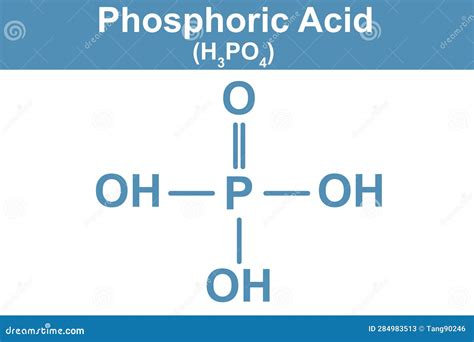
Most people already know that soda isn’t exactly a wellness beverage. But far fewer understand that one particular ingredient — phosphoric acid — may be doing far more harm than the sugar itself.
Used in many cola drinks for its sharp, tangy flavor and as a preservative to inhibit bacterial growth, phosphoric acid has been linked to a range of negative effects on bone, kidney, heart, and dental health.
Let’s look at what the science reveals — and why reducing your exposure could support long-term health and vitality.
🦴 1. Bone Health: The Silent Calcium Drain
Phosphoric acid increases urinary calcium loss, creating a calcium deficit that your body compensates for by drawing calcium from the bones.
Over time, this can lead to bone demineralization, lower bone density, and an elevated risk of osteopenia and osteoporosis — particularly in women.
👉 In the Framingham Osteoporosis Study, women who consumed cola beverages daily had significantly lower bone mineral density compared to non-cola drinkers — even when calcium and vitamin D intake were adequate.
Tucker KL et al., Am J Clin Nutr. 2006;84(4):936–942.
💧 2. Kidney Health: Acid Load and Stone Formation
Phosphoric acid contributes to urine acidification, which can promote the formation of uric acid and phosphate-based kidney stones.
Excess dietary phosphate may also cause renal tubular injury and accelerate renal aging and fibrosis, even in those without existing kidney disease.
Sullivan CM et al., Clin J Am Soc Nephrol. 2017;12(12):2034–2043.
For individuals with reduced kidney function or metabolic issues, this acid load can further compromise the body’s ability to regulate phosphate balance.
Elevated serum phosphate levels have been associated with vascular calcification, arterial stiffness, and endothelial dysfunction — all precursors to cardiovascular disease.
Even modest increases in phosphate within the high-normal range are linked to greater all-cause and cardiovascular mortality.
Ellam TJ, Chico TJ. Clin Sci (Lond). 2012;122(10):397–407.
Essentially, excessive phosphate may “age” the arteries from the inside out, contributing to premature cardiovascular decline.
😬 4. Dental Health: Erosion Without Sugar
Sugar isn’t the only dental villain. Phosphoric acid is highly erosive to tooth enamel, stripping away minerals that protect against decay.
Even sugar-free sodas can degrade enamel due to their acidity. Over time, this leads to tooth sensitivity, cavities, and enamel thinning.
Barbosa CS et al., J Clin Pediatr Dent. 2020;44(1):22–26.
⚖️ 5. Acid-Base Imbalance and Mineral Depletion
Your body works hard to maintain a stable pH balance. Regular consumption of acidic beverages like soda can lead to low-grade metabolic acidosis, prompting the body to buffer acid by drawing alkaline minerals such as calcium and magnesium from bones and muscles.
This process can contribute to mineral depletion, fatigue, and musculoskeletal discomfort over time.
Bushinsky DA, J Nephrol. 2017;30(2):215–221.
🍭 6. Nutrient Displacement and Metabolic Stress
Every can of soda replaces a more nourishing beverage such as water, mineral water, or herbal tea. The result is reduced intake of key nutrients — and an increase in sugar, caffeine, and phosphate, which together amplify insulin resistance, metabolic syndrome, and weight gain.
Vartanian LR et al., Am J Public Health. 2007;97(4):667–675.
💡 The Takeaway
Phosphoric acid isn’t just a flavor enhancer — it’s a biochemically active compound with real physiological effects.
Even diet sodas, though free from sugar, can still: ✅ Weaken bones ✅ Stress kidneys ✅ Promote vascular calcification ✅ Erode dental enamel
Over time, these effects add up, contributing to premature aging of multiple organ systems.
If you’re looking to protect your long-term health and longevity, start by replacing soda with health-promoting alternatives:
💧 Mineral-rich sparkling water 🍋 Water with lemon or trace minerals 🌿 Herbal infusions or adaptogenic teas
Your bones, kidneys, teeth, and heart will thank you.
📚 References
Tucker KL, et al. Colas, but not other carbonated beverages, are associated with low bone mineral density in older women. Am J Clin Nutr. 2006;84(4):936–942.
Sullivan CM, et al. Phosphate toxicity in chronic kidney disease: new insights. Clin J Am Soc Nephrol. 2017;12(12):2034–2043.
Ellam TJ, Chico TJ. Phosphate: the silent killer? Clin Sci (Lond). 2012;122(10):397–407.
Barbosa CS, et al. Dental enamel erosion by acidic soft drinks: an in vitro study. J Clin Pediatr Dent. 2020;44(1):22–26.
Bushinsky DA. Acid-base imbalance and bone disease. J Nephrol. 2017;30(2):215–221.
Vartanian LR, et al. Effects of soft drink consumption on nutrition and health: a systematic review and meta-analysis. Am J Public Health. 2007;97(4):667–675.
✳️ About Rob Lamberton
Rob Lamberton, BSc, FNTP, FDN-P, is a Functional Medicine Practitioner, Health Consultant, and Product Formulator specializing in longevity and regenerative health solutions. Through his work, Rob helps individuals and health companies develop science-based strategies that optimize human performance and healthspan.
NAD+ – Nicotinamide Adenine Dinucleotide is a co-enzyme present in every cell in the body and it is vital for cellular function.
Like hormones and other endogenous compounds in the body, NAD+ levels decrease as we age however they decrease precipitously with NAD+: down 50% at the age of 50 and down 90 – 96% at the age of 80.
One of the key functions of NAD+ is to activate the Sirtuin longevity genes which as the name implies are important for healthy aging. Without adequate levels of NAD+ to activate the Sirtuin genes, vascular aging accelerates.
We can help to optimize our NAD levels as we age by engaging in exercise and as well by fasting.
Another way to optimize NAD+ levels is to take a precursor formulation.
Taking NAD+ itself is not effective because it gets broken down in the digestive system.
Optimizing NAD+ levels as we age has been shown to provide many health benefits including:
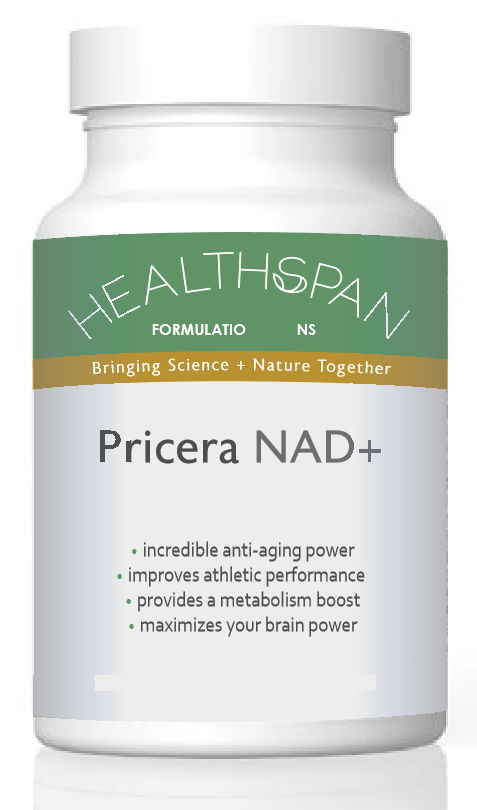
For more information on NAD+, the Sirtuin longevity genes and NAD+ precursor formulations such as our top selling practitioner quality Pricera formulation reach out to me – or review some of the info on our website:
Some individuals develop significant but difficult to diagnose and treat health issues and bounce around the health care system trying to get help for health issues which seem almost impossible to correctly diagnose – let alone develop effective treatment protocols.
MCS can be difficult to diagnose because it can mimic a spectrum of other conditions.
A 25 year old woman named Jan begins her new career as a 2nd grade school teacher. After many of years of preparation, Jan is ready to serve the public and help her young students learn how to read and write. Beginning in a newly renovated school is an extra bonus which makes our new teacher proud that she became part of the educational system. Everything is moving along fine.. she couldn’t be happier!
Three months pass by and Jan has noticed that her concentration is just not right. She has been getting a little “edgy.” Definitely not like her. Her husband is concerned that maybe she is pushing herself a little too much and encourages her to simply slow down and pace herself. As the weeks go by, she begins experiencing headaches over her eyes and the back of her head. The headaches are now occurring more frequently; a minimum of 3-4 times a week.
Six months into the school season and her symptoms are getting worse. In addition to her headaches, lack of concentration and irritability, Jan is now having insomnia, cries over nothing and has noticed an unusual tingling in her face, hands and feet. Concerned, our once “excited” trainer of children decides to see her family physician. After a brief consultation and a basic physical evaluation, her physician is confident she is again just overdoing it and recommends she lighten her work load. In the mean time, she is prescribed Xanax, a mild tranquilizer to settle her nerves. Feeling reassured that nothing is seriously wrong, our teacher returns to her young students and pushes on.
Another three months pass and this time our once highly motivated teacher is only a “shadow” of herself. It takes every ounce of energy to get started in the morning. She is having greater difficulty preparing her school assignments and simply is just exhausted! In a state of desperation she is referred to a psychiatrist. He diagnoses her with depression and prescribes an anti-depressant and also recommends counseling.
After two emotional years of trying an assortment of anti-depressants and hours of counseling, Jan is stuck in a nightmare.. a web of medical labels… depression, chronic fatigue syndrome, stress … just name a few!
Is It Possible Something Has Been Missed?
Every year thousands of teachers are afflicted with a condition that simply “zaps” the life right out of them. Most physicians are at a total loss to understand what is behind this mysterious illness. Unfortunately, many people are looked at as hypochondriacs and continue to suffer year after year.
The Diagnosis
By a stroke of luck and a lot of prayer, Jan stumbled on a medical article that “painted” an exact picture of her health challenges. She was amazed to find that she was not alone and that thousands of other teachers were experiencing the same problem.
She was able to find a physician who was trained in making this difficult diagnosis and learned that she was suffering with something called “Multiple Chemical Sensitivities (MCS).” Some physicians have coined the term “The Toxic Teacher Syndrome” due to the numbers of teachers suffering with the same symptoms.
What is MCS?
Chemical Sensitivity is not a new term. It has been around for many years. The diagnosis MCS was researched by allergist Theron G. Randolph, M.D. (1906-1995). Dr. Randolph discovered that many of his patients became ill from chemical substances that were normally considered safe at the recommended dosage. In the 1950s, Dr. Randolph concluded that people were failing to adapt to modern-day synthetic chemicals. As more research was done on the effects of MCS, doctors suggested that the immune system is like a barrel that continually fills with chemicals until it overflows and symptoms appear. Potential chemical toxins include:
Formaldehyde which can be found in foam insulation, plywood, particleboard and press cabinets, fabric finishes, new carpet, polyurethane foam rubber (used in pillows, cushions, mattresses and rug padding), mobile homes, adhesives, synthetic clothes that crease resistant, wrinkle resistant
Oil vapors: from oil furnaces, motor-oil air-conditioning filters, electric kitchen appliances such as food processors, blenders, can openers.
Household chemicals such as dry cleaning chemicals in clothes, mothballs, rug-cleaning products, paints, solvents, stain removers, air fresheners, window washing compounds
Polyesters in clothing, upholstery, drapery, furniture and stuffing for pillows and quilts.
Pesticide residue on cottons and woolens; residues from exterminators.
Epoxy adhesives on plastics, electronic equipment (TVs, microwaves,) which release gases when heated up.
Common school paraphernalia such as carbon paper, ink, mimeographic and duplicating chemicals, glue
How Do These Chemicals Cause Health Problems?
For most people the constant exposure to the above chemicals may not pose any health challenge. However, an individual may come in contact with a freshly painted room and begin to experience dizziness, nausea, headaches etc.. Usually, however, it requires the constant everyday exposure to various toxins that simply become cumulative and eventually overwhelm the body’s ability to eliminate them. When your detoxification system is in good working order, it protects you from low level chemical build-up. It is interesting that most of the sixty thousands chemicals in current use today have been developed in the last forty years. In other words, it seems quite clear that these chemicals are being made at a faster rate than our bodies are able to get rid of them.
Chemicals are known to injure the part of the cell that produces energy causing swelling of the cell membrane and a decreased ability to pump out chemical toxins. When this occurs you can experience fatigue, weakness, poor memory, migraine headaches, insomnia, anxiety, etc..
So What Happened to our Teacher?
When Jan first arrived in her new school, she was greeted with fresh paint, new carpet, new furniture etc.. which was all piled in her small room. This was further complicated by inadequate ventilation. When the chemical load to her system was too high, some of the chemicals were simply unable to be detoxified. This resulted in the slow accumulation of chemicals backing up in the blood causing her health to slowly spiral downward.
How Was She Helped?
Our school teacher was thoroughly evaluated receiving a physical examination, blood tests for liver function, comprehensive detoxification blood test and chemical toxicity assessment.
Detoxification Profile: This test is used to determine how well her body is getting rid of toxins.
As you can see above ( please review PDF copy to allow for improved readibility), Jan had a normal phase I detoxification function but her phase II revealed a high plasma cysteine with low plasma sulfate and an impaired glucuronidation detoxification.
** Detoxification is much more complicated than most doctors (not trained in the diagnosis of detoxification) make it out to be and commonly will cause more harm than good.
HERE IS WHAT YOU NEED TO KNOW
A healthy liver uses two mechanisms, called Phase I and Phase II detoxification to remove toxins.
In Phase I, your body’s enzymes activate toxic substances to make them more accessible to Phase II.
In Phase II, other enzymes convert toxins to more water-soluble forms, which your body eliminates through urine or stool. Major Phase II pathways include glutathione, sulfate, glycine, and glucuronide conjugations. Individual xenobiotics and metabolites usually follow one or two distinct pathways.
Chemical Testing
A chemical blood exposure test was also performed. This test is extremely valuable in determining the levels of chemical toxins in the blood.
A checklist of suspected chemical toxins was done as well as an assessment of the schools ventilation system.
The Results
After suffering for a little over two years, her tests revealed the following:
The Liver Profile was normal
The Detoxification Profile revealed a compromised phase II detoxification with high plasma cysteine with low plasma sulfate and an impaired glucuronidation detoxification resulting in an inability to process the load of chemicals.
The Chemical Testing revealed high levels of: Formaldehyde,Toluene and Xylene
The checklist accurately correlated with her high levels of chemicals in her blood.
As suspected, although the school received a face-lift with new furniture and a fresh coat of paint, the ventilation system was functioning at approximately 40% efficiency and needed a major overhaul!!
The Treatment
The first step was too begin treatment on improving Jan’s ability to detoxify by improving her impaired glucuronidation detoxification and decrease the total load of toxic elements.
Ruled out hypothyroidism (delays maturation of conjugating enzyme)
Correct nutrient deficiencies
Increase intake of nutrient cofactors for glucuronidation
L-glutamine, aspartic acid, niacin, vitamin B6
Support other Phase II pathways, especially sulfation and glycination, to reduce burden
Increase intake of cruciferous vegetables (induces conjugating enzyme)
Had teacher purchase a Four Stage Air Filtration System for her classroom to improve ventilation
Our teacher had a comprehensive safe environmental check of her classroom. Chemical toxins were replaced with non-toxic products. This was carried over to her home as well.
The Outcome
Within 2 weeks, Jan began to notice an improvement in her health. Her energy gradually increased, headaches were reduced to 1 every 2 weeks, the depression lifted, insomnia was replaced by sound restful sleep. By the end of 2 and half months, Jan felt like her old self again and has continued to do well ever since.
Our Comments:
This article presents a real case and demonstrates the sad fact that thousands of people are suffering needlessly. Unless a physician has studied and been trained in the diagnosis and treatment of environmental illness, many more people especially teachers and other professionals working in similar environmental surroundings will continue to develop MCS and unfortunately be “branded” undiagnosable and sadly a hypochondriac. The truth of the matter is.. there is an answer and this answer can pull many people out of this nightmare.