Category: Diet

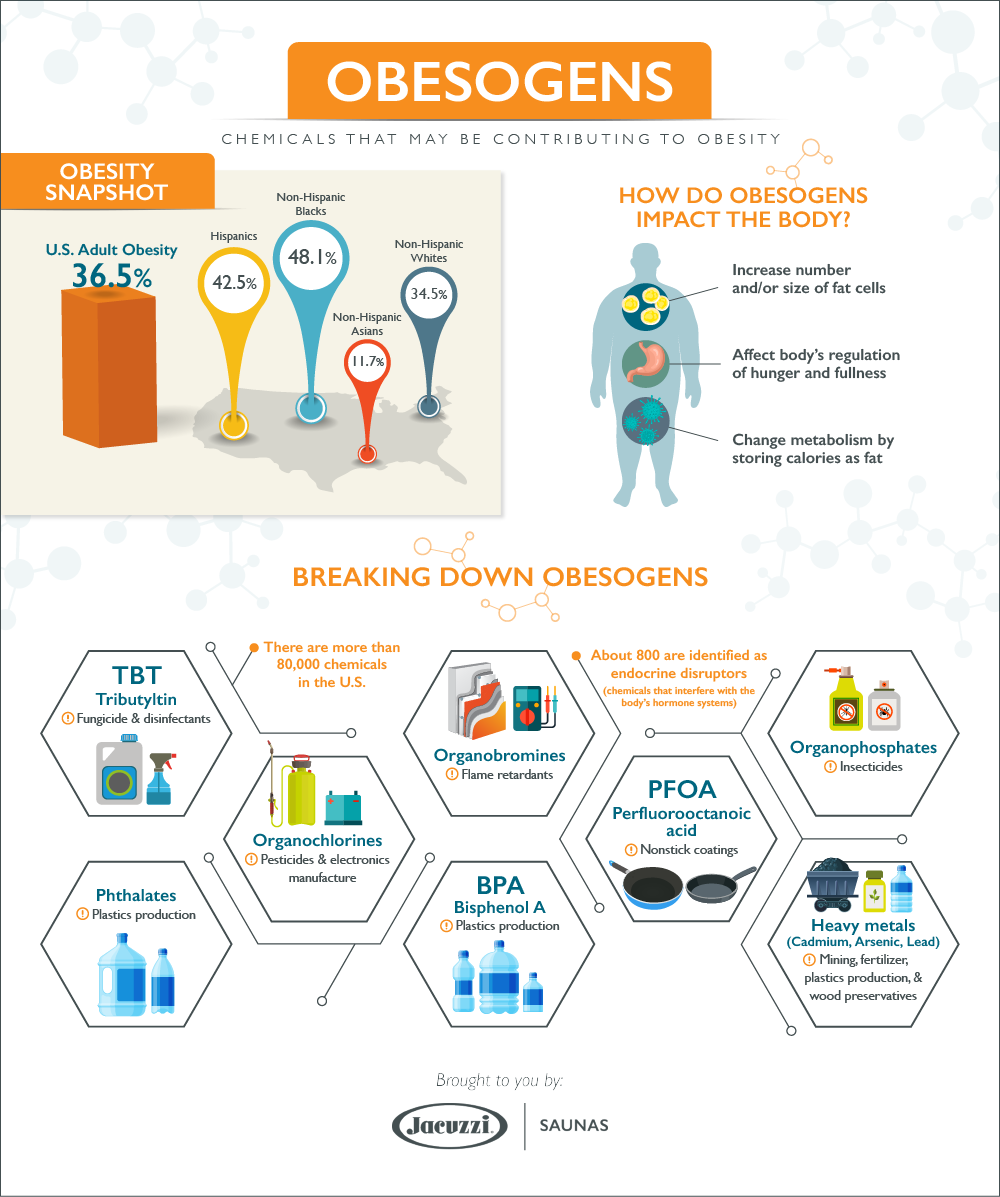
One of the major issues causing problems with losing weight and maintaining a healthy weight is due to the presence of chemicals in the body – environmental toxins.

Some of these chemicals are called “obesogens” – because they cause obesity and it is almost impossible for an individual to lose weight until these compounds are removed.

A key compound in this category is phthalates, often referred to as plasticizers.

Weight issues for individuals have reached epidemic proportions across the world – in the U.S. alone, 39.8% of adults aged 20 and over are obese.

Historically, the suggested solution to this significant issue was to eat less and exercise more – in fact this is the advice that most MDs will currently suggest to their patients who are struggling with weight issues.

Losing weight and maintaining a healthy weight is certainly not as simple as eating less and exercising more, although these factors can provide benefits.

Other factors may include, and this is certainly not an exhaustive list the following – hormonal imbalance, including elevated cortisol levels, inflammation, genetic mutations, a diet which includes poor quality food sources, lack of sleep, stress and many more.

The way to rid the body of these chemicals is through a supervised detox program.

This should be done under the supervision of a health care practitioner knowledgeable in this area as freeing up these chemicals can cause significant problems if the body has not been prepared properly to excrete these chemicals.

Following is an article published by Functional Medicine University which discusses this topic.

Difficulty Losing Fat? This May Be the Cause

Ronald Grisanti D.C., D.A.B.C.O., DACBN, MS, CFMP

Obesity has hit epidemic proportions and the world is desperate to do anything to lose their unwanted fat.

Although eating a healthy diet and exercise is paramount to losing fat, there is one little unknown fact that will prevent millions of people from ever losing fat.

According to the US government this one thing is the considered the number one pollutant in the human body and will put a quick halt to ever reaching your desired level of fitness and fat loss.

One of the major causes of the obesity epidemic is the unprecedented level of phthalates or plasticizers.

The problem with these toxic environmental toxins is the fact that they are difficult to impossible to avoid. In fact they are found in every species even in the most pristine wild.

In fact we have so damaged the chemistry of even animals in the wild that the polar bears in the Arctic have human diseases such as hypothyroidism and osteoporosis.

Phthalates are the highest pollutant in the body being over 10,000 times higher than any of the thousands of other environmental toxins.

In fact they are so pervasive that now children six years of age have levels that used to take adults until the age of 40 to accumulate.

Phthalates are the highest pollutant in the body being over 10,000 times higher than any of the thousands of other environmental toxins.

Phthalates are the highest pollutant in the body being over 10,000 times higher than any of the thousands of other environmental toxins.

The government agencies, scientific and medical literature have clearly documented that a huge amount of these environment toxins (phthalates) come from our water, soda and infant formula bottles, food packaging, cosmetics, nail polish, mattresses, couches, carpets, clothing, medications, styrofoam cups, IVs, vinyl flooring, construction materials, home wiring, computers, industrial and auto exhausts, etc.,

The sad point is the fact that these toxins stockpile in the body and overwhelm our ability to detoxify them.

We routinely measure them with a wonderful test called Phthalates & Parabens Profile (https://www.gdx.net/product/phthalates-parabens-test-urine)

In addition to the damage these environmental toxins do to the biochemistry of losing fat they have also been known to be associated with difficult to treat chronic fatigue syndrome,fibromyalgia, ADD,  syndrome X, diabetes, arteriosclerosis, allergies, and much more.

In fact the label that a disease has is now unimportant. All we care about is what caused the disease and what biochemical corrections are necessary to get rid of it and actually bring about a true solution, a word you rarely hear in drug-oriented medicine.

What is even worse is the fact a pregnant mother’s phthalate levels (look at how many are continually drinking from plastic water bottles, etc., thinking that it’s something healthful) hugely influence not only the development of the child’s brain and glands, but even future fertility and cancers in their unborn children, not to mention, of course, obesity.

What you need to understand and something the researchers have forgot to mention is the fact that fat stores a huge amount of our chemicals, so the fatter you are the more the difficult it is to lose fat. Interesting and at the same time depressing.

The bottom line is many people will never lose weight or solve their medical problems because they have not gotten rid of the phthalates and other environmental pollutants that have damaged their chemistry and genetics.

One of the key ingredients to ridding the body of these harmful toxins is first to do what you can to avoid it (STOP DRINKING OUT OF STYROFORM CUPS and PLASTIC BOTTLES) and invest in a far infrared sauna

References:

Heindal JJ, Endocrine disruptors and the obesity epidemic, Toxicol Sci 76; 2:247-49, 2003

Baillie-Hamilton PF, Chemical toxins: a hypothesis to explain the global obesity epidemic, JAIt Complement Med 8;2:185-92, 2002

Alonso-Magdalena P, et al, The estrogenic effect of bisphenol A disrupts pancreatic B-cell function in vivo and induces insulin resistance, Environ Health Perspect 114:106-12, 2006

The Hundred Year Diet in the Wall Street (May 10, 2010, A I5)

Vom Saal FS, Welshons WV, Large effects from small exposures. II. The importance of positive controls in low-dose research on bisphenol A, Environ Res, 100;1:50-76, Jan. 2006

Feige JN, et al, The endocrine disruptor monoethyl-hexyl phthalate is a selective peroxisome proliferator-activated receptor gamma modulator that promotes adipogenesis, JBiol Chem 282:19152-66, 2007

Hatch EE, et al., Association of urinary phthalate metabolite concentrations with a body mass index and waist circumference: a cross-sectional study of NHANES data, 1999-2002, Environ Health 7:27, 2008

Clark K, et al, Observed concentrations in the environment. In: The Handbook of Environmental Chemistry. Vol 3, Part Q. Phthalate Ester (Staples CA, ed). New York: Springer, 125-177, 2003

Feige JN, et al, The pollutant diethylhexyl phthalate regulates hepatic energy metabolism via species-specific PPARa-dependent mechanisms, Environ Health Persp, 118; 2:234-41, Feb 2010

Jaakkola JJK, et al, The role of exposure to phthalates from polyvinyl chloride products in the development of asthma and allergies: A systematic review and meta-analysis, Environ Health Perspect 116:845-53, 2008


A recent documentary viewed by many suggested that a plant based – vegan diet is the optimal diet for athletes.

What Is The Game Changers?

The Game Changers is an agenda-driven film, not an objective analysis of an optimal diet for athletes. The purpose of this film is to advocate for a plant-based diet. It hasn’t been peer-reviewed, and it plays very fast and loose with the science. It’s propaganda for veganism, pure and simple. 

This is a very slick, well-done film, and it has the potential to mislead a lot of people. But it’s full of misleading statements, half-truths, flat-out falsehoods, flawed logic, and absurdities.

Chris Kresser of ChrisKresser.com did a great rebuttal of this documentary – both live on two podcasts on the Joe Rogan show as well as in writing.

Below is a portion of his written comments.

The documentation is quite extensive so if you want to review it in detail here is the link.

As a health care practitioner dealing with clients to help them with their health issues I will suggest that a vegan diet typically ends up over time in causing negative health issues, typically due to vitamin and mineral deficiencies.

My experience is similar to most health care practitioners whom I ask about this topic.

No one diet is optimal for everyone!

Determining an optimal diet is best done by working with a knowledgeable health care practitioner such as an integrative/Functional Medicine MD, ND, DC, RD, nutritionist etc.

Here is the initial part of Chris’s written rebuttal to The Game Changers documentary.

What is the optimal diet for athletes? While I don’t believe there is one optimal diet for every person, I do think there are characteristics that all healthy diets share. Namely, they’re ancestral—based on the types of foods that our bodies evolved to thrive on—and they include a mix of nutrient-dense plant and animal foods.

A recent documentary called The Game Changers claims otherwise. The experts and celebrities featured in the film argue that a plant-based, vegan diet is optimal for athletes and that animal foods are harmful for athletic performance and overall health.

There are a lot of myths and misconceptions on this topic, so I wanted to take this opportunity to debunk some of the biggest claims made in The Game Changers. For a full breakdown of what this movie gets wrong, download my Show Notes, and listen to my appearance on The Joe Rogan Experience.


I’ve conducted extensive research on the real impact of a plant-based diet over an omnivorous, ancestral diet. I’m sharing that research with you now in hopes that it helps clear up some of the misconceptions on vegan diets.

What Is The Game Changers?

The Game Changers is an agenda-driven film, not an objective analysis of an optimal diet for athletes. The purpose of this film is to advocate for a plant-based diet. It hasn’t been peer-reviewed, and it plays very fast and loose with the science. It’s propaganda for veganism, pure and simple. 

This is a very slick, well-done film, and it has the potential to mislead a lot of people. But it’s full of misleading statements, half-truths, flat-out falsehoods, flawed logic, and absurdities. I found problems with a number of claims made in the movie, including:

  • The gorilla analogy
  • The idea that peanut butter has as much protein as beef or eggs
  • The gladiator diet
  • The impact of protein on strength and health
  • Where B12 comes from

These are examples of some very misleading and disingenuous uses of science.

Read More

The published research is quite definitive in that there are health benefits associated with intermittent fasting.

Most individuals who engage in intermittent fasting will typically skip breakfast and some will also skip lunch and eat later in the day.

For myself, I have found that skipping dinner – the evening meal seems to work better, so when I am intermittent fasting I will fast from lunch until breakfast the next morning.

There has been some discussion on this topic in our forum and it has been suggested by some that skipping breakfast may have negative effects on health.

I have reviewed some published research which supports this concept.

Following is an article written by Jacob Schor, ND, FABNO published in the Natural Medicine Journal which suggests that skipping breakfast may increase the risk of cardiovascular issues as well as all-cause mortality.

Perhaps it is time that we reconsider our personal protocols and patient recommendations regarding which meals to skip for intermittent fasting.

Results of a prospective cohort study

By Jacob Schor, ND, FABNO

Reference

Rong S, Snetselaar LG, Xu G, et al. Association of skipping breakfast with cardiovascular and all-cause mortality. J Am Coll Cardiol. 2019;73(16):2025-2032.

Study Objective

The authors examined the association of skipping breakfast with cardiovascular and all-cause mortality.

Design

This is a prospective cohort study. Frequency of eating breakfast was compared to cardiovascular and all-cause mortality risk using weighted Cox proportional hazards regression models.

Participants

The study followed a cohort of 6,550 US adults, 40 to 75 years of age, who participated in the National Health and Nutrition Examination Survey III 1988 to 1994. Frequency of breakfast eating was recorded during an in-house interview. Death and underlying causes of death were ascertained by linkage to death records through December 31, 2011.

Key Findings

Read More

Of note with these types of studies:

Observational studies are of course problematic and despite the fact that the authors of the study took into consideration many potential confounders there are lots that were left out which could influence the outcomes and the list would be long: SNPs (polymorphisms), environmental toxins, hormone dysregulation, what kind of foods individuals were eating, circadian rhythm disturbances, exposure to blue light in the evening etc.

Issues such as this make nutrition/diet studies difficult to draw definitive conclusions from.

Weight Watchers has just announced new meal plan with “more choice”- including unlimited pasta, rice, oatmeal and potatoes!

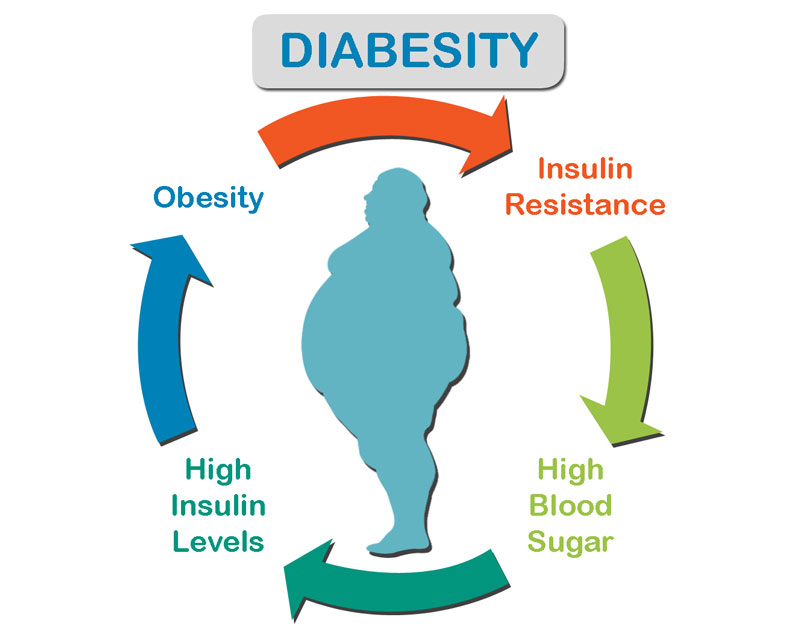
Eating unlimited amounts of the wrong types of carbohydrates is a recipe for Diabesity – and a spectrum of other health issues!


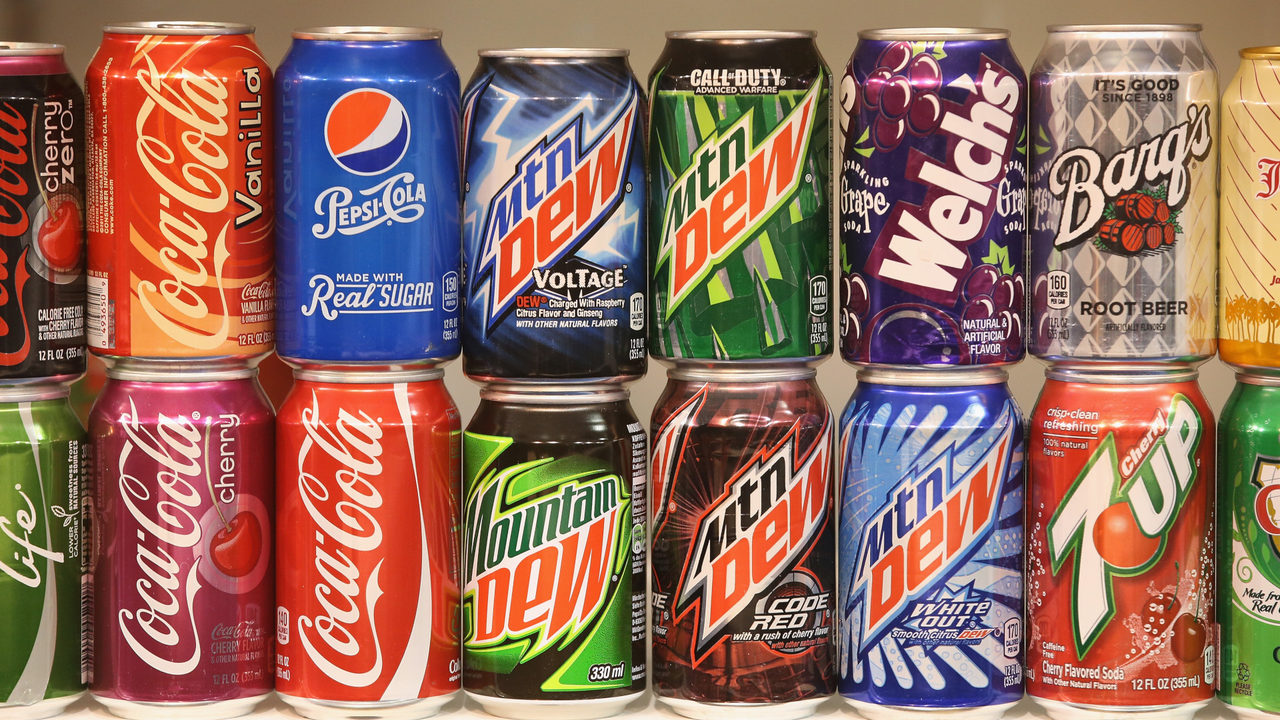
People who regularly consume soft drinks have a higher risk of an early death, researchers have found, with the trend seen for both sugared and artificially sweetened drinks.

While experts say the study cannot prove soft drinks are a driver of an increased risk of death, they say the work – which is the largest study of its kind – supports recent public health efforts to reduce consumption of soft drinks, such as the UK’s sugar tax.

“Our results for sugar-sweetened soft drinks provide further support to limit consumption and to replace them with other healthier beverages, preferably water,” said Dr Neil Murphy, a co-author of the research from the International Agency for Research on Cancer, part of the World Health Organization.

Read More

A recent diet “fad”? – craze has been the increasing popularity of the Carnivore Diet.
I think the reaction of most practitioners like myself who work with patients and provide them with guidance on personalized diets is that the Carnivore Diet is probably extreme and potentially unhealthy. I think most individuals think of plant materials as inherently healthy: vegetables and some fruit content are considered to be part of a healthy diet. The fact does remain however that plants incorporate into their make up anti-nutrients which are designed to help prevent animals from eating them. Giving the GI tract a temporary break from exposure to antinutrients can be very beneficial to some individuals who are dealing with GI inflammation, leaky gut and related conditions.
And this seems to be one of the potential benefits of the Carnivore Diet, and it may in fact prove to be a temporary dietary intervention worth considering for individuals dealing with some of the mentioned GI issues.
This is probably also the case with the Ketogenic Diet: there is still some question as to whether long term adoption of the Low Carb / High Fat diet is beneficial: I think what is key with this type of diet is transitioning into keto adaptation so that one’s metabolism is metabolically flexible so it can easily transition between utilizing the sugar as well as the fat – ketone energy burning pathways.
One of the best sources for patient education about the Low Carb / High Fat (Ketogenic) Diet is the website: DietDoctor.com.
Following is a well balanced – and referenced article on the Carnivore Diet from DietDoctor.com.
One of the key issues regarding the Carnivore Diet at this point in time is the fact that there is very little published research on the topic.
Key considerations / takeaways from my perspective include the following:
– organ meats should be included in any diet as part of a healthy diet- deficiencies such as folate and other micronutrients may result from the long term adoption of the Carnivore Diet- there is some question as to what changes might occur in the microbiome by adopting this type of diet- not all people achieve complete success on a low-carb, high-fat ketogenic diet that is rich in vegetables- anecdotal evidence suggests that the Carnivore Diet may be beneficial in reversing or improving challenging health issues such as Rheumatoid Arthritis, depression, migraines and others- “there is no clear scientific proof” that we need to eat vegetables at all- Dr. Steve Phinney is concerned about potential electrolyte deficiencies in sodium, magnesium and potassium in the carnivore diet


Sinking our teeth into the carnivore diet:what’s known, what’s not


1. Why explore carnivore eating?

2. What to eat

3. Potential benefits

4. Experts weigh in

5. Testimonials and advocates

6. Ancient past

7. Paleomedicina in Hungary

8. Intestinal permeability

9. Colon cancer?

10. My one-month trial
Read More:

https://www.dropbox.com/s/po1ggolimjjq8ej/What%27s%20With%20the%20Carnivore%20Diet.docx?dl=0