Category: Diet

By Rob Lamberton, BSc, FNTP, FDN-P (Candidate)
Product Formulator & Functional Health Consultant
roblamberton.com

🌿 Rediscovering a Forgotten Element

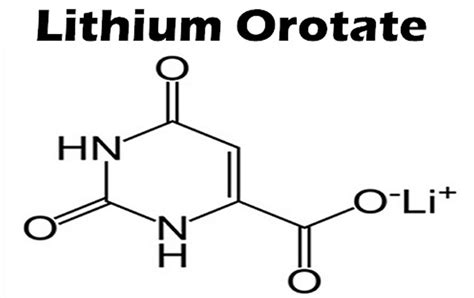
Lithium — one of Earth’s simplest elements — has an unexpectedly profound relationship with human biology. For decades, lithium carbonate (LC) has been prescribed in psychiatry as a potent mood stabilizer. But recent research has reignited interest in a far gentler form: lithium orotate (LO), a micro-dose compound now being explored for its potential neuroprotective and longevity benefits.

A 2025 Nature study from Harvard Medical School revealed a startling finding: brain lithium deficiency correlated with Alzheimer’s-like changes in both human and animal brain tissue. Even more striking, when researchers administered low-dose lithium orotate, it reversed these pathological changes, improved mitochondrial health, and restored memory function in Alzheimer’s-model mice (Aron L et al., Nature, 2025).

This study, along with several human and ecological data sets, is reframing lithium not as a psychiatric drug — but as a trace brain nutrient essential for long-term neurological integrity.


🧬 How Lithium Protects the Brain

At micro levels, lithium interacts with cellular pathways that regulate neuroplasticity, mitochondrial function, and oxidative stress. Its key actions include:

  • GSK-3β modulation, reducing tau phosphorylation and amyloid plaque buildup (major Alzheimer’s mechanisms)
  • Upregulation of BDNF, supporting neurogenesis and synaptic repair
  • Stabilization of neuronal calcium and glutamate signaling, improving stress tolerance and mood regulation
  • Reduction of neuroinflammation, preserving mitochondrial DNA integrity

A landmark 15-month human trial (Nunes MA et al., J Alzheimer’s Dis., 2013) showed that micro-dose lithium stabilized cognition in Alzheimer’s patients versus placebo. Meanwhile, global population studies (Fraiha-Pegado J et al., Nutrients, 2024) show that communities with higher trace lithium levels in drinking water have lower rates of dementia and suicide.

Together, these data suggest that trace lithium plays a subtle but essential neuroprotective role — one that may help safeguard cognitive longevity.


⚖️ Lithium Orotate vs. Lithium Carbonate: The Critical Distinction

While both compounds deliver the same elemental ion (Li⁺), their pharmacology, safety, and intended use differ dramatically.

Lithium Orotate (LO)

  • Available as an over-the-counter supplement
  • Typically delivers ~5 mg elemental Li⁺ per capsule
  • Used at micro-doses for nutritional and neuroprotective support
  • Human data indicate a low toxicity profile at these doses (Murbach TS et al., Regul Toxicol Pharmacol., 2021)

Lithium Carbonate (LC)

  • Prescription medication for bipolar disorder and mood stabilization
  • Provides 100–300 mg elemental Li⁺ daily
  • Requires regular blood-level monitoring
  • Associated with renal and thyroid toxicity during long-term use (Gong R et al., Kidney Int Rep., 2016)

Both provide lithium — but their dose magnitude and biological outcomes are profoundly different. LO functions as a nutritional cofactor, not a pharmaceutical intervention.


⚠️ Safety First

Although LO’s preclinical safety profile is strong, human data remain limited. Practitioners and consumers alike should use it with respect and professional guidance.

Avoid use:

  • During pregnancy or breastfeeding
  • In cases of renal impairment or thyroid disease
  • Alongside diuretics, sedatives, or prescription lithium carbonate

Micro-dosing (1–5 mg elemental Li⁺ daily) appears well-tolerated, but higher doses risk crossing into pharmacologic territory.


💡 Formulator’s Insight

As a Product Formulator & Functional Health Consultant, I view lithium orotate as one of the most promising precision micronutrients in neuro-longevity science.

In properly structured formulas, LO can play a supportive role in mood, focus, and cognitive resilience formulations — especially when synergized with:

  • Adaptogens like Rhodiola rosea and Ashwagandha for HPA-axis balance
  • Nootropics like Bacopa monnieri, L-Theanine, and phosphatidylserine for focus and clarity
  • Mitochondrial nutrients such as CoQ10, Acetyl-L-Carnitine, and PQQ for energy and neuroprotection

In these combinations, LO acts not as a drug but as a trace element catalyst — gently supporting synaptic signaling, mood stability, and mitochondrial repair.

The next evolution in formulation science will integrate compounds like LO within multi-pathway brain health systems that combine adaptogenic, mitochondrial, and genomic support.


🧩 The Future of “Neuro-Longevity”

Lithium orotate represents a bridge between psychiatry and functional medicine — a small molecule with outsized potential for neural preservation and emotional balance.

It may soon join other “longevity micronutrients” such as ergothioneine, nicotinamide riboside, and sulforaphane as part of a new generation of evidence-based, neuroprotective formulations that focus on healthspan rather than disease treatment.


📚 Key References

  1. Aron L, et al. Nature, 2025 — “Brain Lithium Deficiency and Alzheimer’s Pathology.”
  2. Nunes MA, et al. J Alzheimer’s Dis., 2013 — “Microdose Lithium Stabilizes Cognitive Decline.”
  3. Fraiha-Pegado J, et al. Nutrients, 2024 — “Trace Lithium in Water and Dementia Risk.”
  4. Murbach TS, et al. Regul Toxicol Pharmacol., 2021 — “Toxicological Evaluation of Lithium Orotate.”
  5. Gong R, et al. Kidney Int Rep., 2016 — “Lithium and the Kidney.”
  6. Kory P, Substack – The Forgotten Elements, 2025 — “Micro-Lithium and Brain Aging.”

🤝 Work With Me

I collaborate with nutraceutical companies, functional clinics, and longevity brands to develop evidence-based product formulations for cognitive, mood, and mitochondrial health.

If your organization is creating the next generation of nootropic, adaptogenic, or brain-longevity products, let’s connect.

🌐 roblamberton.com

🌿 Rediscovering a Forgotten Element

Lithium — one of Earth’s simplest elements — has an unexpectedly profound relationship with human biology. For decades, lithium carbonate (LC) has been prescribed in psychiatry as a potent mood stabilizer. But recent research has reignited interest in a far gentler form: lithium orotate (LO), a micro-dose compound now being explored for its potential neuroprotective and longevity benefits.

A 2025 Nature study from Harvard Medical School revealed a startling finding: brain lithium deficiency correlated with Alzheimer’s-like changes in both human and animal brain tissue. Even more striking, when researchers administered low-dose lithium orotate, it reversed these pathological changes, improved mitochondrial health, and restored memory function in Alzheimer’s-model mice (Aron L et al., Nature, 2025).

This study, along with several human and ecological data sets, is reframing lithium not as a psychiatric drug — but as a trace brain nutrient essential for long-term neurological integrity.


🧬 How Lithium Protects the Brain

At micro levels, lithium interacts with cellular pathways that regulate neuroplasticity, mitochondrial function, and oxidative stress. Its key actions include:

  • GSK-3β modulation, reducing tau phosphorylation and amyloid plaque buildup (major Alzheimer’s mechanisms)
  • Upregulation of BDNF, supporting neurogenesis and synaptic repair
  • Stabilization of neuronal calcium and glutamate signaling, improving stress tolerance and mood regulation
  • Reduction of neuroinflammation, preserving mitochondrial DNA integrity

A landmark 15-month human trial (Nunes MA et al., J Alzheimer’s Dis., 2013) showed that micro-dose lithium stabilized cognition in Alzheimer’s patients versus placebo. Meanwhile, global population studies (Fraiha-Pegado J et al., Nutrients, 2024) show that communities with higher trace lithium levels in drinking water have lower rates of dementia and suicide.

Together, these data suggest that trace lithium plays a subtle but essential neuroprotective role — one that may help safeguard cognitive longevity.


⚖️ Lithium Orotate vs. Lithium Carbonate: The Critical Distinction

While both compounds deliver the same elemental ion (Li⁺), their pharmacology, safety, and intended use differ dramatically.

Lithium Orotate (LO)

  • Available as an over-the-counter supplement
  • Typically delivers ~5 mg elemental Li⁺ per capsule
  • Used at micro-doses for nutritional and neuroprotective support
  • Human data indicate a low toxicity profile at these doses (Murbach TS et al., Regul Toxicol Pharmacol., 2021)

Lithium Carbonate (LC)

  • Prescription medication for bipolar disorder and mood stabilization
  • Provides 100–300 mg elemental Li⁺ daily
  • Requires regular blood-level monitoring
  • Associated with renal and thyroid toxicity during long-term use (Gong R et al., Kidney Int Rep., 2016)

Both provide lithium — but their dose magnitude and biological outcomes are profoundly different. LO functions as a nutritional cofactor, not a pharmaceutical intervention.

Of Note: Here in Canada, Health Canada does not distinguish between Lithium Orotate and Lithium Carbonate – they consider both to be restricted prescription drugs!


⚠️ Safety First

Although LO’s preclinical safety profile is strong, human data remain limited. Practitioners and consumers alike should use it with respect and professional guidance.

Avoid use:

  • During pregnancy or breastfeeding
  • In cases of renal impairment or thyroid disease
  • Alongside diuretics, sedatives, or prescription lithium carbonate

Micro-dosing (1–5 mg elemental Li⁺ daily) appears well-tolerated, but higher doses risk crossing into pharmacologic territory.


💡 Formulator’s Insight

As a Product Formulator & Functional Health Consultant, I view lithium orotate as one of the most promising precision micronutrients in neuro-longevity science.

In properly structured formulas, LO can play a supportive role in mood, focus, and cognitive resilience formulations — especially when synergized with:

  • Adaptogens like Rhodiola rosea and Ashwagandha for HPA-axis balance
  • Nootropics like Bacopa monnieri, L-Theanine, and phosphatidylserine for focus and clarity
  • Mitochondrial nutrients such as CoQ10, Acetyl-L-Carnitine, and PQQ for energy and neuroprotection

In these combinations, LO acts not as a drug but as a trace element catalyst — gently supporting synaptic signaling, mood stability, and mitochondrial repair.

The next evolution in formulation science will integrate compounds like LO within multi-pathway brain health systems that combine adaptogenic, mitochondrial, and genomic support.


🧩 The Future of “Neuro-Longevity”

Lithium orotate represents a bridge between psychiatry and functional medicine — a small molecule with outsized potential for neural preservation and emotional balance.

It may soon join other “longevity micronutrients” such as ergothioneine, nicotinamide riboside, and sulforaphane as part of a new generation of evidence-based, neuroprotective formulations that focus on healthspan rather than disease treatment.


📚 Key References

  1. Aron L, et al. Nature, 2025 — “Brain Lithium Deficiency and Alzheimer’s Pathology.”
  2. Nunes MA, et al. J Alzheimer’s Dis., 2013 — “Microdose Lithium Stabilizes Cognitive Decline.”
  3. Fraiha-Pegado J, et al. Nutrients, 2024 — “Trace Lithium in Water and Dementia Risk.”
  4. Murbach TS, et al. Regul Toxicol Pharmacol., 2021 — “Toxicological Evaluation of Lithium Orotate.”
  5. Gong R, et al. Kidney Int Rep., 2016 — “Lithium and the Kidney.”
  6. Kory P, Substack – The Forgotten Elements, 2025 — “Micro-Lithium and Brain Aging.”

🤝 Work With Me

I collaborate with nutraceutical companies, functional clinics, and longevity brands to develop evidence-based product formulations for cognitive, mood, and mitochondrial health.

If your organization is creating the next generation of nootropic, adaptogenic, or brain-longevity products, let’s connect.

🌐 roblamberton.com

For years, we heard moderate drinking could benefit the heart. But new research says the risk begins with the first sip (WHO 2022

1. The Evidence

A global analysis of 28 million people found that even one drink daily increases risk for cancer, liver disease, and premature aging. The Canadian 2025 guidelines now classify two drinks per week as “high risk.”

2. Alcohol’s Hidden Sleep Disruption 😴

  • Suppresses melatonin and delays circadian rhythm
  • Reduces REM and deep sleep by 20–40 %
  • Raises cortisol and heart rate overnight
  • Blunts growth hormone and liver detox while you sleep

Poor sleep then worsens hormone balance, mood, and weight regulation — creating a vicious cycle of stress and fatigue.

3. Functional Health Connections

Alcohol → gut permeability → inflammation → oxidative stress → adrenal activation. Together these impair detoxification and mitochondrial function — the foundation of energy and longevity.

4. Practical Steps

  • Experiment with alcohol-free weeks and track sleep with wearables.
  • Support detox with nutrients (glutathione, taurine, B-complex).
  • Use adaptogens or magnesium to relax without the nightcap.

✨ Your sleep is your greatest healer — protect it by reducing the toxic load that starts with “just one drink.”

My Personal Experience

Early in my working career, I was involved in the medical/surgical business and I spent a lot of time sitting in on surgical cases – it was a great education on the power of high tech medicine!

If I was going out for business lunches or dinners with colleagues or clients it was pretty common for everyone to drink!

How times have changed…

How about you? Have you changed your drinking habits based upon the recent research suggesting that no amount of alcohol consumption is safe?


For decades, chronic diseases like diabetes, hypertension, and even cancer were regarded as illnesses of middle or late adulthood. Today, however, the script is flipping—with a striking rise in chronic conditions, notably colorectal cancer, among Millennials (born 1981–1996) and Gen Zers (born 1997–2012).

An Unprecedented Trend: Cancer Rates Are Rising for Young Adults

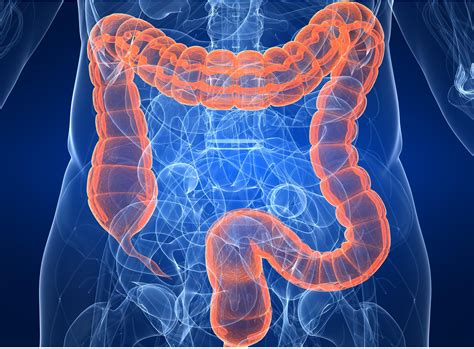
Recent data reveal a surge in colorectal cancer (CRC) diagnoses among adults under 50 worldwide. The American Cancer Society noted that, in 2023, 20% of all CRC diagnoses occurred in patients younger than 55—double what was seen in 1995. Early-onset CRC rates (diagnosed before age 50) are climbing by 2% per year. Even more troubling, these cancers are often detected at more advanced stages, severely impacting survival rates.

  • CRC is now the No. 1 cause of cancer death in men and the No. 2 in women under age 50.
  • Millennials are twice as likely to be diagnosed with colon cancer and four times as likely with rectal cancer as Boomers at the same age.
  • Death rates among those aged 20–24 have jumped by 185% and by 333% for those aged 15–19 over recent decades.

This trend is not limited to the U.S. Studies across Europe and Asia document similar increases, with early-onset gastrointestinal cancers consistently rising among young people.

Hidden Risks, Delayed Diagnoses

One of the greatest challenges facing Millennials and Gen Zers is the misconception that CRC is primarily an “old person’s” disease. Both younger patients and healthcare providers sometimes dismiss early symptoms—like rectal bleeding or changes in bowel habits—as hemorrhoids, diet issues, or stress. As a result:

  • Over 70% of CRC cases in those under 50 are diagnosed at late stages, reducing five-year survival from 90% (stage 1) to 18% (stage 4).
  • Young people often endure more aggressive treatments, face unique fertility and life-stage concerns, and report higher rates of anxiety, sexual dysfunction, and body image issues after diagnosis.

What’s Driving the Surge?

Researchers point to a “perfect storm” of influences fueling this epidemic:

  • Dietary habits: Western diets high in processed foods, red meats, and low in fiber increase risk.
  • Obesity and sedentary lifestyles: Higher rates of obesity and inactivity among young adults are strongly associated with CRC.
  • Alcohol and tobacco use: Both independently raise the risks for CRC and are on the rise among young people.
  • Environmental exposures and ‘bad luck’: Factors like antibiotic use, early-life gut infections (certain E. coli strains), and environmental pollutants are under study for their potential role in increasing risk.
  • Chronic conditions and genetics: Inflammatory bowel diseases, diabetes, and specific hereditary syndromes (like Lynch syndrome) amplify CRC risk, but most new cases are not linked to a known genetic disorder.

Key Symptoms to Watch For

CRC frequently goes unnoticed until advanced stages, particularly when tumors are on the right (ascending) side of the colon. Everyone—no matter their age—should consult a doctor if they experience:

  • Rectal bleeding or blood in the stool/toilet
  • Unexplained changes in bowel habits (diarrhea, constipation lasting 2+ weeks)
  • Oddly shaped stools (black, narrow, thin, or ribbon-like)
  • Abdominal pain or cramping, feeling of incomplete emptying
  • Unexplained weight loss
  • Weakness, fatigue, or chronic anemia

Early Detection and Prevention: What Young Adults Can Do

  1. Know your family history: If a close family member was diagnosed with CRC (especially before age 50), talk to your doctor about starting screening early—often 10 years before the relative’s age at diagnosis.
  2. Screening saves lives: Most guidelines now recommend adults at average risk begin regular screening at 45 (previously 50). Those with risk factors may need to start earlier. Screening options include colonoscopy, stool DNA tests, and—more recently—FDA-approved blood tests for CRC.
  3. Healthy lifestyles: Adopt a diet rich in fiber (aim for 25g/day), minimize red and processed meat, exercise regularly, avoid tobacco, and limit alcohol to recommended amounts.
  4. Pay attention to symptoms: Don’t ignore rectal bleeding or persistent gut changes. If your doctor dismisses symptoms and they persist, seek a second opinion.

Solutions & Hope for the Future

The surge in chronic disease and CRC among Millennials and Gen Z has led to a wave of innovation:

  • Enhanced screening options: less invasive stool- and blood-based tests, increased insurance coverage for screenings starting at 45.
  • Greater patient advocacy: Groups are boosting awareness and lobbying for policy change.
  • Specialized survivorship care: Programs now provide fertility counseling, mental health support, and practical life guidance for young adults facing cancer.

Health Inequities: Not Everyone Faces the Same Risk

Certain groups—including Black, Indigenous, and Hispanic populations—face higher CRC rates and worse outcomes, exacerbated by disparities in healthcare access, economic factors, and mistrust of the medical system. Addressing these inequities is vital for turning the tide on CRC for all young people.

Final Thoughts

Millennials and Gen Z are at the front line of a new health battle. Early-onset colorectal cancer and other chronic diseases are no longer “rare” in young adults. Lifestyle changes, awareness, and vigilance can make a profound difference. Above all: trust your body and, if something doesn’t feel right, push for answers.

More details on this topic and other health topics:

Visit RobLamberton.com


Key Citations:

FDA/Medicare—Blood-Based Colorectal Cancer Screening

Yale Medicine (2024): “Colorectal Cancer: What Millennials and Gen Zers Need to Know”

American Cancer Society, CA Cancer J Clin (2023)

Cancer Research Institute/American Cancer Society (2024-2025)

Exact Sciences (2024): “Colorectal cancer in young people: what millennials and Gen Z need to know now”

NY Post/British Journal of Surgery (2025)

Medicinal Herbs: Rain Forest: Chanca piedra – Stonebreaker

🌿 Chanca Piedra (“Stone Breaker”)—A Natural Ally for Kidney & Gallstones!

Chanca piedra (Phyllanthus niruri) is prized in traditional medicine for supporting kidney, liver, and urinary tract health. Research suggests it may help dissolve kidney and gallstones and promote overall detoxification.

Key Benefits:

✔️ Breaks down stones and reduces stone formation 💦

✔️ Supports liver and kidney function

✔️ Eases urinary tract discomfort

✔️ Acts as a powerful antioxidant 🍃

Synergistic Herbs & Nutrients:

❇️ Hydrangea root: Traditionally used to support the urinary tract

❇️ Dandelion & Milk thistle: Promote liver and kidney detox

❇️ Magnesium: May help prevent stone formation

❇️ Citrate-rich foods (e.g., lemon juice): Support stone dissolution

❇️ Black cumin (Nigella sativa)

❇️ ALA (Alpha-lipoic acid)

❇️ NAC (N-acetylcysteine)

❇️ Celery seed

❇️ D-Mannose

❇️ Potassium citrate

❇️ Magnesium

❇️ Citric Acid

❇️ Also for gallbladder/bile support such compounds as phosphatidylcholine, choline, methionine, glycine, vitamin C, psyllium, curcumin

When combined, these botanicals and nutrients work synergistically to protect against stone buildup and support your body’s natural cleansing processes.

My Personal (anecdotal) experience:

When my elderly cat (she lived to 23!) developed early kidney disease late in life I developed a kidney support formulation for her – based upon some of these ingredinets plus some others and she never had any further problems.

When some friends/contacts developed kidney and gallstones – some medium sized I put them on my Kidney Support formulation and their stones completely dissolved within 6 months! (confirmed with ultrasound)

From a functional perspective, the key would be to help these individuals to make modifications to their lifestyles to ensure that they did not develop stones in the future.

If you’re a nutraceutical brand, healthcare company, or practitioner developing products in these areas, I help design and optimize formulations backed by science, efficacy, and market differentiation.

Let’s collaborate to bring advanced, evidence-informed products to life.

(Source: Rain-Tree.com/chanca.htm)

#naturalhealth #herbalmedicine #rainforestherbs #naturopathicmedicine #functionalmedicine #kidneystones #gallstones #health #HealthForAll #NaturalHealing #SkinHealth #Detox #productformulations #drainage

By Dr. Richard Z. Cheng, M.D., Ph.D.
Editor-in-Chief, Orthomolecular Medicine News Service
Adapted for RobLamberton.com


⚖️ A Landmark Discovery — And the Question It Didn’t Answer

The 2025 Nobel Prize in Medicine celebrated groundbreaking research explaining how our immune system maintains balance. Scientists discovered how regulatory T cells (Tregs) and the FOXP3 gene keep the immune system from attacking its own tissues — a molecular key to understanding tolerance and autoimmunity.

But while this discovery explains how immune balance is maintained, it leaves unanswered the deeper question:

“Why does this balance so often fail — and why now more than ever?”

That’s where Orthomolecular Medicine comes in.


🌿 The Orthomolecular Perspective: Root Cause Healing

Orthomolecular Medicine looks upstream — at what creates the imbalance in the first place.

Modern living constantly disrupts the redox–metabolic networks that regulate immune function. These aren’t random events. They are predictable biochemical consequences of nutrient depletion, oxidative stress, and toxic exposure — all products of our modern environment and lifestyle.


🍞 1️⃣ Diet: The Everyday Immune Saboteur

The Nobel Prize explained that Tregs calm inflammation.
Orthomolecular Medicine adds: a modern diet rich in processed foods, seed oils, and refined carbs silences those protectors.

High blood sugar and oxidative stress push immune cells toward inflammation. In contrast, whole-food, low-carb, antioxidant-rich diets restore balance and produce butyrate, a compound that reactivates FOXP3 — the immune system’s peacekeeper.

✅ Within weeks, better nutrition and movement can restore immune balance at its source — often achieving what billion-dollar drugs attempt to mimic.


☀️ 2️⃣ Micronutrients: The Foundation of Immune Tolerance

  • Vitamin D3 activates the FOXP3 gene through the vitamin D receptor.
  • Vitamin C helps “unmethylate” and stabilize this gene via enzyme activation.
  • Niacin (vitamin B3) and butyrate promote immune tolerance through GPR109A signaling.

When these nutrients are low — as they often are — immune regulation falters.
Replenishing them is not “alternative medicine.” It’s cellular maintenance — the foundation of immune resilience.


☣️ 3️⃣ Toxins & Stress: Breaking Redox Control

Air pollution, pesticides, plastics, and chronic stress generate oxidative injury that suppresses FOXP3 and promotes inflammatory dominance.

This toxic overload is one of the hidden autoimmune triggers of our era.
Orthomolecular detoxification — supporting liver, gut, and mitochondrial function — helps rebuild the redox terrain on which immune balance depends.


💥 The Ten Root Causes of Immune Imbalance

  1. Poor diet and metabolic stress
  2. Micronutrient deficiencies
  3. Environmental toxins
  4. Gut microbiome imbalance
  5. Hormonal dysregulation
  6. Chronic stress
  7. Physical inactivity
  8. Overmedication (polypharmacy)
  9. Epigenetic instability
  10. Early-life nutritional deficits

Across all ten, the common denominator is mitochondrial and redox injury.


🌿 How Orthomolecular Medicine Rebuilds Balance

  • Nutrition first: Real food, balanced carbs, rich in antioxidants
  • Micronutrient repletion: Vitamins C, D3, B3, Zn, Mg, Se
  • Detoxification: Reduce toxins, rebuild glutathione, repair the gut
  • Lifestyle optimization: Movement, sleep, stress recovery, hormone balance

These are not fringe therapies — they are biochemical first aid for the modern world.


💡 The Takeaway

The Nobel scientists revealed how the immune system maintains balance.
Orthomolecular Medicine explains why it fails — and how to restore it.

When we repair the terrain, FOXP3 and Tregs do what evolution designed them to do — keep us in balance naturally.


📖 Learn more at Orthomolecular.org

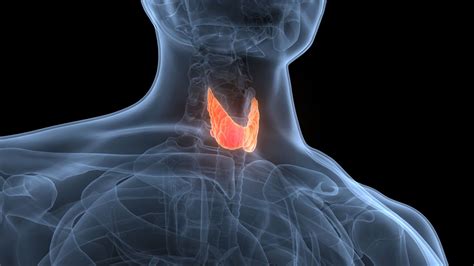
A patient comes in and presents with the following symptoms:

✅ Persistent fatigue or low energy (especially in the morning)
✅ Unexplained weight gain or difficulty losing weight
✅ Cold intolerance (feeling cold when others are comfortable)
✅ Slowed metabolism and low basal body temperature
✅ Puffy face, hands, or feet due to fluid retention
✅ Brain fog, slow thinking, poor concentration
✅ Low mood, mild depression
✅ Constipation or sluggish digestion
✅ Brittle nails or slow nail growth
✅ Muscle weakness
✅ Bradycardia
✅ Hair loss with normal labs

Diagnosis: Hypothyroidism!

Solution: Prescribe them some levothyroxine or desiccated thyroid – right?

Maybe wrong!

There are many causes/conditions that can mimic hypothyroidism such as:

1️⃣ Adrenal Dysregulation (Cortisol Imbalance)
2️⃣ Low Cellular Conversion (Deiodinase Dysfunction)
3️⃣ Chronic Inflammation / Cytokine Load
4️⃣ Mitochondrial Dysfunction
5️⃣ Insulin Resistance & Blood Sugar Dysregulation
6️⃣ Estrogen Dominance or Altered Liver Clearance
7️⃣ Nutrient Deficiencies (Especially Tyrosine, Iodine, Selenium, Iron, and B Vitamins)
8️⃣ Environmental Toxicant Load (Fluoride, Bromide, Heavy Metals)
9️⃣ Gut Dysbiosis and Endotoxin Load
10️⃣ Non-Thyroidal Illness Syndrome (NTIS)

Some key markers to look at:


❇️ Cortisol pattern (DHEA/C ratio)
❇️ Ferritin, zinc, selenium
❇️ Reverse T3
❇️ Inflammatory markers (hs-CRP, IL-6)
❇️ Sex hormone profile
❇️ Nutrient status (B vitamins, tyrosine, iodine)
❇️ Mitochondrial function markers (organic acids, lactate/pyruvate ratio)

If I was working with this patient, I would want to run them through a comprehensive panel of functional labs:

✴️ 24 hour cortisol
✴️ DHEA-S
✴️ Cortisol/DHEA ratio
✴️ Sum Cortisol: DHEA-S
✴️ Testosterone
✴️ Estradiol
✴️ Progesterone
✴️ Progesterone/Estradiol Ratio
✴️ Noon melatonin (Immune system function)
✴️ SIgA
✴️ Indican (protein digestion)
✴️Total bile acids
✴️ 8-OHdG – oxidative damage/ROS
✴️ Zonulin
✴️ Histamine
✴️ DAO (Diamine Oxidase)
✴️Histamine/DAO ratio
✴️ GI-MAP
✴️ Metabolic Typing Diet
✴️ MRT (Mediator Release Test) – food sensitivities

Combined with a detailed intake process, I would then be able to get a true picture of what is going on with this patient and then be able to design a protocol for them to help them to resolve their health issues and improve their quality of life

People are fed up with the “trial and error” approach to trying to get better! They go to their provider and they are told that their labs are within “lab range” and there is nothing wrong with them!

This is where the functional approach becomes so powerful!

If you are in the functional space, have you had similar experiences to this where you have helped patients on the “trial and error” treadmill resolve their health issues?

#healthcare #functionalmedicine #naturopathicmedicine #integrativemedicine #healthspan #nutrition #pharmaceuticals #allopathicmedicine #functionallabs #health #patientcare