Category: Diet

It has been suggested in the literature that consumption in the diet of methionine – an amino acid such as in animal protein may have a negative effect on healthspan and potentially lifespan.

It has also been suggested that dietary restriction (DR) of methionine is a good lifestyle choice for healthy aging.

This presents a problem for those of us that are omnivores and include quality animal protein in our diets.

A suggested solution to this quandary is to consume supplemental glycine, a readily available and inexpensive amino acid.

Following are representative abstracts on these topics.

It is worth noting that with respect to cancer that glycine may stimulate growth so dietary glycine restriction may be of benefit.

Prog Mol Biol Transl Sci. 2014;121:351-76. doi: 10.1016/B978-0-12-800101-1.00011-9.

The impact of dietary methionine restriction on biomarkers of metabolic health.

Orgeron ML1, Stone KP1, Wanders D1, Cortez CC1, Van NT1, Gettys TW1.  

Abstract

Calorie restriction without malnutrition, commonly referred to as dietary restriction (DR), results in a well-documented extension of life span. DR also produces significant, long-lasting improvements in biomarkers of metabolic health that begin to accrue soon after its introduction. The improvements are attributable in part to the effects of DR on energy balance, which limit fat accumulation through reduction in energy intake.

Accumulation of excess body fat occurs when energy intake chronically exceeds the energy costs for growth and maintenance of existing tissue. The resulting obesity promotes the development of insulin resistance, disordered lipid metabolism, and increased expression of inflammatory markers in peripheral tissues. The link between the life-extending effects of DR and adiposity is the subject of an ongoing debate, but it is clear that decreased fat accumulation improves insulin sensitivity and produces beneficial effects on overall metabolic health. Over the last 20 years, dietary methionine restriction (MR) has emerged as a promising DR mimetic because it produces a comparable extension in life span, but surprisingly, does not require food restriction.

Dietary MR also reduces adiposity but does so through a paradoxical increase in both energy intake and expenditure. The increase in energy expenditure fully compensates for increased energy intake and effectively limits fat deposition. Perhaps more importantly, the diet increases metabolic flexibility and overall insulin sensitivity and improves lipid metabolism while decreasing systemic inflammation. In this chapter, we describe recent advances in our understanding of the mechanisms and effects of dietary MR and discuss the remaining obstacles to implementing MR as a treatment for metabolic disease.

KEYWORDS:

Amino acid sensing; Animal models; Dietary protein; Insulin sensitivity; Obesity

Biochemistry/Molecular Biology

Dietary glycine supplementation mimics lifespan extension by dietary methionine restriction in Fisher 344 rats

Joel Brind,Virginia Malloy,Ines Augie,Nicholas Caliendo,Joseph H Vogelman,Jay A. Zimmerman, and Norman Orentreich
Abstract

Dietary methionine (Met) restriction (MR) extends lifespan in rodents by 30–40% and inhibits growth. Since glycine is the vehicle for hepatic clearance of excess Met via glycine N-methyltransferase (GNMT), we hypothesized that dietary glycine supplementation (GS) might produce biochemical and endocrine changes similar to MR and also extend lifespan. Seven-week-old male Fisher 344 rats were fed diets containing 0.43% Met/2.3% glycine (control fed; CF) or 0.43% Met/4%, 8% or 12% glycine until natural death.

In 8% or 12% GS rats, median lifespan increased from 88 weeks (w) to 113 w, and maximum lifespan increased from 91 w to 119 w v CF. Body growth reduction was less dramatic, and not even significant in the 8% GS group. Dose-dependent reductions in several serum markers were also observed. Long-term (50 w) 12% GS resulted in reductions in mean (±SD) fasting glucose (158 ± 13 v 179 ± 46 mg/dL), insulin (0.7 ± 0.4 v 0.8 ± 0.3 ng/mL), IGF-1 (1082 ± 128 v 1407 ± 142 ng/mL) and triglyceride (113 ± 31 v 221 ± 56 mg/dL) levels compared to CF.

Adiponectin, which increases with MR, did not change in GS after 12 w on diet. We propose that more efficient Met clearance via GNMT with GS could be reducing chronic Met toxicity due to rogue methylations from chronic excess methylation capacity or oxidative stress from generation of toxic by-products such as formaldehyde. This project received no outside funding.

Royal jelly from the bee hive has been suggested to provide a range of health benefits to humans: I personally have found it to be of benefit for sleep as well as adrenal support.

Here are some of the suggested health benefits of royal jelly from the website Self Hacked:

Although chemically diverse, royal jelly mostly acts by [R, R]:

  • Fighting microbes and reducing inflammation, mostly via royalisin (10H2DA)
  • Fighting bacteria through jelleines
  • Boosting antioxidant defense, via flavonoids [R]
  • Royal Jelly Boosts Reproductive Health
  • Royal Jelly May Help with Diabetes3) Royal Jelly Reduces Chemotherapy Side Effects
  • Royal Jelly May Improve Mental Health
  • Royal Jelly May Increase Red Blood Cells
  • Royal Jelly Reduces Cholesterol
  • Royal Jelly Reduces Allergies and Th1 Dominance
  • Royal Jelly Assists Wound Healing9) Royal Jelly Boosts Immunity and Fights Infections
  • Royal Jelly Protects the Brain
  • Royal Jelly Boosts Collagen for Skin and Hair Health
  • Royal Jelly May Boost Longevity
  • Royal Jelly Protects Joints
  • Royal Jelly May Protect the Liver
  • Royal Jelly May Fight Tumors

In the following article and related abstract, it is suggested that royal jelly can impact on stem cell vitality:

Researchers at Stanford University found that the main active component in royal jelly, a protein called royalactin, activates a network of genes that bolsters the ability of stem cells to renew themselves. It means that, with royalactin, an organism can produce more stem cells to build and repair itself with.

Here is the article and abstract

Read More

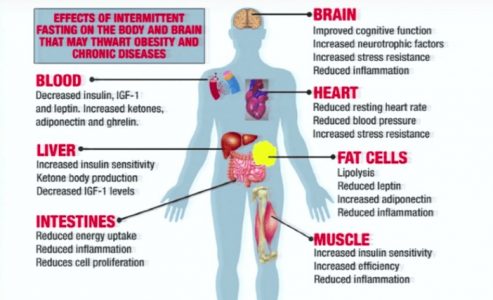
Some recent dietary and eating pattern trends have been shown to have positive benefits on health for many individuals.

The specific trends I am referring to include: low carb diets, intermittent fasting and compressed windows of feeding (such as 8/16 hours: eating during  a period of 8 hours and fasting for 16 hours.)

The following article from Natural News highlights some of the recent studies and health benefits of intermittent fasting.

I am sure many of you may have tried intermittent fasting yourselves and have recommended it to your patients: I certainly count myself in with this group, and I have seen some significant health benefits in some patients.

In the article, it highlights a specific study done at Harvard which was published in the journal Cell Metabolism.

Here is one of the key takeaways from the study:

“Manipulating mitochondrial networks inside cells — either by dietary restriction or by genetic manipulation that mimics it — may increase lifespan and promote health, according to new research from Harvard T.H. Chan School of Public Health.”

Read More

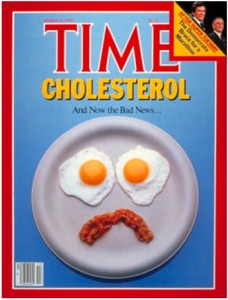
Further published research supports the fact that dietary fat consumption does NOT cause Heart Disease: A recently published meta-analysis (analysis of multiple published studies) supports this. The original research suggesting that dietary (saturated) fat contributed to heart disease fat which is described as the “Diet/Heart (Disease) Hypothesis” was flawed (the original researcher Ancel Keys, selectively chose data results which supported his hypothesis and excluded considerable data which showed it was not true!

Here is a summary on this recent analysis:

New Evidence Reveals that Saturated Fat Does Not Increase the Risk of Cardiovascular Disease

In light of new scientific data, it appears that saturated fat is not associated with an increased risk of cardiovascular disease (CVD).
Andrew Mente Andrew Mente, PhD

Highlights

Assistant Professor, Department of Clinical Epidemiology and Biostatistics, McMaster University

Present evidence suggests that saturated fat does not increase the risk of cardiovascular disease.
No causal relationship has been established between milk products and cardiovascular risk.
Factors associated with an increased risk of coronary heart disease include trans fatty acids and high glycemic-index foods.

Part of the confusion comes from the food and processed oils industry creating misinformation to confuse the general public.

Note the last point in the summary: high glycemic-index foods are carbohydrates/sugars which can be a major contributor to not only heart disease but also diabetes, non-alcoholic fatty liver disease etc. https://www.dairynutrition.ca/…/new-evidence-reveals-that-s…


A key focus in my clinical practice when I am working with clients to help them to optimize their health and resolve health issues is putting together for them a program to help them to be able to reverse their Biological Age.

Chronological vs. Biological Age

Chronological age is your age in years.
 
Biological age, also called physiological or internal age, is a measure of how well or poorly your body is functioning relative to your actual calendar age.
 
This concept would make sense to most individuals: we have all interacted with individuals who seem to be much younger – or older than their age in years.
 
We are able to assess Chronological Age via several methods: I use a technology device when I am working in person with clients which provides a comparison between Biological Age and Chronological Age.

In addition to this technology device, there are a couple of lab tests which provide information related to Biological Age vs. Chronological Age: a test to assess telomere length and health as well as a test to assess methylation function.
 

Telomeres
 
Telomeres can be described as end caps on chromosomes – a similar concept to the plastic tips on shoe laces.
 
As we age and our cells divide multiple times telomeres shorten and the shorter they get the more prone we are to chronic, degenerative disease.
 
Our lifestyle choices and situation can also impact on telomere length, for example eating poor quality food, not sleeping enough, dealing with severe stress and other factors can all have an impact of shortening telomeres.
 
 Methylation
 
Methylation is a biochemical process which happens continuously in our bodies.  As we age, our methylation function deteriorates.
 
A simple explanation of methylation is as follows:
 
“What is methylation? Without getting too technical, methylation is the addition of a single carbon and three hydrogen atoms (called a methyl group) to another molecule. The removal of a methyl group is called demethylation. Think of billions of little on/off switches inside your body that control everything from your stress response and how your body makes energy from food, to your brain chemistry and detoxification. That’s methylation and demethylation”.
 
Reversing Biological Age has the potential to extend Healthspan:
 
Healthspan vs. Lifespan
 
 Lifespan is the number of years we live: Healthspan is the duration of time we live during which we stay healthy – the maintenance of full function as nearly as possible to the end of life.
 
Recent medical advances has continuously extended lifespan, however many individuals spend differing lengths of time towards the ends of their lives dealing with poor quality of life (such as dementia, Alzheimer’s, physical challenges that significantly impact on mobility etc.)

 
Reversing Your Biological Age

If you are interested in finding out how you can reverse your Biological Age and potentially impact on your Healthspan, reach out to me:

Rob Lamberton

Phone: 778-227-4952

Email: Rob@RobLamberton.com

The Dangers of Drinking Sodas

Great article from Organic Lifestyle Magazine on the dangers of drinking soda drinks:

“Soda is proven to be addictive and consumption has been clinically linked to increased blood pressure, high blood sugar, weight gain, kidney disease, heart disease, diabetes, depression, asthma, headaches, ear infections, joint and muscle problems, developmental delays, ADHD, heavy metal toxicity, yeast infections, urinary tract infections, candidiasis, other increased pathogenic activity, increased PMS symptoms, brain damage, liver toxicity, tooth decay, acne, mood swings, decreased fertility in men and women, and so much more!

In other words, drinking soda feeds infections, disrupts the gut microbiome and the metabolic processes, degrades cells, causes chronic illness, exacerbates virtually all chronic illness symptoms, and rapidly ages the body.”

Read More:

https://www.organiclifestylemagazine.com/if-you-drink-soda-its-probably-the-worst-thing-you-do-to-yourself-even-worse-than-smoking