By Rob Lamberton, BSc, FNTP, FDN-P
Functional Medicine Practitioner & Product Formulator
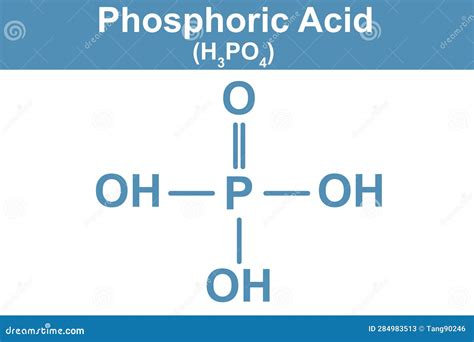
Most people already know that soda isn’t exactly a wellness beverage. But far fewer understand that one particular ingredient — phosphoric acid — may be doing far more harm than the sugar itself.
Used in many cola drinks for its sharp, tangy flavor and as a preservative to inhibit bacterial growth, phosphoric acid has been linked to a range of negative effects on bone, kidney, heart, and dental health.
Let’s look at what the science reveals — and why reducing your exposure could support long-term health and vitality.
🦴 1. Bone Health: The Silent Calcium Drain
Phosphoric acid increases urinary calcium loss, creating a calcium deficit that your body compensates for by drawing calcium from the bones.
Over time, this can lead to bone demineralization, lower bone density, and an elevated risk of osteopenia and osteoporosis — particularly in women.
👉 In the Framingham Osteoporosis Study, women who consumed cola beverages daily had significantly lower bone mineral density compared to non-cola drinkers — even when calcium and vitamin D intake were adequate.
Tucker KL et al., Am J Clin Nutr. 2006;84(4):936–942.
💧 2. Kidney Health: Acid Load and Stone Formation
Phosphoric acid contributes to urine acidification, which can promote the formation of uric acid and phosphate-based kidney stones.
Excess dietary phosphate may also cause renal tubular injury and accelerate renal aging and fibrosis, even in those without existing kidney disease.
Sullivan CM et al., Clin J Am Soc Nephrol. 2017;12(12):2034–2043.
For individuals with reduced kidney function or metabolic issues, this acid load can further compromise the body’s ability to regulate phosphate balance.
❤️ 3. Cardiovascular Impact: Accelerated Vascular Aging
Elevated serum phosphate levels have been associated with vascular calcification, arterial stiffness, and endothelial dysfunction — all precursors to cardiovascular disease.
Even modest increases in phosphate within the high-normal range are linked to greater all-cause and cardiovascular mortality.
Ellam TJ, Chico TJ. Clin Sci (Lond). 2012;122(10):397–407.
Essentially, excessive phosphate may “age” the arteries from the inside out, contributing to premature cardiovascular decline.
😬 4. Dental Health: Erosion Without Sugar
Sugar isn’t the only dental villain. Phosphoric acid is highly erosive to tooth enamel, stripping away minerals that protect against decay.
Even sugar-free sodas can degrade enamel due to their acidity. Over time, this leads to tooth sensitivity, cavities, and enamel thinning.
Barbosa CS et al., J Clin Pediatr Dent. 2020;44(1):22–26.
⚖️ 5. Acid-Base Imbalance and Mineral Depletion
Your body works hard to maintain a stable pH balance. Regular consumption of acidic beverages like soda can lead to low-grade metabolic acidosis, prompting the body to buffer acid by drawing alkaline minerals such as calcium and magnesium from bones and muscles.
This process can contribute to mineral depletion, fatigue, and musculoskeletal discomfort over time.
Bushinsky DA, J Nephrol. 2017;30(2):215–221.
🍭 6. Nutrient Displacement and Metabolic Stress
Every can of soda replaces a more nourishing beverage such as water, mineral water, or herbal tea. The result is reduced intake of key nutrients — and an increase in sugar, caffeine, and phosphate, which together amplify insulin resistance, metabolic syndrome, and weight gain.
Vartanian LR et al., Am J Public Health. 2007;97(4):667–675.
💡 The Takeaway
Phosphoric acid isn’t just a flavor enhancer — it’s a biochemically active compound with real physiological effects.
Even diet sodas, though free from sugar, can still:
✅ Weaken bones
✅ Stress kidneys
✅ Promote vascular calcification
✅ Erode dental enamel
Over time, these effects add up, contributing to premature aging of multiple organ systems.
If you’re looking to protect your long-term health and longevity, start by replacing soda with health-promoting alternatives:
💧 Mineral-rich sparkling water
🍋 Water with lemon or trace minerals
🌿 Herbal infusions or adaptogenic teas
Your bones, kidneys, teeth, and heart will thank you.
📚 References
- Tucker KL, et al. Colas, but not other carbonated beverages, are associated with low bone mineral density in older women. Am J Clin Nutr. 2006;84(4):936–942.
- Sullivan CM, et al. Phosphate toxicity in chronic kidney disease: new insights. Clin J Am Soc Nephrol. 2017;12(12):2034–2043.
- Ellam TJ, Chico TJ. Phosphate: the silent killer? Clin Sci (Lond). 2012;122(10):397–407.
- Barbosa CS, et al. Dental enamel erosion by acidic soft drinks: an in vitro study. J Clin Pediatr Dent. 2020;44(1):22–26.
- Bushinsky DA. Acid-base imbalance and bone disease. J Nephrol. 2017;30(2):215–221.
- Vartanian LR, et al. Effects of soft drink consumption on nutrition and health: a systematic review and meta-analysis. Am J Public Health. 2007;97(4):667–675.
✳️ About Rob Lamberton
Rob Lamberton, BSc, FNTP, FDN-P, is a Functional Medicine Practitioner, Health Consultant, and Product Formulator specializing in longevity and regenerative health solutions.
Through his work, Rob helps individuals and health companies develop science-based strategies that optimize human performance and healthspan.
👉 Learn more at www.roblamberton.com