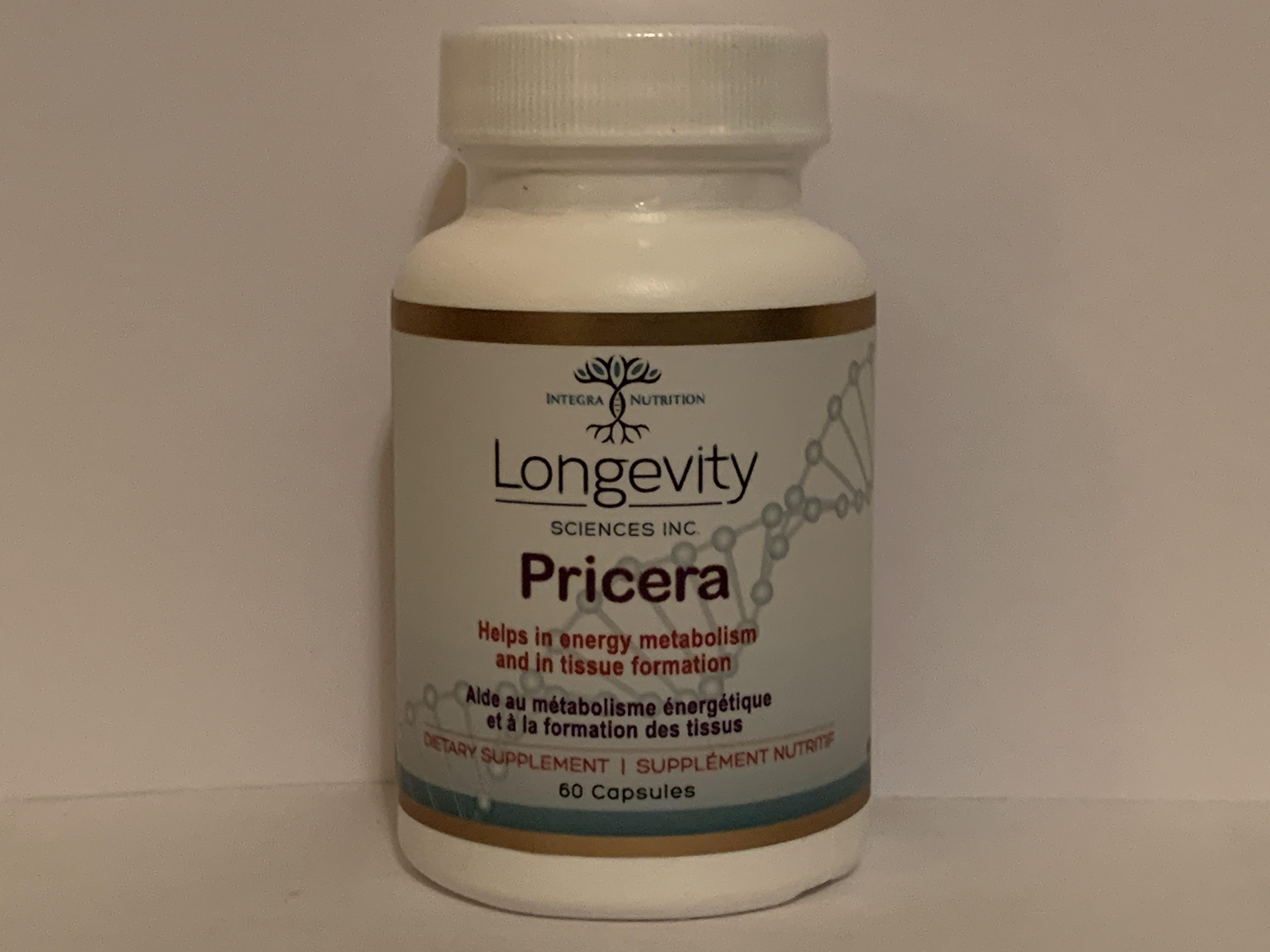
Pricera our NAD+ precursor formulation is now available!
Why maintaining optimal NAD+ levels as we age is critical to our quality of life, healthspan and potentially lifespan
I wanted to share with you today why I believe that maintaining optimal NAD+ levels is critical for healthy aging, extending healthspan – and potentially lifespan (as has been shown in animal studies).
“In my opinion, NAD therapy will turn out to be one of the greatest advances in medical science since Fleming developed penicillin”.
Dr. Phil Milgram, MD
NAD+ levels decrease with age:
People aged 50 have about 40% less NAD+
By the age of 80 years, NAD+ levels decline between 90-98%
NAD+ and the Sirtuin Longevity Genes
Optimal NAD+ levels are critical for the activation of the Sirtuin longevity genes.
Limited Sirtuin longevity gene activity can lead to an acceleration of the aging process: one example of this is vascular aging.
Vascular aging is responsible for a constellation of disorders, such as cardiac and neurologic conditions, muscle loss, impaired wound healing and overall frailty, amongst others.
Multiple animal studies have demonstrated that increasing sirtuin activity leads to:
•Longer life •Less age-related loss of function •Less DNA damage
NAD+ maintains and builds sirtuin levels and activity
Exercise Performance
Another impressive benefit of optimizing NAD+ levels is in the area of exercise:
In a mouse study, the cohort which was supplemented to optimize NAD+ levels it increased their exercise capacity between 56 and 80 percent, compared with untreated mice.
David Sinclair, PhD commented about the results of this study:
“Even if you’re an athlete, you eventually decline,” Sinclair said. “But there is another category of people—what about those who are in a wheelchair or those with otherwise reduced mobility?”
In another study involving elderly men, supplementation with an NAD+ precursor resulted in improved exercise performance:
The men in this study had an 8% improvement in peak isometric muscle torque (a measure of muscle force) and a 15% improvement in fatigue associated with exercise.
Other Research Highlights:
• Boosting NAD+ biosynthesis by using key NAD+ intermediates is now drawing significant attention for: Alzheimer’s/Type 2 Diabetes/Heart Failure/ Hearing Loss • NAD+ precursors have been shown to increase stem cell colonies by 75% in the gut of aging mice • Other studies point to the role of NAD+ in restoring circadian rhythms needed for restorative sleep • SirT1 overexpression protects against Alzheimer’s and Huntington’s disease as well as ALS
Low NAD+ Levels Can Contribute to the Following:
•Accelerates aging •Increases sunburn and skin cancer •Decreases cellular antioxidants •Decreases metabolism along with thyroid hormones •Harms immune function •Increases inflammation •Impairs brain function •Can cause hypoxia intracellularly •Associated with Chronic Fatigue Syndrome •May worsen weight gain and metabolic syndrome •May worsen cardiovascular diseases May contribute to MS (multiple sclerosis)
Why Is It Important to Increase NAD+ Levels?
General Benefits
•Low NAD+ levels can accelerate the aging process •NAD+ is vital for mitochondrial health •NAD+ plays a key role in cellular metabolism and energy production •NAD+ is a rate-limiting co-substrate for sirtuins •High NAD+ levels are essential for DNA repair and recovery •NAD+ activates CD38, which is present on many immune cells (white blood cells) and associated with impaired immune responses. •Enhances autophagy •Helps maintain redox potential
Specific Conditions
•Positive impact on the Diabesity Spectrum •Low NAD+ levels may worsen cardiovascular diseases •Low NAD+ levels may increase inflammation
In my opinion, you cannot age well and extend healthspan without addressing and maximizing NAD+ levels, especially with older patients.
For more information about Pricera or where you can get some reach out to me.
In our continuing series on compounds that can have a positive
impact on prevention of viral infections as well as improving response to
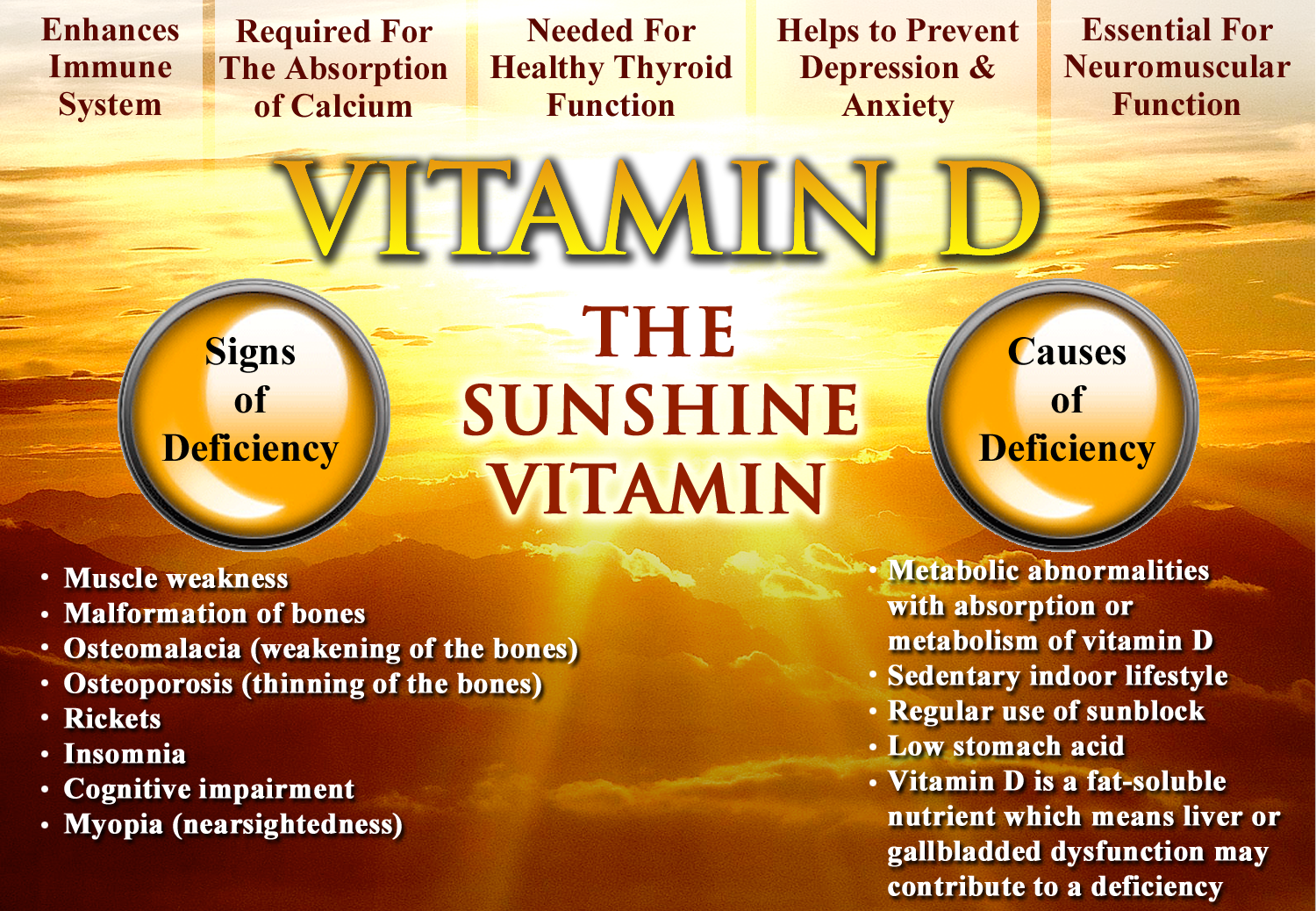
infections today I want to highlight Vitamin D.
Vitamin D not only acts as a vitamin but also as a prohormone and
it influences hundreds of biochemical processes in human physiology.
Following is a press release from the Orthomolecular Medicine News
Service which provides details on how Vitamin D could reduce the risk of
influenza and COVID-19 infection and death.
(OMNS Apr 9,
2020) There are two main reasons why respiratory tract infections such as
influenza and COVID-19 occur in winter: winter sun and weather and low vitamin
D status. Many viruses live longer outside the body when sunlight, temperature,
and humidity levels are low as they are in winter [1].Vitamin D is an important component of the
body’s immune system, and it is low in winter due to low solar ultraviolet-B
(UVB) doses from exposure and the low supplement intakes of most. While nothing
can be done about winter sun and weather, vitamin D status can be raised
through vitamin D supplements.
Vitamin D has
several mechanisms that can reduce risk of infections [2]. Important mechanisms regarding respiratory
tract infections include:
inducing production of cathelicidins and defensins that can lower viral survival and replication rates as well as reduce risk of bacterial infection
reducing the cytokine storm that causes inflammation and damage to the lining of the lungs that can lead to pneumonia and acute respiratory distress syndrome.
Vitamin D deficiency has been found to contribute to acute respiratory distress syndrome, a major cause of death associated with COVID-19 [3]. An analysis of case-fatality rates in 12 U.S. communities during the 1918-1919 influenza pandemic found that communities in the sunny south and west had much lower case-fatality rates (generally from pneumonia) than those in the darker northeast [4].
Today I want to share with you an article from the Hormones Matter website written by Chandler Marrs, PhD
The article focuses on the fact that many individuals are consuming Metformin considering it to be a magical anti-aging drug.
I am in agreement with Chandra in that personally I have have never been a fan.
There are several considerations for myself as to why I feel this way which she talks about in this article, such as deficiencies that can develop, negative effects on mitochondrial function and a potential negative impact on exercise performance.
I would suggest that berberine provides many of the same benefits as Metformin as well as some such as CV benefits that Metformin does not provide – and berberine does not have any of the same negative effects vs. Metformin.
Following is Chandler’s article
I have never been a fan of Metformin. It seemed too good to be true. Many years ago I had a conversation with a researcher about all of its possible therapeutic indications. His lab was actively pursuing the anti-cancer angle. That should have been a clue that Metformin might be causing more damage than we recognized, but it wasn’t. At that point, I was still enamored with the wonders of pharmacology and hadn’t yet begun my path toward understanding medication adverse reactions. Indeed, it wasn’t until very recently, when a family member began suffering from one of these reactions, that I began my investigation in full. This is what I learned.
This article was based upon a published study done at Washington State University and published in The Lancet Diabetes & Endocrinology – the citation is included at the end of this article.
” Due to its phenolic structure BPA has been shown to interact with estrogen receptors and to act as agonist or antagonist via estrogen receptor (ER) dependent signalling pathways. Therefore, BPA has been shown to play a role in the pathogenesis of several endocrine disorders including female and male infertility, precocious puberty, hormone dependent tumours such as breast and prostate cancer and several metabolic disorders including polycystic ovary syndrome (PCOS)”
Due to the prevalence of exposure to BPA in our environment – as well as other chemicals and heavy metals periodic monitoring and supervised detox programs to clear out this toxin load are serious considerations for optimizing health and potentially extending healthspan.
Summary:
Researchers have developed a more accurate method of measuring bisphenol A (BPA) levels in humans and found that exposure to the endocrine-disrupting chemical is far higher than previously assumed. The study provides the first evidence that the measurements relied upon by regulatory agencies, including the US Food and Drug Administration, are flawed, underestimating exposure levels by as much as 44 times. Researchers have developed a more accurate method of measuring bisphenol A (BPA) levels in humans and found that exposure to the endocrine-disrupting chemical is far higher than previously assumed.
The study, published in the journal The Lancet Diabetes & Endocrinology
on Dec. 5, provides the first evidence that the measurements relied
upon by regulatory agencies, including the U.S. Food and Drug
Administration, are flawed, underestimating exposure levels by as much
as 44 times.
“This study raises serious concerns about
whether we’ve been careful enough about the safety of this chemical,”
said Patricia Hunt, Washington State University professor and
corresponding author on the paper. “What it comes down to is that the
conclusions federal agencies have come to about how to regulate BPA may
have been based on inaccurate measurements.”
BPA can be found in a wide range of
plastics, including food and drink containers, and animal studies have
shown that it can interfere with the body’s hormones. In particular,
fetal exposure to BPA has been linked to problems with growth,
metabolism, behavior, fertility and even greater cancer risk.
Despite this experimental evidence, the
FDA has evaluated data from studies measuring BPA in human urine and
determined that human exposure to the chemical is at very low, and
therefore, safe levels. This paper challenges that assumption and raises
questions about other chemicals, including BPA replacements, that are
also assessed using indirect methods.
Hunt’s colleague, Roy Gerona, assistant
professor at University of California, San Francisco, developed a direct
way of measuring BPA that more accurately accounts for BPA metabolites,
the compounds that are created as the chemical passes through the human
body.
Previously, most studies had to rely on
an indirect process to measure BPA metabolites, using an enzyme solution
made from a snail to transform the metabolites back into whole BPA,
which could then be measured.
Gerona’s new method is able to directly measure the BPA metabolites themselves without using the enzyme solution.
In this study, a research team comprised
of Gerona, Hunt and Fredrick vom Saal of University of Missouri compared
the two methods, first with synthetic urine spiked with BPA and then
with 39 human samples. They found much higher levels of BPA using the
direct method, as much as 44 times the mean reported by the National
Health and Nutrition Examination Survey (NHANES). The disparity between
the two methods increased with more BPA exposure: the greater the
exposure the more the previous method missed.
Gerona, the first author on the paper, said more replication is needed.
“I hope this study will bring attention
to the methodology used to measure BPA, and that other experts and labs
will take a closer look at and assess independently what is happening,”
he said.
The research team is conducting further
experiments into BPA measurement as well as other chemicals that may
also have been measured in this manner, a category that includes
environmental phenols such as parabens, benzophenone, triclosan found in
some cosmetics and soaps, and phthalates found in many consumer
products including toys, food packaging and personal care products.
“BPA is still being measured indirectly
through NHANES, and it’s not the only endocrine-disrupting chemical
being measured this way,” Gerona said. “Our hypothesis now is that if
this is true for BPA, it could be true for all the other chemicals that
are measured indirectly.”
This study was supported by grants from the National Institutes of Health.
Roy Gerona, Frederick S vom Saal, Patricia A Hunt. BPA: have flawed analytical techniques compromised risk assessments?The Lancet Diabetes & Endocrinology, 2019; DOI: 10.1016/S2213-8587(19)30381-X
Bisphenol A (BPA) belongs to chemicals
that are produced in large quantities worldwide. It is commonly used as
monomer in polycarbonate synthesis, plasticizer in the production of
epoxy resins, as well as an additive for the elimination of surfeit of
hydrochloric acid during the polyvinyl chloride (PVC) production. BPA is
not only used in the production of plastics intended to a direct
contact with food, including plastic packaging and kitchenware, but also
in inner coatings of cans and jar caps. There are various routes of
human exposure to this substance such as oral, by inhalation and
transdermal. The main sources of exposure to BPA include food packaging
and dust, dental materials, healthcare equipment, thermal paper, toys
and articles for children and infants. BPA is metabolized in the liver
to form bisphenol A glucuronide and mostly in this form is excreted with
urine. Due to its phenolic structure BPA has been shown to interact
with estrogen receptors and to act as agonist or antagonist via estrogen
receptor (ER) dependent signalling pathways. Therefore, BPA has been
shown to play a role in the pathogenesis of several endocrine disorders
including female and male infertility, precocious puberty, hormone
dependent tumours such as breast and prostate cancer and several
metabolic disorders including polycystic ovary syndrome (PCOS).
Because of the constant, daily exposure and its tendency to
bio-accumulation, BPA seems to require special attention such as
biomonitoring. This observation should include clinical tests of BPA
concentration in the urine, which is not only one of the best methods of
evaluation of the exposure to this compound, but also the dependence of
the daily intake of BPA and the risk of some endocrine disorders.
PMID: 25813067
We all know that when necessary taking antibiotics can be very beneficial – and in fact it can even save peoples’ lives.
There are of course negative side effects associated with the consumption of antibiotics, one of the key ones being disruption of the microbiome.
Following is an article from Science Daily on some research coming out of the University of British Columbia in Canada suggesting that common antibiotics may cause heart problems.
Following is the story.
Source: University of British Columbia
Summary: Scientists have shown for the first time a link between two types of heart problems and one of the most commonly prescribed classes of antibiotics. Share:
Scientists have shown for the first
time a link between two types of heart problems and one of the most
commonly prescribed classes of antibiotics.
In a study published today in the Journal of the American College of Cardiology,
researchers at the University of British Columbia (UBC) in partnership
with the Provincial Health Services Authority’s (PHSA) Therapeutic
Evaluation Unit found that current users of fluoroquinolone antibiotics,
such as Ciprofloxacin or Cipro, face a 2.4 times greater risk of
developing aortic and mitral regurgitation, where the blood backflows
into the heart, compared to patients who take amoxicillin, a different
type of antibiotic. The greatest risk is within 30 days of use.
Recent studies have also linked the same class of antibiotics to other heart problems.
Some physicians favour fluoroquinolones over other antibiotics for
their broad spectrum of antibacterial activity and high oral absorption,
which is as effective as intravenous, or IV, treatment.
“You can send patients home with a once-a-day pill,” said Mahyar
Etminan, lead author and associate professor of ophthalmology and visual
sciences in the faculty of medicine at UBC. “This class of antibiotics
is very convenient, but for the majority of cases, especially
community-related infections, they’re not really needed. The
inappropriate prescribing may cause both antibiotic resistance as well
as serious heart problems.”
The researchers hope their study helps inform the public and
physicians that if patients present with cardiac issues, where no other
cause has been discovered, fluoroquinolone antibiotics could potentially
be a cause.
“One of the key objectives of the Therapeutic Evaluation Unit is to
evaluate different drugs and health technologies to determine whether
they enhance the quality of care delivered by our programs or improve
patient outcomes,” said Dr. Bruce Carleton, director of the unit and
research investigator at BC Children’s Hospital, a program of PHSA.
“This study highlights the need to be thoughtful when prescribing
antibiotics, which can sometimes cause harm. As a result of this work,
we will continue working with the BC Antimicrobial Stewardship Committee
to ensure the appropriate prescribing of this class of antibiotics to
patients across British Columbia, and reduce inappropriate prescribing.”
For the study, scientists analyzed data from the U.S. Food and Drug
Administration’s adverse reporting system. They also analyzed a massive
private insurance health claims database in the U.S. that captures
demographics, drug identification, dose prescribed and treatment
duration. Researchers identified 12,505 cases of valvular regurgitation
with 125,020 case-control subjects in a random sample of more than nine
million patients. They defined current fluoroquinolone exposure as an
active prescription or 30 days prior to the adverse event, recent
exposure as within days 31 to 60, and past exposure as within 61 to 365
days prior to an incident. Scientists compared fluoroquinolone use with
amoxicillin and azithromycin.
The results showed that the risk of aortic and mitral regurgitation,
blood backflow into the heart, is highest with current use, followed by
recent use. They saw no increased risk aortic and mitral regurgitation
with past use.
Etminan hopes that if other studies confirm these findings,
regulatory agencies would add the risk of aortic and mitral
regurgitation to their alerts as potential side effects and that the
results would prompt physicians to use other classes of antibiotics as
the first line of defense for uncomplicated infections.
This study was funded and conducted by the department of
ophthalmology and the Therapeutic Evaluation Unit at the Provincial
Health Services Authority.
Fasting in its many forms can provide profound beneficial health benefits.
Following is an article on this topic authored by Dr. Dan Pompa which provides a good overview.
Regards,
Robert (Rob) Lamberton
Fasting is a very old ritual to boost health that is found in religions all over the world and is rooted in natural ancestral cycles of feast and famine. Before we had grocery stores, restaurants, and even food delivery services- there were often times with very little to no food. Following times of famine, there was an abundance of food (following a successful harvest, forage, or hunt). Even animal wisdom harnesses the power of fasting- like dogs, that will intuitively stop eating when they are sick. More and more studies are emerging on the incredible benefits that fasting can have, on not only for health but also suggesting a boost in longevity.
Fasting diets
have nothing to do with WHAT or HOW MUCH you eat, but WHEN you eat.
Intermittent fasting (or IF) is the art of restricted time eating, so instead
of counting calories or restricting what types of foods you eat- the entire
“diet” relies on when you do, and don’t eat.
Recent Research on Fasting
Have Your Cake And Eat It Too: Boost Health
and Longevity Not By Changing What You Eat, But When You
Eat.
Intermittent Fasting Research
Although Intermittent Fasting to boost health has gained
popularity in more recent years, its wisdom dates back to our ancestors from
the stone age. Apart from periods of feast and famine, our ancestors’ lives
were also heavily dictated by the rising and setting of the sun; activities
like eating naturally happened during day time. Our exposure to light, food,
and movement are the main tenets that inform and program our circadian rhythm.
This internal rhythm influences everything from sleep-wake cycles, hormone
release, eating habits and digestion, body temperature, and other important
bodily functions.1 Intermittent fasting plays a role in giving the
body an adequate period of rest from digestion, enabling it to not only heal-
but thrive.
Research on Fasting is Extensive
Many of the
studies regarding fasting to boost health and longevity have been done on
animals. However, these studies suggest promising effects on metabolic
functions, health, and lifespan for humans. Although there are many variables,
Rafael deCabo, a scientist at the National Institute on Aging and the
study’s lead author explains that;
“in the absence of
calorie restriction, and independent of diet composition, fasting mice do
better than non-fasting”.2
Boost Health! The ever-increasing research
regarding fasting suggests some incredible health and longevity benefits
including:
Autophagy
A boost in stem cells
Boost in ketones
Hormone optimization
Increased insulin sensitivity
Reset of the microbiome
Reset of the DNA (gene code)
Decrease in inflammation
A decrease in oxidative stress
Reduced instances of chronic disease and obesity
Protection against unusual deterioration of cognitive function
Fat loss
Cancer prevention
Promotion of better sleep
More satiety/ reduced hunger
Although benefits
are often examined as individual points, they are in fact very much intertwined
to promote overall longevity. One of the main ways IF leads to longevity is
“multi-system regeneration,” which fasting researcher Dr. Valter Longo explains
occurs during the presence of ketones in the blood. The autophagy process that
happens during a fasting period breaks down weak and damaged cells, which are
then replaced with new stem cells after food is reintroduced.
“You get rid of
the junk during starvation — and once you have food, you can rebuild… The
damaged cells are replaced with new cells, working cells — and now the system
starts working properly.”
Research on Fasting: Health and Longevity
All these
benefits suggest a direct link between fasting and longevity, although
conducting a clinical longevity study in humans is unfeasible at the moment,
for would cost “a hundred million dollars or more,” according to Longo. “But if
you look at the data from our trial … it would be hard to see how they would
not live longer.”
Dr. Valter Longo
and Dr. Satchin Panda’s study demonstrated that a 12-hour feeding window
reduced blood cholesterol, fasting blood sugar, body weight, body fat,
inflammation, and dysbiosis, and increased energy expenditure, motor control,
endurance, sleep, and cardiac function.3 Their study examined the
intricate relationship between time-restricted feeding (IF), circadian health,
and ultimately concluded that simply limiting your eating window to a minimum
of 12 hours reduces biological age irrelevant of any dietary changes! Indeed,
their study suggests that you can have your cake and eat it too… so long as you
do so within your eating window.
Research on Fasting: How To Do It
There are many
different fasting styles that range from multiple days water-only fasts, to
bone broth fasts, to alternate day fasting… but intermittent fasting itself is
conceptually incredibly simple: engage in a particular restricted eating
window, preferably rooted in 2 meals (and no snacking). This might seem not too
far off from your current habits, but studies show the average American eats
17-21 times a day! This is detrimental to our health and longevity.
Classic Intermittent Fasting: The Eating
Window
The key is,
aforementioned, restricting your eating window. The science suggests a very minimum
of 12 hours to see any benefits, so if you have no experience fasting- start
there. If you eat your first meal at 8 am, no food (or beverage other than
plain water) after 8 pm.4 From there, extend the fasting window to
ideally (at least) 16 hours. Whether you decide to skip breakfast or dinner is
completely personal, find what works best for your schedule and which option is
more sustainable over the long run. A 2018 study comparing a 12-hour feeding
window to an 8-hour feeding window demonstrated that although both groups lost
weight, those in the 8-hour feeding window group dramatically lower insulin
levels, improved insulin sensitivity, and significantly lower blood pressure in
only five weeks.5
Research on Fasting: One Meal a Day
“One meal a day”
(or OMAD) is an extreme version of intermittent fasting. An individual shortens
their eating window to essentially the duration of one single meal. The
benefits of this technique essentially amplify all the aforementioned benefits
of a 16/8 IF protocol. OMAD gives the body even more time in this resting
(vs. digesting) state. OMAD is not, however, for everyone- nor should it be the
goal. Consuming one meal a day can be more taxing on the adrenal system. OMAD
could even induce more detoxification than an individual can handle at once.
Like any type of
good stress (exercise, sauna, cold therapy), the adrenals and overall system
need to be strong enough to withstand the short term stressor. Ease into
intermittent fasting at your own pace, and always listen to your body. A great
way to transition into it and/ or reboot your system is to take part in the
5-day Fasting Mimicking Diet™.
Research on Fasting to Boost Health and
Longevity: The Fasting Mimicking DietTM
Fasting for health and longevity can be a daunting endeavor for someone who is used to eating 3+ meals a day their entire lives, and this is where the fasting mimicking diet comes in. Fasting expert and researcher Dr. Valter Longo created the Fasting Mimicking Diet program that mimics the benefits of a fasting protocol, combining both the benefits of intermittent fasting and a longer term fast (through caloric restriction). Prolon® takes out the guesswork but providing clients with all their meals for a 5 day period. Longo is the Director of both the Longevity Institute at the University of Southern California and The Program on Longevity and Cancer at IFOM in Milan, and his clinical study demonstrated remarkable benefits that fasting has to offer in just 5 days (repeated for 3 months):
Promote stem cell-based renewal in the body
Decrease excess body fat while preserving lean muscle mass
Maintain healthy levels of blood glucose, cholesterol, & blood pressure
Decreased hormone IGF-1 (which has been implicated with aging and disease)6
We suggest using
this fasting
mimicking diet to boost health if you are completely new to fasting
or are trying to break destructive eating patterns! This can be a bridge to
continue on with regular Intermittent Fasting thereafter!
References
Longo, Valter D., and Satchidananda Panda. “Fasting, Circadian Rhythms, and Time-Restricted Feeding in Healthy Lifespan.” Cell Metabolism, vol. 23, no. 6, 2016, pp. 1048–1059., doi:10.1016/j.cmet.2016.06.001.
Mitchell, Sarah J., et al. “Daily Fasting Improves Health and Survival in Male Mice Independent of Diet Composition and Calories.” Cell Metabolism, vol. 29, no. 1, Jan. 2019, doi:10.1016/j.cmet.2018.08.011
Sutton, Elizabeth F., et al. “Early Time-Restricted Feeding Improves Insulin Sensitivity, Blood Pressure, and Oxidative Stress Even without Weight Loss in Men with Prediabetes.” Cell Metabolism, vol. 27, no. 6, 2018, doi:10.1016/j.cmet.2018.04.010.
Wei, Min, et al. “Fasting-Mimicking Diet and Markers/Risk Factors for Aging, Diabetes, Cancer, and Cardiovascular Disease.” Science Translational Medicine, vol. 9, no. 377, 2017, doi:10.1126/scitranslmed.aai8700.