Category: Brain Health / Conditions

For years, we heard moderate drinking could benefit the heart. But new research says the risk begins with the first sip (WHO 2022

1. The Evidence

A global analysis of 28 million people found that even one drink daily increases risk for cancer, liver disease, and premature aging. The Canadian 2025 guidelines now classify two drinks per week as “high risk.”

2. Alcohol’s Hidden Sleep Disruption 😴

  • Suppresses melatonin and delays circadian rhythm
  • Reduces REM and deep sleep by 20–40 %
  • Raises cortisol and heart rate overnight
  • Blunts growth hormone and liver detox while you sleep

Poor sleep then worsens hormone balance, mood, and weight regulation — creating a vicious cycle of stress and fatigue.

3. Functional Health Connections

Alcohol → gut permeability → inflammation → oxidative stress → adrenal activation. Together these impair detoxification and mitochondrial function — the foundation of energy and longevity.

4. Practical Steps

  • Experiment with alcohol-free weeks and track sleep with wearables.
  • Support detox with nutrients (glutathione, taurine, B-complex).
  • Use adaptogens or magnesium to relax without the nightcap.

✨ Your sleep is your greatest healer — protect it by reducing the toxic load that starts with “just one drink.”

My Personal Experience

Early in my working career, I was involved in the medical/surgical business and I spent a lot of time sitting in on surgical cases – it was a great education on the power of high tech medicine!

If I was going out for business lunches or dinners with colleagues or clients it was pretty common for everyone to drink!

How times have changed…

How about you? Have you changed your drinking habits based upon the recent research suggesting that no amount of alcohol consumption is safe?

Overview

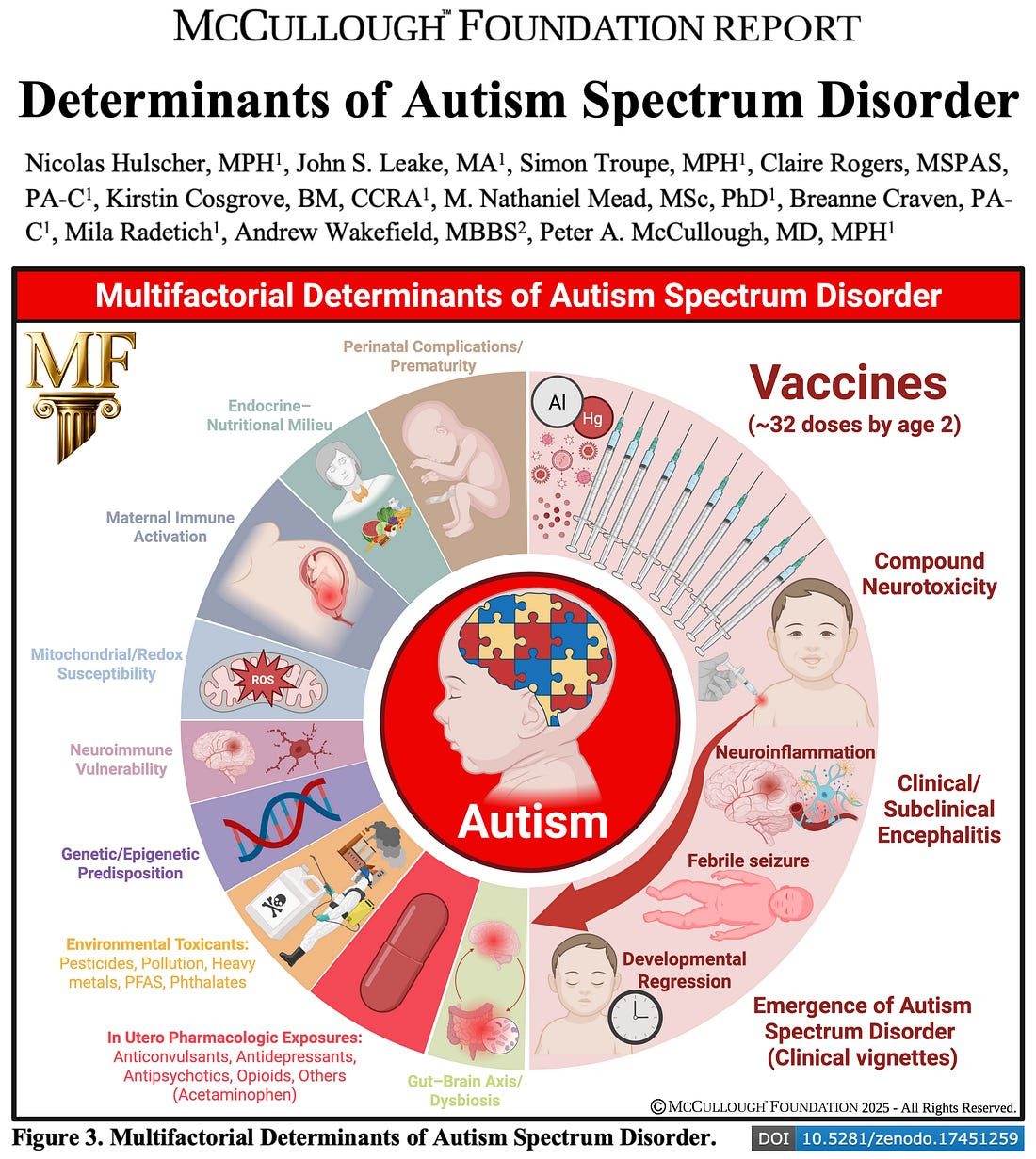
The McCullough Foundation’s latest meta-analysis, led by Nicolas Hulscher, MPH, and a multidisciplinary research team, reviews over 300 studies examining possible causes of autism. This comprehensive synthesis maps genetic, environmental, immune, and vaccine-related risk factors, offering an unprecedented perspective on Autism Spectrum Disorder (ASD).


Key Findings

  • Vaccine Studies:
    Out of 136 scientific studies on vaccines, 107 (79%) found evidence for a possible vaccine-ASD link.
  • Unvaccinated vs. Vaccinated Children:
    Twelve studies directly compared fully vaccinated with completely unvaccinated children; all reported significantly better overall health—including lower ASD risks—in the unvaccinated group.
  • Mechanistic Evidence:
    Studies reveal converging mechanisms such as immune dysregulation, mitochondrial stress, and neuroinflammation triggered by vaccine components during critical periods of brain development.
  • Other ASD Risk Factors:
    Older parental age, prematurity, genetics, toxins, maternal immune activation, drug exposure, and gut-brain axis changes play confirmed but less dominant roles. None fully explain the surge in autism prevalence coinciding with the expansion of pediatric vaccine schedules in the U.S. after 1986.
  • Research Gaps:
    No study has yet reviewed the full cumulative pediatric vaccine schedule for long-term neurodevelopmental outcomes.

Practitioner Insight

As both public demand and clinical questions about ASD continue to grow, practitioners are uniquely positioned to guide nuanced, evidence-informed discussions with families. This report highlights the need for:

  • Thorough evaluation and communication about all potential ASD risk factors—including vaccine-related exposures—while respecting individual family circumstances.
  • Advocacy for comprehensive, unbiased research, especially studies with truly unvaccinated control groups and full-schedule assessments.
  • Monitoring of neurodevelopmental health in patients—especially those with family risk factors or early-life exposures—using both conventional and integrative approaches to prevention and wellness.

Healthcare professionals are encouraged to stay updated on emerging research, support informed shared decision-making, and maintain vigilance for new data guiding practice and policy.


Call to Action

For Practitioners:

  • Review the full McCullough Foundation report and related press releases (see References below).
  • Consider discussing these findings with peers and in professional forums to foster critical dialogue and ethical research priorities.
  • Urge research institutions and policymakers to prioritize long-term studies addressing the cumulative impact of the pediatric vaccine schedule.

For Families and the Public:

  • Seek out reputable sources and read the full report to understand the multifactorial nature of ASD risk.
  • Discuss all health and vaccine decisions—and concerns—openly with trusted healthcare providers.
  • Join advocacy efforts calling for comprehensive autism and vaccine safety research.

Together, the healthcare community and the public can support a new era of transparency and scientific rigor for the benefit of children’s health.


References & Further Reading

Author Acknowledgments:
Nicolas Hulscher, MPH, John S. Leake, MA, Simon Troupe, MPH, Claire Rogers, MSPAS, PA-C, Kirstin Cosgrove, BM, CCRA, M. Nathaniel Mead, MSc, PhD, Bre Craven, PA-C, Mila Radetich, Andrew Wakefield, MBBS, and Peter A. McCullough, MD, MPH, with thanks to the Bia-Echo Foundation.

By Dr. Richard Z. Cheng, M.D., Ph.D.
Editor-in-Chief, Orthomolecular Medicine News Service
Adapted for RobLamberton.com


⚖️ A Landmark Discovery — And the Question It Didn’t Answer

The 2025 Nobel Prize in Medicine celebrated groundbreaking research explaining how our immune system maintains balance. Scientists discovered how regulatory T cells (Tregs) and the FOXP3 gene keep the immune system from attacking its own tissues — a molecular key to understanding tolerance and autoimmunity.

But while this discovery explains how immune balance is maintained, it leaves unanswered the deeper question:

“Why does this balance so often fail — and why now more than ever?”

That’s where Orthomolecular Medicine comes in.


🌿 The Orthomolecular Perspective: Root Cause Healing

Orthomolecular Medicine looks upstream — at what creates the imbalance in the first place.

Modern living constantly disrupts the redox–metabolic networks that regulate immune function. These aren’t random events. They are predictable biochemical consequences of nutrient depletion, oxidative stress, and toxic exposure — all products of our modern environment and lifestyle.


🍞 1️⃣ Diet: The Everyday Immune Saboteur

The Nobel Prize explained that Tregs calm inflammation.
Orthomolecular Medicine adds: a modern diet rich in processed foods, seed oils, and refined carbs silences those protectors.

High blood sugar and oxidative stress push immune cells toward inflammation. In contrast, whole-food, low-carb, antioxidant-rich diets restore balance and produce butyrate, a compound that reactivates FOXP3 — the immune system’s peacekeeper.

✅ Within weeks, better nutrition and movement can restore immune balance at its source — often achieving what billion-dollar drugs attempt to mimic.


☀️ 2️⃣ Micronutrients: The Foundation of Immune Tolerance

  • Vitamin D3 activates the FOXP3 gene through the vitamin D receptor.
  • Vitamin C helps “unmethylate” and stabilize this gene via enzyme activation.
  • Niacin (vitamin B3) and butyrate promote immune tolerance through GPR109A signaling.

When these nutrients are low — as they often are — immune regulation falters.
Replenishing them is not “alternative medicine.” It’s cellular maintenance — the foundation of immune resilience.


☣️ 3️⃣ Toxins & Stress: Breaking Redox Control

Air pollution, pesticides, plastics, and chronic stress generate oxidative injury that suppresses FOXP3 and promotes inflammatory dominance.

This toxic overload is one of the hidden autoimmune triggers of our era.
Orthomolecular detoxification — supporting liver, gut, and mitochondrial function — helps rebuild the redox terrain on which immune balance depends.


💥 The Ten Root Causes of Immune Imbalance

  1. Poor diet and metabolic stress
  2. Micronutrient deficiencies
  3. Environmental toxins
  4. Gut microbiome imbalance
  5. Hormonal dysregulation
  6. Chronic stress
  7. Physical inactivity
  8. Overmedication (polypharmacy)
  9. Epigenetic instability
  10. Early-life nutritional deficits

Across all ten, the common denominator is mitochondrial and redox injury.


🌿 How Orthomolecular Medicine Rebuilds Balance

  • Nutrition first: Real food, balanced carbs, rich in antioxidants
  • Micronutrient repletion: Vitamins C, D3, B3, Zn, Mg, Se
  • Detoxification: Reduce toxins, rebuild glutathione, repair the gut
  • Lifestyle optimization: Movement, sleep, stress recovery, hormone balance

These are not fringe therapies — they are biochemical first aid for the modern world.


💡 The Takeaway

The Nobel scientists revealed how the immune system maintains balance.
Orthomolecular Medicine explains why it fails — and how to restore it.

When we repair the terrain, FOXP3 and Tregs do what evolution designed them to do — keep us in balance naturally.


📖 Learn more at Orthomolecular.org

In 2016 Dr. Marcus Zervos, head of infectious disease at Henry Ford Health in Detroit, a doctor who is about as pro-vaccine as they come crossed paths with Del Bigtree, a film producer and health journalist.

Bigtree urged Dr. Zervos to take on something public health had avoided for decades: a study comparing the health outcomes of vaccinated and unvaccinated children.

Dr. Zervos agreed – he was determined to prove Bigtree and other vaccine skeptics wrong. He vowed at the time “Whatever the results, they get published.”

But the results did not turn out like he expected!

But now the buried study and the film are now available

Here is a link where you can watch the documentary

Titled “Impact of Childhood Vaccination on Short- and Long-Term Chronic Health Outcomes in Children: A Birth Cohort Study”, this retrospective analysis dug into electronic health records from Henry Ford Health’s network—tracking 18,468 kids born 2005-2015 over a decade (up to 2020 follow-up).

✴️ Chronic illness overall: 57.4% in fully/ partially vaccinated vs. 17.4% in unvaccinated (adjusted odds ratio ~5.03, or 403% higher risk).

✴️ Neurodevelopmental disorders (ADHD, learning disabilities, tics, etc.): 4.53% in vaxxed vs. 0.9% unvaxxed (453% higher).

✴️ Autoimmune diseases: 496% elevated in vaxxed.

✴️ Asthma: 329% up; other atopics (eczema, allergies): 203% higher.

✴️ Zero cases of brain-related issues in the unvaxxed cohort, per their coding.

Natural immunity is of course the best defense against infections! However the problem is that many individuals are not healthy so they have poor natural defense so they rely on vaccines – but perhaps there are negative consequences on this reliance.

Belief in vaccines has been described by some as similar to a religion: perhaps it is time we re-evaluated our blind faith in vaccines.

What are your thoughts?

A patient comes in and presents with the following symptoms:

✅ Persistent fatigue or low energy (especially in the morning)
✅ Unexplained weight gain or difficulty losing weight
✅ Cold intolerance (feeling cold when others are comfortable)
✅ Slowed metabolism and low basal body temperature
✅ Puffy face, hands, or feet due to fluid retention
✅ Brain fog, slow thinking, poor concentration
✅ Low mood, mild depression
✅ Constipation or sluggish digestion
✅ Brittle nails or slow nail growth
✅ Muscle weakness
✅ Bradycardia
✅ Hair loss with normal labs

Diagnosis: Hypothyroidism!

Solution: Prescribe them some levothyroxine or desiccated thyroid – right?

Maybe wrong!

There are many causes/conditions that can mimic hypothyroidism such as:

1️⃣ Adrenal Dysregulation (Cortisol Imbalance)
2️⃣ Low Cellular Conversion (Deiodinase Dysfunction)
3️⃣ Chronic Inflammation / Cytokine Load
4️⃣ Mitochondrial Dysfunction
5️⃣ Insulin Resistance & Blood Sugar Dysregulation
6️⃣ Estrogen Dominance or Altered Liver Clearance
7️⃣ Nutrient Deficiencies (Especially Tyrosine, Iodine, Selenium, Iron, and B Vitamins)
8️⃣ Environmental Toxicant Load (Fluoride, Bromide, Heavy Metals)
9️⃣ Gut Dysbiosis and Endotoxin Load
10️⃣ Non-Thyroidal Illness Syndrome (NTIS)

Some key markers to look at:


❇️ Cortisol pattern (DHEA/C ratio)
❇️ Ferritin, zinc, selenium
❇️ Reverse T3
❇️ Inflammatory markers (hs-CRP, IL-6)
❇️ Sex hormone profile
❇️ Nutrient status (B vitamins, tyrosine, iodine)
❇️ Mitochondrial function markers (organic acids, lactate/pyruvate ratio)

If I was working with this patient, I would want to run them through a comprehensive panel of functional labs:

✴️ 24 hour cortisol
✴️ DHEA-S
✴️ Cortisol/DHEA ratio
✴️ Sum Cortisol: DHEA-S
✴️ Testosterone
✴️ Estradiol
✴️ Progesterone
✴️ Progesterone/Estradiol Ratio
✴️ Noon melatonin (Immune system function)
✴️ SIgA
✴️ Indican (protein digestion)
✴️Total bile acids
✴️ 8-OHdG – oxidative damage/ROS
✴️ Zonulin
✴️ Histamine
✴️ DAO (Diamine Oxidase)
✴️Histamine/DAO ratio
✴️ GI-MAP
✴️ Metabolic Typing Diet
✴️ MRT (Mediator Release Test) – food sensitivities

Combined with a detailed intake process, I would then be able to get a true picture of what is going on with this patient and then be able to design a protocol for them to help them to resolve their health issues and improve their quality of life

People are fed up with the “trial and error” approach to trying to get better! They go to their provider and they are told that their labs are within “lab range” and there is nothing wrong with them!

This is where the functional approach becomes so powerful!

If you are in the functional space, have you had similar experiences to this where you have helped patients on the “trial and error” treadmill resolve their health issues?

#healthcare #functionalmedicine #naturopathicmedicine #integrativemedicine #healthspan #nutrition #pharmaceuticals #allopathicmedicine #functionallabs #health #patientcare

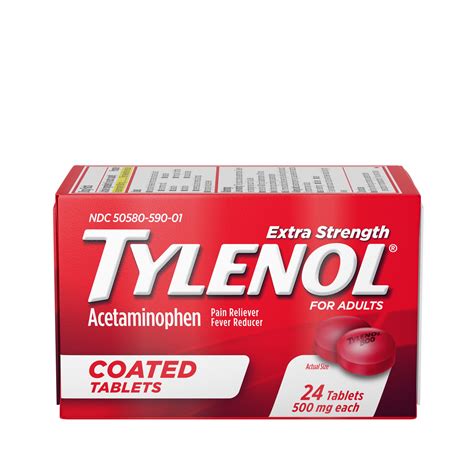
A new systematic review led by researchers from Harvard T.H. Chan School of Public Health and the Icahn School of Medicine at Mount Sinai has strengthened evidence that acetaminophen (Tylenol®) use during pregnancy may increase the risk of neurodevelopmental disorders, including autism spectrum disorder (ASD) and attention-deficit hyperactivity disorder (ADHD) in children.

​The team analyzed 46 studies using the Navigation Guide Systematic Review methodology, a gold-standard framework for evaluating environmental health data. They found that higher-quality studies were more likely to show consistent associations between prenatal acetaminophen exposure and later diagnoses of autism or ADHD.

Importantly, the researchers stress that acetaminophen remains necessary for controlling fever and pain during pregnancy, which, if left untreated, can also endanger fetal development. The message isn’t to eliminate its use entirely, but to balance potential risks with the therapeutic benefits—using the lowest dose for the shortest time under medical guidance.

The Biochemical Dimension: Glutathione and Fetal Brain Vulnerability

As Dr. Ben Lynch, ND, has emphasized in his educational content, one key biological link involves glutathione depletion. Acetaminophen metabolism consumes this potent intracellular antioxidant—vital for detoxification and protection against oxidative stress. During pregnancy, when both maternal and fetal systems experience heightened metabolic demands, reduced glutathione may lower resilience against oxidative damage or epigenetic changes that impact brain development.

​This mechanism aligns with findings from Harvard, Mount Sinai, and Yale researchers noting that oxidative stress, hormonal disruption, and gene expression changes are plausible biological pathways underlying this correlation, even if causality has not been formally proven.

​Clinical and Public Health Implications

With global rates of ASD and ADHD continuing to climb, these findings call for a re-examination of clinical guidelines and increased education for both healthcare providers and patients. Updated recommendations may involve:

  • Encouraging judicious and medically supervised acetaminophen use during pregnancy
  • Considering non-pharmacologic pain management approaches where safe
  • Supporting antioxidant capacity and detoxification pathways, including nutrients that help maintain glutathione levels

While further research is underway to clarify causality, this growing body of evidence invites renewed attention to the delicate intersection between maternal health, medication safety, and early neurodevelopment.

(References: Harvard T.H. Chan School of Public Health, ScienceDaily, Mount Sinai, Yale University, Instagram content by Dr. Ben Lynch ND)