Category: Brain Health / Conditions

Starting fifteen years ago, I was unfortunately involved in a number of car accidents which extended over a period of ten years.

My second accident in which I got rear ended resulted in an upper cervical misalignment issue the result of which was that my atlas impinged upon on my spinal cord.

The outcome of this trauma was that I started experiencing intractable pain and I went from being very active to not being able to sit down for more than 20 minutes without my back going into spasm and twisting out of shape.

Thus began a five year journey to try to determine a diagnosis – and to develop a therapeutic protocol that would help me to progress towards recovering my health.

Some of the readers of this newsletter were involved in helping me on this healing journey of discovery – and I thank them for their efforts.

The level of pain was so significant that I had to start taking opoids – which initially made me violently ill as I had never taken prescription drugs of this nature: I even ended up having to take Oxycocet – a slow release form of Oxycodone.

Needless to say, this created significant side effects in terms of brain fog, constipation – and I was unlucky in that there is a subset of the population that react paradoxically to codeine in that they do not experience a sedative effect but rather a stimulatory effect.

Most opoids are combined with caffeine: so I got versions of the meds without caffeine, but the stimulatory effects did not diminish.

This started impacting on my sleep so as a result I needed to start taking Zopiclone: the “little blue pill” – which is highly addictive, which is what happened to me over time.

After this accident, I started experiencing debilitating weekly migraine headaches: I experienced an aura the first time I got one but that was the only time.

A number of years ago, a prescription drug for migraines was developed which revolutionized treatment: Sumatriptan. A number of variations on this molecular configuration appeared on the market and this class of drugs is now referred to as “Triptans”.

And I was fortunate: Sumatriptan kicked in within sixty minutes and completely got rid of the migraine with almost no side effects.  Mind you, it was costing me approximately $14.00 per pill – however when you are experiencing a migraine you would pay almost any price for relief.

I finally figured out what my issue was as a result of the accident, specifically that my atlas had become misaligned.

You may be familiar with the fact that there is a sub-specialty in the chiropractic profession – Upper Cervical in which the practitioner is certified through the NUCCA organization – National Upper Cervical Chiropractic Association

Some of the readers of this newsletter specialize in this technique in their practices.

Upper Cervical treatments proved to be what I needed to resolve my significant, acute pain condition: it took time but this was the core issue.

This did not however resolve the frequency of my migraines: I was determined to figure this out because despite the fact that the Triptans worked well, I did not relish paying $14.00 a pill on an ongoing basis to resolve the symptoms of my condition – rather than the cause.

Like most who read this newsletter, I was familiar with all the potential food and drink compounds which could potentially initiate migraines so I put myself on an elimination diet – but that only accounted for approximately 10% resolution – as a result of alcohol.

I was fortunate at this time to develop a friendship with a local IFM (Institute of Functional Medicine) MD – Helen Messier.  Helen was actually a faculty member with the IFM and she not only had functional medicine expertise but prior to doing her MD training she had done a PhD which gave her an expert understanding of genomics – and SNPs (single nucleotide polymorphisms – genetic mutations).

With her guidance – and my own ability to review the literature and learn about health topics on my own, I developed a knowledge of this complex topic – rudimentary for sure but certainly enough to enable me to figure out what was going on with respect to the migraine headaches I was contending with.

I am sure most reading would now be familiar with methylation pathway issues – and some of the key SNPs related to this such as MTHFR – Methylenetetrahydrofolate reductase.

Here is a quick explanation from Chris Kresser on the functions of this key enzyme:

(MTHFR) is the rate-limiting enzyme of the methyl cycle; it is responsible for the activation of folate for the subsequent reduction of homocysteine to methionine (1) . Certain single nucleotide polymorphisms (SNPs), or variants of this gene, result in the reduced capacity of this enzyme (2). Indeed, MTHFR variants are associated with increased risk for many diseases, including depression, fertility issues, insomnia, and thyroid conditions (3).

This mutation is present in approximately 40% of the general population – so it is very common.

I was dealing with some of the consequences of this SNP – but there was also another issue: histamine degradation.

The specific enzyme that breaks down histamine is named: Diamine Oxidase – DAO.

It became apparent that I had some degree of deficiency in this key enzyme.

As a result of these two factors, it was initiating my weekly migraines –

SO HERE IS THE BIOHACK THAT I IMPLEMENTED TO RESOLVE THIS ISSUE:

A number of the practitioner grade supplement product companies provide formulations which are described as: “Methyl Donors and Accepters”.

A couple of products that I have used are supplied by Biotics Research and Xymogen.

The Biotics formulation is called: Oorganik-15.

I started taking this product on a daily basis and as well Xymogen have a product available which provides the enzyme that breaks down histamine: HistDAO.

I also started taking this formulation several times a week: I experimented to determine the minimally effective dosage as it is expensive: approximately $40.00 wholesale.

I also started taking taking an MTHF (methyltetrahydrofolate) formulation to make up for my methylation pathway issues.

And the results:

My migraine frequency decreased by over 95% overnight!

It changed my life – for the better of course.

One further biohack that I have since utilized which actually allowed me to stop taking the HistDAO is I got my metabolism to the state whereby it is metabolically flexible and I spend most of my time in a ketogenic state.

Ketosis can be beneficial for the prevention and mitigation of headaches.

So there you have it – my most significant personal biohack.

Will this protocol work for yourself and/or your patients?

It is hard to say however it is certainly an inexpensive biohack to remember that you can try…

One of the most dramatic and effective therapeutic modalities for targeting a spectrum of chronic, degenerative diseases – as well as potentially having a direct impact on quality of life/healthspan is now starting to gain some traction in North America.

Used for many years as a therapeutic intervention for serious health issues by the medical community in countries such as Japan, hydrogen therapy is now starting to gain attention in the naturopathic/integrative and functional medicine communities.

Just this past week I was contacted by two local clinics here in Vancouver inquiring about whether I had knowledge about H2 therapy (I do) – and whether I knew where to access a new patent pending H2 tablet product which is becoming very widely used in the U.S. (I do know the contacts for accessing this product).

Six months ago I had the good fortune to meet with one of the co-inventors of this new patent pending tablet technology, to learn more about the product and the research behind it – and as well I have been personally taking the product for some six months now.

So as I do with many interesting therapeutic modalities which may have an impact on disease processes and health, I took a deep dive into the literature to understand more about H2 therapy – and the published research is very impressive:

Why You Should Know About H2 Therapy – and Why You Should Consider Prescribing It To Your Patients
Here is a summary and some links to further published articles on H2 therapy if you have an interest in investigating it further:

From an article from the website H2fx.com:

Research shows molecular hydrogen has the potential to exhibits these effects:

  • Anti-Inflammatory Effects 13
  • Smallest, most bioavailable molecule in existence 14
  • Selective antioxidant 15
  • Participates in Gene Expression 16
  • Anti-Allergic Effects 17
  • Anti-Cellular Death 18
  • Anti-Aging 19
  • Reduces aches and pains 20
  • Protective to skin 21
  • Cardioprotective 22
  • Increases Metabolism 23
  • Increases Body’s Antioxidants (Nrf2 activator) 24
  • Decreases Muscle Fatigue 25
  • Reduces Lactate Levels 26
  • Anti-Diabetic Effects (type 1 and 2) Type 1, 27 Type 2, 28
  • Anticancer 29
  • Improves Cognitive Function 30
  • Protects DNA & RNA 31
  • Anti-Tumor Effects 32
  • Cytotoxic Protection 33
  • Neuroprotective 34
  • Radiation Protection 35
  • With zero toxic effects 36

Based on scientific studies/evidence, hydrogen gas therapy has the potential to benefit:

Alzheimer’s 37, arthritis 38, rheumatoid arthritis 39, Type 1 diabetes 40, Type 2 diabetes 41, Parkinson’s 42, COPD 43, asthma 44, heart disease 45, kidney disease 46, stroke 47, cancer 48, tumors 49, ALS 50, dementia 51, psoriasis 52, dermatitis 53, IBS 54, hemorrhagic shock 55, Crohn’s 56, fatty liver disease 57, liver cirrhosis 58, pancreatitis 59, cardiac arrest 60, neuropathy 61, Multiple Sclerosis 62, Hepatitis B 63, atherosclerosis 64, cataracts 65, hypertension 66, gum disease 67, traumatic brain injury 68, sepsis 69, subarachnoid hemorrhage (aneurysms) 70, infant lung disease 71, metabolic syndrome 72, lymphoma 73, retinitis 74, painful bladder syndrome 75, osteosclerosis 76, osteoarthritis 77, osteoporosis 78, glaucoma 79, pulmonary hypertension 80, pulmonary fibrosis 81, autism 82, depression 83, bipolar disorder 84, anxiety 85, schizophrenia 86, inflammation 87, muscle fatigue 88, increased ATP production 89, soft tissue injuries 90, pain 91, wounds 92, burns 93, seasonal allergies 94, autoimmune disorders 95, insulin resistance 96, hearing loss 97, ulcers 98, radiation damage 99, sleep apnea 100to name just a few as there are studies on over 170 human disease models

If you have an interest in finding out how you can access the H2 tablet product for yourself and/or your patients, reach out to me as I am working directly with the company to make this exciting product available to health care practitioners.

In this edition of our newsletter, we feature an article which appeared on the Natural News website which suggests that there may be an association between aluminum and autism.

There are many suggested causes of autism, however one factor may be SNPs – Single Nucleotide Polymorphisms.

One would imagine that in the future, newborns will be screened for SNPs and those infants with key SNPs would be put on an immediate regime of diet, supplements etc. which may mitigate significant health issues such as autism.

Regards,

Robert (Rob) Lamberton


Is Autism a side effect of metal toxicity? High aluminum concentrations discovered in brain tissue of autistic children

(Natural News) It’s a well-known fact that even the smallest amount of aluminum, if found in a person’s brain tissue, can become a huge problem. There have also been many studies that look into how having high-levels of aluminum in brain tissue is correlated with neurological conditions such as Alzheimer’s disease. Now a new study puts the spotlight on autism spectrum disorder (ASD), and tests to see if there might be a connection between it and having high-levels of aluminum in the brain.

The study, which was first published in the Journal of Trace Elements in Medicine and Biology, shows some of the highest levels of aluminum ever recorded in human brain tissue. The data was gathered from the brains of 10 donors who had ASD. The study was lead by Dr. Christopher Exley, one of the world’s leading experts on aluminum toxicity, from Keele University.

Using a carefully-crafted two-pronged study method, the researchers of the study were able to measure and characterize aluminum deposits found in the brain tissues of the 10 ASD donors, most of whom reportedly died in their teens or twenties. The results of the study show “consistently high” aluminum levels based on data from both the quantitative component as well as its qualitative component, which is said to represent “some of the highest values for brain aluminum content ever measured in healthy or diseased tissues.”

Findings of the research

The study is interesting for its use of a two-pronged approach that contains both a quantitative as well as a qualitative component. The former required the use of graphite furnace atomic absorption spectrometry or GRAAS, which measures aluminum content in frozen brain tissue samples; the latter uses a technique called fluorescence microscopy to visualize aluminum deposits in the brain. In total, the researchers were able to quantify aluminum levels in 59 tissue samples that were sourced from five different areas of the brain.

After testing, the researchers found that all samples showed a “pathologically significant” level of aluminum, certainly more than what might be considered normal. Male brains in particular showed high aluminum levels, including that from a 15-year old boy with ASD who ended up being the one with the single highest brain aluminum measurement. And as for how exactly all that aluminum ended up in their brains, the research results strongly suggest that it was due to cells that entered while loaded with aluminum in the periphery.

The case is made for the entrance of the aluminum through aluminum adjuvants in vaccines, which are used by vaccine manufacturers to intensify the immune response of vaccine recipients. According to the researchers, the use of aluminum-adjuvant-containing vaccines “has been directly correlated with increasing prevalence of ASD,” particularly in teens and young adults.

Implications for the future

More than half a decade ago, in 2011, a separate study showed that children from countries with the highest ASD prevalence also had the highest exposure to aluminum from vaccines. This goes along nicely with the findings of Dr. Exley, who notes that, “There are no ‘normal’ levels of brain aluminum.” Meaning, “its presence in brain tissue, at any level, could be construed as abnormal.”

Based on the results and conclusions of the study, it may be time to take a closer look at how vaccines are administered, especially since more and more children and teenagers are getting them with each passing day. Not only for the risk of reducing the rates of ASD but also to prevent other conditions such as Alzheimer’s disease. Of course, implementing rules that will change things for the better is a different matter entirely. Time well tell whether or not this improves in the future.

Read more about autism in AutismTruthNews.com.

Sources include:

WorldMercuryProject.org  

NCBI.NLM.NIH.gov 

WorldMercuryProject.org [PDF]


Copyright © 2018 R. V. Lamberton & Associates,
All rights reserved.

In the near future – within the next five years or so there will be a paradigm shift in how health care practitioners across the spectrum – including allopathic MD’s will be able to help their patients mitigate one of the key identified degenerative processes associated with aging.

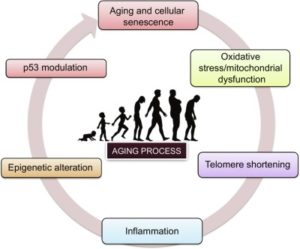
What I am referring to is the pending availability of compounds referred to as “senolytics” – compounds developed to target senescent cells (referred to as “zombie cells” in the popular literature).

I suggest that the allopathic MD community will be very much involved in this treatment modality due to the fact that big pharma and the biotech industry are actively engaged in the development of pharmaceutical, prescription drugs for this application.  In fact there are currently trials going on which are testing senolytic drugs and early results should be available later this year.

So let me give you some background and context on why this concept of senolytic compounds is perceived to be such a significant development to target the deterioration associated with the aging process:

Senescent Cells: What Are They?

From the FightAging.org website:

(great free weekly newsletter on the latest developments in the antiaging research community)
The evidence of the past decades, and particularly the past seven years, strongly supports the idea that the accumulation of senescent cells is a root cause of aging. Cells become senescent in large numbers day in and day out, a normal end of life state for somatic cells that have reached the Hayflick limit. Cells also become senescent as the result of damage, or a toxic environment, and there is ever more of that with advancing age. Near all of these cells are destroyed quite quickly after they enter a senescent state, but enough linger to ensure that a few percent of all cells are senescent in old age. These problem cells secrete a potent mix of signals that induces chronic inflammation, degrades tissue structure, and alters the behavior of normal cells for the worse.

Read More…

Image from Dr. Axe website

I was delighted  to see an article published on the Natural News website detailing a study which led research scientists to issue warnings concerning the negative health effects related to the consumption of canola oil.

Many health care practitioners are aware of this, and the fact that canola oil should be considered as one of the commonly available oils which include other oils such as corn, cotton etc. which can cause negative health consequences.

I sometimes look when I am shopping at our local Whole Foods or Choices markets (a similar B.C. based company) for salad dressings which might be made with healthy ingredients, but alas they typically feature which is the top ingredient canola oil.

And the labeling can be deceptive to the average consumer with proud announcements of the product’s organic ingredients – plus the fact that the oil is not cold pressed which means it is produced under conditions of high heat and pressure which makes it unhealthy.

This deceptive advertising reminds me of other deceptive product descriptions such as can be seen in the paleo/keto products available on the market.

This is an issue we need to educate our patients about – and the general public about!  Please feel free to pass this article along, or use it in your discussions/presentations to patients/the general public.

Following is the article from Natural News.

Regards,

Robert (Rob) Lamberton

Scientists finally issue warning against canola oil: Study reveals it is detrimental to brain health, contributes to dementia, causes weight gain

Read More

Copyright © 2018 R. V. Lamberton & Associates,
All rights reserved.

In this edition of my newsletter, we highlight an article from Ben Greenfield’s website: Ben Greenfield Fitness.

If you are not familiar with Ben’s website, it is definitely worth checking out: it is one of our favourite podcast sources.

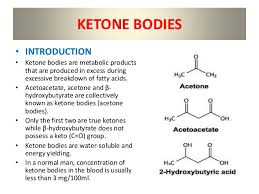
This article highlights even more dramatic evidence regarding the profound health benefits of ketones, the ketogenic state and the Ketogenic diet.

Included is reference to recent published research from Reggie Veech, PhD who is one of the top ketosis researchers which suggests that being in a ketogenic state may influence longevity (in addition to quality of life).

In my opinion and based upon my clinical experience nothing works better to bring a patient’s metabolism back into balance from what I would refer to as “Diabesity Spectrum Metabolic Dysregulation”.

Following is Ben’s article.

From the article:

But I recently learned something about ketones that I never before fully realized, something that inspired me to begin knocking back a daily dose of beta-hydroxy-butyrate (BHB) ketone salts prior to my afternoon/early evening workouts -workouts that I’d normally, up until the recent past, enter into in a completely fasted state having not eaten lunch for the previous 4-6 hours.

The reason is because ketone bodies have now been proven to have some pretty potent anti-aging, longevity enhancing properties.

Read More