Category: Blood Sugar

Ronald Peters, MD, MPH

I want to share with you today an article written by Ronald Peters, MD, MPH which gives an overview of a mechanism in the body which is activated when there is a perceived threat which could be viral, bacterial, toxic chemicals and metals etc. called: “The Cell Danger Response”.

Practitioners are familiar with the typical protective reactions that get activated in these situations, however where problems can arise is when this activation is not turned off after the threat has disappeared.  It is suggested that this can contribute to the development of chronic, degenerative disease processes.

This concept was originally hypothesized by Robert K. Naviaux in the published paper:

Metabolic features of the cell danger response, Robert K. Naviaux, Mitochondrion 16 (2014) 7–17 The Mitochondrial and Metabolic Disease Center, University of California, San Diego School of Medicine

It has started to gain a lot of traction within the Functional Medicine community and I would suggest it certainly warrants some consideration with respect to how we approach working with patients.


You and I are wired to escape danger by automatically firing the sympathetic nervous system so we can run away or fight to survive.  However, for the trillions of cells within our bodies, it is not so simple.  They cannot run away. They are programmed to survive dangerous invaders such as viruses and bacteria, toxic chemicals and metals such as mercury by activating the Cell Danger Response, or CDR.  Two key features of the CDR are reduced energy production (ATP) in the mitochondria and the release of inflammatory cytokines.   Once the threat is eliminated the CDR is witched off and energy production starts again, and we resume our normal lives.  However, sometimes the CDR does not stop and we stay fatigued and inflamed.  This pathological persistence of the CDR is believed to be a primary cause for many chronic diseases including autism, PTSD, chronic fatigue syndrome, rheumatoid arthritis and many more. In this article I will review the cell danger response, what turns it on, and, importantly, how you can turn it off once the danger has passed.

CELL DANGER RESPONSE – AN ANCIENT SURVIVAL SYSTEM

Dr Robert Naviaux at the University of California, San Diego School of Medicine has reviewed the choreography of micro-events that occur as the cells and organs of the body prepare to survive threats, such as invading viruses, bacteria, fungi and parasites, or, toxic chemicals and heavy metals like mercury, lead and aluminum, as well as excessive heat or radiation. Mitochondria are the powerhouses within our cells as they use oxygen to convert chemical energy from the foods we eat into an energy form that the cell can use, which is called ATP. There are thousands of mitochondria in our cells and they orchestrate the cell danger response, which includes the following:

In response to viral attack, mitochondria sound the alarm and reduce voltage and energy production to prevent the virus from hijacking DNA to make more viruses.

Intracellular attack releases mitochondrial proteins and ATP which sound the alarm to attract other immune cells to attack the invader.

Mitochondria reduce oxygen utilization (less ATP) and reactive oxygen species along with increased hydrogen peroxide are toxic to viruses and support the cell defense.

Bacterial endotoxins activate an enzyme within the mitochondria which decreases vitamin D, thus increasing inflammation, but raising the risk for autoantibodies, especially to the thyroid gland (Hashimoto’s thyroiditis).

Under the oxidizing conditions of the CDR, methionine metabolism is shifted to assist with the production of antimicrobial reactive oxygen species as well as other antiviral and antimicrobial compounds.

De-methylation of histones is stimulated by oxidizing conditions of the CDR to increase pro-inflammatory cytokines such as TNF alpha.

Sulfur metabolism within cells is shifted to create more glutathione for macrophages and to increase glutathione transport into the brain.

CDR stimulates an enzyme which produces histamine, a potent vasodilator which facilitates the delivery of increased oxygen and immune cells to sites of inflammation.

Arginine metabolism is shifted within mitochondria to create nitric oxide (NO) gas which inhibits mitochondrial energy production.

Damaged cells release hemoglobin and heme into the tissues which stimulates the production of carbon monoxide, a potent inhibitor mitochondrial ATP production.

Cell danger increases lipoxygenase which leads to cell wall peroxidation and stiffening of cells walls in the vicinity of the threat.

Tryptophan metabolism is shifted to increase kynurenic acid which induces IL-6 and inflammatory cytokine, as well as increasing many aspects of immune function.

Toxic metals like mercury, as well as some chemicals will try to steal electrons and the mitochondria respond by reducing cellular energy production to shield the cell from further injury.

Intracellular conditions produced by the CDR lead to sequestration, or accumulation of toxic metals such as mercury, lead, cadmium, aluminum, arsenic and others, as well as reduced elimination,

When functional vitamin D is decreased by a chronically active CDR, magnesium is lost from the cells.

GUT MICROBIOME IS ESSENTIAL TO HEALTHY CDR


According to Dr. Naviaux, “healthy metabolism acts as a survival engine that computes the optimum chemical solution for fitness based on the developmental history, current environmental conditions, and the genetic resources available to the individual.”

Metabolism is all of the chemical reactions that occur in the cells of the body. Billions are occurring every second to respond to the surrounding environment in order to sustain life and they are intricately dependent on the health of the microbes that live in your body, or, microbiome.  Since there are more bacterial in your body than cells, they have evolved to act as a “living shield to protect us from opportunistic pathogens and keep us healthy”.

About 99% of the bacteria in your body reside in your gut, consisting of 3,000 to 30,000 species which provide a metabolic and genetic diversity which far exceeds that of the human host.

Again, according to Dr. Naviaux, “the composition and function of the microbiome are best considered as an ecosystem that is continuously shaped by the developmental history, diet, health and activity of the host.”  Basically, when the host is sick, the microbiome is also sick.  The chronic activation of the CDR changes the ecosystem in the bowel and perpetuates disease in some people

RESOLUTION OF THE CDR

Once the danger or threat is eliminated, the CDR is turned off by a series of anti-inflammatory messages, normal mitochondrial energy is re-established, and normal cell life begins again.

However, based on genetic predisposition and the intensity and magnitude of the dangerous exposure a dysfunctional and persistent CDR can occur which is the precursor of many chronic diseases.

According to Dr. Naviaux, the following diseases result from a pathological persistence of the CDR:

  • autism spectrum disorders (ASD),
  • attention deficit hyperactivity disorder (ADHD),
  • food allergies,
  • asthma,
  • atopy,
  • emphysema,
  • Tourette’s syndrome,
  • bipolar disorder,
  • schizophrenia,
  • post-traumatic stress disorder (PTSD),
  • traumatic brain injury (TBI),
  • chronic traumatic encephalopathy (CTE),
  • suicidal ideation,
  • ischemic brain injury,
  • spinal cord injury,
  • diabetes,
  • kidney, liver, and heart disease,
  • cancer,
  • Alzheimer and
  • Parkinson disease,
  • autoimmune disorders like lupus, rheumatoid arthritis, multiple sclerosis,
  • primary sclerosing cholangitis.

According to Dr. Naviaux, each of the metabolic features of the CDR listed above “can be addressed individually with specific treatments, or more globally with a combination of supplements, dietary and activity changes, or with adaptogen therapies.”

I would add the following to the list:

  • Chronic fatigue syndrome
  • Irritable bowel syndrome
  • Fibromyalgia
  • Lyme’s disease
  • Mold related illness
  • Multiple chemical sensitivity
  • Chronic Inflammatory Response Syndrome
  • “Brain fog”

SUMMARY – CELL DANGER RESPONSE

Naviaux and other researchers have found the cell danger response is triggered by various types of environmental stressors:

  • Biological stressors such as viruses, bacteria, fungi such as mold, parasites and more
  • Chemical stressors such as toxic chemicals and heavy metals (e.g. mercury and lead)
  • Physical trauma such as an accident, burn, surgery, or physical abuse
  • Psychological trauma that creates overwhelm and persistent despair, such as the loss of a loved one, divorce, financial struggle, childhood emotional neglect

As Naviaux explains, these are triggers of illness, but they are not the cause of disease. As he presented to the Open Medicine Foundation on 9/28/2017, they all “ring the same bell – the cell danger response. “  In this new paradigm of disease, symptoms arise because a cell danger response gets stuck in the “on” position and can’t complete its healing cycle to turn itself back off as it is designed to do.

In most cases of persistent chronic illness lasting for > 3–6 months, mitochondria are not dysfunctional. They are just stuck in a developmental stage that was intended to be temporary, unable to complete the healing cycle”

Robert Naviaux, Mitochondrion 46, 2019

TURNING OFF THE CELL DANGER RESPONSE – CONSCIOUSNESS AS THE SOURCE AND CURE FOR DISEASE

Illness gives patients temporary permission to act in more open ways emotionally.  But if they cannot learn to give themselves that same permission when they are healthy, then the moment they get well, the old rules again apply, and they find themselves in the psychologically and physically destructive situation that first contributed to their illness.

 Carl Simonton, MD

The cell danger response is turned on by dangers perceived at the cellular level, or, by dangers perceived by the individual in their life experience.  Dr. Naviaux has described the cellular events that initiate the CDR.  And we all have experienced threatening or frightening life events.  The horrors of war can be overwhelming and a soldier will often suppress the intense emotions and later develop PTSD.  For the abused or abandoned child, strong emotions are automatically suppressed, only to be stored in the unconscious mind as an emotional wound.  These wounds will surface later in life and contribute to dis-ease of one kind or another. In both cases the CDR is ignited by the powerful “fight or flight” sympathetic nervous system as it births anger, fear and panic.

In order to turn off the CDR, once the danger has passed, we need to understand ourselves and how we create stress and handle emotions. Extensive medical research also shows that digestion, blood circulation, immune activity, hormone levels are but a few of the systems controlled by the mind. Dr. Candace Pert, the NIH researcher who discovered neurotransmitters, said it simply: “The more I look, (at the immune system) the more I’m convinced that emotions are running the show.”

Basically, we need to heed the “message of illness” and consider the dysfunctional beliefs and suppressed emotional pain that are expressed within the fabric of your body as dis-ease. Mindbody medicine is the science of healing at the level of consciousness and represents the next step in healthcare.  It is based on the disturbing and eternal truth that the body is governed by consciousness (both conscious and unconscious).

Mindbody medicine will help you learn the following:

  • The natural intelligence of your body is governed by consciousness.
  • The function of the sympathetic nervous system (SNS) which is activated by fear, worry, anger and frustration.
  • How to enhance your parasympathetic nervous system (PNS), which governs your immune system, proper digestion, and hormone production.
  • The nature of the stressful life experiences which precede illness and how they can be tracked back to childhood experiences.
  • Adverse Childhood Experiences (ACE) and how they compare to Post-traumatic Stress Disorder (PTSD).
  • What is the “limbic lock” associated with chronic disease?
  • How to create a healthy gut microbiome, which is required to quiet the CDR and enhance vagal activity.
  • How to find the personal meaning of disease.
  • How reduce stress and live from your heart, the seat of emotion, love, intuition, and “seeing the big picture”.
  • All dis-ease is a personal invitation for healing, growing and gaining self-knowledge, by making the unconscious mind conscious.
  • The “blessing” of the dis-ease in any area of your life as well as your body offers you a window into the stored pain in the unconscious mind and how it can be discharged thereby leading to greater levels of peace and happiness.
  • How to activate the powerful vagus nerve which turns off the SNS and CDR.
READ DR NAVIAUX RESEARCH PAPER

Today I wanted to share with you the results of a recently released meta-analysis published in JAMA questioning the benefits of statins:

A new meta-analysis questions the science demonstrating the link between statin-induced LDL-C lowering and improved CV, all-cause outcomes.

Pricera – NAD+ Precursor Highlight

From the Innovative Medicine website:

NAD+ and the Brain

One of the most impacted organs from NAD+ deficiency is the brain. NAD+ plays a vital role in the brain, with a 2007 study stating, “NAD+ and NADH (the reduced form of NAD+) may also mediate brain aging and the tissue damage in various brain illnesses. Our latest studies have suggested that NADH can be transported across the plasma membranes of astrocytes, and that NAD+ administration can markedly decrease ischemic brain injury. Based on this information, it is proposed that NAD+ and NADH are fundamental mediators of brain functions, brain senescence and multiple brain diseases.”

NAD+ helps to replenish the supply of neurotransmitters, improve cognitive functioning, withdraw from addictive substances, overcome anxiety, depression, chronic or acute stress, post-traumatic stress, CTE, and other conditions by giving the brain what it needs to return to proper functioning. NAD+ has been shown to be effective with cases of brain fog, cognitive impairment, and “chemo brain”. It has a powerful capacity to “reset” the brain to its original set point.

Reach out to me if you would like to get some more info on NAD+ therapy, our very popular practitioner grade NAD+ precursor formulation, the Sirtuin Longevity Genes etc.
——————————————————————————————–
As you may know, statins have been a very popular prescription drug for many years for Cardiovascular Disease..

There are many potential negative side effects associated with the use of statins.

I witnessed this with my own parents. Lifestyle issues were involved however my father ended up becoming diabetic, he developed dementia and he had so little energy that we had to install an electronic lift for him to get up the stairs due primarily to the consumption of statins.

I had predicted all of these outcomes to my parents several years earlier if they continued their consumption of statins.

Hopefully this meta-analysis will provide ourselves as well as other health care practitioners in addition to the general public with further clinical data to be able to make an informed decision regarding the usage of statins.

Here is the article from the Patient Care Online website:

Current evidence on the association between statin therapy-driven lowering of low-density lipoprotein cholesterol (LDL-C) and reductions in negative cardiovascular (CV) outcomes as well as all-cause mortality may no longer be indisputable, according to authors of a new meta-analysis.

Findings from research led by Paula Byrne, PhD, HRB Centre for Primary Care Research, RCSI University of Medicine and Health Sciences, Dublin, suggest that lowering LDL-C using statins has an inconsistent and inconclusive impact on CVD outcomes such as myocardial infarction (MI), stroke, and all-cause mortality. Specifically, the authors conclude that the association between statin-induced reduction in LDL-C and absolute risk reduction (ARR) compared with relative risk reduction (RRR) in these outcomes is modest, at best.

“The message has long been that lowering your cholesterol will reduce your risk of heart disease, and that statins help to achieve this,” Byrne said in a RCSI statement. “However, our research indicates that, in reality, the benefits of taking statins are varied and can be quite modest.”

Byrne and colleagues set out to look more closely at the association between statin-induced reductions in LDL-C and the absolute risk reduction in individual clinical outcomes with an ultimate objective to facilitate shared decision-making between clinicians and patients and inform clinical guidelines and policy.

The primary outcome associated with statin use they sought to clarify was all-cause mortality and secondary outcomes included myocardial infarction and stroke.

The investigators searched PubMed and Embase for eligible trials from January 1987 to June 2021. For inclusion trials had to examine efficacy of statins vs placebo or usual care in reducing total mortality and CV outcomes, enrolled ≥1000 participants aged >18 years, have a planned duration of ≥2 years, and reported absolute changes in LDL-C levels.

The final meta-analysis included 21 trials with at least 1000 participants. Of those, 33% were primary CVD prevention trials, 29% were studies of secondary CVD prevention, and 38% included both primary and secondary prevention populations.

Trial size ranged from 1255–20 536 patients. After pooling, statin and control arms each had >66 000 patients. Average follow-up among all trials was 4.4 years (range 1.9-6.1). LDL-C differences achieved ranged from 17-68 mg/dL.

Absolute and relative risk compared

Writing in JAMA Internal Medicine, Byrne et al report among patients randomized to receive statin treatment, an absolute risk reduction (ARR) of 0.8% (95% CI, 0.4-1.2%) for all-cause mortality, 1.3% for MI (95% CI, 0.9-1.7%), and 0.4% (95% CI, 0.2-0.6%) for stroke.

They found associated relative risk reductions for statin-treated patients of 9% (95% CI, 5-14%), 29% (95% CI, 22-34%), and 14% (95% CI, 5-22%) respectively.

Results of a metaregression to explore the potential mediating association of the magnitude of statin-induced LDL-C reduction with relative and absolute treatment effects were inconclusive, demonstrating a proportion of between-study variance explained by LDL-C ranging from 0-14%.

 Absolute risk reductions of treatment with statins in terms of all-cause mortality, MI, and stroke are modest compared with the relative risk reductions. A conclusive association between absolute reductions in LDL-C levels and individual clinical outcomes was not established, and according to the authors, these findings underscore the importance of discussing absolute risk reductions when making informed clinical decisions with individual patients.

Some association was found for the relative effects on all-cause mortality and stroke, but not for myocardial infarction. Similarly, some association was found between the magnitude of LDL-C reduction and size of the absolute treatment effect on stroke, but not for all-cause mortality or myocardial infarction.

Absolute risk reductions of treatment with statins in terms of all-cause mortality, MI, and stroke are modest compared with the relative risk reductions. A conclusive association between absolute reductions in LDL-C levels and individual clinical outcomes was not established, and according to the authors, these findings underscore the importance of discussing absolute risk reductions when making informed clinical decisions with individual patients.

“We believe that absolute risk reduction is essential for clinical decision-making and provides the clinician with a more accurate means of discussing the true benefits and harms of a specific therapy with their patients,” Byrne and colleagues wrote.

“Framed this way, our analysis found that when considering the absolute risk reduction of statins, the benefits are quite modest, and most trial participants who took statins derived no clinical benefit.”


Reference: Byrne P, Demasi M, Jones J, et al. Evaluating the asssociation between low-density lipoproetin cholesterol reduction and realtive and absolute effects of statin treatment: a systematic review and meta-analysis.
JAMA Intern Med. Published online March 14, 2022. doi:10.1001/jamainternmed.2022.0134

I was reminded this morning of the significant potential health benefits of earthing/grounding while watching a program on GAIA.

If you are not familiar with GAIA, it is similar to Netflix but with more of an emphasis on topics such as integrative health, spirituality etc.

In fact I enjoy the content available on GAIA that I rarely watch Netflix any more.

Here is a link to the episode that I watched this morning on earthing/grounding which you can watch for free

Here is an example of what the published research has to say about the potential health benefits of earthing/grounding:
Environ Public Health. 2012; 2012: 291541. Published online 2012 Jan 12. doi: 10.1155/2012/291541 PMCID: PMC3265077PMID: 22291721

Earthing: Health Implications of Reconnecting the Human Body to the Earth’s Surface Electrons

Gaétan Chevalier, 1, 2 ,*Stephen T. Sinatra, 3 James L. Oschman, 4 Karol Sokal, 5 and Pawel Sokal 6

Abstract

Environmental medicine generally addresses environmental factors with a negative impact on human health. However, emerging scientific research has revealed a surprisingly positive and overlooked environmental factor on health: direct physical contact with the vast supply of electrons on the surface of the Earth.

Modern lifestyle separates humans from such contact. The research suggests that this disconnect may be a major contributor to physiological dysfunction and unwellness. Reconnection with the Earth’s electrons has been found to promote intriguing physiological changes and subjective reports of well-being. Earthing (or grounding) refers to the discovery of benefits—including better sleep and reduced pain—from walking barefoot outside or sitting, working, or sleeping indoors connected to conductive systems that transfer the Earth’s electrons from the ground into the body. This paper reviews the earthing research and the potential of earthing as a simple and easily accessed global modality of significant clinical importance.

2.1. Sleep and Chronic Pain

2.3. Earthing Reduces Electric Fields Induced on the Body

2.4. Physiological and Electrophysiological Effects

4.4. Heart Rate Variability

4.5. Reduction of Primary Indicators of Osteoporosis, Improvement of Glucose Regulation, and Immune Response

4.6. Altered Blood Electrodynamics

Table 1

Subjective sleep, pain, and well-being feedback.

CategoriesTest subjects*Control subjects**
SameImprovedSameImproved
Time to fall asleep4 = 15%23 = 85%20 = 87%3 = 13%
Quality of sleep2 = 7%25 = 93%20 = 87%3 = 13%
Wake feeling rested0 = 0%27 = 100%20 = 87%3 = 13%
Muscles stiffness and pain5 = 18%22 = 82%23 = 100%0 = 0%
Chronic back and/or joint pain7 = 26%20 = 74%23 = 100%0 = 0%
General well-being6 = 22%21 = 78%20 = 87%3 = 13%

*Reports not received from three participants.

**Reports not received from seven participants.

4. Conclusion

De Flora et al. wrote the following: “Since the late 20th century, chronic degenerative diseases have overcome infectious disease as the major causes of death in the 21st century, so an increase in human longevity will depend on finding an intervention that inhibits the development of these diseases and slows their progress” [33].

Could such an intervention be located right beneath our feet? Earthing research, observations, and related theories raise an intriguing possibility about the Earth’s surface electrons as an untapped health resource—the Earth as a “global treatment table.” Emerging evidence shows that contact with the Earth—whether being outside barefoot or indoors connected to grounded conductive systems—may be a simple, natural, and yet profoundly effective environmental strategy against chronic stress, ANS dysfunction, inflammation, pain, poor sleep, disturbed HRV, hypercoagulable blood, and many common health disorders, including cardiovascular disease. The research done to date supports the concept that grounding or earthing the human body may be an essential element in the health equation along with sunshine, clean air and water, nutritious food, and physical activity.

This simple behavioral change has the potential to initiate powerful improvements in health conditions and is something that may warrant consideration for everyone.

I want to share with you a podcast I recently guested on that really goes into the science of NAD+, ENERGY and the benefits of Pricera – here is the link: https://lnkd.in/g-EK96G

Here is some  information on our NAD+ precursor formulation – Pricera.

NAD+ levels decline precipitously as we age: it is down 50% by the age of 50 and down 90 – 96% by the age of 80
– one of the key functions of NAD+ is to activate the Sirtuin longevity genes which are critical for healthy aging
– when the Sirtuins are not activated, it accelerates vascular aging which will of course impact on the vascular system  but since the vascular system delivers oxygen and nutrients to every cell in the body, the lack of NAD+ will have a consequential negative impact on virtually EVERY cell in the body and virtually all chronic degenerative conditions

Increased Energy Levels

Certainly reported increased energy (due to Pricera’s impact on the mitochondria) has been widely reported however that is just one reported benefit – and the report often comes in from individuals in good to excellent health.

Others key applications include:

  • Neurodegenerative conditions – such as Parkinson’s
  • Inflammation
  • Addictions
  • Chronic Fatigue Syndrome
  • Exercise performance and recovery
  • Immune system activation
  • Low energy/mitochondrial dysfunctions
  • Blood sugar issues
  • Hypertension
  • Elevated cholesterol levels
  • Mood disorders
  • Oxidative stress

Order Pricera now:

http://www.healthspan-formulations.com

Here are a couple of examples of typical testimonials:

Liking Pricera 🙂

Definitely boosting energy and focus.
It’s been ages since I got out in the evening for a bike ride
just because I was so knackered.

This changed within 2 days of starting the Pricera.
Also more mental clarity.

Chris Spooner, ND
Vernon, BC 

For a number of years I have been dealing with low energy and stamina, Chronic Fatigue and hand tremors. 

One of the key areas where Pricera impacts me is my energy levels – in the past, I often could only work for 4-5 hours before I felt exhausted and would have to stop. 

Some days it felt like my energy levels were so depleted that it was a struggle to get out of bed. 

Since starting on the Pricera, I have experienced a tremendous boost to my energy levels and I can now work 8-10 hours at a stretch. 

I have gained more stamina, energy and clarity and I have seen a significant improvement in my exercise capacity. 

For myself, Pricera has been a life saver, and I will not miss a single day taking it! 

Let me know if you would like any additional information or if you have any questions.

http://www.healthspan-formulations.com

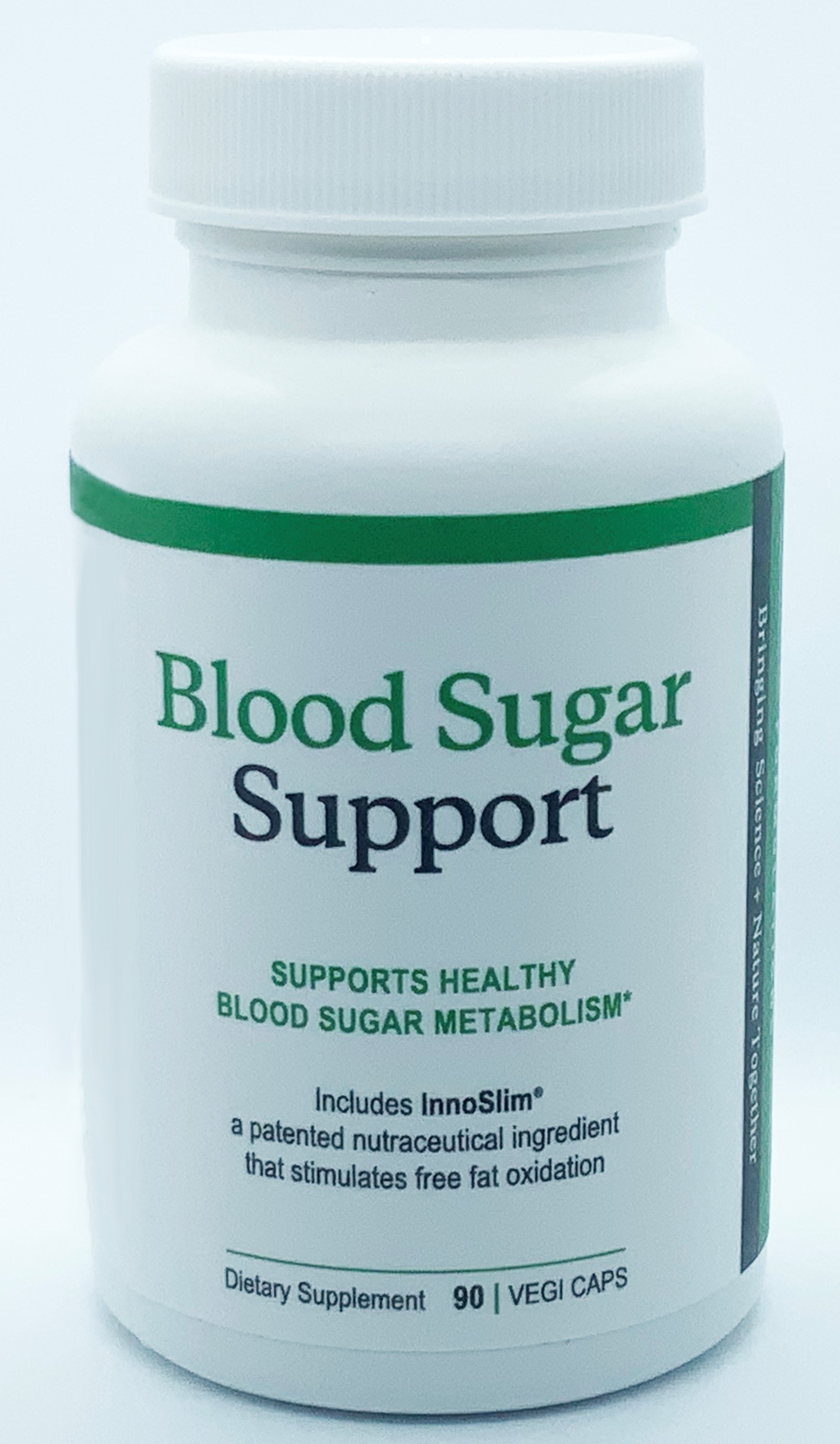
Our Blood Sugar Support formulation is now available!

It includes InnoSlim® a stimulant-free, 100% plant-based ingredient to support healthy weight and glucose metabolism.

InnoSlim® has been shown in clinical trials to enhance fat burning, decrease glucose absorption and enhance metabolic wellness

CLINICAL FINDINGS

Supports healthy weight management*

Supports enhanced fat burning and weight loss*

Decreases circulating glucose (in pre-clinicals)*

Supports healthy insulin sensitivity*

Formulated to:

Support normal blood sugar and insulin levels*

Maintain healthy cholesterol and triglyceride levels already within the normal range*

Support cardiovascular wellness*

Decrease sugar cravings*

Appetite suppression*

Block carbs blocking by inhibiting an enzyme that digests sucrose and starch-derived sugar*

Support healthy blood pressure & circulation*

Maintain blood pressure levels that are already within the normal range*

Support healthy brain function*

Provide antioxidant properties*

Promote a healthy inflammatory response*

Enhance AMPK activity+*

And many others


+ AMPK is an enzyme found in every single cell in our bodies where it functions as a “master regulator” switch for energy production. It also plays a critical role in regulating growth

Ingredients

InnoSlim

Berberine HCl.

Alpha Lipoic Acid

Bitter Melon – 10% Charantins

Gymnema sylvestre – 75 % Gymnemic Acid

Pata de Vaca

Mulberry – 1-Deoxynojirimycin HCl (DNJ) 1%

Chromium Picolinate

Each bottle contains 90 capsules: the recommended dose is one capsule per meal 

For more info or to purchase:

Healthspan Formulations

***Not available in Canada

Like many of you, I am constantly tinkering and experimenting with different modifiable lifestyle factors to try to optimize my quality of life – I am truly a biohacker.

As you would know, there is a big difference between Chronological Age and Biological Age.  We have all worked with patients and seen individuals who look a lot older – or younger than their Chronological Age.

There are a lot of factors that can influence this difference: we cannot discount genetics however as we all know epigenetic expression can be significantly influenced by lifestyle and environmental factors.

So factors that we typically help our patients with would be included, such as diet, sleep, exercise, mental attitude, exposure to environmental toxins etc. can influence Biological Age.

When I am working with clients, I use a technology device which I have referred to previously – the iHeart technology which functions as a pulse oximeter but as well it measures AoPWV- Aortic Pulse Wave Velocity which is a measurement of aortic flexibility.

This biomarker is increasingly being used by progressive cardiologists and other health care practitioners as an indication of CV health and the potential for future events including sudden death, strokes and heart attacks. 

This is considered a more accurate predictor of these events vs. lipid panels due to the fact that approximately 40% of individuals who have one of these events have normal lipid panels.

But what I really love about the iHeart is that it has an algorithm which compares Chronological Age vs. Biological Age.

I use this technology with all my clients and I find it works well to convey the concept of Healthspan and to optimize compliance.

I use this device regularly on myself and I get good results: I am 66 years old and my Biological Age result is typically around 25 years of age.

I take a lot of supplements and I have been doing some experimentation recently whereby I would check my Biological Age before and after taking my supplements to see if they were having any impact on my Biological Age results.

And sure enough, recent experimentation has shown that prior to taking my supplements my Biological Age reading was around 40 years – and then an hour or two after taking my supplements it was down to around 25 years of age.

And then I wanted to see if I could determine which of my supplements was having the most significant effect.

Sure enough the most significant impact came from just two supplements which would decrease my Biological Age by approximately 15 years and these two supplements turned out to be our two key Integra Nutrition formulations: Pricera, our very popular NAD+ precursor formulation as well as our GenZogenol formulation.

I won’t go into detail on these two formulations in this article: if you want more details on them, have a look at our Integra Nutrition website.

GenZogenol: this formulation includes a key ingredient – Enzogenol which has been shown in a rat study to LENGTHEN telomeres by 40% and in a mouse study to to lengthen healthspan and lifespan by the equivalent of approximately 15 years in humans.

Pricera: is an NAD+ precursor formulation and according to the published literature the best on the market.***

NAD+ levels decrease by 50% by the age of 50 and they are down by 90-96% by the age of 80.

One key factor about NAD+ is it is necessary to activate the Sirtuin longevity genes so if these are not being activated, it accelerates vascular aging which has an impact on virtually every cell in the body.

Optimizing NAD+ levels can have a significant impact on energy levels due to its impact on mitochondrial function: many users feel a surge in energy levels even within 24-72 hours.

These two formulations can have a dramatic positive impact on your personal aging process and healthsplan.

In addition, they can have a significant positive impact on pretty much all chronic, degenerative conditions.

If you would like to get some additional documentation of these two formulations – including some of the published research, reach out to me.

Pricera Testimonials

Liking Pricera 🙂

Definitely boosting energy and focus.
It’s been ages since I got out in the evening for a bike ride just because I was so knackered.

This changed within 2 days of starting the Pricera.
Also more mental clarity.

Chris Spooner, ND
Vernon, BC

For a number of years I have been dealing with low energy and stamina, Chronic Fatigue and hand tremors.

One of the key areas where Pricera impacts me is my energy levels – in the past, I often could only work for 4-5 hours before I felt exhausted and would have to stop.

Some days it felt like my energy levels were so depleted that it was a struggle to get out of bed.

Since starting on the Pricera, I have experienced a tremendous boost to my energy levels and I can now work 8-10 hours at a stretch.

I have gained more stamina, energy and clarity and I have seen a significant improvement in my exercise capacity.

For myself, Pricera has been a life saver, and I will not miss a single day taking it!

MG Vancouver, BC