Category: Bacteria, Viruses, Fungi, Parasites

Systems Homeostasis Perspective

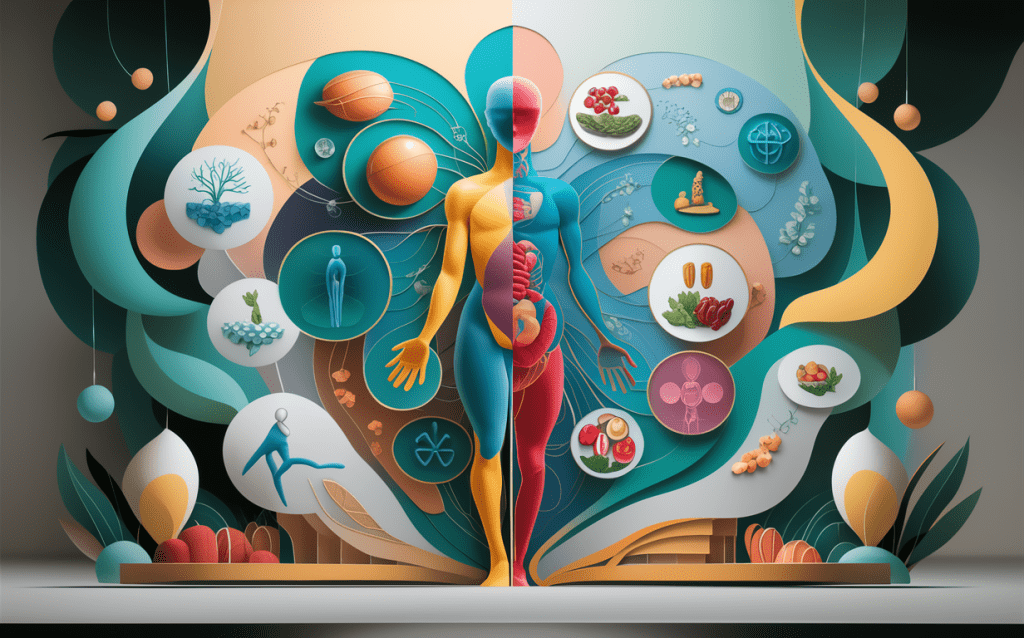
This article approaches chronic dysfunction through a systems homeostasis lens, emphasizing stress physiology, neuroendocrine regulation, and downstream tissue tolerance rather than isolated organ-based causality.

A Systems Perspective on Stress, Regulation, and Downstream Dysfunction

It’s increasingly common to hear the phrase: “All health and disease start in the gut.”

This view exists for good reason. The gastrointestinal system is central to digestion, immunity, inflammation, and nutrient assimilation. It is richly innervated, metabolically demanding, and highly responsive to environmental inputs. When systems are under strain, the gut is often one of the first places dysfunction becomes visible.

But visibility is not the same as origin.

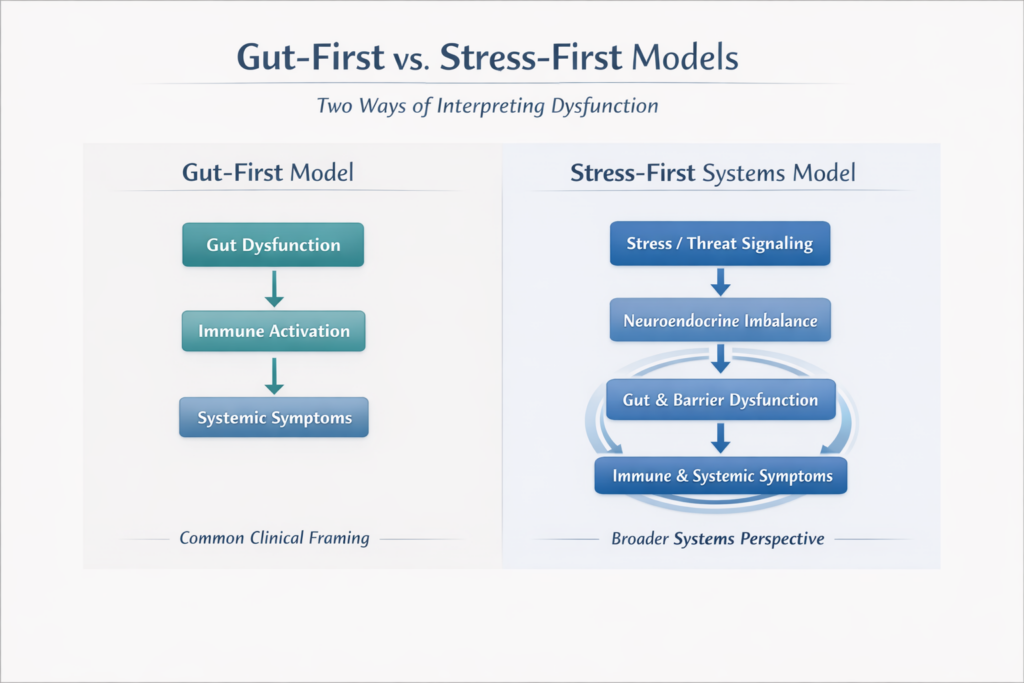
From a systems homeostasis and neuroendocrine perspective, chronic dysfunction rarely begins in the gut. More often, it begins with stress signaling and loss of regulatory control, with gastrointestinal dysfunction emerging downstream.


Why the Gut Often Appears to Be the Starting Point

The gut is uniquely sensitive to systemic stress because it is:

  • highly dependent on autonomic balance
  • energetically expensive to maintain
  • tightly coupled to immune signaling
  • responsive to circadian and neuroendocrine regulation

When stress physiology becomes chronic, digestive capacity, motility, barrier integrity, and immune tolerance are among the first functions to degrade.

This makes the gut an excellent early indicator of dysregulation — but not necessarily the primary driver.


Stress as the Upstream Signal

In a systems-based model, stress precedes dysfunction.

Stress here is not limited to psychological stress. It includes:

  • perceived threat
  • sleep disruption
  • metabolic strain
  • inflammatory load
  • under-recovery
  • circadian mismatch

These stressors converge on the HPA axis, autonomic nervous system, and neuroimmune signaling, altering how energy is allocated, how barriers are maintained, and how inflammation is resolved.

As regulatory capacity declines, gastrointestinal function adapts accordingly — often by reducing digestive output, increasing permeability, and activating immune defenses.


When Treating the Gut Alone Falls Short

When dysfunction is assumed to start in the gut, practitioners may:

  • over-target gastrointestinal findings
  • escalate protocols based on lab abnormalities
  • miss upstream drivers of reduced tolerance
  • unintentionally increase total system load

In these cases, improving gut markers does not reliably translate into improved clinical outcomes — not because gut work is misguided, but because the system driving the dysfunction has not been addressed.


A More Accurate Systems Sequence

From a neuroendocrine systems perspective, dysfunction more often follows this pattern:

Stress / Threat Signaling

→ Neuroendocrine Dysregulation

→ Autonomic Imbalance

→ Loss of Digestive Capacity

→ Barrier Dysfunction

→ Immune Activation

→ Systemic Symptoms

The gut is central — but it is not primary.


Why This Distinction Matters Clinically

Recognizing the gut as a downstream responder rather than the origin allows care to become:

  • better sequenced
  • less aggressive
  • more tolerable
  • more sustainable

Interventions shift from correcting findings to restoring regulatory capacity, often allowing gastrointestinal function to normalize as part of broader recovery.


Systems Reminder

You don’t treat where dysfunction appears.

You treat the system that made dysfunction necessary.

The gut tells an important story — but it is rarely the first chapter.


How I Work

I approach clinical and formulation work through a systems homeostasis framework, prioritizing stress physiology, regulatory capacity, and intervention tolerance before targeting downstream findings. This sequencing supports recovery rather than overwhelming already stressed systems.


Selected References

Ingredient Intelligence™ Vol. 1

Vitamin C is one of the most widely used nutrients in modern nutrition, yet the conversation around it has remained surprisingly shallow.

Most discussions stop at dosage or reduce vitamin C to a single molecule — ascorbic acid — without addressing source, biological context, delivery route, or formulation design. In clinical practice and product development, those distinctions often matter far more than the numbers printed on a label.

Vitamin C can function as a daily nutritional requirement, a systems-level regulatory compound, or a therapeutic intervention — depending entirely on how it is sourced, delivered, and paired. Understanding those differences is essential for clinicians, formulators, and companies aiming to work with physiology rather than against it.


Humans Can’t Make Vitamin C — Most Animals Can

Unlike most mammals, humans cannot synthesize vitamin C.

This trait is shared by only a small number of species, most notably humans, other higher primates, and guinea pigs. Most mammals produce vitamin C endogenously in amounts that, when scaled to human body weight, would equate to several grams per day.

As a result, humans are entirely dependent on dietary or supplemental vitamin C and are more sensitive to deficiency during periods of stress, infection, inflammation, or tissue repair. From a systems perspective, vitamin C is foundational, not optional.


Synthetic Vitamin C: What It Is

Most synthetic vitamin C used globally is isolated ascorbic acid produced through an industrial chemical process, often beginning with corn-derived glucose.

Synthetic ascorbic acid is:

  • Chemically identical at the molecular level
  • Stable, inexpensive, and easy to standardize

This makes it useful for food fortification, short-term correction, and clinical or pharmaceutical applications. However, it represents only one component of how vitamin C appears and functions in nature.


Natural Vitamin C: A Biological Matrix

Whole-food vitamin C sources deliver ascorbic acid within a biological matrix that includes bioflavonoids, polyphenols, and other phytonutrients that influence absorption, tolerance, and cellular signaling.

Common practitioner-grade sources include:

  • Acerola cherry
  • Camu camu
  • Amla (Indian gooseberry)
  • Kakadu plum (Australia’s richest known natural vitamin C source)

These cofactors matter because vitamin C does not act in isolation in living systems.


Why Formulation Context Matters

Vitamin C participates in:

  • Redox signaling (not just antioxidant activity)
  • Collagen synthesis and connective tissue integrity
  • Immune cell function
  • Endothelial and vascular health
  • Iron metabolism

When delivered with its natural cofactors, vitamin C tends to be better tolerated at functional doses and integrates more smoothly into immune and vascular pathways. This helps explain why some individuals experience gastrointestinal irritation with high-dose isolated ascorbic acid, but not with food-based vitamin C systems.

From a formulation standpoint, serious products avoid vitamin C in isolation and instead design systems-level complexes.


Therapeutic Oral Vitamin C and Gastrointestinal Context

Vitamin C has also been used clinically in short-term therapeutic oral protocols, sometimes titrated up to an individual’s bowel tolerance, particularly in gastrointestinal support contexts.

At higher oral doses, unabsorbed vitamin C remains within the intestinal lumen, where it may:

  • Increase osmotic activity
  • Alter local pH and redox conditions
  • Create an environment less favorable for certain pathogens

This approach has historically been used as a temporary therapeutic strategy, distinct from daily nutritional intake. Bowel tolerance varies widely between individuals and reflects differences in gut integrity, inflammatory status, absorptive capacity, and microbial composition.


High-Dose and IV Vitamin C: Context Matters

It is essential to distinguish nutritional vitamin C use from pharmacologic application.

High-dose intravenous (IV) vitamin C has been explored in medical settings such as integrative oncology, where plasma concentrations far exceed what is achievable orally. At these levels, vitamin C may act as a pro-oxidant, generating localized oxidative effects that are context- and dose-dependent.

These applications represent medical therapy, not nutrition, and should not be evaluated by the same criteria as oral vitamin C.


The Real Distinction

This is not a “natural versus synthetic” argument.

It is a context and intent argument.

  • Synthetic ascorbic acid has a role in fortification and medical therapy
  • Natural vitamin C systems are better aligned with long-term immune, vascular, and metabolic support

The real question is not how much vitamin C — but in what form, with what cofactors, and for what purpose.

That’s the vitamin C conversation we’re not having — and the one that matters most.


Vitamin C is one of the most widely used nutrients in modern nutrition, yet the conversation around it has remained surprisingly shallow.

Most discussions stop at dosage or reduce vitamin C to a single molecule — ascorbic acid — without addressing source, biological context, delivery route, or formulation design. In clinical practice and product development, those distinctions often matter far more than the numbers printed on a label.

Vitamin C can function as a daily nutritional requirement, a systems-level regulatory compound, or a therapeutic intervention — depending entirely on how it is sourced, delivered, and paired. Understanding those differences is essential for clinicians, formulators, and companies aiming to work with physiology rather than against it.


Humans Can’t Make Vitamin C — Most Animals Can

Unlike most mammals, humans cannot synthesize vitamin C.

This trait is shared by only a small number of species, most notably humans, other higher primates, and guinea pigs. Most mammals produce vitamin C endogenously in amounts that, when scaled to human body weight, would equate to several grams per day.

As a result, humans are entirely dependent on dietary or supplemental vitamin C and are more sensitive to deficiency during periods of stress, infection, inflammation, or tissue repair. From a systems perspective, vitamin C is foundational, not optional.


Synthetic Vitamin C: What It Is

Most synthetic vitamin C used globally is isolated ascorbic acid produced through an industrial chemical process, often beginning with corn-derived glucose.

Synthetic ascorbic acid is:

  • Chemically identical at the molecular level
  • Stable, inexpensive, and easy to standardize

This makes it useful for food fortification, short-term correction, and clinical or pharmaceutical applications. However, it represents only one component of how vitamin C appears and functions in nature.


Natural Vitamin C: A Biological Matrix

Whole-food vitamin C sources deliver ascorbic acid within a biological matrix that includes bioflavonoids, polyphenols, and other phytonutrients that influence absorption, tolerance, and cellular signaling.

Common practitioner-grade sources include:

  • Acerola cherry
  • Camu camu
  • Amla (Indian gooseberry)
  • Kakadu plum (Australia’s richest known natural vitamin C source)

These cofactors matter because vitamin C does not act in isolation in living systems.


Why Formulation Context Matters

Vitamin C participates in:

  • Redox signaling (not just antioxidant activity)
  • Collagen synthesis and connective tissue integrity
  • Immune cell function
  • Endothelial and vascular health
  • Iron metabolism

When delivered with its natural cofactors, vitamin C tends to be better tolerated at functional doses and integrates more smoothly into immune and vascular pathways. This helps explain why some individuals experience gastrointestinal irritation with high-dose isolated ascorbic acid, but not with food-based vitamin C systems.

From a formulation standpoint, serious products avoid vitamin C in isolation and instead design systems-level complexes.


Therapeutic Oral Vitamin C and Gastrointestinal Context

Vitamin C has also been used clinically in short-term therapeutic oral protocols, sometimes titrated up to an individual’s bowel tolerance, particularly in gastrointestinal support contexts.

At higher oral doses, unabsorbed vitamin C remains within the intestinal lumen, where it may:

  • Increase osmotic activity
  • Alter local pH and redox conditions
  • Create an environment less favorable for certain pathogens

This approach has historically been used as a temporary therapeutic strategy, distinct from daily nutritional intake. Bowel tolerance varies widely between individuals and reflects differences in gut integrity, inflammatory status, absorptive capacity, and microbial composition.


High-Dose and IV Vitamin C: Context Matters

It is essential to distinguish nutritional vitamin C use from pharmacologic application.

High-dose intravenous (IV) vitamin C has been explored in medical settings such as integrative oncology, where plasma concentrations far exceed what is achievable orally. At these levels, vitamin C may act as a pro-oxidant, generating localized oxidative effects that are context- and dose-dependent.

These applications represent medical therapy, not nutrition, and should not be evaluated by the same criteria as oral vitamin C.


The Real Distinction

This is not a “natural versus synthetic” argument.

It is a context and intent argument.

  • Synthetic ascorbic acid has a role in fortification and medical therapy
  • Natural vitamin C systems are better aligned with long-term immune, vascular, and metabolic support

The real question is not how much vitamin C — but in what form, with what cofactors, and for what purpose.

That’s the vitamin C conversation we’re not having — and the one that matters most.


Canonical CTA

If you are a clinic or practitioner group looking to integrate systems-based immune, cardiovascular, or metabolic support, I work with clinics to design non-pharmacologic, physiology-informed strategies aligned with real-world practice.

If you are a company developing practitioner-grade supplements, powders, or functional drinks, I provide formulation strategy, ingredient architecture, and product development support from concept through commercialization.

Clinical support: OptimumHealthConsulting.com

Formulation consulting: HealthspanFormulations.com

#ProductFormulation #FunctionalNutrition #VitaminC #NutraceuticalInnovation #IngredientIntelligence #RobLamberton #RobertLamberton

Vitamin D has long been associated with bone density, immune balance, and calcium metabolism. Yet emerging research suggests its influence may extend much further—into the cellular mechanisms that govern how we age.

A newly published analysis from the VITAL trial, one of the most robust long-term randomized trials of nutrient supplementation to date, adds an important piece to the longevity conversation. The findings suggest that consistent Vitamin D₃ supplementation modestly but significantly preserved leukocyte telomere length over four years in older adults, compared with placebo.

This does not mean Vitamin D “stops aging.” But it does suggest that maintaining adequate Vitamin D status may help slow one measurable contributor to biological aging, particularly under conditions of metabolic and immune stress.


Telomeres: One Window Into Biological Aging

Telomeres are the protective caps at the ends of chromosomes. Each time a cell divides, telomeres shorten slightly. Over time, excessive shortening is associated with cellular senescence, impaired tissue repair, and increased disease vulnerability.

Telomere length is not destiny, nor is it the sole marker of aging. But it is a useful proxy for cumulative cellular stress—oxidative, inflammatory, immune, and metabolic.

In the VITAL sub-study, participants receiving Vitamin D₃ (2,000 IU/day) experienced significantly less telomere shortening than those receiving placebo. Omega-3 fatty acids, notably, did not show the same effect in this analysis.

The magnitude of benefit was described as modest but statistically significant, which is exactly what we expect from nutritional interventions that support physiology rather than override it.


Why Vitamin D May Matter in a Metabolic Chaos™ Context

From a functional and Metabolic Chaos™ lens, aging is not driven by a single “root cause,” but by interacting stressors that accumulate over time:

  • Immune dysregulation
  • Chronic low-grade inflammation
  • Mitochondrial inefficiency
  • Impaired DNA repair
  • Circadian disruption
  • Reduced hormonal signaling resilience

Vitamin D intersects with many of these systems simultaneously:

  • Immune modulation (innate and adaptive balance)
  • Inflammation signaling control
  • Mitochondrial gene expression
  • Genomic stability and DNA replication fidelity
  • Calcium signaling beyond bone tissue

Rather than acting as an anti-aging “switch,” Vitamin D appears to function more like a system stabilizer—helping cells respond more appropriately to ongoing stress.

In other words, it may help reduce the rate at which Metabolic Chaos accumulates.


No Megadoses, No Biohacking Extremes

One of the most important aspects of the VITAL findings is what wasn’t used:

  • No megadoses
  • No aggressive protocols
  • No pharmacologic intervention

Participants followed consistent, physiologic dosing over years—not weeks—and still demonstrated measurable benefit.

This reinforces a critical principle in functional and nutritional medicine:

Longevity support is often about consistency, sufficiency, and system support—not intensity.


Who Is Most Likely to Benefit?

Vitamin D insufficiency remains common, particularly in individuals who:

  • Spend most of their time indoors
  • Live at northern or southern latitudes
  • Have darker skin pigmentation
  • Experience chronic stress or immune activation
  • Carry higher body fat percentages

In clinical and practitioner settings, Vitamin D status often correlates with immune load, inflammatory tone, and recovery capacity rather than symptoms alone.

This is why testing—not guessing—is essential.


Practical Considerations (General Education Only)

  • Always assess serum 25-hydroxyvitamin D levels before long-term supplementation
  • Many adults fall into a maintenance range with 2,000–4,000 IU/day, though individual needs vary
  • Vitamin D works synergistically with Vitamin K₂, magnesium, and adequate dietary fat
  • Sun exposure, lifestyle stress, sleep, and gut absorption all influence outcomes

Vitamin D should be viewed as one contributor within a broader systems strategy, not a stand-alone solution.


Aging Is Not Just About Time

Chronological aging is inevitable. Biological aging is variable.

Cellular resilience, repair capacity, and immune balance determine how well we adapt to stress over time. Vitamin D appears to support these processes quietly, incrementally, and safely when used appropriately.

Not a miracle.
Not a cure.
But potentially a meaningful support lever for long-term cellular health.


Scientific Reference

Zhu H, et al. Vitamin D₃ supplementation, but not omega-3 fatty acids, preserves leukocyte telomere length over 4 years in older adults: results from the VITamin D and OmegA-3 TriaL (VITAL). The American Journal of Clinical Nutrition. 2025;121(6):1720-1731.
Findings demonstrate modest but statistically significant benefits and warrant further replication.


Work With Me

I work with clinics, practitioners, and health-focused companies to design evidence-aligned nutritional supplement and functional drink formulations, and to help individuals understand how multiple physiological contributors interact over time.

Formulation consulting: HealthspanFormulations.com
Clinical & educational support: OptimumHealthConsulting.com

#VitaminD #LongevityScience #CellularHealth #MetabolicChaos #FunctionalNutrition #NutraceuticalInnovation #HealthyAging #ProductFormulation #RobLamberton #RobertLamberton

Dragon’s Blood, or Sangre de Drago, is the healing red sap of the Amazonian tree Croton lechleri. Traditionally used for wound healing and gut support, it has now gained attention for its mucosal-repairing, antiviral, anti-inflammatory, and tissue-regenerating properties.


What Makes Dragon’s Blood Unique?

Its phytochemistry includes:

  • Proanthocyanidins – antioxidant + mucosal protection
  • Taspine – wound healing and fibroblast activation
  • Dimethylcedrusine – tissue regeneration
  • SP-303 – clinically validated for IBS-D and gut fluid modulation

Key Health Benefits

✔ Supports Gut Healing & Barrier Integrity

Helps with:

  • IBS-D
  • Traveler’s diarrhea
  • Viral diarrhea
  • Leaky gut
  • Ulcer support
  • Post-antibiotic mucosal recovery

✔ Accelerates Wound Repair

Topical use forms a protective natural film that reduces infection and promotes healing.

✔ Antiviral Support

Shown active against influenza, HSV, RSV, rotavirus, and others.

✔ Anti-Inflammatory Effects

Helps reduce oxidative stress and inflammatory cytokines.


Traditional Uses (Rain-Tree / Leslie Taylor ND)

  • Ulcers
  • Diarrhea and dysentery
  • Vaginal and cervical toning
  • Burns, cuts, bites
  • Oral lesions
  • Infection recovery

Forms & Dosing

  • Topical sap or resin
  • Liquid extracts
  • Encapsulated extracts
  • Pharmaceutical SP-303 (Crofelemer)

Conclusion

Dragon’s Blood is a multifunctional botanical with applications for gut health, immune support, mucosal healing, wound recovery, and inflammation management. It represents a valuable tool for integrative health and natural wellness.


Learn more or work with me:

https://healthspanformulations.com


#Dragon’sBlood #SangreDeDrago #FunctionalMedicine #GutHealing #MucosalRepair #BotanicalMedicine #NutraceuticalInnovation #AmazonianHerbs #RainforestMedicine #RobLamberton #RobertLamberton #Healthspan #Longevity #NaturalHealing #ClinicalBotanicals #IntegrativeMedicine #healthspanformulations

By Rob Lamberton, BSc, FNTP, FDN-P (Candidate)
Product Formulator & Functional Health Consultant | roblamberton.com

🌿 Ancient Wisdom Meets Modern Science

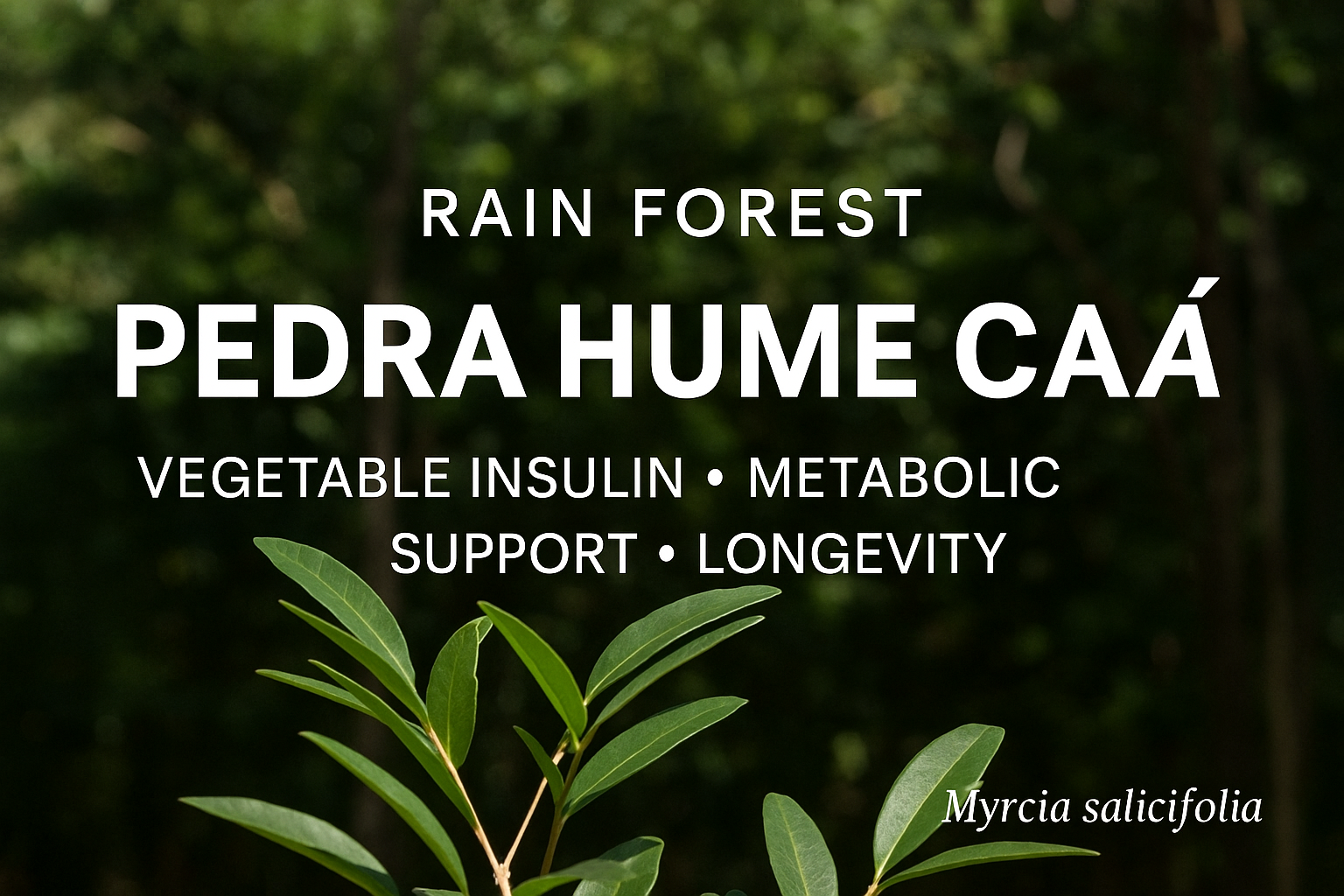
In the Amazon and Brazilian forests, the medicinal herb Pedra Hume Caá — often called the “vegetable insulin” — has long been valued for its ability to balance blood sugar and strengthen kidneys and liver. Modern phytochemical studies confirm its effects on alpha-glucosidase inhibition, antioxidant defense, and insulin sensitivity (Rain-Tree

🧠 Key Traditional Uses

🌿 Supports glucose regulation and metabolic balance
💧 Assists kidney and urinary detoxification
🔥 Reduces inflammation and oxidative stress
🩺 May help normalize lipid and blood-pressure levels


🧬 Phytochemistry & Mechanisms

Pedra Hume Caá contains potent flavonoids and polyphenols — including myrciacitrins, myrciaphenones, quercitrin, catechin, and gallic acid.
Mechanisms include:

  • Inhibition of α-glucosidase & α-amylase → slower carb absorption
  • Improved insulin receptor sensitivity and AMPK activation
  • Protection of liver and kidney tissue via antioxidant enzymes

💡 Formulator’s Insight

As a Product Formulator & Functional Health Consultant, I view Pedra Hume Caá as a cornerstone medicinal herb for metabolic and longevity formulas. It pairs well with:

  • Berberine, Gymnema, Cinnamon, Chromium, Gymnemna sylvestre, Bitter Melon for glycaemic support
  • ALA, CoQ10, PQQ for mitochondrial protection
  • Rhodiola & Ashwagandha for stress-axis stability

⚠️ Because of its hypoglycaemic effects, monitor closely when combined with antidiabetic or antihypertensive agents.


⚖️ Safety Profile

Human and animal data show low toxicity at traditional doses. Avoid during pregnancy or in hypoglycaemia. Standard use: leaf tea (1 cup 2-3× daily) or 1–2 g leaf capsules per meal.


My Personal Experience Clinical Experience: (anecdotal)

Pedra Hume Caá includes compounds referred to as Aldose reductase inhibitors (ARIs) which are substances that act on nerve endings exposed to high blood sugar concentration to prevent some of the chemical imbalances that occur and thus protect the nerves.

I have prescribed to patients dealing with blood sugar/diabetes issues  – as part of a complete functional approach a blood sugar/diabetes formulation I developed which includes Pedra Hume Caá and within 24 – 48 hours their neuropathic pain in their legs and feet disappeared after many years of discomfort.

📚 Key References

  1. Rain-Tree Tropical Plant Database – Pedra Hume Caá (Myrcia spp.), 2025.
  2. Figueiredo-González M et al. J Pharm Biomed Anal. 2016; 118:322-327.
  3. de Oliveira A et al. J Appl Pharma Sci. 2015; 5:89-93.

🤝 Work With Me

I help nutraceutical companies and clinics design science-driven products using medicinal herbs that optimize metabolic health, cognition & longevity. Let’s collaborate on your next evidence-based formula – plus I have well developed supply chains to access these lesser known but very powerful medicinal herbs.

🌐 roblamberton.com

FormulationScience #MedicinalHerbs #MetabolicHealth #IntegrativeHealth #BotanicalMedicine #Longevity #ProductFormulator #RobLamberton #RobertLamberton

By Dr. Richard Z. Cheng, M.D., Ph.D.
Editor-in-Chief, Orthomolecular Medicine News Service
Adapted for RobLamberton.com


⚖️ A Landmark Discovery — And the Question It Didn’t Answer

The 2025 Nobel Prize in Medicine celebrated groundbreaking research explaining how our immune system maintains balance. Scientists discovered how regulatory T cells (Tregs) and the FOXP3 gene keep the immune system from attacking its own tissues — a molecular key to understanding tolerance and autoimmunity.

But while this discovery explains how immune balance is maintained, it leaves unanswered the deeper question:

“Why does this balance so often fail — and why now more than ever?”

That’s where Orthomolecular Medicine comes in.


🌿 The Orthomolecular Perspective: Root Cause Healing

Orthomolecular Medicine looks upstream — at what creates the imbalance in the first place.

Modern living constantly disrupts the redox–metabolic networks that regulate immune function. These aren’t random events. They are predictable biochemical consequences of nutrient depletion, oxidative stress, and toxic exposure — all products of our modern environment and lifestyle.


🍞 1️⃣ Diet: The Everyday Immune Saboteur

The Nobel Prize explained that Tregs calm inflammation.
Orthomolecular Medicine adds: a modern diet rich in processed foods, seed oils, and refined carbs silences those protectors.

High blood sugar and oxidative stress push immune cells toward inflammation. In contrast, whole-food, low-carb, antioxidant-rich diets restore balance and produce butyrate, a compound that reactivates FOXP3 — the immune system’s peacekeeper.

✅ Within weeks, better nutrition and movement can restore immune balance at its source — often achieving what billion-dollar drugs attempt to mimic.


☀️ 2️⃣ Micronutrients: The Foundation of Immune Tolerance

  • Vitamin D3 activates the FOXP3 gene through the vitamin D receptor.
  • Vitamin C helps “unmethylate” and stabilize this gene via enzyme activation.
  • Niacin (vitamin B3) and butyrate promote immune tolerance through GPR109A signaling.

When these nutrients are low — as they often are — immune regulation falters.
Replenishing them is not “alternative medicine.” It’s cellular maintenance — the foundation of immune resilience.


☣️ 3️⃣ Toxins & Stress: Breaking Redox Control

Air pollution, pesticides, plastics, and chronic stress generate oxidative injury that suppresses FOXP3 and promotes inflammatory dominance.

This toxic overload is one of the hidden autoimmune triggers of our era.
Orthomolecular detoxification — supporting liver, gut, and mitochondrial function — helps rebuild the redox terrain on which immune balance depends.


💥 The Ten Root Causes of Immune Imbalance

  1. Poor diet and metabolic stress
  2. Micronutrient deficiencies
  3. Environmental toxins
  4. Gut microbiome imbalance
  5. Hormonal dysregulation
  6. Chronic stress
  7. Physical inactivity
  8. Overmedication (polypharmacy)
  9. Epigenetic instability
  10. Early-life nutritional deficits

Across all ten, the common denominator is mitochondrial and redox injury.


🌿 How Orthomolecular Medicine Rebuilds Balance

  • Nutrition first: Real food, balanced carbs, rich in antioxidants
  • Micronutrient repletion: Vitamins C, D3, B3, Zn, Mg, Se
  • Detoxification: Reduce toxins, rebuild glutathione, repair the gut
  • Lifestyle optimization: Movement, sleep, stress recovery, hormone balance

These are not fringe therapies — they are biochemical first aid for the modern world.


💡 The Takeaway

The Nobel scientists revealed how the immune system maintains balance.
Orthomolecular Medicine explains why it fails — and how to restore it.

When we repair the terrain, FOXP3 and Tregs do what evolution designed them to do — keep us in balance naturally.


📖 Learn more at Orthomolecular.org

  • 1
  • 2
  • 4