Author: Rob

Cardiovascular Disease continues to be the leading cause of death globally.

There are many causes and contributing factors which can facilitate the development of CVD.

Exposure to environmental toxins is not a cause that typically comes to mind.

Today I want to share with you (an abbreviated) article written by Ronald Grisanti, from Functional Medicine University.

The topic of the article is glyphosate, the herbicide in Roundup™ and it talks about how exposure to glyphosate can contribute to CVD.

Glyphosate exposure can contribute to many other health issues.

There has been a direct correlation between the increasing application of glyphosate and the increase in the incidence of chronic, degenerative diseases.

Here are a couple of examples:

For more examples this article from Truthout.org has more details.


Following is the article.

Glysophate (Roundup) and Cardiovascular Disease

Ronald Grisanti D.C., D.A.B.C.O., DACBN, MS, CFMP

Glyphosate is a worldwide commonly used herbicide and is the primary toxic chemical in Roundup™, as well as in many other herbicides.

Growing number of clinical studies have discovered glyphosate exposure to be a cause of many chronic health problems including heart disease.

It can enter the body by direct absorption through the skin, by eating foods treated with glyphosate, or by drinking water contaminated with glyphosate.

Some studies have shown cardiac electrophysiological changes associated to glyphosate.

These changes can lead to the development of life-threatening arrhythmias.

Some studies suggests that glyphosate has athersclerosis potential, regardless of the concentration and route of exposure.

Treatment:

There are several things you can do to minimize — and even eliminate — glyphosate contamination

The most effective way to reduce glyphosate exposure is to avoid living in areas where glyphosate is applied and to avoid eating GMO foods or animal products such as milk or meat for which GMO foods were used to feed the animals.

If you suspect you are dealing with glyphosate exposure it is best to seek out the health of a knowledgeable health care practitioner.

The following should also be included in your glysophate detox protocol:

  1. Citrus pectin
  2. Alginates (purified from kelp)
  3. Glycine
  4. Gingko biloba
  5. Organic Iceland kelp
  6. Probiotics and prebiotics
  7. Infrared sauna

Today I wanted to share with you some published research which suggests that a common and readily accessible nutritional compound – 5-HTP may be able to mitigate the severity of Rheumatoid Arthritis (RA) and if it is consumed early on in the development stage of RA that it may in fact prevent the RA from developing.

Note that this study was done using an animal model – mice.

Rheumatoid Arthritis

From the Rheumatoid Arthritis. org website:


Rheumatoid arthritis (RA) is a complex disease that affects each patient differently. People from all ethnic backgrounds are at risk of developing RA. It is the third most common type of arthritis behind osteoarthritis and gout.

RA Facts and Statistics

RA is a chronic disease affecting over 1.3 million Americans and as much as 1% of the worldwide population. The specific cause of RA is not known, and as a result there is no known cure for the disease.

Researchers do know, however, that RA is the result of an autoimmune disorder. It is one of the most common autoimmune disorders – more common than psoriasis, Crohn’s disease, multiple sclerosis, and lupus. RA symptoms are triggered when a person’s antibodies mistakenly attack the normal synovial joint fluid, causing chronic inflammation.

Women are up to three times more likely to develop RA than men. Women are also more likely to develop the disease at a younger age than men. RA generally begins to affect people between the ages of 30 and 60 years old. The average person doesn’t develop symptoms of RA until they reach their 60’s.

————————————————————————————————-

Following is an article from the Life Enhancement website which discusses this published research on 5-HTP for RA

Here is the link to the actual abstract if you want to review it.


In the article, it suggests that 5-HTP can be useful for Asthma, Depression, Obesity, Headaches, Fibromyalgia, Insomnia, and Arthritis.

Regards,

Rob


In addition to its use as an antidepressant …

New research brings additional clarity to the mechanisms of 5-HTP

The amino acid tryptophan is essential for humans, meaning the body cannot synthesize it and must obtain it from the diet. A tryptophan deficiency can lead to serious emotional imbalances as well as diminished neural health.

In part, this is because tryptophan is a precursor to serotonin and melatonin. To synthesize these, tryptophan drives two major metabolic pathways: the serotonin pathwayand kynurenine pathway.

The Pathway to Well-Being and Happiness

In the serotonin pathway, tryptophan is catalyzed into 5-hydroxytryptophan (5-HTP) by tryptophan hydroxylase-1 and then converted into serotonin. Biochemically derived from tryptophan or 5-HTP, serotonin is principally found in the gastrointestinal tract, blood platelets, and the central nervous system of humans and animals. Serotonin is generally thought to be a contributor to feelings of well-being and happiness.

Does Kynurenine Provide a Pathway to Inflammation?

A tryptophan deficiency can lead to 
serious emotional imbalances as well 
as diminished neural health.

In the kynurenine pathway, tryptophan is catalyzed into N-formylkynurenine by indoleamine 2,3 dioxygenase (IDO) and then converts into L-kynurenine. L-kynurenine is a metabolite of the amino acid L-tryptophan used in the production of niacin. However, the Kynurenine pathway is a mixed bag. Rheumatoid arthritis patients have increased kynurenine levels in their blood1,2 and its levels are positively correlated with C- Reactive Protein (CRP), a measure of inflammation.3

Serotonin is generally thought to be a 
contributor to feelings of well-being 
and happiness.

5-HTP Suppresses Inflammatory Responses 

In a new Taiwan study,4 researchers note that 5-HTP suppresses inflammatory responses in mouse models of asthma and sepsis. In prior studies, 5-HTP inhibited the production of pro-inflammatory mediators in different cell lines. These associations stimulated the researchers interest in whether 5-HTP could suppress inflammation and disease activity in collagen-induced arthritis (CIA) in mice. CIA is an animal form of human rheumatoid arthritis (RA).

The Value of Rheumatoid Arthritis’s Therapeutic Window

Evidence is accumulating that a preclinical phase is present before the onset of clinical signs and symptoms of RA. This phase represents an important therapeutic window within which interventions can dramatically modulate outcomes.

RA is a chronic inflammatory disorder that, unlike the wear-and-tear damage of osteoarthritis, typically affects the small joints in the hands and feet. RA also affects the lining of joints, causing a painful swelling that can eventually result in bone erosion and joint deformity. RA can occur at any age, although it usually begins after age 40 and is much more common in women.

Preventative Desired

An agent that could prevent RA in the preclinical phase would be a novel approach. In this study, the Taiwan researchers investigated whether the tryptophan metabolite, 5-HTP, could act as such an agent for the primary prevention of CIA. The CIA mouse model is the most commonly studied autoimmune model of rheumatoid arthritis. It is widely used to address questions of disease pathogenesis and to validate therapeutic targets.

5-HTP suppresses 
inflammatory responses in mouse 
models of asthma and sepsis.

5-HTP Suppressed Cell Proliferation

The Taiwan researchers found that 5-HTP given at 10, 20 and 50 μg/ml suppressed cell proliferation and decreased the production of Interleukin (IL)-22 type cells, which regulate the pathogenesis of autoimmune diseases.

5-HTP also suppressed the expression of IL-17, TNFα, IFNγ and T-bet in activated splenocytes (spleen cells). These findings did not result from cell death, because 5-HTP did not increase cell death at these levels.

It’s a Matter of Timing

In their animal studies, a supplement of 5-HTP from day 20 did not affect the disease course. However, 5-HTP given from day 7 before induction significantly decreased the arthritis scores and joint inflammation. Earlier was better than later.

5-HTP May Prevent RA

According to the Taiwan study, patients with allergy/asthma commonly have associated symptoms of anxiety/depression. These results suggest that 5-HTP supplements can be an approach to prevent arthritis.

5-HTP taken orally suppressed allergic lung inflammation, even though cytokine levels were not decreased on broncho-alveolar lavage (BAL).5 BAL is a medical procedure in which a bronchoscope is passed through the mouth or nose into the lungs and fluid is squirted into a small part of the lung and then collected for examination. It is typically performed to diagnose lung disease. (See “Galantamine Protects Against Lung Injury,” the sidebar in the lead article “Stop Smoking with Galantamine” in this issue.)

5-HTP given from day 7 before 
induction significantly decreased the 
arthritis scores and joint 
inflammation.

Serotonin and Major Depressive Disorders

Decreased levels of serotonin in the central nervous system are associated with major depressive disorders. Treatment with selective serotonin reuptake inhibitors (SSRIs) or supplementation with serotonin precursors (tryptophan and 5-HTP) is an important strategy in depression therapy. SSRIs can block serotonin re-uptake and thus increase serotonin levels in the brain and improve depression. Tryptophan and 5-HTP can make serotonin in the body and also improve depression.

SSRIs and Supplements

Of interest, certain SSRIs can decrease the production of pro-inflammatory cytokines, suppress airway inflammation in asthma patients, and reduce disease activity in RA patients. SSRIs have also been found to decrease the arthritis scores in CIA mice and suppress cytokine production in macrophages and synovial membrane cells. But SSRIs are not without adverse effects.

Patients with allergy/asthma 
commonly have associated symptoms 
of anxiety/depression.

The Taiwan researchers found that the SSRI fluoxetine (aka Prozac) effectively decreased the production of IFNγ and TNFα in activated splenocytes. In the animal study, it was found that 5-HTP given orally increased the serum levels of serotonin, whereas parenteral 5-HTP did not affect the serum levels of serotonin in CIA mice. Thus, regulation of serotonin levels is not likely to be the major mechanism behind the suppression of arthritis by 5-HTP in the CIA mice.

RA patients have increased kynurenine levels in the blood, and the levels are positively correlated with C-reactive protein. In addition, RA patients have increased indoleamine 2,3 dioxygenase (IDO) activity in the synovial fluid.

5-HTP Regulates Immune Responses

The Taiwan study provides both in vitro and in vivo evidence that 5- HTP, a tryptophan metabolite, can regulate immune responses. Taking a 5-HTP supplement before CIA induction can decrease disease activity, suppress joint inflammation and cause minimal side effects in CIA mice. Nevertheless (you’ve undoubtedly heard this before), further studies are required to elucidate whether the common dietary supplement 5-HTP can act as an agent for primary prevention of RA.

5-HTP taken orally 
suppressed allergic lung 
inflammation, even though cytokine 
levels were not decreased on 
broncho-alveolar lavage.

Also in the Taiwan study, it was found that 5-HTP did not affect the cytokine levels in the serum or the percentages of IFNγ+CD4+ T cells in the spleen. However, 5-HTP suppressed the expression of TNFα and IL-6 in the inflamed ankle joints and decreased the percentages of IFNγ+CD4+ T cells in the draining lymph nodes. These results suggest that 5-HTP decreased arthritis activity without affecting systemic immunity.

Serotonin Up; Kynurenine Down

Of great interest, pro-inflammatory cytokines such as TNFα, IL-1 and IFNγ can increase IDO expression and promote serotonin re-uptake, resulting in increased levels of kynurenine and decreased levels of serotonin. Indeed, IDO is the first and rate-limiting enzyme of tryptophan catabolism through the kynurenine pathway, thus causing depletion of tryptophan, which can cause halted growth of microbes as well as T cells.

The study showed that mice with a higher arthritis score were more likely to have high serum levels of kynurenine and low levels of serotonin.

5-HTP for Asthma, Depression, Obesity, Headaches, Fibromyalgia, Insomnia, and Arthritis

As reported by the Taiwan scientists, in mouse models of asthma, the amount of 5-HTP given to the mice was equivalent to consumption of 200 mg per day by a 100 lb person. In their study, the daily consumption of 5-HTP was equivalent to between 384 mg and 1,920 mg per day by a 132 lb person.

5-HTP given orally increased the 
serum levels of serotonin.

5-HTP is indicated for depression, obesity, headaches, fibromyalgia and insomnia. A 5-HTP supplement is well-tolerated and causes minimal side effects. In clinical studies, the doses of 5- HTP in the treatment of depression have been from 20 to 3,250 mg per day.

Treatment with 5- HTP at 600 mg per day was also found to decrease the frequency of migraine and improve insomnia. In a mouse model of asthma, the amount of 5-HTP given to the mice was equivalent to consumption of 200 mg per day by a 100 lb person.

In the Taiwan animal study, 5-HTP given orally did not affect body weight or cause diarrhea. However, the daily consumption of 5-HTP was equivalent to 384 mg and 1,920 mg per day by a 132 lb person. Furthermore, 5-HTP given by i.p. injection at 30, 100 and 300 mg/kg decreased the production of TNFa in a sepsis model.

These results suggest that 5-HTP 
decreased arthritis activity without 
affecting systemic immunity.

The mice receiving the i.p. amounts at 30, 100 and 300 mg/kg (human equivalents of 160 mg, 527 mg, 1,580 for a 132 lb person) had improved arthritis scores and decreased joint inflammation.

Today I wanted to share with you the results of a recently released meta-analysis published in JAMA questioning the benefits of statins:

A new meta-analysis questions the science demonstrating the link between statin-induced LDL-C lowering and improved CV, all-cause outcomes.

Pricera – NAD+ Precursor Highlight

From the Innovative Medicine website:

NAD+ and the Brain

One of the most impacted organs from NAD+ deficiency is the brain. NAD+ plays a vital role in the brain, with a 2007 study stating, “NAD+ and NADH (the reduced form of NAD+) may also mediate brain aging and the tissue damage in various brain illnesses. Our latest studies have suggested that NADH can be transported across the plasma membranes of astrocytes, and that NAD+ administration can markedly decrease ischemic brain injury. Based on this information, it is proposed that NAD+ and NADH are fundamental mediators of brain functions, brain senescence and multiple brain diseases.”

NAD+ helps to replenish the supply of neurotransmitters, improve cognitive functioning, withdraw from addictive substances, overcome anxiety, depression, chronic or acute stress, post-traumatic stress, CTE, and other conditions by giving the brain what it needs to return to proper functioning. NAD+ has been shown to be effective with cases of brain fog, cognitive impairment, and “chemo brain”. It has a powerful capacity to “reset” the brain to its original set point.

Reach out to me if you would like to get some more info on NAD+ therapy, our very popular practitioner grade NAD+ precursor formulation, the Sirtuin Longevity Genes etc.
——————————————————————————————–
As you may know, statins have been a very popular prescription drug for many years for Cardiovascular Disease..

There are many potential negative side effects associated with the use of statins.

I witnessed this with my own parents. Lifestyle issues were involved however my father ended up becoming diabetic, he developed dementia and he had so little energy that we had to install an electronic lift for him to get up the stairs due primarily to the consumption of statins.

I had predicted all of these outcomes to my parents several years earlier if they continued their consumption of statins.

Hopefully this meta-analysis will provide ourselves as well as other health care practitioners in addition to the general public with further clinical data to be able to make an informed decision regarding the usage of statins.

Here is the article from the Patient Care Online website:

Current evidence on the association between statin therapy-driven lowering of low-density lipoprotein cholesterol (LDL-C) and reductions in negative cardiovascular (CV) outcomes as well as all-cause mortality may no longer be indisputable, according to authors of a new meta-analysis.

Findings from research led by Paula Byrne, PhD, HRB Centre for Primary Care Research, RCSI University of Medicine and Health Sciences, Dublin, suggest that lowering LDL-C using statins has an inconsistent and inconclusive impact on CVD outcomes such as myocardial infarction (MI), stroke, and all-cause mortality. Specifically, the authors conclude that the association between statin-induced reduction in LDL-C and absolute risk reduction (ARR) compared with relative risk reduction (RRR) in these outcomes is modest, at best.

“The message has long been that lowering your cholesterol will reduce your risk of heart disease, and that statins help to achieve this,” Byrne said in a RCSI statement. “However, our research indicates that, in reality, the benefits of taking statins are varied and can be quite modest.”

Byrne and colleagues set out to look more closely at the association between statin-induced reductions in LDL-C and the absolute risk reduction in individual clinical outcomes with an ultimate objective to facilitate shared decision-making between clinicians and patients and inform clinical guidelines and policy.

The primary outcome associated with statin use they sought to clarify was all-cause mortality and secondary outcomes included myocardial infarction and stroke.

The investigators searched PubMed and Embase for eligible trials from January 1987 to June 2021. For inclusion trials had to examine efficacy of statins vs placebo or usual care in reducing total mortality and CV outcomes, enrolled ≥1000 participants aged >18 years, have a planned duration of ≥2 years, and reported absolute changes in LDL-C levels.

The final meta-analysis included 21 trials with at least 1000 participants. Of those, 33% were primary CVD prevention trials, 29% were studies of secondary CVD prevention, and 38% included both primary and secondary prevention populations.

Trial size ranged from 1255–20 536 patients. After pooling, statin and control arms each had >66 000 patients. Average follow-up among all trials was 4.4 years (range 1.9-6.1). LDL-C differences achieved ranged from 17-68 mg/dL.

Absolute and relative risk compared

Writing in JAMA Internal Medicine, Byrne et al report among patients randomized to receive statin treatment, an absolute risk reduction (ARR) of 0.8% (95% CI, 0.4-1.2%) for all-cause mortality, 1.3% for MI (95% CI, 0.9-1.7%), and 0.4% (95% CI, 0.2-0.6%) for stroke.

They found associated relative risk reductions for statin-treated patients of 9% (95% CI, 5-14%), 29% (95% CI, 22-34%), and 14% (95% CI, 5-22%) respectively.

Results of a metaregression to explore the potential mediating association of the magnitude of statin-induced LDL-C reduction with relative and absolute treatment effects were inconclusive, demonstrating a proportion of between-study variance explained by LDL-C ranging from 0-14%.

 Absolute risk reductions of treatment with statins in terms of all-cause mortality, MI, and stroke are modest compared with the relative risk reductions. A conclusive association between absolute reductions in LDL-C levels and individual clinical outcomes was not established, and according to the authors, these findings underscore the importance of discussing absolute risk reductions when making informed clinical decisions with individual patients.

Some association was found for the relative effects on all-cause mortality and stroke, but not for myocardial infarction. Similarly, some association was found between the magnitude of LDL-C reduction and size of the absolute treatment effect on stroke, but not for all-cause mortality or myocardial infarction.

Absolute risk reductions of treatment with statins in terms of all-cause mortality, MI, and stroke are modest compared with the relative risk reductions. A conclusive association between absolute reductions in LDL-C levels and individual clinical outcomes was not established, and according to the authors, these findings underscore the importance of discussing absolute risk reductions when making informed clinical decisions with individual patients.

“We believe that absolute risk reduction is essential for clinical decision-making and provides the clinician with a more accurate means of discussing the true benefits and harms of a specific therapy with their patients,” Byrne and colleagues wrote.

“Framed this way, our analysis found that when considering the absolute risk reduction of statins, the benefits are quite modest, and most trial participants who took statins derived no clinical benefit.”


Reference: Byrne P, Demasi M, Jones J, et al. Evaluating the asssociation between low-density lipoproetin cholesterol reduction and realtive and absolute effects of statin treatment: a systematic review and meta-analysis.
JAMA Intern Med. Published online March 14, 2022. doi:10.1001/jamainternmed.2022.0134

Sarcopenia is recognized as an issue related to the aging process and/or immobility.

From Wikipedia, here is a description of sarcopenia:

Sarcopenia is a type of muscle loss (muscle atrophy) that occurs with aging and/or immobility. It is characterized by the degenerative loss of skeletal muscle mass, quality, and strength. The rate of muscle loss is dependent on exercise level, co-morbidities, nutrition and other factors. The muscle loss is related to changes in muscle synthesis signalling pathways. It is distinct from cachexia, in which muscle is degraded through cytokine-mediated degradation, although both conditions may co-exist. Sarcopenia is considered a component of frailty syndrome.[1] Sarcopenia can lead to reduced quality of life, falls, fracture, and disability.[2][3] Obviously, remaining active as we age is a key cornerstone to optimal health however there are additional factors at play which can be modified to help to maintain muscle mass and strength/power.

In a paper published in the journal Nature Aging, it suggests that maintaining optimal NAD+ levels can be a significant factor in maintaining metabolic and physical function.

NAD+ levels decrease precipitously as we age: by the age of 50, it is down 50% and by the age of 80 it is down 90 – 96% so it is essentially gone.

One of the key functions of NAD+ is to activate the Sirtuin Longevity Genes which as the name implies are critical to healthy aging.

If these genes are not activated, it accelerates vascular aging.


If you have not yet experienced the wonders and benefits of NAD+ optimization by consuming our Pricera NAD+ precursor formulation, reach out to me.

Following is the abstract:


Healthy aging and muscle function are positively associated with NAD+ abundance in humans

Nature Aging volume 2, pages 254–263 (2022)

Abstract

Skeletal muscle is greatly affected by aging, resulting in a loss of metabolic and physical function. However, the underlying molecular processes and how (lack of) physical activity is involved in age-related metabolic decline in muscle function in humans is largely unknown.

Here, we compared, in a cross-sectional study, the muscle metabolome from young to older adults, whereby the older adults were exercise trained, had normal physical activity levels or were physically impaired. Nicotinamide adenine dinucleotide (NAD+) was one of the most prominent metabolites that was lower in older adults, in line with preclinical models.

This lower level was even more pronounced in impaired older individuals, and conversely, exercise-trained older individuals had NAD+ levels that were more similar to those found in younger individuals. NAD+ abundance positively correlated with average number of steps per day and mitochondrial and muscle functioning. Our work suggests that a clear association exists between NAD+ and health status in human aging.

Epstein-Barr virus may be the leading cause of multiple sclerosis

Summary:

A new study provides compelling evidence of causality between Epstein-Barr virus and multiple sclerosis. It suggests that most MS cases could be prevented by stopping EBV infection, and that targeting EBV could lead to the discovery of a cure for MS.

Multiple sclerosis (MS), a progressive disease that affects 2.8 million people worldwide and for which there is no definitive cure, is likely caused by infection with the Epstein-Barr virus (EBV), according to a study led by Harvard T.H. Chan School of Public Health researchers.

Their findings will be published online in Science on January 13, 2022.

“The hypothesis that EBV causes MS has been investigated by our group and others for several years, but this is the first study providing compelling evidence of causality,” said Alberto Ascherio, professor of epidemiology and nutrition at Harvard Chan School and senior author of the study. “This is a big step because it suggests that most MS cases could be prevented by stopping EBV infection, and that targeting EBV could lead to the discovery of a cure for MS.”

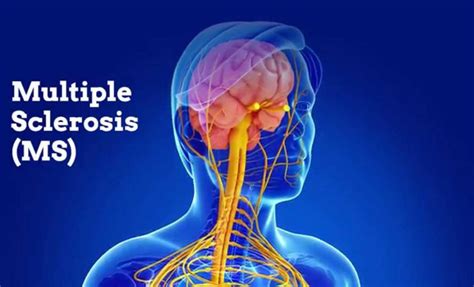
MS is a chronic inflammatory disease of the central nervous system that attacks the myelin sheaths protecting neurons in the brain and spinal cord. Its cause is not known, yet one of the top suspects is EBV, a herpes virus that can cause infectious mononucleosis and establishes a latent, lifelong infection of the host. Establishing a causal relationship between the virus and the disease has been difficult because EBV infects approximately 95% of adults, MS is a relatively rare disease, and the onset of MS symptoms begins about ten years after EBV infection. To determine the connection between EBV and MS, the researchers conducted a study among more than 10 million young adults on active duty in the U.S. military and identified 955 who were diagnosed with MS during their period of service.

The team analyzed serum samples taken biennially by the military and determined the soldiers’ EBV status at time of first sample and the relationship between EBV infection and MS onset during the period of active duty. In this cohort, the risk of MS increased 32-fold after infection with EBV but was unchanged after infection with other viruses. Serum levels of neurofilament light chain, a biomarker of the nerve degeneration typical in MS, increased only after EBV infection. The findings cannot be explained by any known risk factor for MS and suggest EBV as the leading cause of MS.

Ascherio says that the delay between EBV infection and the onset of MS may be partially due the disease’s symptoms being undetected during the earliest stages and partially due to the evolving relationship between EBV and the host’s immune system, which is repeatedly stimulated whenever latent virus reactivates.

“Currently there is no way to effectively prevent or treat EBV infection, but an EBV vaccine or targeting the virus with EBV-specific antiviral drugs could ultimately prevent or cure MS,” said Ascherio.

Other Harvard Chan School researchers who contributed to this study include Kjetil Bjornevik, Marianna Cortese, Michael Mina, and Kassandra Munger.

Funding for this study came the National Institute of Neurological Disorders and Stroke, National Institutes of Health (NS046635, NS042194, and NS103891), the National Multiple Sclerosis Society (PP-1912-35234), the German Research Foundation (CO 2129/ 1-1), the National Institutes of Health (DP5- OD028145), and the Howard Hughes Medical Institute.


Story Source:

Materials provided by Harvard T.H. Chan School of Public Health. Note: Content may be edited for style and length.


Journal Reference:

  1. Kjetil Bjornevik, Marianna Cortese, Brian C. Healy, Jens Kuhle, Michael J. Mina, Yumei Leng, Stephen J. Elledge, David W. Niebuhr, Ann I. Scher, Kassandra L. Munger, Alberto Ascherio. Longitudinal analysis reveals high prevalence of Epstein-Barr virus associated with multiple sclerosis. Science, 2022 DOI: 10.1126/science.abj8222

  Harvard T.H. Chan School of Public Health. “Epstein-Barr virus may be leading cause of multiple sclerosis.” ScienceDaily. ScienceDaily, 13 January 2022. <www.sciencedaily.com/releases/2022/01/220113151342.htm>.


Let me introduce you to the concept of “neuritogenic” compounds: molecules that are known to regenerate nerve tissue and help repair damaged brains.

The Green Med Info website has a great database for published papers on different topics.

When using the search term “neuritogenic” some of the compounds that come up include:

  • Ubiquinol – CoQ 10
  • EGCG – as from green tea
  • Puerarin
  • Cannabinoids
  • Green Coffee Bean
  • Jujube
  • Lion’s Mane
  • Gensenosides
  • Curcumin

One key neuritogenic compound is sulforaphane with broccoli sprouts being the best source.

Part of the content for this article comes from an article published on the Natural News website


Further from the Natural News article:

Green Med Info has also published an overview of sulforaphane and its brain repair mechanisms as documented in published science. From that story:

The researchers determined the optimal concentration range of sulforaphane in promoting neural stem cell (NSC) growth without harming neurons. The researchers determined that “Concentrations of less than 5 mM did not induce cytotoxic e?ects, but rather potentially promote the growth of NSCs.”

Green Med Info has also published an overview of sulforaphane and its brain repair mechanisms as documented in published science. From that story:

The researchers determined the optimal concentration range of sulforaphane in promoting neural stem cell (NSC) growth without harming neurons. The researchers determined that “Concentrations of less than 5 mM did not induce cytotoxic e?ects, but rather potentially promote the growth of NSCs.” The term 5 mM means 5 milli-molar which is a reference to the concentration of sulforaphane in blood. 5 milli-molar is 5 thousands of a Mole. A Mole is a set number of molecules in one liter of a solution, regardless of molecular weight.

Although this depends a lot on body weight, we think it wouldn’t require much consumption of broccoli sprouts to achieve 5 mM concentrations in the blood of a person.

When neural stem cells were exposed to sulforaphane, they transformed into neurons

From the Green Med Info article:

…exposing NSCs to sulforaphane resulted in their differentiation [into] neurons, lending powerful support to the hypothesis that sulforaphane could stimulate brain repair.

This means that sulforaphane is a kind of molecular “activator” that causes neural stem cells to become neurons. This is how damaged brain cells are regrown.

How to grow your own sulforaphane for mere pennies

Because God and Mother Nature gave us all the medicine we need, you can “manufacture” your own sulforaphane for mere pennies and literally transform air into sulforaphane through the use of broccoli sprouts.

  1. Buy broccoli sprouts, a mason jar and a sprouting lid (see image below).
  2. Put about a tablespoon of broccoli spouting seeds into a mason jar, rinse with water, affix the sprouting lid and turn it upside to drain the water.
  3. Keep the sprouting jar upside down. Once a day, rinse with water and drain.
  4. In a few days, you have broccoli sprouts with loads of sulforaphane.

You can then eat the sprouts, use them in salads, blend them into smoothies, drop them into soups or whatever you want to do. Sulforaphane is a very robust molecule and it’s somewhat difficult to destroy, so don’t think you have to treat it like a delicate, fragile substance. Blending sprouts does not destroy their molecules. That’s because these molecules are very, very small.

Many grocery stores that offer sprouts typically also offer broccoli sprouts.

Other benefits of sulforaphane

Sulforaphane also exhibits powerful anti-cancer properties. GreenMedInfo lists the best properties of this molecule as reflected in published medical literature. It shows that sulforaphane is documented to help with:

  • oxidative stress
  • inflammation
  • prostate cancer
  • breast cancer
  • colon cancer
  • autism
  • pancreatic cancer
  • diabetes type-2
  • DNA damage
  • bladder cancer
  • insulin resistance

… and many other conditions.

Brain function is of course a key concern for many people these days and consuming foods which contain sulforaphane can help to maintain brain health.